
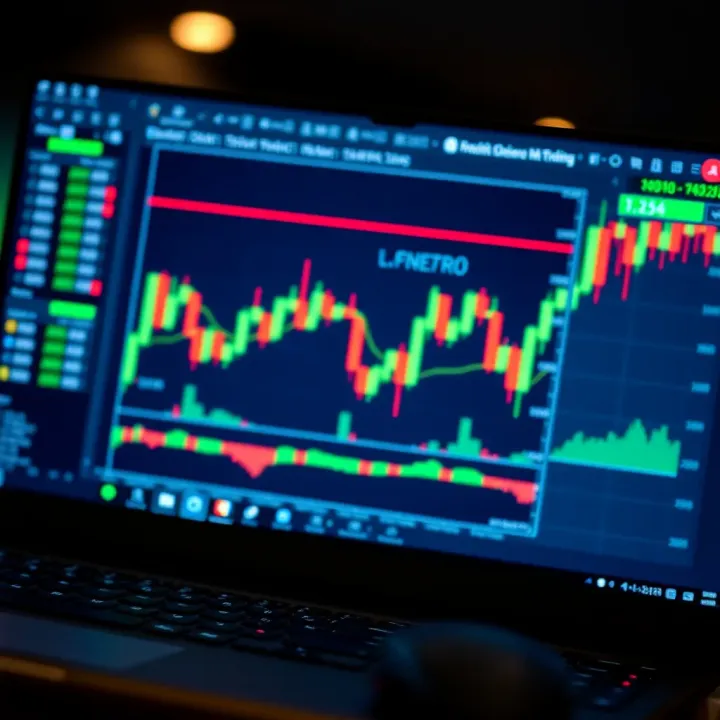
Understanding Forex Demo Accounts
📊 Practice forex trading risk-free with demo accounts that mirror real markets. Learn to pick brokers, master strategies & smoothly shift to live trading in South Africa.
Edited By
Emily Reeves
Forex trading has grown rapidly among South African traders, driven by easy access to online platforms and the allure of foreign exchange profits. However, diving into live trading without a solid grasp of the markets can lead to costly mistakes. That’s where demo accounts come in. These virtual trading accounts let you practise buying and selling currencies using fake money but real market data.
Demo accounts simulate real trading environments. You’ll see live price movements for currency pairs like USD/ZAR, EUR/USD, or GBP/ZAR, just as you would in a real account. This hands-on experience is invaluable for understanding how spreads, leverage, and order execution work in South African conditions.

What's more, demo accounts help you experiment risk-free. You can test different strategies, try your hand at scalping or swing trading, and get comfortable with trading tools without losing a cent. Think of it as building muscle memory before stepping into the ring.
Starting with a demo account is not just for novices; even seasoned traders use them to backtest new tactics or adapt to changing market conditions, especially amid high volatility influenced by local events like SARB interest rate changes or commodity price shifts.
Using a demo account also gets you familiar with the fine print of forex trading platforms operating here, such as those of local brokers regulated by the Financial Sector Conduct Authority (FSCA). You'll quickly spot differences in fees, spreads, and margin requirements. This knowledge can save you from nasty surprises when you move to real trading.
However, it's vital to remember that demo trading can't replicate the emotional pull of real money on the line. Many traders find they act differently when risking actual Rands. Still, a well-used demo account forms the cornerstone of smart, confident trading decisions.
To make the most of a demo account:
Set clear goals: Treat it like the real deal.
Track your trades and review mistakes.
Test various currency pairs that interest you.
Include common local pairs, such as USD/ZAR and EUR/ZAR, which respond to specific South African economic news.
This guide will help you grasp how demo accounts fit into the bigger forex trading picture, especially for South African traders navigating local market nuances and regulations.
A demo account in forex trading is essentially a practice account that allows traders to buy and sell currencies without risking real money. It’s like a virtual sandbox where you can get your feet wet before diving into live markets. The main purpose is to let you familiarise yourself with how forex trading works in a hands-on environment. This is particularly helpful for South African traders who want to understand market dynamics, platform interfaces, and order execution before committing their hard-earned Rand.
Demo accounts replicate real trading conditions by using simulated market data and tools identical to those in live accounts. When you open a trade, the price movements reflect those in the actual market, allowing you to experience how factors like volatility and spreads can impact your transactions. For instance, if the Rand weakens against the US Dollar, your demo trades will reflect that change just as they would in a real environment. Nevertheless, one key difference is that demo accounts often don’t factor in certain live trading nuances like slippage or re-quotes, but they give you a close representation.
Forex demo accounts generally offer several key features to aid your practice journey. These include:
Virtual Capital: Most brokers provide a set amount of fake money, such as R100,000, to trade with. This allows you to test various strategies without financial risk.
Real-Time Quotes: Live price feeds let you see currency pairs move as they would on the real market.
Access to Trading Tools: Indicators, charting software, and economic calendars help you analyse the market in context.
Order Types and Execution: You can place market orders, limit orders, and stop-loss orders, giving a feel for managing trades effectively.
Trying out a demo account saves you from costly beginner mistakes in volatile markets, especially as you navigate local factors like Eskom loadshedding affecting technology reliability.
Understanding what a demo account offers helps South African traders build confidence and skills with minimal pressure. It’s a smart first step before risking real capital in the forex market.
Using a demo account offers several advantages that are especially valuable for new forex traders in South Africa. It provides a safe space to learn the ropes without risking real money, which is crucial when markets can shift quickly.

One of the biggest advantages of demo trading is the chance to practice without any financial risk. Imagine a trader in Durban experimenting with currency pairs like the USD/ZAR – they can place trades as often as they like, seeing how their decisions play out without losing a cent. This environment helps beginners build confidence and understand how market movements affect profits and losses. It’s like a driving school for forex, where mistakes don’t come with a hefty price tag.
Demo accounts allow new traders to get to grips with various trading platforms before committing real funds. South African brokers such as ICE Forex or Plus500 offer platforms loaded with features like graphing tools, indicators, and order types. Using a demo account, traders can explore these functions at leisure, learning where everything is and how to use it effectively. It’s often said – knowing your platform well can save you from costly errors when emotions run high in live trading.
Another key benefit is the ability to test different trading strategies and see how the market responds in real time. For example, a beginner might trial a scalping strategy during the London session using a demo account and note how rapidly profits and losses change. They can also experiment with stop-loss orders or leverage to understand their impact. This hands-on testing is vital because it lets traders spot what works best for their style without the added pressure of real money on the line.
Practising on a demo account is more than a confidence boost – it’s a practical step that prepares you for the realities of the live forex market.
In sum, demo trading offers South African beginners a risk-free way to practice, learns the ins and outs of their trading platform, and puts their strategies to the test. These benefits make the leap to live trading smoother and less daunting, helping traders make better decisions when it counts.
Using a demo account is a great way to get started in forex trading, but it’s not a perfect reflection of live trading. Understanding the differences and potential pitfalls can help South African traders avoid costly mistakes when moving onto real trades.
Demo trading platforms simulate real markets but can’t replicate certain critical elements. For instance, liquidity in demo accounts often appears unlimited, which is rarely the case with live trading, especially during volatile sessions or less popular hours. This means trades that execute flawlessly in demo might struggle or slip in live conditions due to spreads widening or orders partially filling.
Moreover, demo platforms don’t factor in real-world technical issues like slow internet connections or platform glitches, which can delay trade entries or exits. For South African traders, this is important given our sometimes unstable internet services and load shedding disruptions that can affect online trading.
One key limitation is that demo accounts don’t provoke the same emotional responses as live trading. When no real money is on the line, traders tend to take more risks and may not feel the stress of losses. This gap can lull beginners into a false sense of confidence.
For example, a trader practising with R100,000 in virtual funds might open large positions without hesitation. In live trading, however, risking even R1,000 can feel heavier, affecting decision-making and potentially leading to hesitation or panic reactions. Developing emotional discipline is vital, but it’s a skill demo accounts struggle to teach.
Demo trading can create unrealistic expectations about profits and the ease of trading. Beginners might believe that winning streaks or large gains are routine. In reality, live markets fluctuate far more unpredictably.
This is especially relevant in the South African context, where factors like currency volatility influenced by political news, commodity prices, or global market shifts can quickly erase apparent demo profits. Traders need to approach demo results cautiously, seeing them as practice rather than a reliable forecast.
To navigate these pitfalls, South African traders should use demo accounts strictly for familiarising themselves with platforms and testing strategies under controlled scenarios, while preparing mentally for the challenges of live trading.
In short, demo accounts are valuable tools but they’re just the starting point. Being aware of their limitations helps traders transition confidently and avoid surprises once real money is involved.
Starting with a demo account is a smart way to test the waters before putting real money on the line. For South African traders, setting up and managing such an account means making sure the broker and platform you pick suit your local needs and the peculiarities of our market.
Picking the right broker is the first and probably most crucial step. Look for brokers licensed by local authorities like the Financial Sector Conduct Authority (FSCA), ensuring they operate under South African regulations. Brokers such as IG South Africa, Plus500, and FXTM provide demo accounts that closely reflect real trading conditions. A good broker will offer transparent fees, decent spreads, and robust customer support, all essential while practising. Also, check the trading platform provided—MetaTrader 4 or 5, for example, is widely available and familiar to many traders.
Signing up for a demo account usually requires basic information, such as your name, email, and sometimes a South African phone number for verification, complying with regulatory checks like the Financial Intelligence Centre Act (FICA). Once registered, you'll get access to a virtual balance, allowing you to trade with pretend funds on the platform. For South African users, mobile-friendly access is key given data costs and smartphone usage trends. Most brokers offer both desktop and mobile versions, so pick what fits your day-to-day routine best.
To really gain from demo trading, treat it like the real deal. Keep records of your trades, noting the strategies used and market conditions. For example, track which currency pairs perform well during South African market hours or when global events affect the rand (ZAR). This helps identify patterns and weaknesses in your approach. Also, set goals—don’t just click around randomly. Focus on improving one skill at a time, like executing stop-loss orders or reading charts. Lastly, remember demo trading doesn’t trigger real emotions tied to losing real money, so practice managing feelings when later transitioning to live accounts.
Choosing a South African-regulated broker and actively managing your demo account with clear goals can set a strong foundation for successful forex trading in real markets.
By choosing the right broker, registering correctly, and applying disciplined practice, South African traders position themselves well to move confidently from demo to live trading.
Moving from a forex demo account to live trading marks a crucial shift, especially for South African traders navigating local market quirks and regulatory requirements. Demo trading offers a safe space to test strategies, but live trading brings the pressure of real money on the line — changing how you make decisions and manage risks.
Knowing when to switch to live trading depends on more than just profitability on a demo account. Consistency matters: if you’ve tested various market conditions on your demo account and maintained disciplined strategies without overtrading for at least three months, it’s a good sign you’re prepared. Also, ensure you understand how your broker operates under the Financial Sector Conduct Authority (FSCA) rules, as different brokers might handle spreads, execution speeds, and slippage differently in live markets.
Take the example of Sipho from Johannesburg, who used his demo account to familiarise himself with MTN’s mobile data platform and tested his trading strategy during volatile periods. Only after careful evaluation and tracking his demo trading journal did he start with a small live account, easing into the live market environment.
Live trading demands a strict risk management approach. Unlike demo accounts, real trades expose your capital to sudden swings influenced by factors like market liquidity and economic news — common in the rand’s behaviour against the US dollar or euro. A common rule is to risk no more than 1-2% of your trading capital on any single trade. For instance, if you have R10,000 in a live account, your stop-loss placement and lot size should reflect this limit. Always use stop-loss orders and avoid the temptation to chase losses, which can quickly drain your funds.
Setting a realistic budget and using reputable South African brokers with transparent fees help prevent unexpected costs. Remember, spreads in live trading can widen during market events, so be vigilant.
Shifting to live forex trading also means adapting emotionally. Demo trades don’t trigger the stress real money does. You might find hesitating or overreacting to market moves that felt routine on a demo account. Accept that losses are part of the process — even experienced traders lose trades.
Develop patience and resilience. For example, Jabu, a Cape Town trader, initially rushed trades after switching to live but learned that sticking to her strategy and avoiding impulsive decisions improved her results. Practising mindfulness and maintaining a trading journal to reflect on your emotional responses can be invaluable.
Transitioning success depends not just on your strategy but on accepting the realities of live trading — risk, emotion, and market unpredictability.
Ultimately, combining practical readiness, disciplined money management, and a steady mindset sets you up to move confidently from demo to live forex trading.
📊 Practice forex trading risk-free with demo accounts that mirror real markets. Learn to pick brokers, master strategies & smoothly shift to live trading in South Africa.
💱 Learn practical forex trading tips tailored for South African traders. Understand market basics, strategies, risks, and essential tools to trade confidently.
Learn how binary options demo accounts work in South Africa 📈, their legal aspects ⚖️, benefits for new traders, and tips to switch to real trading confidently 💡.

📊 Explore top forex trading platforms for South African traders. Compare usability, fees, security, and regulations to pick the best fit for your trading style. 💹
Based on 10 reviews