
Understanding Forex Trading for South African Traders
💱 Learn practical forex trading tips tailored for South African traders. Understand market basics, strategies, risks, and essential tools to trade confidently.
Edited By
Daniel Hughes
A demo account in forex trading gives you a practice ground where you can buy and sell currencies without risking real cash. Think of it as a flight simulator, but for currency trading — it copies real market moves so you get a realistic trading experience.
South African traders often find demo accounts particularly handy since local conditions like loadshedding or data limits can make jumping straight into live trading risky. With demo accounts offered by brokers such as Plus500, IG, and HotForex, you get access to virtual funds and real-time quotes, which make for a near-authentic trading setting.
Using a demo account helps you grasp how currency pairs such as the USD/ZAR or EUR/USD move, get familiar with trading platforms like MetaTrader 4 or TradingView, and test strategies without the stress of losing money. It’s a safe space to mess around with different leverage levels, stop-loss orders, and take-profit points before committing real rand.
Demo accounts are essential tools for building confidence and sharpening skills, especially for beginners or those exploring new markets.
However, it’s worth noting that trading on demo can’t fully replicate the emotional pressure of real trading where your own money is on the line. Also, some brokers might apply slightly different spreads or execution speed in demo versus live accounts.
To get the most from a demo account:
Treat it like your live account: follow your trading plan closely and keep a record of your trades.
Use it to learn the quirks of your chosen broker’s platform.
Practice risk management techniques such as setting stop losses.
In South Africa, where forex trading is regulated under the Financial Sector Conduct Authority (FSCA), ensure your chosen broker is licensed, even for demo accounts. This helps avoid scams and gives access to local support.
Understanding and making proper use of demo accounts can save you essential Rands and nerves when you eventually trade live in the forex market.
A forex demo account is an essential tool for anyone stepping into the currency trading world. It allows traders to experience real market conditions without risking their own money. This type of account mirrors live trading environments, offering a safe playground to understand how forex markets operate, try out strategies, and get comfortable with trading platforms.
Demo accounts simulate the trading experience by replicating live prices and market fluctuations. Traders can place buy or sell orders just as they would when using real funds. This simulation helps users gain familiarity with market behaviours, such as how currency pairs move in response to economic news or geopolitical events. For instance, if the US Federal Reserve signals an interest rate change, the demo account should reflect related price shifts in USD currency pairs — just like a real account.
Unlike online trading games that merely mimic price movements, demo accounts use actual market data, which adds important realism. This means traders can practise not only executing trades but also understanding spread changes and volatility in different market sessions, such as the London or New York sessions. Being used to these details early on prepares one for actual live trading.
In demo accounts, users trade with virtual money provided by the broker, often ranging from R10,000 to R1,000,000 depending on the platform. This removes the financial risk, enabling traders new to forex to experiment freely without fear of loss. This virtual capital lets you test various strategies, whether short-term scalping or longer-term swing trading, to see what works best for your style.
For example, if you choose to test how technical indicators like the RSI or moving averages perform, you can do so repeatedly without worrying about losses wiping out your investment. It also allows traders to make mistakes and learn to control their reaction to losses before moving to real accounts where emotions run higher.
Effective demo accounts display price movements identical to live markets, including bid and ask prices, as well as the spread—the difference between these two prices. This matters because the spread determines the trading cost immediately — when you open a position, you start at a slight loss equal to the spread until the market moves in your favour.
If you’re trading the EUR/USD with a 1.2 pip spread, the demo platform should reflect this cost realistically. This accuracy in pricing helps traders understand how spreads affect profitability, especially during periods of low liquidity or high volatility, such as just before major economic announcements.
Demo accounts process orders much like real accounts, though some brokers may offer instant execution to avoid frustrating beginners with delays. Depending on the broker’s execution model, orders could be executed at the quoted price or experience slight slippage, simulating real-world conditions.
For example, if you place a market order during a highly volatile period, your demo account might fill the order at a slightly different price than you expected — mimicking live scenarios where quotes can move quickly. This exposure helps traders learn how execution timing and price movement interplay, which can be critical for managing risk and seizing opportunities.
Practising with demo accounts lets you understand the fine print of forex trading mechanics, which can save you from nasty surprises when real money is on the line.
Overall, demo accounts serve as a practical, risk-free stage to prepare for live forex trading. They give you a chance to get used to the platforms, market behaviour, and execution dynamics without spending a cent of your cash. In the South African context, especially considering fluctuating rand exchange rates and market volatility, getting this foundation right can make a solid difference.
Using a demo account before entering the real forex market is an essential step for anyone serious about trading. It provides a safe environment where you can familiarise yourself with how currency pairs move and how trading platforms work, without the anxiety of risking actual money. This preparation proves invaluable, especially in a market as volatile and fast-paced as forex.
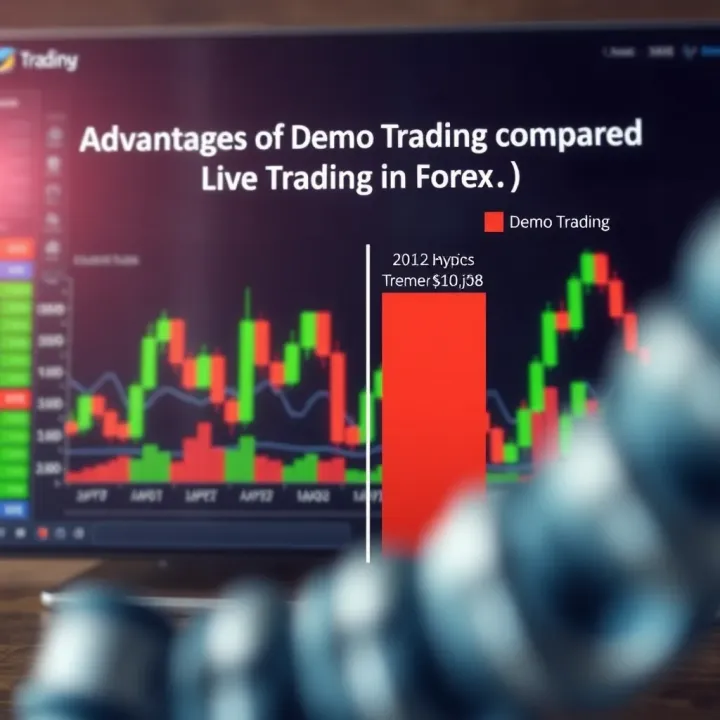
Forex markets react quickly to global events, economic reports, and political changes, often within seconds. A demo account lets you observe these movements firsthand and understand how factors like interest rate announcements or unexpected news can impact currency prices. For example, during South Africa’s economic data releases, you can see how the rand reacts without risking your capital. This hands-on experience helps you grasp the ebb and flow of the market better than any textbook.
Trying out different approaches is crucial before going live. Whether you’re testing a scalping technique that targets small price changes or a longer-term swing trade, demo trading lets you refine your entries, exits, and stop-loss placements. Say you want to try a strategy using technical indicators like the moving average or RSI; the demo environment allows you to tweak these settings and understand their impact before you gamble real money on them. This practice builds a solid foundation for when stakes are higher.
One of the hardest parts of trading with real cash involves managing emotions—fear, greed, and impatience can cloud judgment. In a demo account, you get to experience wins and losses without the stress of losing your hard-earned Rands. This helps you develop emotional discipline, which is vital to sticking to your trading plan. For instance, if a losing streak hits, the reaction you build in demo will guide you through staying calm and avoiding impulsive decisions in live trading.
Forecasting your success as a trader means monitoring how well you execute strategies over time. Demo accounts often come with tools to analyse your trading history and performance metrics. By reviewing your trades regularly, you can spot patterns—like consistent mistakes or profitable moves—and adjust accordingly. This continual feedback loop boosts your learning curve and builds the confidence needed to transition smoothly to live trading.
Trading on a demo account is not just about practising; it’s about preparing mentally and strategically for the realities of live forex markets. Treat it like your personal gym, where you train hard without risking injury.
In summary, a demo account lets you explore market behaviour, trial different techniques, cultivate emotional control, and track your growth. These benefits make it an indispensable tool for South African traders aiming to succeed in forex without unnecessary financial risk.
Setting up a forex demo account tailored to South African traders involves understanding broker options, regulatory measures, and the registration process. Making the right choices at this stage can smooth your trading journey and help you build practical skills without risking real money.
South African traders must weigh the benefits of local brokers against international ones. Local brokers, like IG or HotForex South Africa, operate under South African regulations and offer services that cater to local needs, such as supporting South African Rand (ZAR) accounts and local payment methods like EFT or SnapScan. They typically adhere to the Financial Sector Conduct Authority's (FSCA) rules, providing an added layer of consumer protection.
Conversely, international brokers offer wider market access and sometimes more competitive trading conditions like lower spreads or advanced platforms. However, they may not support ZAR accounts or South African payment channels, which can lead to higher conversion costs or delays in deposits and withdrawals. Additionally, International brokers might not always follow South African regulatory standards, which could affect dispute resolution.
Picking a reputable broker is critical. Look for those authorised by the FSCA, South Africa's financial watchdog. This regulation ensures brokers stay within strict capital requirements and maintain client fund segregation, lowering the risk of losing your money through malpractice.
Customer feedback and reviews from South African trading communities, such as on MyBroadband forums, also give insight into brokers’ reliability. A solid reputation suggests dependable execution, transparent pricing, and timely support – all vital factors when practising on a demo.
Registering for a demo account is generally straightforward but requires some basic details. Brokers typically ask for your name, email, and contact number – standard practice to prevent fraud and ensure a smooth transition to live accounts later. South African brokers often comply with FICA (Financial Intelligence Centre Act) regulations, asking for identification during registration or before real-money trading.
Providing accurate information ensures you can easily move from demo to live trading without hiccups. It also helps maintain compliance with regulations designed to prevent money laundering and fraud.
Before setting up your demo account, it’s vital to read the broker’s terms and conditions carefully. This document details how the demo operates, including limitations like execution delays or different margin rules compared to live accounts.
Understanding the fine print helps set realistic expectations. For example, some brokers use simulated spreads on demo accounts that may differ from live market spreads. Recognising these nuances means you won’t be caught off guard when transitioning to real trades.
Treating your demo account seriously, right from registration, builds a disciplined foundation that will benefit your live trading efforts.
By choosing the right broker and carefully navigating the registration, South African traders can maximise their demo experience and prepare properly for the real forex markets ahead.
Using a demo account effectively is vital for any trader serious about entering the forex market. It’s not just a playground; it’s where you build skills to handle real money. By treating your demo account with discipline and realistic expectations, you lay a solid foundation for live trading success.
Setting realistic goals in your demo trading helps establish a clear roadmap. Instead of aiming for unrealistic returns, focus on simple objectives like understanding how to place orders, following market trends, or managing a small number of trades per day. For example, goal-setting might involve practicing five trades daily and reviewing why certain moves succeeded or failed. This keeps your learning focused and prevents complacency.
Approaching demo trading with achievable targets also aids in developing patience and sound decision-making. For instance, if your goal is to improve timing in entering a position, you can concentrate on waiting for confirmed signals rather than jumping in prematurely. This prevents bad habits that can later cost real money.
Even though demo accounts use virtual money, applying real risk management rules is essential. Treat every trade as if you were investing your own cash. This includes setting stop losses to limit potential losses and not risking more than a small percentage of your virtual capital on any one trade.
By doing this, you get familiar with how risk control shapes outcomes. For example, if your demo account allocates only 1–2% per trade, it forces a disciplined approach rather than reckless behaviour. This training helps you build habits that protect your capital when you move to live trading.
A demo account allows you to experiment with various trading styles to see what suits your personality and schedule. Scalping involves quick trades lasting minutes, requiring constant attention, while swing trading holds positions over several days or weeks based on medium-term trends. Position trading stretches even longer, often seeking to profit over months.
Trying these different approaches on your demo helps you decide whether you prefer the fast pace of scalping or the patience needed for position trading. For example, a trader working a typical office job might find swing trading more practical since it doesn’t require sitting glued to the screen all day.
Applying both technical and fundamental analysis in your demo trades deepens your market understanding. Technical analysis focuses on price charts and indicators like moving averages or RSI, while fundamental analysis considers economic data, geopolitical events, and central bank policies.
For instance, reacting to a South African Reserve Bank interest rate announcement by analysing both currency charts and economic outlook in your demo trades helps you develop the skill to combine insights. This multi-layered approach can improve your trading decisions once you switch to live markets.
Practising with a demo account while incorporating risk rules and diverse strategies will sharpen your trading skills and ready you for the pressures of real forex trading.
Knowing the right moment to switch from a forex demo account to live trading can make a huge difference in your success and stress levels. Demo accounts let you practise without risking your hard-earned rand, but live accounts introduce real financial pressure and market unpredictability. This transition requires careful consideration and preparation to avoid costly mistakes. Traders in South Africa often face local challenges, such as volatile rand movements and loadshedding interruptions, which also highlight the importance of readiness before going live.
If you’ve been trading on a demo account and consistently turning a profit over several weeks or months, it’s a good sign you may be ready for live trading. Consistency matters more than occasional big wins because it shows your strategy can hold up under different market conditions. For instance, if a trader spots steady gains by trading major pairs like USD/ZAR or EUR/USD across various timeframes, that’s a solid indicator.
Keep in mind, though, that demo accounts lack real emotional factors involved in risking actual money. That’s why profitability alone isn’t the full test — it’s more about whether your approach is reliable and repeatable. Tracking your demo performance carefully can highlight areas for adjustment before risking capital.
Trading live brings emotional challenges that demo accounts can’t fully imitate. The stress of potentially losing money often causes hesitation, overtrading, or revenge trading. You’ll know you’re ready when you can stick to your trading plan calmly, regardless of losses or wins. For example, maintaining discipline after a losing streak without chasing trades is a key sign.
Confidence here isn’t about feeling like a market genius; it’s about trusting your process and understanding that setbacks are part of trading. South African traders sometimes find this especially tricky with the rand’s swings during global news events, so being able to manage emotions through such periods is critical.
Once you move to a live account, starting with a small deposit helps you get used to the real-pressure environment without risking too much. For example, a trader might begin with R2,000 or R5,000 and only scale up when comfortable. This phased approach helps prevent emotional upheaval and builds confidence incrementally.
Many brokers in South Africa accommodate low minimum deposits, allowing you to test live conditions realistically. Slowly increasing your trading size as you gain experience will make the transition smoother and reduce the risk of large losses early on.
Live trading exposes you to slippage, spreads widening during volatile times, and fast-moving price action that demo platforms might not fully replicate. For instance, during Eskom load shedding, internet or power interruptions can affect your ability to execute trades – something demos don’t account for. Adapting means preparing backup plans, such as using mobile data or setting stop-loss orders that can handle sudden market shifts.
You’ll also need to adjust your mindset to accept these real-world quirks. Learning to trade around these factors rather than letting them throw you off is part of growing as a South African forex trader.
Transitioning to live trading is less about a single moment and more about meeting practical readiness markers, controlling emotions, and managing risk carefully. Taking the process step-by-step can protect your capital and build lasting trading skills.
💱 Learn practical forex trading tips tailored for South African traders. Understand market basics, strategies, risks, and essential tools to trade confidently.
📊 Explore forex trading signals tailored for South African traders. Learn how to spot reliable signals, manage risks, and boost your currency trading results effectively.

📚 Explore top forex trading schools in South Africa! Learn what to expect, avoid common pitfalls, and gain skills for smarter trading success. 💹
Explore top forex trading schools in South Africa 🇿🇦, learn how to pick the best course, navigate regulations, and boost your trading strategies 📈.
Based on 10 reviews