
Guide to Forex Trading Online in South Africa
🌍 Learn how to trade forex online in South Africa! Get tips on brokers, strategies, risk management, and regulations for successful trading. 📈💰
Edited By
Liam Foster
Forex trading, often seen as a way to make money from global currency shifts, can be both exciting and daunting, especially for South African traders. This guide aims to cut through the noise and explain forex trading in clear, straightforward terms—no jargon, just practical info you can actually use.
South Africa's unique economic landscape makes it a fascinating place to trade currencies. From fluctuating rand value to the impact of local politics and global events, there’s a lot at play. This article will help you understand how forex markets work, what to watch out for, and how you can navigate risks smartly.
Forex trading isn’t a get-rich-quick scheme. It requires knowledge, strategy, and a bit of patience—especially in the South African context.
We’ll cover:
Basics of currency markets and how trades happen
Key strategies traders use to make decisions
Risks you should never ignore
Tools and platforms popular among South African traders
By the end, you’ll have a solid grasp of what forex trading involves and be better placed to make informed decisions if you choose to jump in. Let's get started—ready to make sense of those currency charts?
Understanding what forex trading means is the first step for anyone looking to enter the currency markets, especially South African traders. Forex trading involves buying one currency while simultaneously selling another, aiming to make a profit from the fluctuations in exchange rates. It’s a dynamic, 24-hour market where currencies like the South African rand (ZAR) are constantly exchanged in pairs like USD/ZAR.
Why does this matter? Forex trading isn’t just about speculating on prices; it directly affects importers, exporters, and travelers in South Africa. For example, a business importing electronics from the United States might use forex trading to manage the risk of the rand weakening against the dollar, which would make goods more expensive.
This section breaks down key elements of forex trading that every South African should know to make smart decisions and avoid common pitfalls. By grasping these basics, traders can develop strategies tailored to their financial goals and local market conditions.
Forex trading is the process of exchanging one country's currency for another in the hope that the currency bought will increase in value relative to the one sold. Put simply, it's currency swapping with the goal of making a profit. For example, if you buy euros with rands, you expect the euro to strengthen; if it does, you can sell it back for more rands than you started with.
This isn’t limited to investors with huge funds; even small traders can get involved using platforms that allow for leveraged trading, though it’s critical to understand the risks. Forex trading is also highly liquid, making it easy to enter and exit positions quickly—a big advantage for traders looking for flexibility.
Currencies in forex trading are quoted in pairs, such as EUR/ZAR or USD/ZAR. Each pair has a base currency (the first one) and a quote currency (the second). The price you see tells you how much of the quote currency it takes to buy one unit of the base currency. For example, if EUR/ZAR is 18.50, it means 1 euro costs 18.50 rand.
When a trader buys a currency pair, they are buying the base currency and selling the quote currency. Conversely, selling the pair means selling the base currency and buying the quote currency. This system allows traders to speculate not only if a currency will go up or down but also to take advantage of price differences between two currencies.
Understanding this is crucial because it affects how you calculate profits and losses and how you interpret price movements. For instance, if the rand weakens against the dollar, the USD/ZAR pair’s price goes up, which may tip off a trader to potential profits or losses depending on their position.
Certain currencies dominate the forex market due to their stability, liquidity, and economic significance. Globally, the US dollar (USD), euro (EUR), Japanese yen (JPY), and British pound (GBP) are the top players.
For South African traders, the rand (ZAR) is obviously important but is less liquid than these major currencies. Pairs like USD/ZAR or EUR/ZAR are favored because they combine the global importance of the US dollar and euro with local relevance. Other frequently traded pairs include GBP/ZAR and AUD/ZAR, often influenced by South Africa's trade relationships.
Trading these pairs allows local traders to navigate familiar economic waters, understanding how global events impact their local currency. For example, changes in commodity prices—vital to South Africa’s economy—can shift the rand's strength, affecting trades.
Forex is not just individual traders speculating in isolation; it’s a massive network of participants that keeps the market fluid and active. Key players include central banks, commercial banks, hedge funds, multinational corporations, and retail traders.
Central banks, like the South African Reserve Bank, often intervene to stabilize or boost their currency. Commercial banks facilitate the actual currency exchanges for clients. Meanwhile, hedge funds and institutions trade large volumes, often shaping short-term price trends.
As an individual trader in South Africa, knowing who drives the market can help anticipate potential moves. For instance, if the SARB announces changes in interest rates, it can trigger sharp moves in the rand, presenting both risks and opportunities.
Unlike stock markets that close, forex trades 24 hours a day across different sessions: the Asian, European, and North American. South African traders mainly overlap with the London (European) session due to time zone similarities, making this one the most active for ZAR pairs.
Knowing this schedule helps traders catch peak liquidity times and avoid periods when the market is quieter and spreads tend to widen. For example, around lunch hour in Johannesburg, activity might dip, leading to slower price changes.
By targeting these high-volume windows, traders can find better prices and more rapid order executions.
Forex is the most liquid market in the world. Liquidity refers to how easily an asset can be bought or sold without affecting its price. For instance, trading the USD/ZAR pair typically offers decent liquidity during European and US sessions, but it’s generally lower than major pairs like EUR/USD.
Higher liquidity means tighter spreads and less slippage, which is great news for traders. However, less liquid times or pairs risk bigger price swings and greater costs, so South African traders should pick pairs and trading times wisely.
Tip: Watch economic news releases because these can spike volume and volatility, sometimes offering quick gains, but always with heightened risk.
In all, understanding these foundational elements of forex trading prepares South African traders for the ups and downs of the currency markets. Familiarity with how pairs work, who’s in the market, and when to trade builds confidence and a practical approach to the forex adventure.
To make sense of forex trading, you need to first get comfortable with certain core ideas. These key concepts aren’t just abstract terms—they’re the foundation that guides every trade you make. South African traders, especially those just stepping into the forex world, should know these basics inside and out. After all, ignoring them is like trying to navigate Cape Town’s streets without a map.
Understanding these concepts helps you grasp how trades are priced, how the market moves, and where risks may lie. Plus, they sharpen your ability to make smart trading choices, limit losses, and find opportunities. Let’s break down the essentials.
In forex trading, currencies are always quoted in pairs—this can be a bit tricky at first. The base currency is the first currency you see in the pair, while the quote currency is the second one. For example, in the EUR/ZAR pair (Euro to South African Rand), EUR is the base and ZAR is the quote.
What this means practically is that the price tells you how much of the quote currency (ZAR) you need to buy one unit of the base currency (EUR). So, if EUR/ZAR is quoted at 19.50, it takes 19.50 rand to buy one euro.
This structure helps you understand the value relationship between currencies and how that value fluctuates. When trading, you’re effectively betting on whether the base currency will strengthen or weaken against the quote currency.
Every forex quote has two prices: the bid and the ask. The bid price is what buyers are willing to pay to purchase the base currency, while the ask price is what sellers want for it.
Think of it like a local market in Johannesburg: you see the price you’re willing to sell and the price you’re willing to buy. The bid is always lower than the ask. If you want to sell EUR/ZAR, you’d get the bid price; if you want to buy, you pay the ask price.
Knowing bid and ask prices matters because it determines your entry and exit points. It also explains why you never buy and sell at the same price—this ‘gap’ is where brokers earn their keep.
The difference between the bid and ask is called the spread. It’s like the broker’s commission but built into the price. Narrow spreads usually mean less trading cost for you, and wide spreads can eat into your profits.
For instance, if the EUR/ZAR bid is 19.48 and the ask is 19.50, the spread is 0.02 rand. For small trades, that might not look like much, but frequent trading on wide spreads can quickly add up.
Being aware of spread sizes helps you pick better brokers and trading times—spreads often widen during low market activity or major news events.
Leverage lets you control a large trade with a relatively small amount of money. Imagine having a R1000 stake but being able to trade R100,000 in the market; that’s leverage.
It’s a double-edged sword—while it can magnify your gains, it also boosts your losses. In South Africa, brokers might offer leverage up to 1:200 or more, meaning for every rand you put up, you can trade 200 rand.
It’s best to treat leverage cautiously and only use what you can handle financially. Think of it like a borrowed car for a road trip: it gives you freedom, but you’re responsible for damage.
Margin is the cash you need to keep in your account to maintain a leveraged position. If your broker offers 1:100 leverage, you need 1% of the trade’s value as margin.
For example, to open a R100,000 trade with 1:100 leverage, you’d need R1,000 as margin. This money is locked up to back your trade.
Understanding margin requirements helps you manage how much you can trade without over-stretching your funds. Low margin accounts let you trade bigger positions but can lead to margin calls if your trades turn sour.
Leverage can lure many traders with promises of quick profits. But the reality is harsher. High leverage amplifies losses just as much as profits, and a sudden market move against you can wipe out your capital fast.
South African traders should be especially cautious because currency pairs involving ZAR can be more volatile due to local economic and political shifts. If you use 1:200 leverage and the market moves 0.5% against you, your capital could nearly vanish.
To protect yourself, always use stop-loss orders and never risk more than a small percentage of your account on a single trade.
Remember: trading isn’t a sprint but a marathon. Understand the mechanics behind currency pairs, bid/ask pricing, spreads, leverage, and margin to trade smarter, not harder.
This foundation sets you up for better decision-making and prepares you for the hands-on strategies to come.
Starting with forex trading in South Africa requires more than just knowing the basics of currency pairs and market hours. It’s about finding the right place to trade, setting up your account properly, and understanding the local rules that keep your investments safe. For South African traders, these initial steps can make all the difference between a smooth entry into forex trading and getting caught up in unnecessary risks or complications. Let’s break down how to go about this in a practical way.
South Africa’s financial markets are regulated by the Financial Sector Conduct Authority (FSCA). This body ensures brokers operate fairly and transparently. When choosing a broker, it’s vital to pick one licensed by the FSCA or at least strictly regulated by well-known authorities such as the FCA in the UK or CySEC in Cyprus. This protects you against shady operators who might disappear with your money overnight. For instance, in 2023, brokers like IG Markets maintained a strong reputation due to their compliance with FSCA standards.
Brokers generally fall into two camps: market makers and ECN/STP brokers. Market makers set their own prices and take opposite sides of your trades, which can sometimes lead to conflicts of interest. ECN (Electronic Communication Network) or STP (Straight Through Processing) brokers simply connect you directly to the market, allowing for tighter spreads but sometimes charging commissions. As for platforms, MetaTrader 4 (MT4) and MetaTrader 5 (MT5) remain favorites, offering user-friendly interfaces and plenty of tools for analysis. Some brokers offer proprietary platforms, such as Saxo Bank’s SaxoTraderGo, which can provide additional features tailored to South African traders.
Before committing, dig into a broker's background: check online reviews, verify their regulatory status on the FSCA website, and test customer support responsiveness. Don't overlook how quickly they execute trades or handle withdrawals—delays here can be a red flag. For example, a trustworthy broker will process withdrawal requests within a couple of business days and provide clear explanations if there are any hold-ups.
Brokers typically offer several account types, such as standard, mini, and VIP accounts. Standard accounts usually require larger deposits but offer lower spreads, while mini or micro accounts allow you to trade smaller amounts—perfect for beginners. VIP or professional accounts might give you perks like better leverage or personal support but often come with higher requirements. Choose one that fits your budget and trading goals rather than just chasing perks.
Due to anti-money laundering laws, brokers require identification documents before you can start trading. You'll usually need to submit a copy of your ID or passport and proof of address, like a utility bill. Funding your account can be straightforward, with options ranging from bank transfers and credit cards to e-wallets like PayFast or Skrill which many South African traders prefer for speed and convenience.
Most brokers offer demo accounts allowing you to trade with fake money in real market conditions. This is a golden opportunity to try out different strategies, get comfortable with the trading platform, and understand market dynamics without risking your capital. Treat your demo trading seriously—set daily goals, keep a trading journal, and don’t be tempted to jump into live trades too soon.
Tip: Don’t rush the live account setup. Spend at least a few weeks on a demo account, and when ready, start small to test your plan under real conditions.
By carefully choosing your broker and setting up your account with thought, you lay the groundwork for a safer and more effective trading experience. Keep the local rules in mind and focus on learning first, trading second. This approach is the one that will keep you heads above water in the choppy forex seas.
Trading in the forex market without a plan is a bit like setting off on a road trip without a map – you might get somewhere, but chances are you’ll take a few wrong turns along the way. Understanding common trading strategies gives South African traders a framework to approach the market with discipline and structure. These strategies help manage risks while giving you a clearer sense of when to enter or exit trades.
Forex strategies often break down into two broad categories: technical and fundamental. Each plays a role depending on your trading style and objectives. For example, a trader using technical analysis relies on price charts and indicators to predict where the market's heading. Meanwhile, those leaning on fundamental analysis watch economic news and data to gauge currency strength, blending that info into their trading decisions.
Having some go-to techniques in your toolkit can make market swings less daunting. It’s also easier to adapt as conditions change rather than trying to trade purely on gut feel. In the next sections, we’ll look closely at each approach, starting with the nuts and bolts of technical analysis.
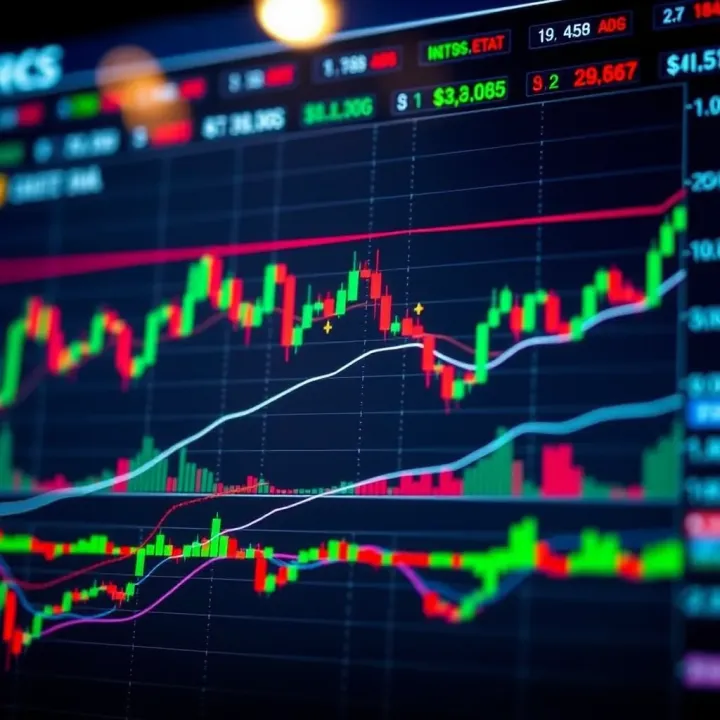
Charts form the backbone of technical analysis. They let you see how currency pairs have moved over time, which is crucial for spotting patterns or trends. The most common types include line charts, bar charts, and candlestick charts.
While line charts provide a straightforward view of closing prices, candlestick charts offer richer detail by showing open, high, low, and close prices within a specific timeframe. This makes candlesticks especially useful for identifying market sentiment quickly, like spotting a sudden reversal or continuation in price action.
For instance, a South African trader watching the USD/ZAR pair might switch between hourly candlesticks to catch short-term opportunities and daily charts to understand the bigger picture. Using these chart types effectively helps you avoid jumping into trades based on incomplete info.
Indicators are mathematical tools that process price and volume data to offer insights about market direction or strength. Some favorites among forex traders include:
Moving Averages (MA): They smooth out price data to help identify trend direction. A simple moving average might tell you if the market is generally bullish or bearish.
Relative Strength Index (RSI): This momentum indicator flags when a currency pair might be overbought or oversold, hinting at a possible reversal.
Bollinger Bands: These bands adjust dynamically with volatility, showing whether prices are high, low, or somewhere in between.
Using these indicators together, rather than relying on just one, can give more reliable signals. For example, if the RSI signals oversold and the price hits the lower Bollinger Band, it might be a reasonably safe area to consider buying.
Prices rarely move in a straight line. Recognizing trends (the general direction prices move) is key to riding profitable trades. Uptrends showcase a sequence of higher highs and lows, while downtrends have lower highs and lows. Sideways or ranging markets can be tricky but signal the market's indecision.
Patterns such as head and shoulders, double tops/bottoms, and flags act as signposts that hint at potential price reversals or continuations. For example, spotting a double bottom in the EUR/ZAR chart might indicate the pair is about to shift upwards after a bearish phase.
Remember, no pattern or trend is foolproof. Always combine pattern recognition with sound risk management and other tools.
Fundamental analysis in forex digs into economic numbers that affect currency values. South African traders should keep an eye on key metrics like:
GDP growth rates: Strong growth often bolsters a currency.
Interest rates set by the South African Reserve Bank (SARB): Higher rates usually attract foreign investment, supporting the rand.
Inflation data: Rising inflation can weaken a currency if not matched by interest rate hikes.
By tracking these figures, traders can anticipate market moves before they appear in price charts.
News drives volatility. Big announcements like central bank decisions, trade agreements, or geopolitical tensions can cause sharp price swings. For example, unexpected changes in SARB’s monetary policy often lead to immediate reactions in USD/ZAR or EUR/ZAR pairs.
Traders need to be cautious around such events; some prefer stepping back to reduce risk, while others aim to trade the volatility. Staying updated through reliable sources like Bloomberg, Reuters, or local financial news helps you anticipate and plan for these moments.
Your strategy here depends heavily on your goals. Long-term forex investors might hold positions for weeks or months, basing decisions primarily on fundamental factors. Short-term traders, like day traders or scalpers, lean more on technical setups and intraday news.
For instance, a long-term trader may buy ZAR expecting SARB to raise rates in the next quarter, while a short-term trader reacts instantly to a sudden drop in commodity prices affecting the rand.
In forex, knowing whether you're in it for a quick sprint or a marathon shapes every choice you make, from your analysis tools to your risk tolerance.
Both approaches come with pros and cons. Long-term trading might require less screen time but demands patience and resilience. Short-term tactics need swift decision-making but can offer faster returns.
Venturing into forex trading without knowing the risks is like sailing in choppy waters without a compass. This section tackles the real challenges South African traders might face, and why it’s essential to recognize them upfront before putting your money on the line. Understanding these risks helps cut losses and make smarter decisions in the ever-moving forex market.
Forex markets are famous for their unpredictability, and that’s often due to market volatility. Think of volatility as the waves in the ocean—sometimes calm, sometimes wild—that push currency prices up or down rapidly. For traders, this means potential profits but also sharp losses if you’re caught off guard.
Volatility spikes when major economic news drops or unexpected events happen, like a South African Reserve Bank interest rate announcement or a sudden geopolitical tension. For example, if the rand suddenly weakens amid a local political crisis, prices can swing wildly within minutes. Knowing this, traders should prepare themselves for these fluctuations rather than hoping they won’t occur.
Managing sudden price changes is crucial. A practical tip is to use stop-loss orders—a tool that automatically sells your position once a currency hits a certain price—to limit potential damage. Keeping a watchful eye on market news and using technical indicators like the Average True Range (ATR) can also help gauge current volatility and adjust your strategy accordingly.
Trading isn’t just number crunching; a big part of it happens between your ears. Emotional control is a skill that traders often overlook but is a key piece to success.
Dealing with emotions means not letting fear or greed dictate your moves. It’s natural to panic when the rand crashes or to chase after a winning trade, but acting on emotion can lead to rash decisions. A simple way to handle this is by sticking to your planned exit and entry points, no matter how tempting it is to jump ship or double down.
Common trader mistakes often arise from poor judgment fueled by emotions. For example, overtrading—taking too many positions without clear strategy—can drain your account quickly. Another blunder is ignoring risk management rules like risking more than 1-2% of your capital per trade. These mistakes are easier to avoid when you keep a trading journal that records your actions and feelings. Reflecting on past trades helps identify patterns and improve discipline.
The importance of discipline cannot be overstated. Discipline keeps you grounded and prevents impulsive decisions, even when the market looks ripe for quick cash. Many seasoned traders swear by routines: reviewing market conditions before trading and sticking to a well-tested strategy, no matter how tempting it may be to deviate.
"In forex, your biggest opponent is often yourself. Master the mind, master the market."
In summary, recognising forex’s inherent volatility and developing psychological resilience are cornerstones of regular, profitable trading. For South African traders dealing with the unique factors affecting the rand and global currencies, being aware of these risks and challenges sets a solid foundation to build on.
Tools and resources aren't just nice-to-haves in forex trading; they're the backbone that supports every decision and strategy. For South African traders, having the right setup—from platforms to information sources—can make a world of difference, especially given market volatility and unique local factors like the rand's movements. These tools help you stay organised, analyse price movements, execute trades swiftly, and, most importantly, avoid costly mistakes.
A good trading platform is the trader's cockpit. When choosing one, prioritize reliability and user-friendliness. Platforms like MetaTrader 4 and MetaTrader 5 are popular because they balance advanced features with ease of use. Look for fast execution speeds to take advantage of quick price changes, especially during volatile sessions. Also, customization matters—you should be able to set alerts, tailor your dashboard, and manage your watchlists easily.
Not every trade fits the simple buy or sell mold. Modern platforms offer various order types, including market orders, limit orders, stop-loss, and take-profit orders. These provide flexibility to automate part of your trading discipline. For instance, setting a stop-loss helps cap your losses on a bad day—vital for managing risk. Limit orders let you lock in profits by selling when a specified price is reached, without sitting glued to your screen.
Charts tell the story of price action, and your platform should offer strong charting capabilities. Look for multiple chart types—candlestick charts are the most common, showing price action clearly. Indicators like Moving Averages, RSI (Relative Strength Index), and Bollinger Bands help you figure out momentum and trend strength. South African traders might also want platforms that support scripting for custom indicators or strategies if they’re more technically inclined.
Questions and doubts pop up often in trading, so having access to trustworthy information is crucial. South African traders should tap into local resources like the South African Reserve Bank's releases or news from Bloomberg and Reuters. For learning, websites such as BabyPips offer clear basics. Avoid shady sites promising quick riches—stick to sources that explain the risks and realities honestly.
Trading doesn't have to be a solo gig. Joining communities can fast-track your learning curve. Platforms like Forex Factory and local Facebook trading groups let you chat with fellow South African traders, share insights, and discuss strategies. It’s a good way to spot common pitfalls before you fall into ‘em yourself.
Forex markets are affected by global events, from political changes to economic reports. Staying current means subscribing to alerts or newsletters from trusted firms like IG Markets or Saxo Bank, which often offer daily or weekly wrap-ups. Keeping tabs on the rand and South Africa's economic indicators can give you an edge over traders who only look at global trends.
In forex trading, the right tools and dependable resources are your best mates. They won't guarantee profits but can certainly keep your trades smart and informed.
Integrating these tools and resources thoughtfully will help South African traders navigate the forex market with confidence and avoid many common traps.
🌍 Learn how to trade forex online in South Africa! Get tips on brokers, strategies, risk management, and regulations for successful trading. 📈💰
📘 Master forex trading with practical training designed for South African beginners & intermediates. Learn strategies, risk management, & top resources ✅
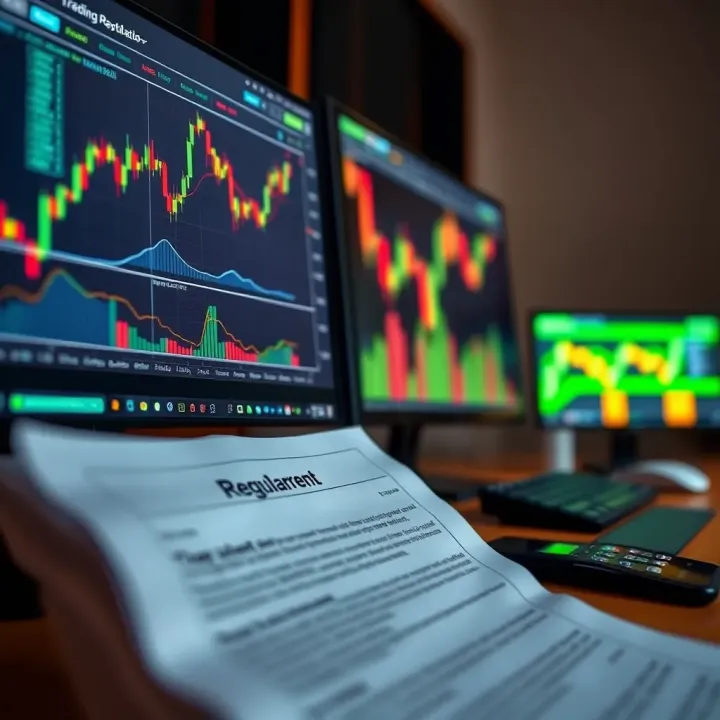
Explore top forex training in South Africa 🇿🇦 Learn market basics, regulations, trading skills, and tips to become a confident trader 📈 Start your journey today!
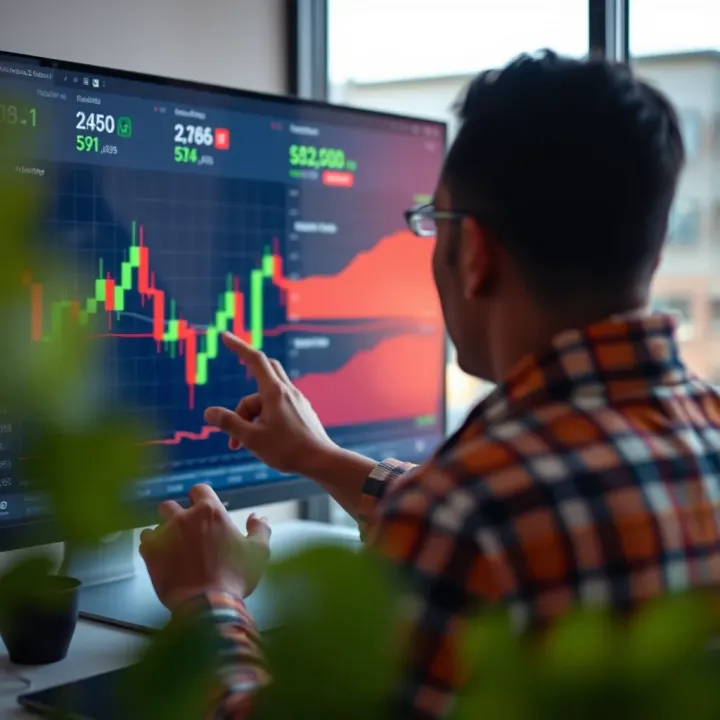
🌍 Start your forex trading journey in South Africa with this beginner-friendly guide covering platforms, strategies, risk management, and regulations. 💹
Based on 14 reviews