
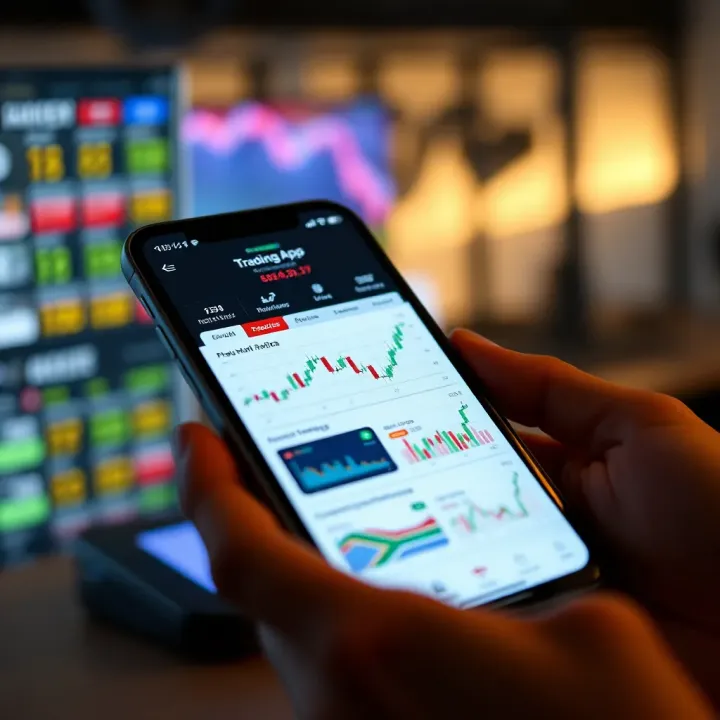
Choosing the Best Trading App in South Africa
Looking for the best trading app in South Africa? 📱 Compare top platforms, fees, security, and features to match your budget and trading style effectively.
Edited By
Emily Carter
Choosing the right trading app in South Africa can seem tricky with so many options out there. But if you focus on what really matters—security, usability, and local relevance—you’ll save hassle and avoid costly mistakes.
Trading apps are your gateway to financial markets, from the JSE (Johannesburg Stock Exchange) to global equities. A good app lets you trade easily while offering real-time data, low fees, and strong security features. Remember, South African market conditions and regulations, such as compliance with the Financial Sector Conduct Authority (FSCA), should guide your choice.

Think about your device: most trading apps support both Android and iOS. Installing from official stores like the Google Play Store or Apple’s App Store is safest. Avoid APK files from unknown sources—they might include malware or infections.
Here’s what you need to look out for:
Broker reputation: Choose apps linked to FSCA-registered brokers, not just flashy interfaces.
Trading fees: Make sure you understand costs like brokerage, spreads, and currency conversion, especially if trading offshore.
Features for your needs: Are you after shares, forex, or CFDs? Some apps focus strictly on local markets, others offer exposure to international assets.
User experience: The app should be intuitive. A cluttered interface or slow load times can cost you money.
Security measures: Two-factor authentication (2FA) and encryption are must-haves.
Local support: Access to local customer service or educational resources helps, especially if you’re new.
Always check recent user reviews for insights on performance and customer service. An app might look good but crumble when you need help the most.
Once you pick an app, prepare for a smooth installation. Make sure your mobile or tablet has enough storage and a stable internet connection—not something all South Africans can count on during loadshedding, so plan accordingly.
By paying attention to these factors, you’ll avoid common pitfalls and get trading with confidence in no time.
Knowing what a trading app is and why it matters can save you a lot of headaches down the line. These apps put the stock market, forex trades, and even cryptocurrencies right at your fingertips. They are designed to help you make informed decisions quickly, without needing to be tied to a desktop or specialist broker.
At its core, a trading app is software you install on your mobile device or tablet that lets you buy, sell, and manage financial instruments. In South Africa, they connect you to markets like the Johannesburg Stock Exchange (JSE), forex pairs, commodities like gold or platinum, and now increasingly, cryptocurrencies such as Bitcoin and Ethereum. The main goal is to give individuals more direct control over their investments.
Unlike traditional trading platforms that usually require access via desktop computers and often involve brokers executing trades on your behalf, trading apps streamline many steps. They let you act instantly, whether you want to place a market order or set stop-loss limits. This immediacy is essential when markets can swing sharply in minutes.
Convenience and access on the go: Trading apps are tailor-made for mobility. Imagine standing in a queue at the post office or waiting for a taxi when you spot a sudden opportunity on the JSE — instead of missing out, you can open your app and place your trade. This flexibility means you don’t have to be stuck at home or in the office to stay on top of your portfolio.
Real-time market updates: Most trading apps provide live pricing feeds and breaking news alerts relevant to your investments. For example, if Eskom announces a new loadshedding stage affecting mining stocks, your app will notify you right away. This helps you respond to shifting market conditions promptly.
Cost-effectiveness compared to brokers: Traditionally, brokers charged fixed fees or a percentage per trade, which could add up quickly for regular traders. Many trading apps in South Africa offer significantly lower commission rates or even zero commissions for some trades, cutting down your overall costs. Plus, they often eliminate minimum account balances, making entry easier for new investors.
Using a trading app doesn’t just mean accessing markets more easily; it also empowers you to manage your investments actively and cost-effectively. Given South Africa’s evolving financial landscape, understanding these tools is well worth your time.
Choosing the right trading app means focusing on features that match your trading style, knowledge level, and security needs. For South African investors, it’s not just about flashy tools but practical ones that keep pace with local market demands and regulations.
A trading app should be straightforward to navigate, especially if you're new to investing. Think of it like driving a familiar car rather than a fancy sports model you rarely handle. Easy menus, clear buttons, and minimal clutter make placing trades or checking prices smooth, helping you avoid costly mistakes.
Many South African traders appreciate apps that let them find JSE shares or forex pairs in just a few taps, rather than getting lost in endless submenus. A complicated interface can lead to frustration, which isn’t something you want when markets shift quickly.
Having control over what you see at a glance helps you focus on what really matters to your portfolio. Good trading apps let you tailor your dashboard to track your favourite stocks, display real-time charts, or monitor price alerts.
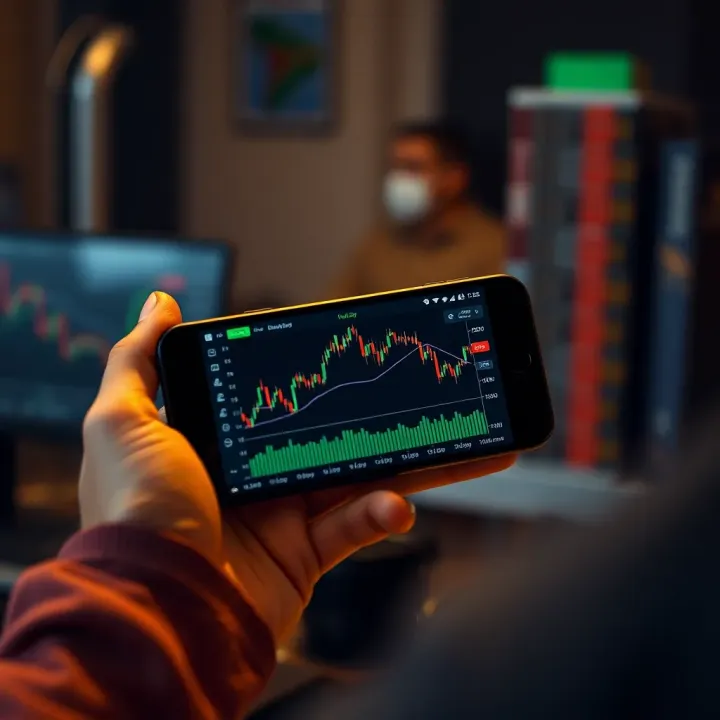
For example, if you’re tracking both JSE-listed mining stocks and cryptocurrency pairs, a dashboard that shows these side-by-side saves you time and keeps your attention where it’s needed. This kind of customisation helps you stay nimble and react faster without drowning in information.
A solid trading app should offer a variety of markets. In South Africa, many investors spread risk across JSE shares, forex pairs like USD/ZAR, commodities such as gold or platinum, and growing crypto assets.
Access to multiple instruments means you can diversify from one platform instead of hopping between several apps. This convenience matters when you’re juggling investments amid shifting exchange rates or global metal prices.
Direct access to Johannesburg Stock Exchange (JSE) securities is critical for local traders. Look for apps that provide real-time JSE data and enable trading in local equities without hassle.
Many South Africans prefer apps linked with brokers approved by the FSCA, so orders get executed promptly and comply with regulatory requirements. Quick access to JSE shares also means catching market moves as soon as they happen, which can affect your returns.
Apps vary widely in how they charge commissions: some offer zero commissions but charge spreads, others have flat fees per trade. Knowing the fee structure upfront helps you calculate if trading frequently or in small volumes is economical.
For instance, a low-fee app might suit beginners making occasional trades, while active traders might look for lower spreads or volume discounts. Keeping fees low in South African rands is especially important given currency fluctuations affecting overall costs.
Be wary of extra fees that may not be obvious, such as withdrawal charges, inactivity fees, or currency conversion costs on offshore assets.
A common pitfall is using apps that charge steep fees when converting Rands to dollars for certain assets without clear disclosure. Checking the fine print avoids surprises and protects your capital.
Strong encryption keeps your data and transactions safe from hackers. Look for apps that employ SSL or equivalent security protocols, which safeguard information as it travels between your device and servers.
This protection is vital in South Africa, where mobile data security can be patchy and cybercrime is a growing concern. An encrypted connection means your trades, personal information, and payment details stay private.
Trading apps regulated by the Financial Sector Conduct Authority (FSCA) offer an added layer of safety. These platforms must meet strict rules about transparency, client fund protection, and fair trading.
Using an FSCA-licensed app reduces risks like fraud or mismanagement. If something goes wrong, you have a route for complaints or recourse, unlike unregulated apps that operate outside South Africa’s financial safety net.
Always check for FSCA registration before committing your money to any trading app.
Selecting an app with these key features ensures your trading experience stays secure, efficient, and suited to local market realities.
Downloading a trading app might sound straightforward, but following a clear, practical guide can save you from headaches later on. This section walks you through key steps to get your trading app up and running on your device securely and efficiently. Especially in South Africa, where reliable internet can be patchy and security concerns are real, a methodical approach helps you avoid common pitfalls and get trading quickly.
Trading apps are developed mainly for Android and iOS devices, so compatibility is the first thing to check. If you use an Android phone, your device should ideally be running Android 8.0 (Oreo) or higher, as many apps drop support for older versions due to security and performance reasons. On the other hand, iPhone users generally need iOS 13 or later to ensure smooth operation and access to the latest features.
Besides the operating system, your device's hardware matters. A phone or tablet with at least 2GB of RAM and decent processing power will handle real-time market data and app updates without lagging. For example, an older mid-range phone may struggle to display live charts smoothly or handle multiple open tabs within the app.
To avoid malware or counterfeit apps, always download your trading app from official platforms like the Google Play Store or Apple App Store. These stores vet apps for security compliance and updates, reducing the risk of downloading a bogus app pretending to be your broker’s platform.
Avoid third-party websites, email links, or unverified app marketplaces — they can carry apps laced with spyware or designed to steal your personal and banking information. For instance, there was a case where a fake app mimicked a popular South African brokerage but harvested login details within days. Sticking to official sources keeps your account safer.
South African law requires RICA (Regulation of Interception of Communications and Provision of Communication-Related Information Act) and FICA (Financial Intelligence Centre Act) compliance when you sign up for trading accounts. This means you’ll need to submit copies of your ID, proof of address, and sometimes income details before you start trading. While this may feel like a hassle, it protects you from fraud and ensures the platform meets regulatory standards.
Once your account is approved, enable two-factor authentication (2FA) without delay. This extra layer of security requires a code from your phone or email each time you log in, making it much harder for hackers to access your funds even if they get your password. Many trading apps now support 2FA via authenticator apps like Google Authenticator or SMS codes. It’s a simple step but can save you a world of trouble.
Securing your trading app from the get-go – from device choice to proper account setup – means you can focus on trading without constantly worrying about your data or funds.
Following these steps will get your trading app ready for the South African market conditions and regulatory environment, paving the way for a more confident start.
Starting your journey with a trading app requires more than just downloading it. You need to understand how to fund your account properly, perform fundamental trading actions, and keep an eye on your investments. These steps form the foundation of successful trading and help avoid common pitfalls.
When funding your trading account in South Africa, you'll mostly encounter options like EFT (electronic funds transfer), credit or debit cards, and popular mobile wallets such as SnapScan or Zapper. These local payment methods are convenient and cater well to everyday banking habits, making it quick to deposit money and start trading. Ensuring the method you choose supports instant or near-instant transfers means you won’t miss out on timely market moves.
EFTs are one of the safest ways to fund your account, especially with South African banks like FNB, Standard Bank, or Absa supporting fast payments. Keep in mind, some platforms might require your EFT to come from an account in your name to comply with South African financial regulations. Mobile wallets, on the other hand, offer added convenience for smaller deposits or frequent top-ups — perfect if you want to keep your trading budget flexible without logging into your bank app each time.
Once you've funded your account, the first practical step is placing trades. Most apps support market orders, which execute immediately at the current price, and limit orders, where you specify the price you want to buy or sell at. For example, if you want to buy shares in Sasol but only at R300, you’d set a limit order at that price. This way, trades only happen under conditions you set, protecting you from sudden price swings.
Risk management is essential in trading. Stop-loss orders allow you to limit potential losses by automatically selling an asset once it falls to a certain price. Similarly, take-profit orders lock in gains by selling when your asset hits a target price. For instance, if you bought shares at R290, you might set a stop loss at R270 to avoid deep losses, and a take profit at R320 to secure your profit. Many apps allow you to link these orders together, helping you automate your trading based on your risk appetite.
Keeping tabs on your investments is easier when your trading app sends alerts. These can notify you of price movements, order executions, or important market news. For instance, if your favourite JSE stock suddenly drops 5%, an alert lets you react quickly instead of finding out later through delayed research. Setting custom alerts tailored to your trading goals helps you stay proactive.
Most trading apps offer reports summarising your portfolio’s performance over days, weeks, or months. These insights can highlight which stocks have done well, show your overall profit and loss, and break down fees incurred. By regularly checking these reports, you can spot trends and adjust your strategy accordingly — such as cutting losses on underperforming shares or increasing holdings in steady winners. This process makes your trading more intentional and less based on guesswork.
Starting well with your trading app means understanding how to fund, trade, and track your investments smoothly. These basics help you trade confidently within the South African market, considering local payment systems and trading options.
Looking for the best trading app in South Africa? 📱 Compare top platforms, fees, security, and features to match your budget and trading style effectively.

📈 Find the best trading app for South African investors. Compare costs, security, features, and local support to trade confidently and efficiently in Rands.
Explore how to choose, download, and use reliable forex trading apps in South Africa 🇿🇦. Stay safe with tips on security and avoid common forex pitfalls 📉📱.
Discover the best free forex trading apps for South African traders 🇿🇦. Learn key features, security tips, app comparisons, and how to boost your strategy 📈.
Based on 11 reviews