
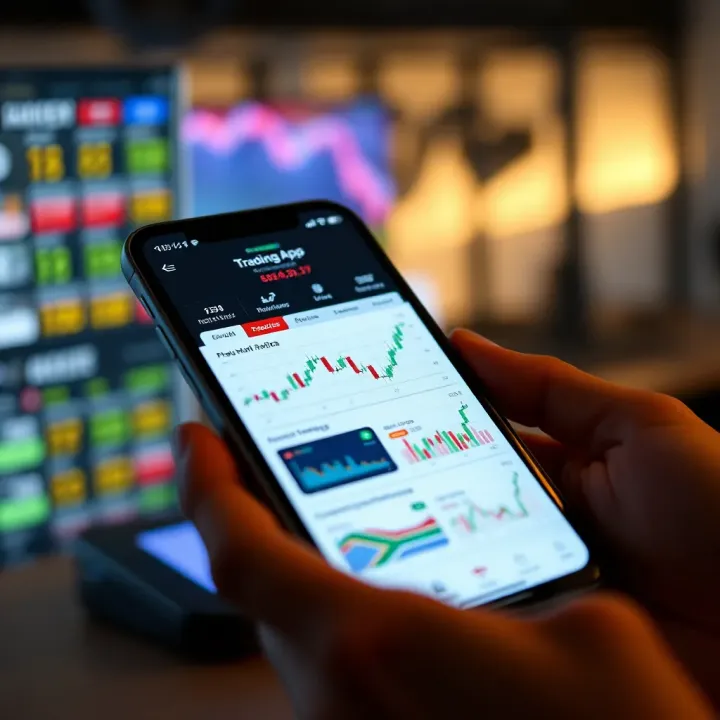
Choosing the Best Trading App in South Africa
Looking for the best trading app in South Africa? 📱 Compare top platforms, fees, security, and features to match your budget and trading style effectively.
Edited By
Ethan Bennett
Trading apps have become the go-to method for South African investors and traders wanting to manage portfolios, buy shares, or even handle forex and crypto on the move. With a variety of platforms available in the market, picking the right one takes more than just scrolling through app stores. You need something that suits your trading style, budget, and local requirements.
In South Africa, trading apps aren't one-size-fits-all. Some focus on low fees, others bring advanced charting tools or strong security measures specifically tailored for local users. Whether you’re after straightforward share trading on the JSE (Johannesburg Stock Exchange) or looking to explore global markets, your choice will shape your trading experience.

Before downloading any trading app, consider what matters most to you: ease of use, costs, security, or access to markets.
South African traders often face unique challenges like the rand-dollar exchange rate fluctuations, data costs, and loadshedding interruptions affecting connectivity. So, a solid trading app will factor in offline alerts, reliable customer support, and clear fee structures in Rands.
Costs and Fees: Many apps offer free sign-up but charge per trade or monthly for access to premium features. Watch carefully for hidden fees like withdrawal charges or inactivity penalties.
Security: Two-factor authentication (2FA) and encryption are top priorities. Make sure the app is licensed by the Financial Sector Conduct Authority (FSCA).
Local Market Accessibility: Confirm the app supports JSE listings if you primarily trade local stocks. Some apps might also offer access to US or European exchanges.
User Interface and Tools: If you’re an experienced trader, advanced charting and real-time data can make a big difference. Beginners might prefer simpler, step-by-step order placements.
South African traders benefit when apps provide support during SA business hours, in multiple languages, and understand the impact of local things like SARS tax deadlines or Eskom loadshedding on trading behaviour.
Having a guide that compares costs, features, and security – with attention to the South African context – ensures you don’t end up with an app that suits someone else’s needs but not yours.
Trading apps have become an essential gateway for South Africans wanting to participate in financial markets. They bring the stock exchange, forex, and cryptocurrency trading right to your mobile device or desktop, making investing more accessible than ever before. Understanding what these apps do and how they serve local investors is key to picking the right one for your needs.
Simply put, a trading app is software that allows users to buy and sell financial instruments—like shares, currencies, or crypto—directly from their mobile or computer. These apps connect to markets globally but also cater to local preferences, such as offering South African Rands as a trading currency and access to JSE-listed shares. They simplify complex trading processes into a few taps or clicks, letting you manage investments without needing a full brokerage setup or visiting an office.
Stock trading platforms focus on buying and selling shares listed on stock exchanges. In South Africa, this means the Johannesburg Stock Exchange (JSE) is a primary target, but many platforms also provide access to international stocks. For local investors, platforms like EasyEquities have grown popular because they allow fractional share purchases, meaning you don’t need tens of thousands of rands upfront to invest in big companies.
These apps often provide additional features like dividend reinvestment options and real-time price updates suited to South African trading hours. They’re vital for everyday investors who want to build diversified portfolios or participate in the growing local equity market.
Forex (foreign exchange) and Contracts for Difference (CFD) apps offer a different approach. Rather than owning the asset outright, you’re speculating on price movements of currencies, commodities, indices, or stocks. Forex trading in South Africa attracts those looking to capitalise on currency volatility, especially given rand fluctuations against the US dollar or euro.
CFD platforms like IG Group or XM Trading cater to more active traders who want flexibility with leverage and short-term positions. While offering high potential returns, these apps demand a sound understanding of risk and often impose stricter regulatory requirements, making it important to choose a platform compliant with the Financial Sector Conduct Authority (FSCA).
Cryptocurrency trading apps have surged, driven by growing interest in assets like Bitcoin and Ethereum. Platforms such as Luno, VALR, and Binance have become household names in South Africa, providing straightforward ways to buy, sell, and store digital currencies.
Crypto exchanges cater to a different investor profile, with 24/7 trading and higher volatility compared to traditional markets. For South Africans, they also offer a hedge against rand depreciation and open some doors to blockchain-based investments not available elsewhere.
Trading apps have shifted investing from traditional brokers and physical offices to digital-first experiences. Now, anyone with a smartphone can start investing during their commute or over a weekend braai. This has broadened participation beyond the wealthy elite, creating a more inclusive market environment.
Moreover, apps have introduced educational tools and demo accounts that build investor confidence. The rise of fractional shares, zero-commission trades on some platforms, and direct rand funding options have all helped remove barriers previously faced by South African investors.
With the right trading app, complex market access is now at the fingertips of many South Africans — something unthinkable just a decade ago.
In South African context, these apps also help counter challenges like limited local financial literacy and the inconvenience of international brokers who may not support Rands or ringfence local regulatory protection.
Trading apps bridge the gap between global markets and everyday South Africans, empowering people to grow their wealth under local conditions. Being familiar with their role and types can put you in a much stronger position to choose a platform that fits your trading style and goals.
Choosing a trading app in South Africa means zeroing in on features that make trading straightforward, secure, and suited to your needs. The local market’s quirks—like the rand’s volatility or loadshedding interruptions—shape what you should prioritise. Let’s break down the essentials.

If an app feels like a maze, you’ll probably avoid it. A clean, intuitive interface matters, especially if you’re newer to trading or need to act quickly on your mobile. Look for apps that make searching for stocks, checking your portfolio, and placing trades simple. For instance, EasyEquities has an uncluttered design that South Africans rave about. Accessibility also means the app should run smoothly on various devices and handle spotty mobile signals common outside major cities well.
Costs chip away at your returns, so it’s wise to scrutinise them upfront. Check for upfront fees, commission per trade, and spreads—the difference between buy and sell prices. Some platforms like FNB Share Investing might have higher minimum deposits, while others offer near-zero fees to get started. Also, keep an eye on withdrawal charges or inactivity fees. Remember that lower costs don’t always mean better—balance fees with service quality.
Trading apps handling your money and data should comply with the Financial Sector Conduct Authority (FSCA) regulations and secure your details tightly. Apps must use encryption and two-factor authentication (2FA) to protect accounts. VALR, popular for crypto trading, is FSCA-approved and regularly audited, giving traders peace of mind. Avoid apps without clear regulatory backing—it’s a red flag.
Your app should offer the kind of assets you want to trade, whether local JSE-listed shares, international stocks, forex pairs, or cryptocurrencies. Some South African apps, like Standard Bank’s WebTrader, provide access to global markets. Finally, watch for how quickly the app updates prices and news—lagging data can cost money.
Good support is non-negotiable. Whether you prefer phone, chat, or email, quick and knowledgeable assistance makes all the difference in a fast-moving market. Educational resources such as articles, webinars, and tutorials tailored to South African trading norms help build your confidence. For example, platforms like IG Group offer localised market insights and learning materials.
Every feature counts when money is on the line. The right combination lets you trade smarter, safer, and on your terms.
Understanding these features will help you sift through the many options and pick a trading app that fits your style and the South African market environment.
In South Africa, the choice of trading app can make a big difference, depending on what you trade and your experience level. Popular apps aren’t just popular because of flashy adverts; they tend to have features that fit local needs — like dealing in Rands, understanding our regulatory environment, or offering specific instruments tailored to SA investors. We'll break down these apps by asset type: stock trading, forex and CFDs, and cryptocurrencies.
EasyEquities has made a name for itself by making stock investing accessible to everyday South Africans. It allows you to buy fractional shares, so you don’t need a hefty lump sum to start. For instance, with just a few hundred rands, you can buy a small portion of a JSE-listed company or a US stock, which suits new traders testing the waters. The app’s interface is simple and straightforward, helping beginners avoid being overwhelmed.
Standard Bank WebTrader targets more seasoned investors who want direct access to the Johannesburg Stock Exchange (JSE) and other markets. Being linked to Standard Bank means your investments and banking are under one roof, making it easier to manage funds. Its features include real-time data, advanced charting, and reliable customer support, which help traders make timely decisions. However, the service sometimes requires higher minimum deposits compared to EasyEquities.
FNB Share Investing is another popular choice for South Africans wanting an integrated experience combining banking and investing. It offers easy fund transfers from your FNB account and access to local and international stocks. The platform offers useful educational tools and research reports tailored to the South African context, helping investors learn while trading. This app is a solid pick for those who prefer convenience with their trading.
IG Group provides South African traders with access to a wide range of global forex pairs and CFDs, including commodities and indices. Its platform is well established, offers competitive spreads, and provides excellent educational support. For local traders, IG’s regulation by the Financial Sector Conduct Authority (FSCA) boosts confidence in its security and compliance.
XM Trading caters to forex traders who are new and experienced. Operating globally but popular locally, it offers flexible leverage options suited to South African risk tolerance. XM’s platform includes demo accounts, making it easier to practise without risking real money. Plus, it offers round-the-clock support, which is handy considering our time zone differences with international markets.
AvaTrade stands out with its focus on user-friendly platforms and robust risk management tools. The app supports multiple trading styles including automated trading, which appeals to those who want to set strategies and let them run. Its transparency on fees and solid customer service make AvaTrade a trustworthy option for SA traders.
Luno has become synonymous with crypto trading in SA, thanks to its local roots and straightforward approach. It allows users to buy, sell, and store Bitcoin, Ethereum, and other popular coins directly in Rands. The app’s strength lies in its simple interface and local customer support. Luno also complies with South African regulations, which adds peace of mind.
VALR offers a broader range of cryptocurrencies and trade types compared to some local competitors. Besides the usual coins, you can explore token swaps and DeFi options. VALR’s competitive fees and fast transaction speeds attract more active traders. It also supports deposits via instant EFT, which suits SA users looking for speedy access to their funds.
Binance is a global giant that South African investors often turn to for extensive cryptocurrency options and advanced trading features. While it is not based in South Africa, many locals use it for its deep liquidity and broad coin listings. However, users should remain cautious about regulatory aspects and consider combining Binance with local wallets or apps for withdrawals and deposits.
Choosing the right app depends on your trading style, goals, and comfort with the platform’s features. Popularity reflects trust and usability but always weigh fees, security, and local relevance before committing.
By examining these platforms, you can find an app that fits your budget, experience, and investment goals without getting bogged down by complexity or unexpected costs.
Selecting the right trading app goes beyond pretty interfaces or flashy adverts. It's about matching the app’s features and costs with your personal trading style and goals. South African investors often juggle local market nuances, data costs, and security concerns. Getting this decision right saves time, avoids unnecessary expenses, and helps build confidence in your trades.
Your trading app should fit where you are in your journey. If you're a beginner aiming to build a simple portfolio, platforms like EasyEquities are user-friendly and offer educational tools. More experienced traders might look for advanced charting, faster execution, or forex capabilities. For instance, an investor focused on short-term forex trades would need an app like IG Group, which provides deep liquidity and sophisticated order types.
Knowing your goals also means deciding if you want to focus on local stocks, cryptocurrencies, or a mix. A straightforward app that supports the JSE and US markets suffices for diversified portfolios, but if you're keen on crypto, VALR or Luno might serve you better. Understanding this upfront weeds out clutter and narrows choices.
Fees can quietly eat into your gains, so scrutinise trading costs carefully. Watch out for commissions, spreads, withdrawal fees, and minimum deposits — they vary widely. For example, EasyEquities offers zero commission on fractional shares but charges fees on currency conversion, which matters if you invest internationally.
Balance costs against benefits like mobile alerts, research reports, or access to exclusive IPOs. Don’t overlook hidden charges such as inactivity fees or limits on the number of free trades monthly. South African traders should also consider the exchange rate layers when dealing with foreign assets, as these can add unexpected costs.
Nothing beats hands-on experience. Many reputable apps offer demo accounts with virtual money to practise without risking actual cash. Standard Bank WebTrader’s demo lets you explore live market conditions and order types, which is invaluable for gauging app responsiveness and ease of use.
Using these trials helps uncover bugs, latency issues, or confusing interfaces early on, saving frustration later. It's particularly useful if you trade from a mobile device while commuting or during brief breaks from work.
Mobile data costs in South Africa can be significant, especially for heavy users. An app that hogs data through constant live updates or video tutorials can rack up your bill quickly. Look for apps that buffer data efficiently or allow you to customise update frequency.
Offline features also come in handy when coverage is spotty, such as during travel through rural areas or load shedding. Apps that save charts or allow order placement offline can keep your trades on track without needing constant internet.
Think practically — your ideal trading app fits with how you live, trade, and spend. It’s not just about what the app offers but how it serves you in everyday trading conditions in South Africa.
Trading through mobile or desktop apps demands a sharp focus on safety and efficiency, especially in South Africa where unique factors like regulatory compliance, data costs, and market volatility come into play. The right habits can shield you from common pitfalls like fraud, losses from poor decisions, or technical missteps. Knowing how to protect your data, understand regulatory safeguards, and navigate risks makes your trading both safer and smarter.
Your personal details and bank information are the keys to your trading account, so guarding them is non-negotiable. For instance, always use strong, unique passwords and enable two-factor authentication (2FA) whenever available. Don’t store login credentials on your device or share them with others. Beware of phishing attempts—never click on suspicious links promising guaranteed returns or asking for your trading app details.
Regularly update your trading app and mobile operating system to patch security holes. If you lose your phone or suspect unauthorised access, contact your broker immediately. Also, use secure Wi-Fi networks rather than public hotspots, which are prime grounds for data interception. Apps like EasyEquities and Luno provide clear steps within their platforms to help users secure their accounts—take advantage of these guides.
South Africa’s trading environment is governed by regulatory bodies to protect investors and maintain market integrity. Knowing these organisations helps you choose trustworthy platforms and avoid rogue operators.
The FSCA oversees financial services providers, including trading apps, in South Africa. It monitors compliance with laws designed to protect investors from unethical practices. When you select an app regulated by the FSCA, you gain assurance that it adheres to standards on transparency, reporting, and client fund protection.
For example, if a platform claims to be FSCA-registered, you can verify this on their official register. This reduces the risk of falling victim to scams promising unrealistic profits. The FSCA also enforces rules against insider trading and market manipulation, crucial for fair trading.
While the FSCA handles conduct regulation, the South African Reserve Bank (SARB) manages financial stability and currency control. SARB's role includes overseeing payment systems and ensuring that banks and authorised institutions handle funds responsibly.
For traders, this means that deposits you make on trading apps linked to registered financial institutions come with the backing of SARB’s regulatory oversight. This reduces the risk of losing funds due to institutional failure. Moreover, SARB sets exchange control rules, which impact how you can transfer money internationally for trading forex or offshore assets.
Risk management starts with understanding that not all trades will be winners. Don’t trade with money you can’t afford to lose. Set stop-loss orders to limit downside on each trade, and avoid chasing losses by doubling investments impulsively. For instance, a new trader using MTN Share Investing should avoid placing large bets after a sudden upswing without solid analysis.
Keep emotions in check; impulsive reactions often lead to mistakes. Use demo accounts to practise without real money, gradually building confidence and strategy discipline before committing significant capital.
South African markets react to both global trends and local events like interest rate changes by the South African Reserve Bank or political developments. Tune into sources like business news from Fin24 or Moneyweb for timely updates. Traders using apps like Standard Bank WebTrader can integrate news feeds to stay informed.
For example, if the SA Reserve Bank announces a repo rate adjustment, expect currency and stock market shifts impacting your trades. Similarly, local corporate results and mining sector news often move market prices.
Staying informed with accurate local data helps you make decisions grounded in real circumstances rather than speculation.
Keeping these tips in mind will help you trade more safely and effectively in South Africa's dynamic environment. Protect your details, understand the regulations behind your platforms, manage risk wisely, and keep a close eye on the local market pulse.
Looking for the best trading app in South Africa? 📱 Compare top platforms, fees, security, and features to match your budget and trading style effectively.
Discover the best free forex trading apps for South African traders 🇿🇦. Learn key features, security tips, app comparisons, and how to boost your strategy 📈.
📊 South African investors: Discover how to pick the top trading app with insights on platforms, features, security, costs & user experience. Make smart trades today!
Learn the fundamentals of forex trading 📈. Get practical tips on strategies, risk management, and market factors tailored for South African traders 🇿🇦.
Based on 11 reviews