
Key Forex Trading Terms Every Trader Should Know
📈 Master forex trading terms from pips to margin calls in South Africa. Boost your confidence, make smart trades, and navigate the market like a pro!
Edited By
Sarah Mitchell
A forex trading account manager is someone you hire to manage your foreign exchange (forex) trades on your behalf. They handle the buying and selling of currency pairs, aiming to make profitable moves while minimising losses. Many South African traders consider using a professional manager to navigate the fast-moving forex market without dedicating hours daily.
These managers typically work either independently or for brokerage firms. They analyse market trends, economic data, and geopolitical events to make informed decisions. Instead of executing trades yourself, you hand over the reins—this can save time and bring expertise, especially if you’re new or don’t have the resources to monitor the market constantly.
Keep in mind, managing a forex account involves risks. Even skilled account managers face uncertain markets, and past results don’t guarantee future profits.
Forex account managers usually connect to your trading account via a trading platform that supports copy trading or direct access, like MetaTrader. You’ll give them permission to trade using your funds, with agreed limits on risk and trade size. You remain the legal owner of your funds.
Managers charge fees in different ways:
Fixed management fee: A set percentage of your account balance, charged monthly or quarterly.
Performance fee: A cut of the profits earned, often around 20%.
Combination: Some ask a smaller monthly fee plus a performance fee.
Understand these fees clearly before agreeing, as high costs can eat into your returns.
Professional expertise: Managers bring experience and analytical tools that you might lack.
Time-saving: They handle trades, freeing you from monitoring currency fluctuations daily.
Diversification: Some managers specialise in different currencies or strategies, spreading risk.
Choosing unreliable or unlicensed managers can lead to scams or poor trading performance.
Conflict of interest if a manager prioritises fees over your returns.
Lack of transparency about trades, strategies, and risks.
When picking an account manager, check their track record, licensing, and reviews. Platforms that adhere to South African financial regulations add a layer of security but always do your homework.
Understanding what an account manager does will help you decide if handing over your forex trading account suits your investing goals and appetite for risk. The next step is knowing how to pick a trustworthy manager and set realistic expectations about earnings and risks.
A forex trading account manager takes on the responsibility of managing your forex trades with the aim of growing your investment. For South African traders, whose time or expertise might be limited, an account manager can handle the day-to-day trading operations, potentially improving returns while reducing personal involvement. This role is especially relevant when navigating volatile currency markets, where timely decisions and ongoing attention can make a huge difference.
An effective manager acts not just as a trader but as a strategic partner. They analyse market trends, execute trades, and adapt to changing conditions, all while considering your risk tolerance and investment goals. Choosing the right manager means understanding what they actually do, their level of involvement, and how their approach fits your personal strategy.
An account manager's core duty is to oversee and operate your forex account in your stead. This involves setting up the trading platform, ensuring funds are allocated according to your instructions, and making trade decisions without needing your daily input. Think of it like handing your vehicle keys to a trusted driver who knows the best routes; you still own the vehicle, but they handle the steering and speed adjustments.
For example, a South African investor who works full time and can't monitor forex prices constantly might use an account manager to ensure trades happen at optimal moments, based on market moves and economic indicators such as interest rate changes or geopolitical shifts.
Managers don’t just place trades randomly—they base their decisions on thorough market evaluation. They monitor global events, economic data, and technical charts to identify currency pairs poised for profit. For instance, a manager might act when the rand weakens due to local economic data, adjusting trades to protect capital or capture gains.
This professional insight means trades are timed better than the average retail trader might manage, saving clients from emotional or impulsive trading mistakes.
Risk management is a vital part of a manager's role. They continuously evaluate exposure, using stop-loss orders or hedging strategies to shield your capital during turbulent times. If the rand suddenly falls under pressure from load shedding-related economic concerns, a skilled manager will adjust positions or reduce leverage to limit losses.
Adapting strategy as markets shift sets pro managers apart from DIY traders who might stick stubbornly to one plan even when conditions change. This agility can help protect your investment over the long run.
In discretionary management, the account manager trades on your behalf with full authority to make decisions. You entrust them to act as they see fit, based on agreed risk parameters. This suits investors who prefer hands-off dealings, relying fully on the manager’s expertise.
Conversely, advice-based management means the manager provides recommendations, but you decide which trades to execute. This keeps you in control but requires a good grasp of forex trading to act on advice appropriately.
Understanding this difference is crucial. For instance, a busy professional might opt for discretionary management to free up time, while experienced traders might want advice-based setups to stay involved.
Signal providers send trade alerts—buy or sell recommendations—which you can choose to follow. It is a more passive arrangement but demands vigilance on your side to act promptly. Copy trading takes this further, automatically mirroring a professional trader’s positions in your account.
A South African trader might use copy trading to follow a manager with proven results, especially when lacking time or expertise. Both methods reduce the need for constant market monitoring but still expose you to risks if the signal provider or trader errs.
Working with an account manager can save time and potentially improve results, but it’s vital to understand their role and management style before committing funds.
Choosing the right forex trading account manager can make or break your trading experience. In South Africa, where forex markets can be volatile and regulations strict, picking a reliable manager is key to protecting your capital and aiming for reasonable returns. The process goes beyond just the fees or flashy past profits; it involves verifying their track record, checking legal compliance, and understanding all contract details.
A solid track record isn’t just about showing profits on paper—it requires clear evidence of consistent results over time. Check if the manager uses verifiable third-party platforms like Myfxbook or FX Blue to publish their trade history. For instance, a manager claiming 30% annual returns should ideally show monthly details, including losing periods, to prove they withstand market ups and downs. Beware of cherry-picked results or vague reports that can hide risky behaviour.
Simply looking at returns can be misleading if you ignore the risk taken to achieve them. Risk-adjusted metrics like the Sharpe ratio or maximum drawdown measure how much risk the manager exposed your capital to. A manager with 20% returns but a massive drawdown might not be better than one delivering 15% returns with controlled losses. For example, a manager consistently limiting drawdowns to under 10% while making steady profits shows better risk management.
In South Africa, the FSCA regulates entities offering financial advice and trading services to protect investors. A credible account manager should be registered or at least operate under a registered entity complying with FSCA rules. This compliance provides some consumer protection, ensuring managers adhere to fair conduct and transparency. Ignoring FSCA oversight can expose you to scams or unregulated practices common in forex trading.
It’s important to know whether the manager offers discretionary trading—making trades on your behalf—or merely provides trade signals that you can choose to follow. The FSCA tends to regulate discretionary managers more strictly since they directly control client funds, whereas signal providers may have lighter oversight. This distinction affects accountability and risk, so clarify the management style before committing your funds.
Account managers usually charge either a fixed monthly fee or performance-based fees, or sometimes a combination. Performance fees align interests, as the manager earns only when you profit, often around 20% of gains. Fixed fees, however, might be monthly regardless of performance, which can hurt you if the market is slow. For example, a manager charging R5,000 monthly without profits could erode your capital. Understand the fee types carefully to avoid unpleasant surprises.
Many managers require a minimum investment, sometimes R50,000 or more, to start managing your account. These thresholds can exclude smaller traders but often relate to operational costs and regulatory compliance. Also, some contracts include lock-in periods preventing early withdrawals, which might limit your access to funds during tough times. Always review these clauses thoroughly before signing, as they affect your liquidity and flexibility.
Choosing a forex trading account manager is not just about chasing high returns—it's about balancing trust, transparency, and realistic expectations within South Africa's regulatory and market environment.
By focusing on verifiable performance, regulatory compliance, and clear fee structures, you can make better choices that protect your investment and align with your trading goals.
Using a forex trading account manager can offer several noteworthy benefits, especially for those who lack the time or expertise to navigate constantly shifting currency markets themselves. These professionals bring specialised knowledge and experience to help manage trades effectively. For South African traders juggling work and daily life demands, this can be a huge advantage—they can access complex strategies without having to follow the markets minute-by-minute.
A key benefit is tapping into professional analysis and trading strategies. Account managers typically study market trends, economic indicators, and geopolitical developments that influence currency pairs. For instance, a manager might spot early signals of rand volatility due to anticipated changes in SARB (South African Reserve Bank) interest rates or political events. Their insight means trades can be more timely and based on extensive research rather than gut feeling.
This expertise also involves using technical and fundamental tools that most retail traders find hard to master. Such analyses help identify entry and exit points, reducing guesswork. Consequently, clients can benefit from a level of market savvy that boosts potential returns while keeping an eye on risk.
On top of that, account managers save you heaps of time. Instead of having to sit through economic data releases or scour charts for hours, you can rely on your manager to keep an eye on things. For many South Africans who have full-time jobs or other commitments, this alone justifies hiring a manager.
Another advantage lies in risk controls that professional managers apply. They often use tools like stop-loss orders, which automatically close trades if losses reach a certain point, protecting your capital during sudden market swings. Imagine the rand dipping sharply during a change in Eskom load-shedding policies; a quick stop-loss could limit losses that might otherwise have spiralled.
Moreover, managers typically diversify across various currency pairs to spread risk. Instead of betting heavily on just USD/ZAR, they might also trade EUR/USD or GBP/ZAR, smoothing out potential losses in one pair with gains in another. This diversification guards against shocks caused by specific economic events affecting only one set of currencies.
Well-managed risk is just as important as chasing profits in forex trading. With a qualified account manager, your investment is guided by strategies designed to balance opportunity and caution.
By combining expert knowledge with prudent risk management and diversification, a forex trading account manager can provide a more steady and less stressful path through currency trading's rougher waters.
Choosing to entrust your forex trading account to a manager carries several risks and limitations, which need careful consideration before signing any agreement. While professional managers can offer expertise, trading on your behalf exposes you to factors beyond your control. Knowing what to watch out for reduces unpleasant surprises and helps you to make informed decisions aligned with your investment goals.
Risk of poor trade decisions or mismanagement: Even experienced forex account managers can make mistakes. Markets move fast and unpredictably, and a wrong call could wipe out a significant portion of your capital. For example, a manager might fail to adjust strategies quickly during news events, leading to losses. There’s no guarantee they always act in your best interest, especially if their remuneration favours taking excessive risk. This underscores the importance of checking a manager’s track record for consistency and risk controls.
Lack of transparency and hidden fees: Some account managers may not provide full clarity on how fees or commissions are charged. Hidden costs could include unexpected withdrawal penalties or mark-ups on spreads outside your normal trading accounts. Poor transparency means you may only discover these charges after your returns have eroded. Ensure any manager you consider is upfront about their fee structure, ideally putting all terms in writing before you commit.
Understanding limitations during high volatility: Forex markets can turn volatile with little warning, for instance around geopolitical developments or sudden economic shocks. Even skilled account managers are limited by the speed and magnitude of such moves. Risk management tools like stop-loss orders may not always trigger at desired levels due to slippage or gaps, exposing your account to larger-than-expected losses.
Potential for capital loss despite management: Hiring a forex account manager doesn’t guarantee profits or protect you from losing money. Managed accounts are subject to the same market risks as self-directed trading. Consider this: a spike in USD/ZAR during unexpected political turmoil could lead a manager’s positions into negative territory rapidly. Saving you time and stress doesn’t mean your capital won’t take a hit, so ensure you’re comfortable with the level of risk involved.
Remember, no forex trading account manager can eliminate risk entirely. Your choice should be based on transparent communication, realistic expectations, and a manager’s demonstrated ability to handle diverse market conditions.
By weighing these risks carefully, you stand a better chance of partnering with a forex manager who matches your tolerance and investment objectives, rather than signing up for surprises that leave you frustrated or worse, out of pocket.
Choosing a forex trading account manager is just the first step. To protect your investments and ensure your money works as intended, you need to actively monitor and evaluate their performance. Without a solid system to track progress, it’s easy to miss warning signs like creeping losses or strategies wandering off course. This section highlights key markers to follow and tips on maintaining open communication with your manager.
ROI tells you how much profit, or loss, your investment has made over a specific period. For example, a 10% ROI over six months indicates positive performance, but it's important to put that in perspective based on the risk taken. Conversely, drawdown measures the decline from a recent peak value before the account recovers. A 20% drawdown means your account lost a fifth of its value temporarily. Tracking both helps you gauge whether returns justify the risks. If drawdowns are larger or more frequent than promised, this signals caution.
Regular results following a clear, communicated strategy matter more than occasional big wins. If your manager says they follow a long-term trend-following approach, but your account balance swings wildly day by day, something might be off. Consistency shows discipline and control, important qualities during volatile market conditions. Keep an eye on performance reports and ask whether trades align with the agreed strategy, especially when outcomes deviate from expectations.
Good managers provide ongoing updates on your account’s status. This may be weekly or monthly reports covering trades executed, profit and loss, and market outlook. Transparency also means you can see fees and commissions clearly, avoiding surprise charges. For instance, some South African traders expect detailed statements via email or through secure online portals. Lack of communication reduces your ability to respond quickly to issues or changing market conditions.
Clear, timely updates aren’t just about staying informed—they’re your best defence against costly surprises.
If you notice troubling patterns or want to change your risk tolerance, open dialogue with your manager is key. Raise specific questions—like why certain trades were chosen or how risk limits were applied. A trustworthy manager welcomes feedback and explains adjustments. For example, you might want to limit exposure to volatile currencies during peak loadshedding periods. Agreeing on revisiting the strategy helps keep your goals aligned and prevents misunderstandings.
In short, active monitoring builds trust and safeguards your capital. Track the right numbers, insist on clear communication, and don’t hesitate to speak up when things seem off. This approach gives you greater confidence in your forex trading journey.
📈 Master forex trading terms from pips to margin calls in South Africa. Boost your confidence, make smart trades, and navigate the market like a pro!
Looking to trade forex in South Africa? Discover which banks offer the best accounts, low fees, easy transactions, and strong support for your currency trading journey 💹
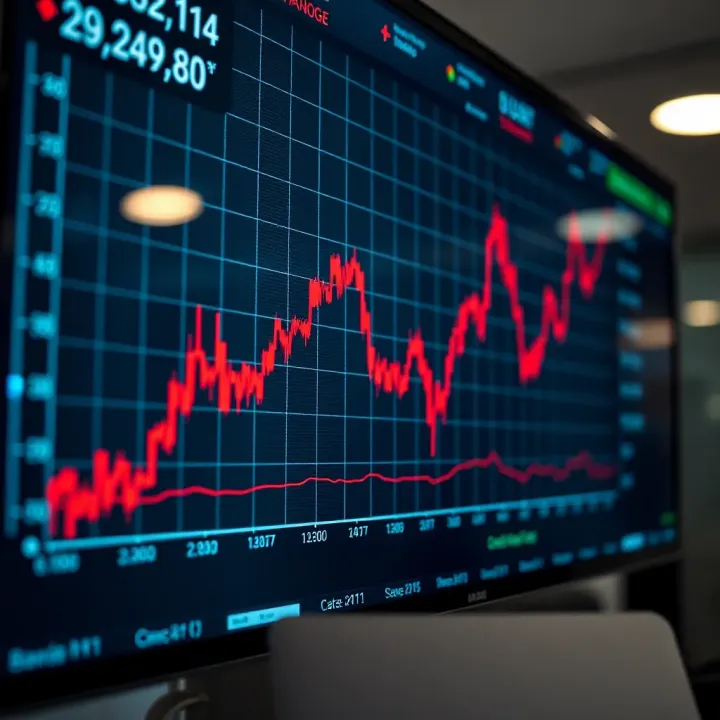
📈 New to forex trading? Learn key terms, market basics, practical strategies & risk steps to start trading confidently in South Africa’s forex scene today!

📈 Explore forex trading competitions in SA 🇿🇦: learn how they work, win prizes, manage risks, and apply smart tips tailored to local traders 👩💻💡
Based on 10 reviews