
Understanding Forex Trading for South African Traders
💱 Learn practical forex trading tips tailored for South African traders. Understand market basics, strategies, risks, and essential tools to trade confidently.
Edited By
Sophie Reynolds
Forex trading platforms serve as the bridge between you and the global currency markets. Picking the right one can make a noticeable difference to your trading experience, especially here in South Africa where factors like regulation, fees, and ease of use weigh heavily.
These platforms provide the tools needed to buy and sell currencies, analyse charts, and execute trades in real time. They vary widely—from simple mobile apps for beginners to advanced desktop software packed with technical indicators for seasoned traders.
When selecting a forex platform, focus on four main areas: user-friendliness, cost structure, security measures, and regulatory compliance.
User-friendliness is key. Platforms like MetaTrader 4 (MT4) and MetaTrader 5 (MT5) remain popular here due to their clear interface and widespread broker support. Meanwhile, platforms like TradingView offer excellent charting capabilities with social features that allow traders to share insights and strategies.
Fees and spreads differ significantly. Some platforms offer super-tight spreads but charge commission fees, while others incorporate the cost into wider spreads. For instance, local brokers might present competitive spreads but add withdrawal fees, whereas international platforms could have different fee structures altogether.
Security can't be overlooked. Look for platforms regulated by authorities such as the Financial Sector Conduct Authority (FSCA) in South Africa or comparable bodies abroad. Encrypted connections, two-factor authentication, and segregated client funds are all practical security features you want.
Regulatory compliance impacts not only safety but also ease of deposits and withdrawals. South African traders often prefer brokers and platforms fully compliant with FSCA rules, as this avoids issues with RICA (Regulation of Interception of Communications and Provision of Communication-Related Information Act) and local banking.
Popular platforms cater to a broad range of trader needs:
MetaTrader 4 (MT4): Classic choice, solid for forex and CFD trading.
MetaTrader 5 (MT5): Enhanced features including more asset classes.
cTrader: Known for intuitive interface and advanced order types.
TradingView: Excellent for charting and social trading.
ZuluTrade: Focuses on copy trading and automation.
Understanding what fits your trading style and goals is crucial. Whether you prefer manual trading or automated strategies, quick market access or deep technical analysis, the right platform supports your decisions effectively.
This introduction lays the groundwork before we explore specific features, platform types, and key considerations tailored to South African traders in the sections to follow.
Gaining a solid grasp of forex trading platforms is essential for anyone keen to trade currencies effectively. These platforms form the backbone of your trading experience, acting as the gateway between you and the volatile foreign exchange (forex) market. Knowing how they work and what to expect from them helps you avoid pitfalls and spot good trading opportunities sooner.
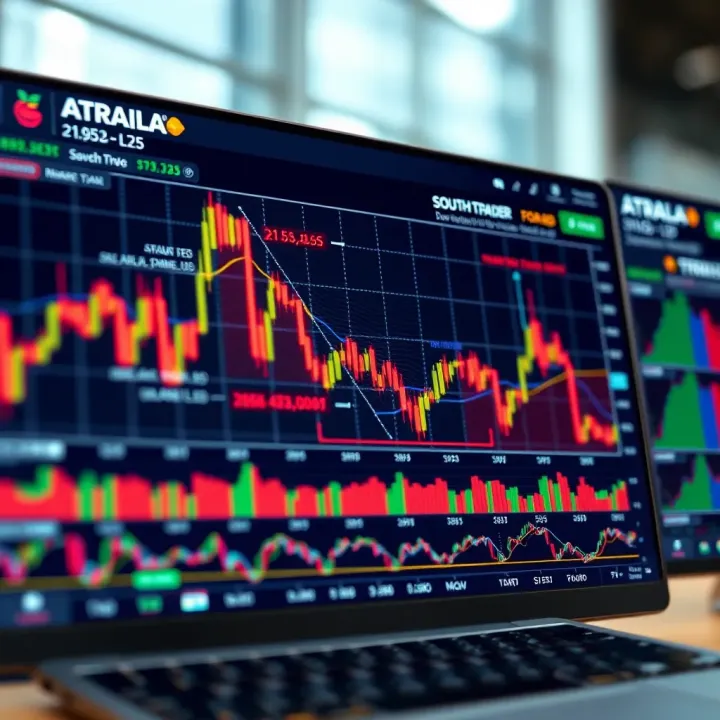
A forex trading platform is software that facilitates the buying and selling of currencies. It's more than just an interface; it provides real-time price quotes, access to market news, charting tools for technical analysis, and order execution capabilities. For instance, imagine you want to trade the rand against the dollar — the platform lets you view live exchange rates, monitor market trends, and place orders instantly.
At its core, the platform's role is to connect traders with the forex market and brokers. It handles all the technical aspects like order routing and trade confirmations, thus allowing traders to focus on their strategies and decisions. For example, when a trader spots a favourable opportunity to buy euros, the platform processes that trade with the broker, executing it as quickly as possible to lock in the best price.
A forex trading platform is specialised software designed to enable currency trading. Its main purpose is to provide traders with the tools and information needed to analyse the market and execute trades.
These platforms collect and present live market data, allow trade placement, and manage order execution. Popular platforms like MetaTrader 4 and 5, widely used in South Africa, offer both basic and advanced functionalities, suiting a variety of trading styles.
The platform acts as the trader's bridge to the market. Without it, manual currency trading would be impractical given how fast prices change.
It ensures timely order execution, important for capitalising on short-term price movements. The platform also maintains a record of your trades, balances, and account performance, which helps in managing risk.
Desktop platforms are installed software on a personal computer. They typically offer robust features, fast execution speeds, and advanced analytical tools.
For example, MetaTrader 4 is a popular desktop platform among South African traders for its customisable charts and automated trading capabilities. These platforms suit traders who prefer a more immersive trading environment and stable internet connections.
Web-based platforms operate within a browser, requiring no installation. They are accessible from any computer with internet access, providing convenience for traders who switch devices or trade from multiple locations.
An example is the web version of cTrader, which offers strong charting and order management tools. While slightly less powerful than desktop software, they still provide sufficient features for many trading strategies and don't tie you to one device.
Mobile apps allow trading on smartphones and tablets, offering flexibility to trade on the move. These apps support real-time prices, chart analysis, and order execution.
For instance, the MT4 and MT5 apps are widely used in South Africa, letting traders spot and act on market movements even during a commute or braai with friends. While mobile platforms may have fewer tools than their desktop counterparts, their accessibility is a big advantage for active traders.
Choosing the right platform type depends on your trading habits, technical needs, and lifestyle. Understanding these differences makes selecting a forex platform less daunting and more aligned to your needs.
Choosing the right forex trading platform means keeping an eye on certain key features. These give you the tools and safety needed to trade effectively without surprises. From how easy the platform is to use, to its costs and security, each aspect can influence your trading success.
Customisability: A platform with customisability lets you arrange charts, tools, and data the way you want. This matters because every trader has a different approach. For example, a swing trader might want bigger charts and more indicators, while a scalper prefers quick access to trade buttons. Platforms like MetaTrader 5 allow users to save templates and set hotkeys, saving time and easing daily trading tasks.
Accessibility across devices: It’s no use if your trading platform only works on your desktop when you’re out and about. Most top platforms today offer access via desktops, web browsers, and mobile apps. With this flexibility, you can check market moves on your phone during a bakkie ride or make quick trades from your laptop at home. Such accessibility also means your trading isn’t restricted to office hours or one location.
Charting and technical analysis: Solid charting tools are the backbone of forex trading. Look for platforms that provide diverse chart types, multiple timeframes, and a wide range of technical indicators like RSI, MACD, and Bollinger Bands. For instance, cTrader is praised for its advanced charting capabilities, enabling traders to spot trends and entry points quickly. Good charting helps you make informed decisions, rather than guessing.
Market news and alerts: Staying updated with market news can change your trades from good to great. Some platforms integrate real-time news feeds, economic calendars, and price alerts. For example, having immediate notification of a surprise interest rate decision could save you a big loss or nab a quick profit. Alerts keep you in the loop, so you don’t miss chances even when not glued to your screen.
Encryption standards: Secure platforms protect your data and funds through encryption protocols like SSL (Secure Socket Layer). This keeps sensitive information—such as login details and transaction data—from prying eyes. Imagine making a deposit at a local bank without a safe door; that’s exactly the risk without strong encryption.
Regulatory compliance in South Africa: Trading on platforms regulated by bodies like the Financial Sector Conduct Authority (FSCA) adds an extra layer of safety. These platforms must meet strict rules designed to protect traders from fraud and malpractice. If a platform is FSCA-licensed, you know your money is in safer hands compared to unregulated offshore providers.
Spread and commissions: These are direct costs affecting your bottom line. The spread is the difference between buying and selling prices. A tight spread means you pay less to enter and exit positions. Some brokers charge additional commissions on top of spreads; others include all costs in a slightly wider spread. For example, a spread of 1.2 pips on the EUR/USD pair is typical for many South African brokers, while others aim lower to attract active traders.
Deposit and withdrawal charges: Apart from trading fees, watch out for costs when putting money in or taking it out. Platforms often charge for electronic transfers, especially international ones. Some also delay withdrawals or require minimum amounts. To avoid frustration, choose brokers that offer free or low-fee transactions, with clear withdrawal timelines. For South African traders, using payment methods like EFTs or credit cards from local banks often helps reduce costs.
When it comes to forex trading platforms, the devil is truly in the detail—each feature matters and influences your overall experience and profitability.
Selecting a platform that ticks these boxes gives you a clearer shot at trading success without getting bogged down by annoyances or risks. Keep your trading style, goals, and local conditions in mind as you compare features.
Choosing the right forex trading platform is a cornerstone for success, especially in the South African context where local conditions and broker availabilities influence options. Popular platforms have gained traction because they combine user-friendly features, reliable execution speeds, and integrations suited for South African traders. This section highlights some of the best-known platforms, focusing on their practical strengths and how they fit into local trading needs.
Features and suitability: MetaTrader 4 (MT4) and MetaTrader 5 (MT5) remain the go-to platforms globally and here in South Africa. MT4 is known for its simplicity, robust charting tools, and extensive library of Expert Advisors (EAs) for automated trading. MT5 builds on this with more timeframes, additional order types, and an integrated economic calendar. Both platforms cater well to beginner and intermediate traders thanks to their extensive educational support and active user communities.
Broker compatibility: These platforms are widely supported by South African brokers such as IG, HotForex, and EasyEquities, offering smooth integration for trading ZAR-based accounts and access to local banking methods for deposits and withdrawals. The native compatibility with multiple brokers means traders can easily switch brokers without having to learn a new trading platform, which is a significant convenience.
Interface and functionality: cTrader offers a more modern interface with a focus on user customisation and sophisticated charting tools. It is designed to cater to traders who want visual clarity and quick access to advanced order types such as stop-limit and partial fills. The platform supports level II pricing (depth of market), which is especially useful for scalpers and day traders looking for price transparency.
Ideal user profile: cTrader suits experienced traders who demand high-speed execution and detailed order management. While it also works for motivated beginners, its depth and features are most appreciated by those actively trading or employing algorithmic strategies.
Copy-trading overview: ZuluTrade and similar social trading platforms allow users to follow and copy the trades of seasoned forex traders automatically. This appeals to South African beginners or those without the time to monitor markets continually. Real-time syncing means traders can mirror strategies while keeping control over account size and risk.
Risks and benefits: The upside is clear — novice traders can learn through observation and potentially earn while doing so. However, risks involve blindly following poor trades or misunderstanding strategy suitability, so it’s important to vet signal providers carefully and maintain appropriate safeguards.
Examples from South African brokers: Many local brokers like EasyEquities, ThinkMarkets, and Revolution Money offer their own custom platforms tailored to South African client needs. These platforms often integrate local payment gateways, provide ZAR trading accounts, and include features for dealing with local regulations.
Unique advantages: Proprietary platforms may offer perks like lower fees, better direct customer support, and tailored educational resources focused on South African markets. Such platforms can also provide faster withdrawals and deposits using familiar local methods without currency conversion or international transfer delays.
Popular forex platforms differ in features but share the aim of enabling traders in South Africa to engage with global currency markets efficiently and securely. Selecting one depends on your trading style, experience, and whether local integration matters most.
This clear understanding of these platforms will help you match your trading approach with the best available tools.
Choosing the right forex trading platform is fundamental for a successful trading experience. The platform you pick affects how smoothly you execute trades, the tools at your disposal, and ultimately, your trading results. Since traders’ needs vary widely, understanding your own goals and level of experience helps narrow down those choices. Plus, safety and reliability can never be overlooked given the risks of scams and unregulated brokers.
Your trading goals play a major role in deciding the most suitable platform. Beginners benefit from platforms with simple interfaces and educational resources, such as MetaTrader 4, which offers demo accounts and easy charting tools. They need straightforward tools to get a grip on forex basics without getting overwhelmed.
Experienced traders, on the other hand, often require advanced analytics, automated trading capabilities, and tighter spreads. Platforms like cTrader or MetaTrader 5 cater well by providing robust order types, algorithmic trading, and deep customisation. So think about whether you want to trade occasionally or more actively; that will shape your platform choice.
Regulation by bodies such as the UK’s Financial Conduct Authority (FCA) or South Africa’s Financial Sector Conduct Authority (FSCA) offers significant peace of mind. These regulators enforce rules on transparency and client fund protection. For example, FSCA-regulated brokers in South Africa must comply with local laws designed to protect traders from fraud.
A platform linked to a reputable broker with proper regulation reduces the risk that your money might disappear overnight. Many scam brokers lure traders with flashy promises but vanish when it comes to withdrawals. Always check whether the broker is registered with the FSCA and look for warnings or blacklists before committing.
One of the smartest steps you can take is to use demo accounts. These allow you to practise trading with virtual money on most platforms without risking a cent. This is a handy way to familiarise yourself with platform menus, charting features, and order execution in a risk-free environment.
Beyond practicing trades, demo accounts help you learn if the platform’s layout suits you. For instance, some platforms may feel clunky on a mobile device but work flawlessly on desktop. Tinkering on a demo prevents nasty surprises when you switch to real money. It’s a trial run before you commit.
Trying before buying is not just good advice for braai equipment or a new bakkie—it's essential when selecting a forex platform that you'll use daily.
By combining your trading goals with careful attention to regulation and hands-on practice, you stand a better chance of choosing a forex trading platform that truly fits your needs and protects your interests.
💱 Learn practical forex trading tips tailored for South African traders. Understand market basics, strategies, risks, and essential tools to trade confidently.
📊 Explore forex trading signals tailored for South African traders. Learn how to spot reliable signals, manage risks, and boost your currency trading results effectively.

📚 Explore top forex trading schools in South Africa! Learn what to expect, avoid common pitfalls, and gain skills for smarter trading success. 💹
Explore top forex trading schools in South Africa 🇿🇦, learn how to pick the best course, navigate regulations, and boost your trading strategies 📈.
Based on 14 reviews