

Risks of Binary Options for South African Investors
⚠️ Thinking of binary options? Discover why they pose high risks, lack transparency, and can impact your finances in South Africa. Stay informed and protect your money!
Edited By
Oliver Mitchell
Binary options demo accounts offer a risk-free way to practice trading without using real money. For South African traders keen on binary options, these demo platforms simulate live trading conditions, allowing you to understand how the markets move and how different strategies play out.
Unlike real trading accounts where your own cash is on the line, demo accounts use virtual funds. This lets you experiment boldly, try various asset classes like stocks, currencies, or indices, and get comfortable with the trading interface before committing financially.
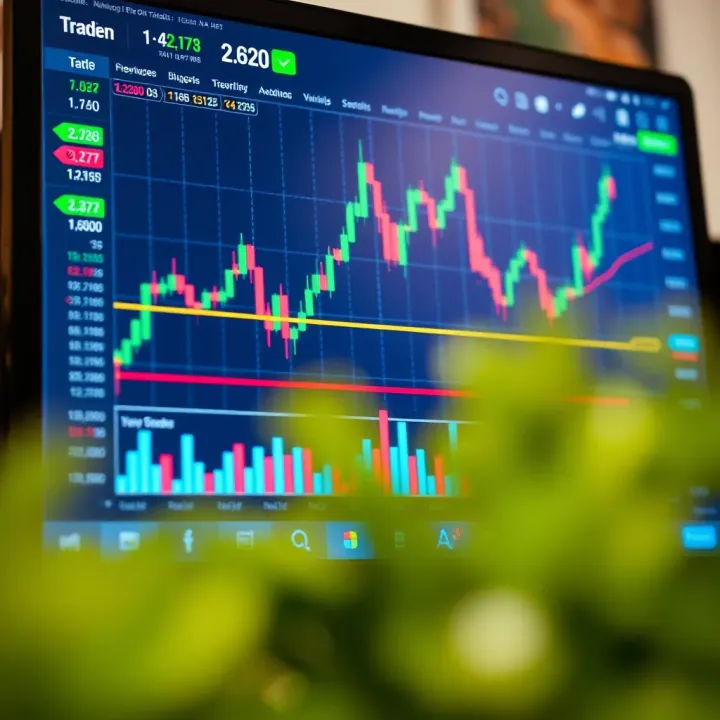
Remember: a demo account isn’t just a training ground – it’s where you can test your trading plan, understand market timing, and sharpen decision-making skills without fearing losses.
Most platforms in South Africa offer free access to demo accounts after a quick sign-up process. You’ll find familiar features such as charts, expiry times, and payout percentages. For example, if you predict the price of a JSE-listed stock will rise over the next hour, you place a call option in the demo environment to see the outcome.
Using a demo account helps build discipline — you learn the rhythm of trading and avoid emotional mistakes that often cause real financial damage. It’s also a way to explore automated trading options or signal services without financial risk.
That said, conditions in demo accounts sometimes differ slightly from live markets, such as delayed prices or easier payouts. So while a demo account is invaluable for learning, transitioning to real-money trading requires adapting to the small but significant differences.
In short, for South African investors exploring binary options, demo accounts provide an essential foundation. They empower you to build confidence, understand the mechanics, and prepare for the legal and financial responsibilities before stepping into live trading. Whether you are a beginner or refining your skills, these accounts are your stepping stone to more informed, effective trading.
A binary options demo account serves as a risk-free environment where traders can practise buying and selling binary options without staking real money. Given that binary options trading involves predicting whether an asset's price will rise or fall within a set time, new traders can lose substantial funds quickly if they jump in unprepared. A demo account removes this financial pressure, helping users become familiar with market movements and trading mechanics.
Put simply, a demo account is a simulated trading platform that replicates live binary options trading but uses virtual funds. Its main purpose is to educate new traders and let them experiment with different strategies without the fear of losing cash. For instance, a beginner in Johannesburg might use a demo account loaded with R10,000 virtual funds to practise trading shares like Sasol or Naspers. This practical exposure builds the trader's confidence and understanding of how payouts work.
Moreover, demo accounts can be invaluable for experienced traders too. They provide a space to test new approaches or get comfortable with unfamiliar trading platforms before committing real money. This is especially useful in South Africa where brokers’ interfaces and regulations might vary.
A demo account effectively bridges the gap between theoretical knowledge and actual trading practice, making it a vital tool for anyone entering the binary options landscape.
Demo accounts strive to mirror real trading conditions as closely as possible. They incorporate live market data, so asset prices fluctuate exactly as they do in the actual markets. That means if the JSE sparks a rally or the rand shifts against the dollar, your demo trades reflect those moves.
Besides real-time pricing, reputable demo accounts also replicate key features such as trade expiry times, payout rates, and interface design. This means you’ll place trades, watch the timer tick down, and observe potential profits or losses just like in live trading. For example, if you decide to trade the binary option "Will Old Mutual’s share price be above R20 at 3 pm?", the demo account handles it identically to a live account, except you’re using virtual funds.
Since some South African brokers adapt their platform layouts or add localised features, demo accounts help traders get accustomed to these nuances. However, a demo cannot perfectly mimic the emotional stakes of risking real cash, which often influence decisions.
Ultimately, a demo account acts like a flight simulator for trading—a safe zone to test skills without the downside of real losses, preparing South African traders for live markets with confidence.
Binary options demo accounts offer a safe space to learn trading without ever risking your hard-earned Rand. For South African traders who are new to the scene, these demo accounts provide a valuable opportunity to understand how the market works before jumping into live trades. Imagine practising your braai skills on a small fire before hosting the full feast — demo accounts are just like that for binary options trading.
Using a demo account lets you explore trading without any financial consequences. You trade with virtual money, so even if your first few trades go south, your wallet stays untouched. This is particularly helpful given the volatile nature of binary options — where predicting asset price movements within a set time can be tricky. For instance, new traders can practise following the movements of popular assets like gold or the US Dollar (USD) to South African Rand (ZAR) exchange rate without worrying about losses. This risk-free environment encourages experimentation and learning from mistakes, building a strong foundation.
Demo accounts allow you to test different trading strategies in realistic conditions. Whether you want to try trend-following or news-based strategies, you can see firsthand what works and what doesn’t. Over time, this helps build your confidence and sharpens your decision-making skills. South African traders might start by testing how currency moves respond to local events such as SARB announcements or JSE market trends within the demo setup. By simulating these scenarios, you gain a practical sense of timing and risk management before committing real funds.

Every broker offers a unique platform with various tools, features, and user interfaces. Navigating these platforms can be overwhelming for newcomers. Demo accounts let you get the hang of placing trades, using indicators, and managing your account without rushing. For example, you can practise executing trades on platforms provided by brokers popular in South Africa, such as Ayrex or Pocket Option, to understand things like asset selection and expiry times. This hands-on experience reduces mistakes caused by unfamiliarity and helps you trade more efficiently when going live.
The key benefit of a binary options demo account lies in practising under real market conditions but without risking your own money — this combination is essential for developing skills and confidence.
In summary, a demo account acts as your training ground. It helps you learn without loss, try out different methods, and get comfortable with trading platforms. This foundation is especially important in a market that can be fast-moving and unpredictable. For South African traders keen to step into binary options, starting with a demo account is a wise move that sets you up for better chances of success.
Binary options trading has gained traction among South African traders, partly due to its straightforward approach to speculation and the opportunity it offers for quick returns. However, understanding the current landscape in South Africa is essential before diving in. The nature of binary options, combined with local regulations and broker availability, shapes how traders can safely and effectively engage with this market.
South Africa's financial markets fall under the oversight of the Financial Sector Conduct Authority (FSCA), which keeps a close eye on brokers and trading platforms. Binary options products have faced scrutiny due to risks involved and reports of scams targeting local investors. While binary options themselves aren’t outlawed outright, the FSCA has issued warnings about unregulated brokers operating in the country. For example, some popular international brokers might advertise services to South Africans but lack FSCA approval.
Traders must check whether a binary options broker is registered with or authorised by the FSCA before investing real funds. This due diligence helps reduce exposure to fraudulent platforms.
Furthermore, South African traders should be aware of the implications of the Financial Intelligence Centre Act (FICA), which requires brokers to verify identities and monitor transactions to prevent unlawful activities. Complying with FICA not only protects the trading environment but ensures transparency and safety for users.
Although the FSCA does not regulate many binary options brokers directly, several international platforms remain popular among South African users. Brokers such as IQ Option and Olymp Trade offer demo accounts that attract traders looking to practise without risk. These platforms typically provide a localised experience, including support for Rands (ZAR), making transactions easier.
That said, South African traders must exercise caution. Some brokers might have appealing interfaces and marketing but lack proper licences, increasing the risk of unfair practices or difficulties withdrawing funds. A good rule of thumb is to prefer brokers with transparent client agreements, clear fee structures, and active customer support.
It is also worth mentioning that South African banks have tightened compliance on payments to unregulated brokers. Traders using bank transfers or credit cards might encounter additional scrutiny or payment blocks to protect consumers.
Understanding the regulatory backdrop and broker landscape helps South Africans approach binary options trading with eyes wide open. Choosing reputable brokers and staying informed about legal requirements ensures a safer trading experience and better use of demo accounts as training tools.
Selecting the right binary options demo account is essential for South African traders keen on building solid trading skills without risking actual funds. A well-designed demo account mimics live trading conditions closely, which helps you test strategies under realistic scenarios. It ensures you're not thrown in at the deep end when moving to live trades. For instance, an intuitive platform with accurate market data can save you from developing false confidence based on unrealistic trading environments.
A demo account should have a clean, easy-to-navigate interface that doesn't overwhelm you with unnecessary features. Think of it like learning to drive: you want the dashboard to be straightforward so you can focus on the road and controls rather than fumbling with buttons. If the platform is clunky or confusing, you’re likely to waste time and get frustrated – not a good recipe for learning.
South African traders often juggle time between work, study, and family, so an intuitive layout allows quick sessions without feeling lost in the software. Platforms like IQ Option and Pocket Option are examples that offer simple yet functional interfaces suited for beginners and more experienced users alike.
To get the most out of a demo account, it should replicate live market conditions as closely as possible, including real-time price movements and typical market volatility. Otherwise, your experience will be like practising for a marathon in perfect weather and then running the actual race in a storm.
For example, if the demo account delays price updates or smooths out market swings, you won’t learn how to handle sudden changes—a common occurrence in South African markets affected by factors like fluctuating rand values or unexpected news events. A good demo account offers a no-filter taste of the wild ride ahead.
You want enough virtual funds to try different strategies without constantly worrying about running out. If your demo balance is too small, you might get stuck in too narrow a trading style or risk running out of "money" before you've had the chance to experiment.
In South Africa, where many traders start small, having a sizeable virtual fund in your demo account replicates more realistic trading scenarios. This helps you understand money management and how to pace your trades properly. Some platforms offer up to R100,000 in virtual funds, which is plenty to practice various trade sizes and approaches.
Having access to support and learning resources alongside your demo account is a smart move. Trading binary options involves more than just clicking buttons; you need to know when and why to trade.
A good demo account provider will offer guides, tutorials, videos, and sometimes even webinars tailored for South African traders. For example, some brokers explain how rand fluctuations and specific economic events impact options pricing, adding valuable local context. Moreover, responsive customer support can clear up technical issues or trading questions quickly, which prevents lost trading time and frustration.
Unfortunately, the binary options space attracts dishonest brokers who prey on beginners. Demo accounts are often part of their trap—promising perfect conditions initially but sabotaging real trades later.
To avoid these scams, stick with brokers regulated by reputable authorities (even if not South African, look for FCA, CySEC, or ASIC), check reviews from genuine South African trader forums, and watch out for red flags like unrealistic guaranteed profits, pressure to deposit immediately, or complicated withdrawal procedures.
Always remember: a genuine demo account should prepare you for realistic trading, not just lure you in with sugar-coated promises. If the demo account feels like a sales pitch rather than a learning tool, best to move on.
When choosing your demo account, trust your gut but back it with research. Practical usability, market realism, proper virtual funds, and solid support separate decent platforms from the questionable ones.
Making the right choice here forms the backbone of your trading confidence and growth in South Africa's binary options market.
Transitioning from a binary options demo account to live trading requires careful preparation. Demo accounts give you the chance to practise without risking real cash, but the live environment brings new challenges that traders need to be ready for. This section covers essential steps to make that switch confidently.
It’s easy to be tempted by the prospect of quick wins once you start live trading, but real markets rarely behave perfectly. Demo trading often feels smoother because there’s no emotional pressure from risking your own money. When you move to real trading, keep expectations in check — losses will happen, and not every trade will win. For example, if your demo account showed consistent profits, remember that in live trading, a series of losses could impact your mindset and decision-making.
Setting realistic goals means planning for steady growth rather than overnight success. Some traders adopt a target of growing their trading capital by 5% to 10% per month, which is achievable with disciplined risk management. Keeping a trading journal to note down why you entered each trade can also help manage expectations and improve your skills.
One of the biggest risks when starting live trading is overtrading or putting too much capital at risk. A good rule used worldwide — including here in South Africa — is to risk no more than 1% to 2% of your total trading capital on a single trade. This keeps losses manageable and helps you stay in the game longer during losing streaks.
For instance, if you start with R10,000 in your trading account, your maximum risk per trade should be around R100 to R200. This approach prevents emotional decisions driven by fear or greed. Consider dividing your funds between short-term trades and longer-term strategies to balance risk.
Additionally, it’s wise to set aside a portion of your capital for emergencies or trading breaks, especially considering how local factors like Eskom loadshedding can disrupt your online access unexpectedly.
Live trading means ongoing learning; the market never stops evolving. Staying up to date with financial news, market trends, and changes impacting industries in South Africa, like mining or agriculture commodities, is vital. Education also includes refining risk management strategies, such as setting stop-loss orders and using flags or alerts on trading platforms.
Remember, managing emotions is part of risk control. Unlike demo accounts, losing real money affects nerves — and that can lead to rash decisions. Techniques like taking regular breaks, sticking to your trade plan, and not chasing losses help keep this in check.
Transitioning to live binary options trading is a gradual process. Patience, discipline, and ongoing learning form the bedrock of success.
By setting clear expectations, protecting your trading capital, and committing to continual education, you’ll be better equipped to handle the shift from demo to real trading. This careful approach reduces risks and boosts your chances of making consistent profits in South Africa’s unique trading environment.
⚠️ Thinking of binary options? Discover why they pose high risks, lack transparency, and can impact your finances in South Africa. Stay informed and protect your money!
Learn how South African traders can claim free funds 💰 and bonuses to start trading binary options. Tips on offers, broker choices, and risk management included.

Explore how free $100 Forex trading accounts work, their pros & cons, plus tips for South African traders to get started smartly in the market 📊💰
📊 South African investors: Discover how to pick the top trading app with insights on platforms, features, security, costs & user experience. Make smart trades today!
Based on 14 reviews