
Understanding the Risk Management Process
Understand the full risk management process 📊 Explore how businesses identify, assess, control, and monitor risks to safeguard assets and boost smarter decisions.
Edited By
Isabella Green
Risk management is a core part of running any business, especially in South Africa’s unpredictable economic and regulatory environment. Understanding the steps to manage risks helps traders, investors, and financial analysts make smarter decisions and maintain operational resilience despite challenges like loadshedding, policy shifts, or market volatility.
This process isn’t just about avoiding losses; it’s about recognising potential opportunities amid uncertainties. South African businesses, from small SMEs in Soweto to large firms on Sandton’s JSE, all face risks — supply chain disruptions, regulatory changes, or currency fluctuations. Knowing how to systematically navigate these risks shores up management’s confidence.
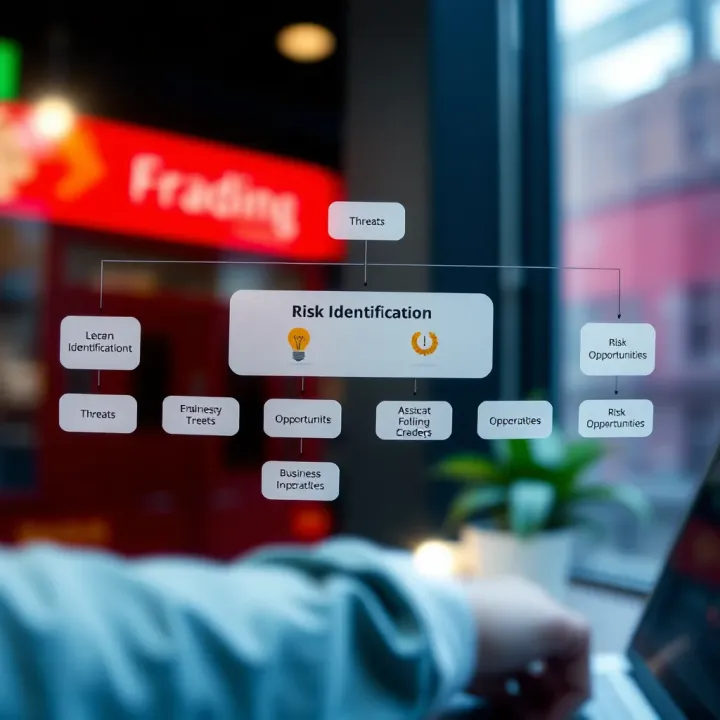
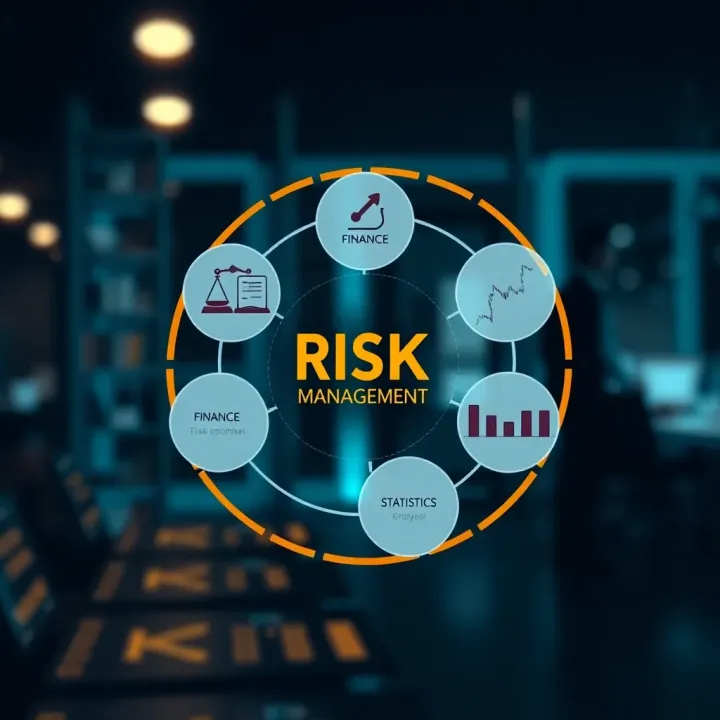
The process unfolds in seven clear steps. Each step builds on the previous one, creating a framework that guides you from spotting risks to controlling them effectively. Let’s briefly outline these steps, with local examples where relevant:
Risk Identification: Spotting hazards or threats that could affect objectives. For example, a Gauteng-based clothing manufacturer might identify the risk of fabric supply delays due to transport strikes.
Risk Analysis: Assessing how likely a risk is and its potential impact. A financial analyst tracking rand fluctuations could rate the risk of a sharp drop impacting foreign investments.
Risk Evaluation: Comparing analysed risks against your business’s appetite. For instance, a Gauteng mining company might accept some labour unrest risk but avoid major safety lapses.
Risk Treatment: Deciding on actions to reduce, transfer, or accept risks. Many retailers use insurance cover or negotiate payment terms to manage credit risks.
Monitoring and Review: Continuously checking risk status and controls, vital during unpredictable loadshedding schedules affecting production.
Communication and Consultation: Keeping all relevant parties informed — from internal teams to regulators — ensuring smooth risk handling.
Recording and Reporting: Documenting risks and responses to enable accountability and learning over time.
Successful risk management hinges on combining a structured approach with practical knowledge of local conditions. South African businesses that apply these seven steps with a hands-on, adaptive mindset better withstand shocks and seize chances.
Understanding these fundamentals sets the scene for deepening your grasp on each step and applying risk management confidently in complex, ever-changing markets.
Risk management is about spotting, understanding, and dealing with threats and opportunities that could affect your business. For traders, investors, and financial analysts, getting this right means staying ahead of surprises that might derail returns or strategic plans. It's not just about avoiding losses; good risk management can unlock better decisions, prevent costly mistakes, and even identify new chances to grow.
At its core, risk management means identifying what could go wrong (or right), measuring how likely these events are, and deciding how to respond. In practice, this could mean assessing currency swings for an importer, evaluating credit risks when lending, or keeping an eye on regulatory changes affecting investments. For instance, a Johannesburg-based investment firm might use risk management tools to balance its portfolio against fluctuating rand exchange rates and local political developments. This helps keep their clients' money safer and their returns steadier.
Risk management isn't just a tick-box exercise; it’s a continuous process that supports smarter, data-driven choices. It blends both defensive moves—like hedging risks or buying insurance—and proactive steps such as diversifying assets or setting limits on exposure.
Without a clear, structured process, risk management quickly becomes confusing or inconsistent. This can lead to missed dangers or overreactions to minor issues. A step-by-step approach helps ensure risks are recognised early and handled consistently. It also promotes accountability, so everyone involved knows their role—from analysts flagging risks to executives making final decisions.
Take the example of a retailer impacted by loadshedding (scheduled power cuts). If there’s no clear plan, losses can pile up from halted sales or spoilage of stock. But with a tested risk process, the retailer can quickly switch to backup power or reschedule deliveries, cutting the impact sharply. This clarity also helps when sharing information with stakeholders, building trust and confidence.
A clear risk management process acts like a roadmap, guiding businesses through uncertainty rather than leaving them guessing.
By starting with a solid foundation in risk management, businesses and individuals in Mzansi can better protect their investments and operations—even amid economic shifts and local challenges.
Spotting risks early on sets the stage for managing them effectively. Without a clear picture of what threats might be lurking, South African traders, investors, and financial analysts could face unexpected losses or missed opportunities. Identifying risks helps you prepare sensible strategies, saving time and money down the road.
South Africa's unique economic and social landscape shapes where risks frequently arise. For example, currency volatility often tosses a spanner in the works for importers and exporters. The rand can shift sharply following SARB announcements or global commodity price changes, impacting portfolios and operational costs.
Besides currency swings, load shedding remains a daily reality for many businesses. An unexpected power outage can disrupt trading systems or delay key financial transactions, sometimes with lasting effects. Political developments, such as changes in regulatory policies or government contracts, also create uncertainty.
Environmental risks shouldn't be overlooked either. Severe drought—common in parts of the Western Cape and Northern Cape—can hit agricultural investments and food supply chains hard. Even infrastructure challenges, like slow customs clearance at ports or logistical bottlenecks, pose risks to businesses reliant on timely deliveries.
Customised risk identification calls for practical methods suited to your sector and scale. Engaging in a regular risk review with your team helps catch fresh concerns or shifts in existing threats. Think of it as a monthly check-up for your risk health.
Risk checklists tailored to South African contexts serve well at this stage. For example, a financial services firm might include partner solvency, exchange controls, and cyber risk as checklist items. Meanwhile, a commodities trader might track geopolitics and weather patterns.
Scenario analysis offers a powerful way to test what could go wrong under different circumstances. Imagine modelling the impact of a sudden rand depreciation or a spike in global oil prices on your holdings.
Another effective approach is tapping into market intelligence tools and news platforms like MyBroadband or Moneyweb for early warnings on potential risks. Combining these with input from seasoned local experts often highlights risks that aren’t immediately apparent.
Identifying risks is not a one-time task but a continuous process. The risks of today might not be the same tomorrow, especially in a fast-changing South African economy.
By focusing on local realities and using hands-on techniques, South African traders and analysts can spot risks before they escalate. This awareness feeds directly into better risk assessment and management decisions, paving the way for more resilient business strategies.
Assessing the impact and likelihood of risks shapes the backbone of effective risk management. Without a solid gauge of how severe a risk might be and the chances of it happening, companies can’t really prioritise their actions or allocate resources properly. For traders and investors dealing with the South African market, which often experiences unpredictable shifts—from currency swings to policy changes—this step separates guesses from informed decisions.
Measuring risk severity means estimating the potential consequences if a risk event occurs, while probability looks at how likely it is to happen. For instance, consider the risk of a sudden load shedding stage affecting a manufacturing business. The severity could be high, as production stops might cost thousands daily, but the likelihood depends on Eskom’s forecasts and regional vulnerability.
Risk severity is often broken down into categories such as minor, moderate, or severe, based on tangible impact like financial loss, reputational damage, or operational downtime. Probability tends to be expressed as percentages or frequency (e.g., once a month, yearly). Traders might quantify risk probability by observing market volatility indices or exchange rate fluctuations, directly linked to investment value.
A widely used tool here is the risk matrix, a grid plotting severity against likelihood. For example, a risk with high probability and high impact would sit in the top-right corner, demanding immediate action. Meanwhile, risks with low likelihood and minor impact might simply be monitored.
Besides matrices, scenario analysis offers value, especially when markets behave unexpectedly. Imagine a scenario where political unrest disrupts logistics chains—analysing specific outcomes helps prepare backup plans. Monte Carlo simulations can also model the probability of risk outcomes across a range of variables, offering a numeric picture for complex financial decisions.
Properly assessing impact and likelihood isn't just a box-ticking exercise. It's about recognising which risks deserve focus and which can be accepted, especially when funds or time are limited.
In a nutshell, traders and financial analysts should combine quantitative models with local insights. Knowing how often gold prices shift or the likelihood of municipal protests affecting deliveries in Cape Town equips you to make wiser choices, keeping both eyes open to what might come around the corner.
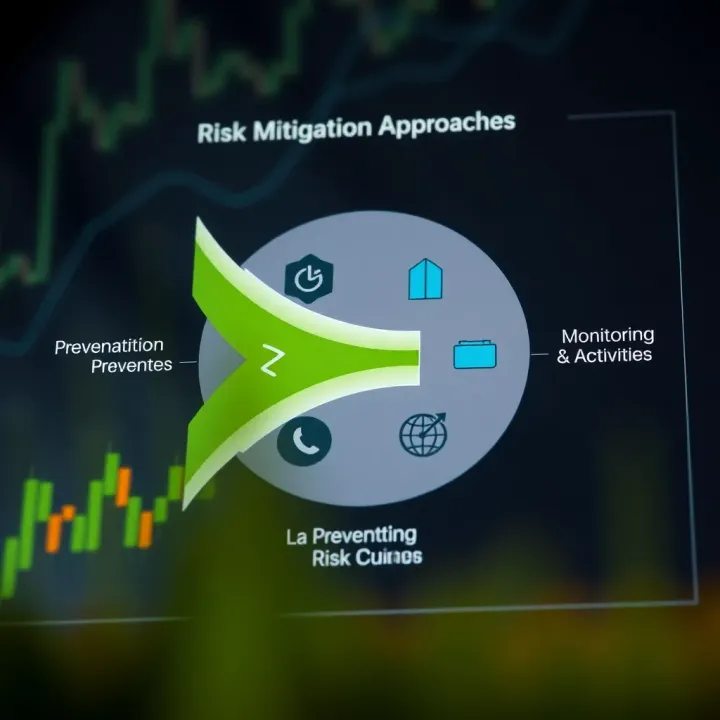
Planning how to handle risks is where the rubber meets the road in the risk management process. After identifying and assessing potential risks, you need a clear plan to deal with them. This step is vital because it translates awareness into action, helping traders and investors shield their portfolios and operations against losses or disruptions. For example, an investor in the Johannesburg Stock Exchange might spot currency fluctuation as a risk and plan strategies to mitigate it before it affects investment returns.
Risk avoidance means steering clear of activities that expose you to certain hazards altogether. It’s about deciding not to engage in ventures that carry too much risk. Practically, this might look like a financial analyst choosing not to recommend a speculative stock that has a shaky track record. Avoidance isn’t always possible — or practical — but where feasible, it prevents the risk from ever becoming an issue.
Risk reduction involves lessening either the likelihood of a risk occurring or its potential impact. This is often the go-to approach because it balances opportunity with caution. A good example is a retail trader diversifying a share portfolio across sectors to reduce exposure to any single industry’s downturn. In a practical sense, risk reduction measures could include hedging strategies or using stop-loss orders to cap maximum losses.
Risk transfer means shifting the burden of risk to another party, usually through contracts or insurance. It doesn't eliminate risk but places responsibility elsewhere. For instance, a small business exposed to equipment theft in Cape Town might buy insurance to cover potential losses. Similarly, a fund manager might use derivatives to transfer market risk. This approach protects assets without completely giving up on opportunities.
Sometimes, risks are simply accepted when the potential loss is small or the cost of mitigating is too high. Accepting risk is a conscious choice that recognises some exposure is tolerable. An investor might accept minor currency fluctuations while operating mainly domestically, understanding that the cost of hedging could outweigh the benefits. However, this should come with clear thresholds and monitoring to avoid surprises.
Selecting a risk handling strategy depends on several factors: the risk’s nature, your capacity to absorb losses, market conditions, and regulatory requirements. No single approach fits all scenarios. For example, a hedge fund with sophisticated tools might lean heavily on transferring risks via derivatives, while a small trader may prefer risk reduction through diversification. Often, mixing strategies offers the best protection — avoiding some risks, reducing others, transferring a few, and accepting minor ones.
Effective risk planning is about knowing which risks to tackle, how hard to push back, and when to step aside. For traders and investors, this balance protects capital and opens doors to opportunity.
Ultimately, good planning makes the difference between reckless exposure and calculated, confident decision-making in South Africa’s dynamic markets.
Putting plans into action is where risk management really starts to show results. It’s no use having a stack of good intentions or detailed frameworks if nothing changes on the ground. This step involves applying the risk mitigation strategies decided in earlier phases — whether that’s tightening controls, investing in infrastructure, or buying insurance.
For example, consider a Johannesburg-based manufacturing company exposed to power outages during Eskom loadshedding. After assessing and planning, implementing risk controls might mean installing an industrial generator or solar power system to reduce downtime. These controls need to be deployed carefully to address the exact risks identified, ensuring they’re practical and cost-effective.
Clear implementation means setting deadlines, securing budgets, and equipping staff with the tools or training necessary to use new procedures or equipment. Without this, even the best-laid plans risk gathering dust.
Turning strategy into reality requires coordination and discipline. Start by communicating the controls to all involved and establishing timelines. Prioritise actions for the most pressing risks. Realistically, not all controls can roll out simultaneously, so break down tasks into manageable chunks and monitor progress closely.
Taking the earlier example, installing a backup energy source may need phased execution: initial installation, testing, staff training, and maintenance scheduling. Regular check-ins on progress prevent delays or oversights and allow quick adjustments.
Remember: Controls must be practical and workable in the specific operational context. Overly complex solutions often fail just because they’re not easy to follow or maintain.
Risk controls don’t implement themselves — clear ownership is essential. Organisations must assign roles that cover who is responsible for putting each control in place, monitoring it, and reporting on its effectiveness.
Typically, senior management drives risk management, allocating resources and setting priorities. Middle managers handle day-to-day execution, ensuring teams follow new processes or operate new tools. Frontline employees have the critical role of being alert to emerging risks and feeding back how controls work in reality.
For instance, in a financial trading firm, the risk team might develop policies to limit exposure, but portfolio managers and traders carry responsibility for sticking to these limits. Meanwhile, compliance officers oversee adherence and escalate issues when controls don’t work.
Successful risk control implementation depends on collaboration and shared accountability. Defining these responsibilities early avoids confusion and ensures everyone plays their part.
In summary, implementing risk controls is the linchpin step where plans meet practice. It requires careful organisation, clear roles, and ongoing oversight to make sure risk reduction doesn’t remain just paper talk but becomes part of everyday operations.
Regular monitoring of risks and the controls in place to manage them keeps your risk management strategy on track. This step ensures that risks don't sneak up or escalate without notice, especially in volatile markets or complex financial environments common in South Africa. Without ongoing attention, previously identified risks may evolve, while new ones can emerge from economic shifts or regulatory updates.
Keeping an eye on risks over time involves routine checks and reporting. For example, a financial analyst monitoring exchange rate fluctuations for companies exposed to imports should track the rand-dollar exchange daily. Similarly, investment traders might review their portfolios weekly to spot changes in market volatility or sector performance that could impact risk levels.
Systematic monitoring requires clear indicators or key risk metrics tailored to the organisation’s context — like credit defaults for lenders or liquidity ratios for investors. Regularly scheduled risk reviews and automated alerts can help catch issues early. Engaging staff responsible for specific risks, such as compliance officers for regulatory changes, ensures everyone stays informed and accountable.
Risk profiles are not set in stone. Changes in business operations, market conditions, or external environments demand fresh risk assessments. Take a Johannesburg-based investment firm that expands into renewable energy assets; it will face new risks like regulatory uncertainties or technology shifts, requiring revised assessments.
When updates occur, existing controls may no longer suffice or need adjustment. For instance, changes in South Africa's tax legislation could affect an investment strategy’s risk posture, prompting updates to compliance processes. Failure to update assessments might result in unmanaged exposures, leading to financial loss or regulatory penalties.
Continuous monitoring and timely reassessment are the backbone of a resilient risk management approach. They keep your strategies flexible and relevant as circumstances evolve.
In practice, this means embedding risk review into daily or weekly operations, using tools such as dashboards or risk registers updated in real time. It's not just a tick-box task but a proactive effort to keep the organisation prepared. Firms ignoring this vital step might find themselves blindsided when unexpected risks materialise.
Ultimately, Step Five helps you maintain a live picture of risk — a necessary weapon when markets shift quickly or new information arises. It is a cornerstone for confident decision-making among investors, traders, and financial analysts navigating South Africa’s unique economic landscape.
Effective communication about risks is often overlooked, but it is a vital part of managing uncertainty in any business. Sharing clear and accurate information about risks ensures everyone involved understands potential downsides, allowing better preparations and quicker responses when problems arise. In the South African environment, where markets and regulations can change abruptly, transparent risk communication helps traders, investors, and analysts stay aligned and avoid costly surprises.
Knowing your audience is the first step in risk communication. At a minimum, key internal stakeholders such as senior management, risk officers, and department heads must be kept up to date. For example, a fund manager should keep the credit risk team informed about new counterparty exposures. Outside the company, certain risks may need sharing with regulators, shareholders, or business partners if they affect compliance or ongoing agreements.
When deciding what to share, focus on information that impacts decision-making. This includes newly identified risks, changes in risk severity or likelihood, and outcomes of recent control measures. Sharing overly technical details with non-specialists can cause confusion, so present data in clear terms with relevant context. For instance, instead of dumping raw data on a load shedding risk, explain how it might affect trading hours or data centre uptime.
Communication about risk should be a two-way street; encourage feedback and questions to uncover blind spots or concerns.
Clear communication requires concise messages, supported by visuals such as graphs or dashboards to highlight key points. Use familiar language free from jargon where possible, especially when addressing investors or board members. Provide actionable insights rather than just stating problems. For example, indicate how a currency fluctuation risk might be mitigated or when it requires urgent attention.
Timing also matters. Regular updates should be scheduled but be ready to issue immediate communications if a significant risk event occurs. Consistent messaging builds trust and keeps everyone on the same page, preventing rumours or misinformation.
Finally, document communications to ensure there is a record for future review or audits. This practice supports continuous improvement by linking risk events and responses over time.
In a nutshell, effective risk communication bridges the gap between identifying risks and managing them successfully. It helps South African traders and investors make informed choices amid local economic shifts and global market trends.
Regularly reviewing and improving your risk management process is what keeps it relevant and effective. This final step involves analysing how well your current risk controls are working, identifying gaps or failures, and making changes to strengthen your overall approach. In a financial context, where markets shift quickly and new risks surface often, skipping this review step can leave you blindsided by unforeseen exposures.
When incidents occur—whether a small financial loss, a system failure, or a missed opportunity—it’s vital to dig into what happened and why. Learning from actual experience sharpens your risk radar and prevents repeating mistakes. For example, if a local investment firm experienced losses due to poor assessment of currency fluctuations amid rand volatility, analysing the incident can highlight shortcomings in their risk evaluation models. This insight allows them to adjust assumptions or add new data points for future assessments.
Conducting incident reviews should be routine and candid. Avoid blaming individuals; focus on process improvements instead. Lessons learnt can be documented and circulated internally through reports or workshops, fostering a culture that values continuous improvement. This approach not only fixes problems but also builds organisational resilience against future shocks.
Risk environments are rarely static. Economic shifts, regulatory changes, technological advances, or even social trends can alter the landscape. For South African businesses and investors, adapting to these evolving conditions is essential. A classic example is how loadshedding periodically disrupts operations and supply chains across industries. Risk management processes must adjust to include backup power solutions or insurance considerations.
Another practical case is the rise of digital banking platforms and fintech services. As financial institutions innovate, new cyber risks emerge. It’s crucial to update risk identification and control strategies accordingly. This might mean investing in cybersecurity training, strengthening data protection, or revising incident response plans.
Continuous improvement means monitoring external changes and reassessing risks accordingly. Holding regular review meetings and involving diverse stakeholders helps spot new threats early on. You could develop a checklist that includes technical, economic, and geopolitical factors relevant to your sector.
Clinging to outdated risk management practices exposes your investments and operations to unnecessary danger. Keeping a finger on the pulse through rigorous review and adaptation equips you to deal with whatever the market throws your way.
In short, Step Seven isn’t just an afterthought. It’s the backbone of a dynamic risk management process that evolves with experience and changing realities, keeping your strategies sharp and responsive.
Understand the full risk management process 📊 Explore how businesses identify, assess, control, and monitor risks to safeguard assets and boost smarter decisions.
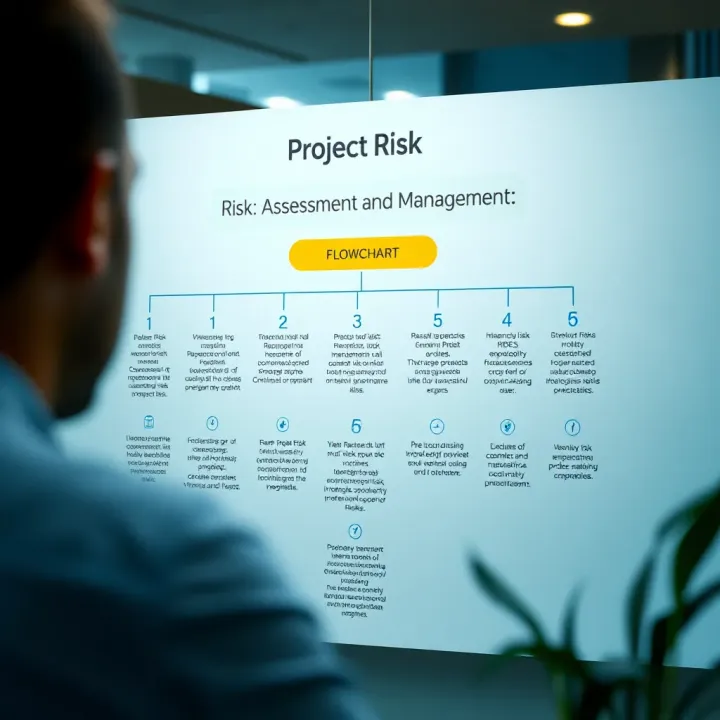
📊 Discover how project risk management helps spot potential pitfalls early, cut costs, improve decisions, and keep resources safe for successful, hassle-free project delivery.
🎓 Explore the BCom in Risk Management in South Africa: course details, key subjects, career paths, and skills to manage local business risks with confidence.
Explore how risk management helps South African businesses spot and tackle threats, improve decisions, and boost success. Stay ahead with smart risk steps! 📊⚖️
Based on 11 reviews