
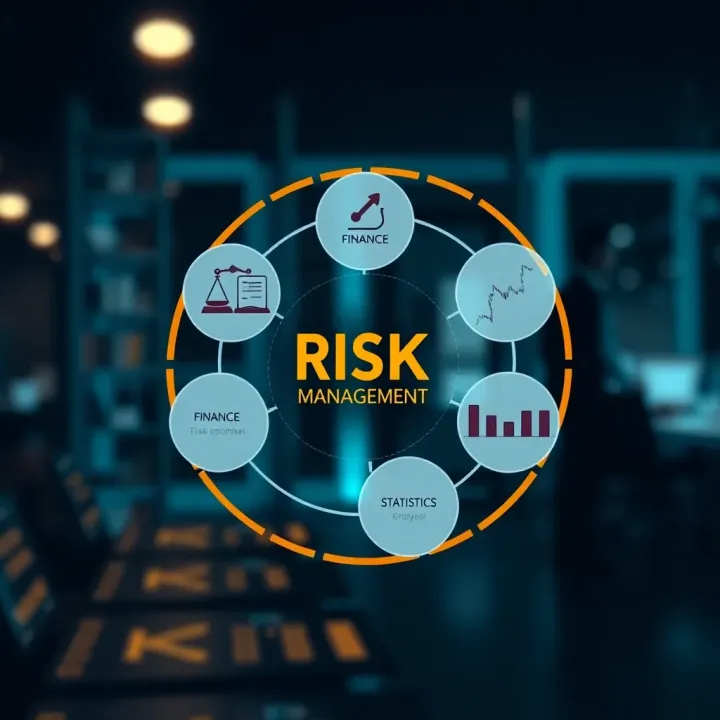
BCom in Risk Management Explained
🎓 Explore the BCom in Risk Management in South Africa: course details, key subjects, career paths, and skills to manage local business risks with confidence.
Edited By
Charlotte Ellis
Project risk management plays a vital role in navigating the uncertainties that every project faces. Traders, investors, and financial analysts can all appreciate how unplanned challenges derail even the most carefully laid plans. Practically speaking, this discipline helps teams identify potential risks early, assess their likelihood and impact, then put measures in place to reduce or avoid those risks.
One clear benefit is cost control. For example, imagine a property development project in Johannesburg where delays in municipal approvals can spike costs dramatically. Risk management highlights these potential hold-ups in advance, allowing better planning and contingency budgeting. This proactive approach often prevents budget overruns or unexpected expenses, saving organisations significant amounts.
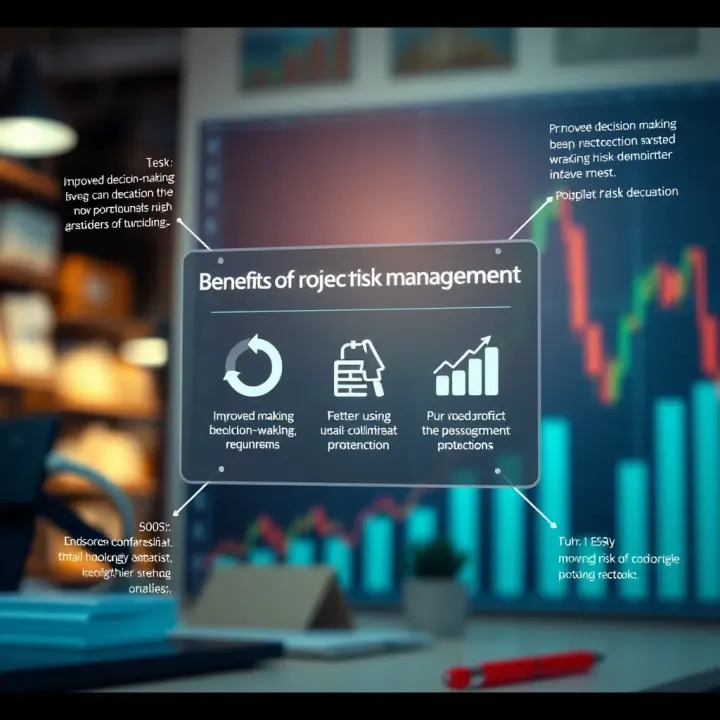
Next is improved decision-making. Financial analysts know how a small change in underlying assumptions can shift investment outcomes. Risk management provides reliable data around possible outcomes, so project leaders don’t base decisions solely on best-case scenarios. Instead, they weigh different risks and rewards, leading to more balanced and realistic strategies.
Furthermore, risk management supports resource protection. Consider a mining project sensitive to equipment failure or labour strikes. Identifying such risks early means companies can secure backup contractors or schedule maintenance to avoid downtime. This minimises resource wastage and keeps projects on track.
Project risk management isn’t just about avoiding problems; it creates a roadmap to keep projects running smoothly, reducing surprises that could jeopardise success.
Some additional benefits include:
Enhanced communication: Teams and stakeholders share a clearer understanding of potential challenges and how to respond.
Increased project transparency: Reporting on risks helps build trust with investors and partners.
Compliance assurance: Keeping tabs on risks also ensures projects adhere to legal and regulatory requirements, reducing fines or sanctions.
In reality, South African projects often deal with unique risks like load shedding, fluctuating exchange rates, or supplier delays. A good risk framework anticipates these factors to safeguard investments.
In sum, project risk management acts like a guiding compass, helping stakeholders spot trouble ahead, manage resources wisely, and make decisions backed by insight rather than guesswork. For traders and investors alike, this approach supports more predictable outcomes and smoother execution, protecting value and building confidence in project returns.
Successful projects rarely happen by chance — they are often the result of careful planning and proactive management. Project risk management is a vital part of this process because it shines a light on potential trouble spots before they become full-blown crises. For traders, investors, and financial analysts who rely on project outcomes, understanding how risk management contributes to success means better confidence in forecasts and investment decisions.
Identifying risks early allows project teams to tackle issues while they're still manageable. For example, if a technology upgrade is planned for an investment platform, early detection of compatibility problems with existing systems limits downtime and avoids major disruptions. This foresight prevents minor hitches from ballooning into costly setbacks, which could shake investor confidence.
Once potential risks are known, developing contingency plans is essential. These plans act as roadmaps for what to do if things don’t go as expected. For instance, a contingency might involve arranging alternative suppliers for critical software licences if the primary vendor delays delivery. Having such plans ensures teams can respond quickly without scrambling, keeping projects on course and reassuring stakeholders.
Unexpected problems often lead to budget overruns, but managing risks well can reduce these surprises. Imagine a financial services firm rolling out a new trading tool — if the project team anticipates vendor pricing increases or technical hurdles upfront, they can allocate extra budget or negotiate fixed costs. This approach keeps the final spending within expected limits, which is crucial for managing investor funds responsibly.
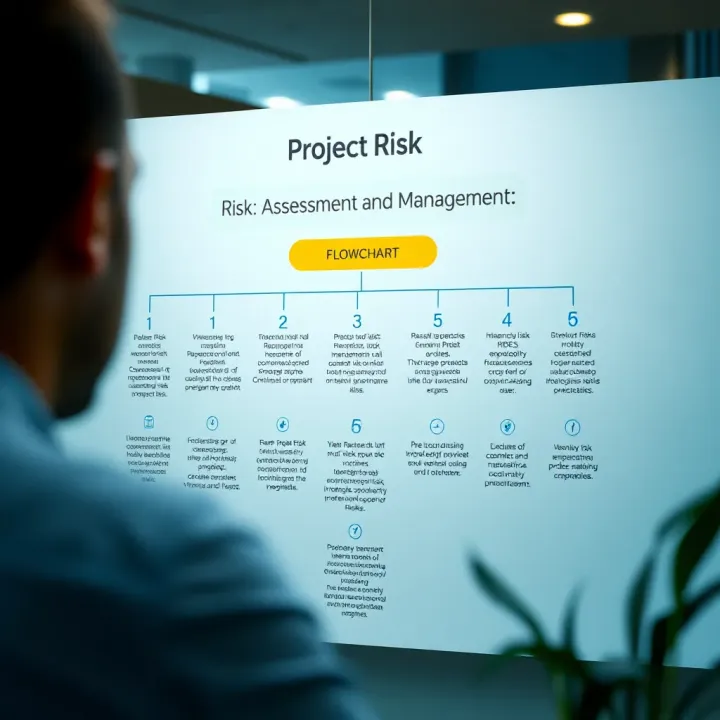
Delays can have a ripple effect, pushing back launch dates and harming market confidence. Risk management helps by identifying schedule risks such as resource shortages or regulatory approval delays early on. For example, a project might build in buffer time for South African Financial Sector Conduct Authority (FSCA) approvals. This flexibility allows the team to handle delays without derailing the entire timeline, ensuring smoother project delivery.
Effective project risk management prevents costly surprises, safeguards budgets, and keeps timelines realistic — critical factors for maintaining trust and delivering value in financial projects.
Together, these practices help projects avoid common pitfalls and deliver results as planned, which ultimately benefits everyone involved from the project team to investors and other stakeholders.
Effective project risk management greatly sharpens decision-making at every stage. When you have clear insight into potential risks, decisions become based on facts and priorities rather than guesswork or reaction. This not only improves confidence among investors and stakeholders but ensures that the project runs more smoothly without costly delays.
Transparency is vital in project environments, especially where financial stakes are high. Sharing clear, concise risk information with stakeholders reduces misunderstandings and builds trust. For example, a financial analyst tracking a construction project can better advise clients when they receive timely updates about site delays or budget risks rather than being caught unawares. Regular risk reporting helps keep all parties on the same page, limiting surprises.
When everyone involved understands the risks, decisions are more coherent and aligned. Project managers and team members can coordinate efforts knowing which challenges require immediate attention and which can wait. Similarly, clients or investors who grasp potential risks are less likely to panic if an issue arises—they anticipate and support corrective measures. In one Johannesburg infrastructure project, regular risk workshops became a routine, helping engineers and financiers align closely on challenges such as supply chain disruptions.
Not all risks are created equal. Resource constraints mean teams must direct time and effort where it counts most. Identifying high-impact risks early ensures that the project allocates its budget and personnel on problems that could derail the entire effort. For instance, a software development team working on a fintech platform in Cape Town prioritised cybersecurity risks after assessing their potential impact, allocating more developers to tighten code security.
Conversely, detailed risk assessments prevent the team from chasing unlikely or low-impact risks. This approach saves time and money. Imagine a retail business expanding its online store: while the risk of a flood affecting the head office is remote, focusing on cyber fraud risks yields better returns on investment. Avoiding wasted resources on improbable dangers keeps projects lean and efficient, ensuring funds are spent where they make a difference.
Clear, well-communicated risk information enables sharper decisions, ensuring project resources are invested wisely and stakeholders stay in the loop throughout the project’s life.
These practices aren’t just good in theory; they make real, measurable differences in project outcomes, especially in South Africa's complex business environment where changes and uncertainties can arise quickly.
Safeguarding resources and maintaining a solid reputation are critical in project risk management. Projects often involve significant financial investment and a workforce whose skills and morale directly influence outcomes. Protecting these assets not only keeps budgets in check but also ensures the project progresses smoothly. Likewise, a good reputation builds trust with clients, partners, and stakeholders, which can affect future contracts and collaborations.
Preventing unnecessary expenses requires careful risk analysis early on. By identifying potential pitfalls, such as fluctuating material costs or supplier delay risks, you can avoid costly surprises that blow the budget. For example, a construction company might secure fixed-price contracts with suppliers after assessing price volatility risks, preventing unexpected cost spikes.
Moreover, accurate risk management helps allocate contingency funds wisely rather than inflating the budget. This disciplined approach reduces financial waste, enabling better cash flow management and increasing a project's chance of staying within financial limits.
Maintaining team morale and productivity is equally important. Risks like unclear roles or unrealistic deadlines can wear down a team quickly. Addressing these early through risk assessment ensures workloads are balanced and expectations clear. In practice, project managers might hold regular check-ins to spot stress points before they affect output.
When teams feel supported and anticipate fewer surprises, they tend to work more efficiently, shaming the pressure that a sudden crisis often brings. This positive environment helps retain skilled workers, reducing the costs and delays associated with staff turnover.
Demonstrating professionalism and foresight shows clients and partners that a project team is capable and reliable. When risk management plans are transparent and well-communicated, stakeholders see the team is thinking ahead rather than reacting chaotically. This was evident in a recent infrastructure upgrade where detailed risk reporting convinced the client to extend the contract for future phases.
Such professionalism reassures clients that their investment is in steady hands, often translating into stronger business relationships and recommendations within the industry.
Ensuring stakeholder confidence in project delivery depends on consistent communication and delivering promises despite challenges. Properly managing risks means stakeholders experience fewer nasty surprises and know updates will be honest and timely.
This confidence can lead to smoother approvals, quicker payments, and a willingness to support scope changes or resource reallocations when necessary. Plus, stakeholders who trust a project team are more patient and cooperative if issues do arise, smoothing the way for solutions without unnecessary conflict.
Effective risk management isn’t just about avoiding problems but actively protecting the people, money, and relationships that fuel project success.
Protecting resources and reputation builds a solid foundation that helps projects survive hurdles and finish strong, fostering confidence and paving the way for future opportunities.
Adapting quickly to changes is a must in today's project environments, especially for traders, investors, and financial analysts where market conditions can shift unexpectedly. Project risk management helps teams stay flexible, allowing them to respond effectively to new developments without losing momentum. This not only protects timelines but also ensures that costs don't spiral out of control when surprises pop up. Being adaptable means projects can keep rolling despite obstacles, and chances of overall success increase as a result.
Responding promptly to emerging risks involves recognising potential issues as soon as they appear. For example, suppose a new regulation hits the Johannesburg Stock Exchange mid-project, affecting compliance requirements. The team needs to quickly assess how this impacts deliverables and adjust without delay. Prompt responses reduce the window where risks can grow into bigger problems, limiting damage and keeping the project on track.
Adjusting plans without major disruption means having contingency steps ready that can be implemented with minimal fuss. Say a key supplier suddenly delays delivery; instead of halting every process, the project can pivot to alternative suppliers or reshuffle tasks to maintain progress. This flexibility avoids costly downtime and allows for smoother transitions, which traders and analysts know is crucial when dealing with volatile markets and tight deadlines.
Keeping track of risk evolution is about regular checks to see how known risks develop or new ones arise. Take the example of currency fluctuations impacting project budgets — continuous tracking lets the team spot trends early and make informed decisions. It’s not enough to identify risks once; their nature and impact can change, so ongoing monitoring ensures relevant responses.
Updating strategies based on real-time info means adapting mitigation plans as fresh data comes in. For instance, if economic indicators show a slowdown, investment projects might need to scale back or delay certain activities. Acting on current intelligence keeps strategies relevant and effective, preventing stubborn adherence to outdated plans that could waste resources.
In volatile sectors like finance, constant vigilance and readiness to course-correct can make the difference between hitting targets and facing losses.
By prioritising adaptability and ongoing risk review, project teams can navigate uncertainties far more competently. This dynamic approach supports smarter decision-making and improved outcomes in fast-moving and unpredictable environments common to traders and investors.
🎓 Explore the BCom in Risk Management in South Africa: course details, key subjects, career paths, and skills to manage local business risks with confidence.
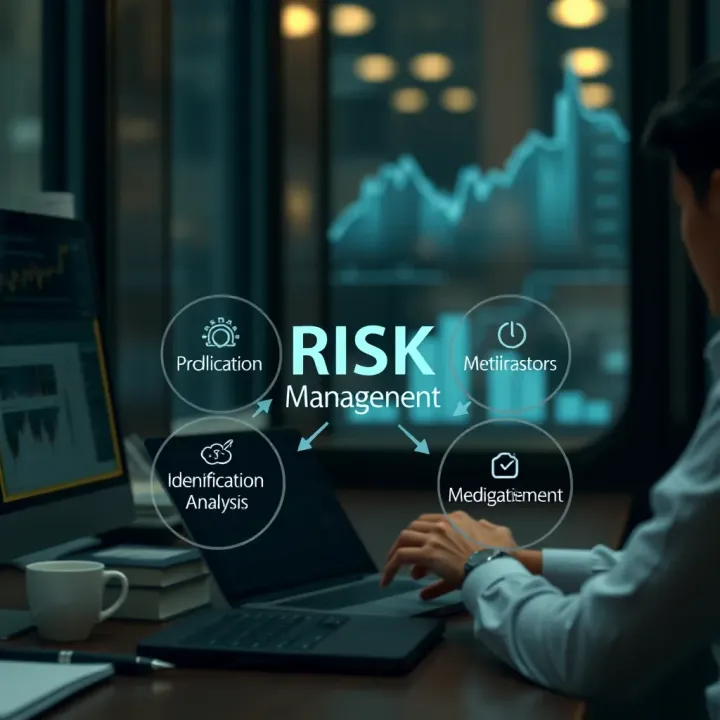
Explore how risk management helps South African businesses spot and tackle threats, improve decisions, and boost success. Stay ahead with smart risk steps! 📊⚖️
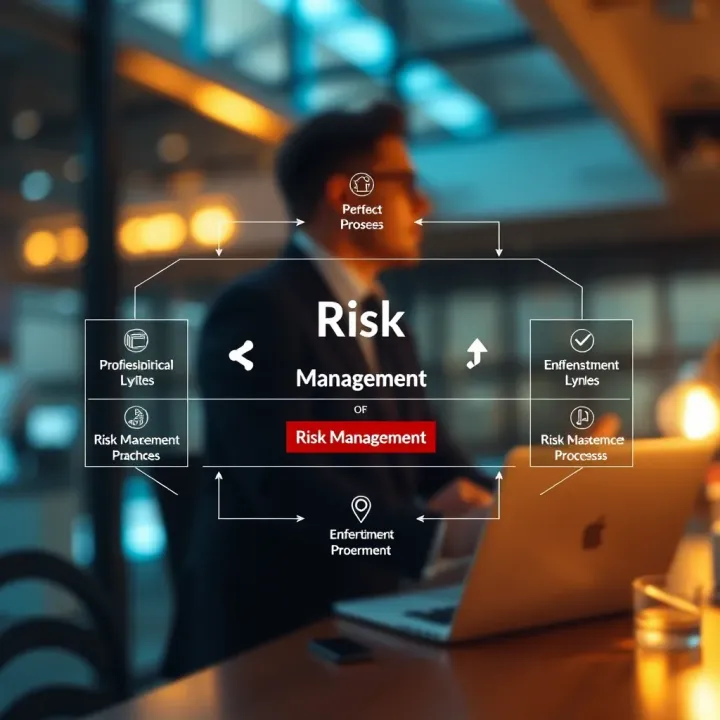
Understand the full risk management process 📊 Explore how businesses identify, assess, control, and monitor risks to safeguard assets and boost smarter decisions.
📚 Discover how a risk management degree sharpens your skills to spot and manage business risks locally, opening diverse career paths in South Africa’s evolving economy.
Based on 14 reviews