
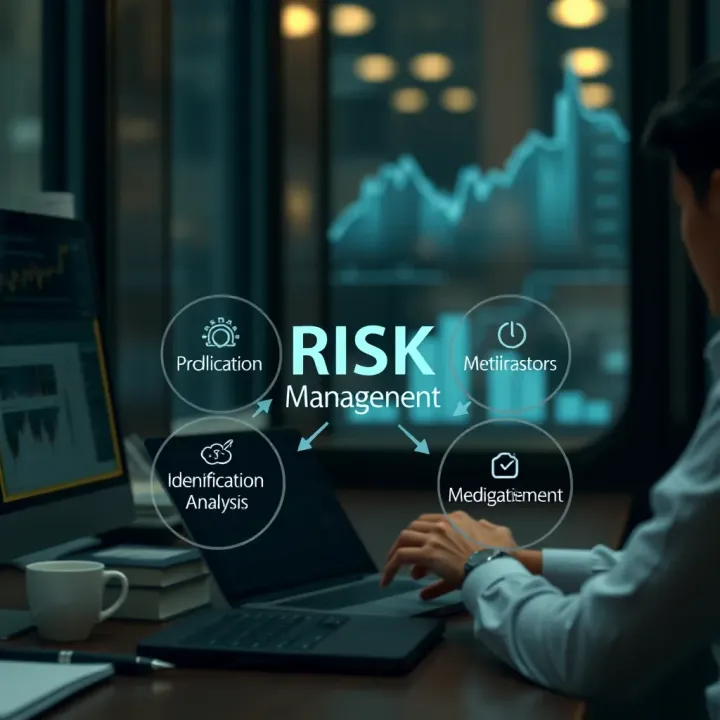
Core Functions of Risk Management Explained
Explore how risk management helps South African businesses spot and tackle threats, improve decisions, and boost success. Stay ahead with smart risk steps! 📊⚖️
Edited By
Rebecca Allen
Financial risk management has become a core skill in South Africa’s dynamic financial sector. Traders, investors, and analysts alike face a variety of risks — from market volatility to credit exposure and operational setbacks. A financial risk management certification helps professionals understand these risks, assess them effectively, and apply strategies to control or mitigate them.
Such certifications aren’t just fancy letters after your name. They offer practical tools and frameworks that make a real difference in decision-making under uncertain conditions. For instance, an analyst at a local bank could use risk models learned during certification to better evaluate loan portfolios, helping prevent costly defaults that affect both the institution and consumers.

Different certifications suit varying career stages and goals. Most notably:
Financial Risk Manager (FRM): Globally recognised, with a strong focus on market, credit, and operational risk.
Professional Risk Manager (PRM): Emphasises the theoretical side and risk governance.
Chartered Financial Analyst (CFA): While broader in scope, it covers risk topics pertinent to investment analysis.
Candidates can expect a mix of quantitative methods, regulatory frameworks, and case studies reflecting real South African market challenges such as volatility linked to commodity prices or exchange rate fluctuations.
Gaining a certification is a commitment. The preparation requires disciplined study and often 300+ hours of work, but it positions you well in a job market that increasingly values certified skill sets, especially as SA’s financial industry grows more complex.
Enrolment typically requires a background in finance or economics, though some programmes are open to motivated candidates with strong maths skills. Many South African professionals balance study with work, using evening classes or online platforms to prepare.
Ultimately, these certifications open doors to roles in risk consulting, portfolio management, and compliance, with employers ranging from Cape Town hedge funds to Johannesburg banking institutions. Knowing what to expect and how certification fits your career plans helps you choose wisely and make the best of the opportunity.
That’s what this guide will unpack in detail — helping you get a clear picture of financial risk management certification tailored to the South African environment.
Getting a clear picture of what financial risk management certification involves is the starting point for anyone keen on advancing their career in the finance sector. These certifications serve as formal recognition of your ability to identify, analyse, and manage risks that impact financial markets and institutions. In a country like South Africa, where economic and market volatility can be quite pronounced, having this knowledge helps professionals stay one step ahead.
At its core, financial risk management focusses on recognising potential threats to an institution's financial health and figuring out how to handle them effectively. These risks include market fluctuations, credit defaults, operational failures, and liquidity issues. For instance, a trader in Johannesburg managing a portfolio needs to understand how potential changes in exchange rates or interest rates could affect asset values. Risk managers build strategies to protect against losses or unexpected shocks, often using complex models but also relying on practical judgement.
The CFA designation is one of the most widely respected qualifications in finance worldwide. While its scope covers a broad range of investment management and financial analysis, a significant portion deals with understanding and managing financial risk. For example, level 3 of the CFA curriculum emphasises portfolio management and risk assessment, equipping candidates to make informed decisions about asset allocation and hedging in volatile conditions. Many South African investment firms value the CFA because it ensures a candidate has a solid grasp of financial theory as well as real-world application.
The FRM certification is specifically tailored to risk professionals. It drills down into common types of financial risks: market risk, credit risk, and operational risk. What sets the FRM apart is its practical approach, focusing not just on identifying risks but also on quantifying and mitigating them using tools like value at risk (VaR), stress testing, and scenario analysis. For South African banks and financial institutions facing regulatory demands, having FRM-certified staff can signal a serious commitment to robust risk management.
PRM is another globally recognised credential, emphasising a blend of risk theory and ethics. Unlike the FRM, the PRM exam expects candidates to be well-rounded, covering financial instruments, risk measurement, and governance frameworks. It's quite popular among candidates who want a broader risk skill set, which comes handy for roles in insurance, asset management, or even corporate sectors beyond banking. In the South African context, where compliance with regulations like the Financial Sector Regulation Act (FSRA) is vital, PRM equips professionals to navigate both risk and governance challenges.
Each certification has its own flavour and focus areas, but all aim to improve your understanding and management of financial risk — essential skills in SA’s dynamic and often unpredictable markets.
By grasping these basics, South African traders, analysts, and investors can choose the certification that best fits their career path and the demands of local employers.
Financial risk management certification offers solid benefits for traders, investors, and financial analysts trying to sharpen their professional edge. It’s not just a tick-box exercise; this qualification signals your ability to identify and manage risks that could affect investment portfolios, corporate finances, or broader market stability. In South Africa’s dynamic financial sector, showing you’re certified reassures employers and clients you grasp complex risk landscapes — especially in times where volatility looms large.

Earning a recognised risk management certificate like the Financial Risk Manager (FRM) or the Professional Risk Manager (PRM) can open doors to senior roles in banks, asset management firms, or insurance companies. Employers are on the lookout for people who can analyse credit risk, deal with market fluctuations, or implement regulatory requirements — areas covered by these certifications.
For instance, a certified risk manager in a Johannesburg asset management company tends to have better prospects for promotion compared to peers without formal qualifications. Certification often translates into higher salaries too, given the critical nature of managing financial uncertainties in investment decisions or lending.
From the employer’s perspective, hiring certified personnel strengthens an organisation’s defence against financial losses that could arise from poor risk assessment. It also supports compliance with national and global regulations, such as Basel III banking rules which South African banks must follow.
Companies gain from more accurate risk models and reporting when their teams include certified experts. This reduces costly surprises during credit crunches or market downturns, which have a real impact on South African businesses under pressure from exchange rate swings and loadshedding.
Certification curricula incorporate skills directly suited to local conditions: currency risk management amidst rand volatility, credit risk analysis mindful of high default rates, and broader operational risks including political and regulatory factors unique to South Africa.
For example, risk managers certified through global programmes often undergo training on stress testing and scenario analysis using real SA market data, not just theoretical models. This practical focus helps them make smarter decisions in uncertain environments.
Ultimately, financial risk management certification isn’t just about adding letters behind your name — it equips you with tools that genuinely improve how you foresee and handle risk in Mzansi’s financial marketplace.
Understanding the requirements and eligibility for financial risk management certification is vital for anyone considering this path. These criteria ensure that candidates have the necessary foundation to grasp complex risk concepts and apply them effectively in real-world finance environments. Meeting these benchmarks also better positions you to succeed in the exams and gain recognition among South African employers.
Most financial risk certification programmes expect candidates to hold at least a bachelor’s degree, preferably in finance, economics, mathematics, or a related field. For instance, the Financial Risk Manager (FRM) certification often requires you to demonstrate a grasp of fundamental quantitative methods—knowledge typically acquired through tertiary education. Some providers allow credits from professional qualifications such as the Chartered Financial Analyst (CFA) or the South African Institute of Financial Markets (SAIFM) to satisfy entry requirements.
If your background isn’t strictly finance-related, don’t be discouraged. Practical exposure or additional short courses in accounting or statistics can make up some gaps. What matters most is having a solid numerical and analytical foundation to handle financial models and risk assessment techniques confidently.
Hands-on experience is just as important as academic qualification. Most certifications recommend or require at least two years of relevant work experience in financial risk management, trading, or related roles. This real-world exposure helps you understand the practical application of concepts like credit risk, market risk, or operational risk.
In South Africa, where markets face unique challenges like exchange rate volatility and local regulatory nuances, practical experience can often be gained through roles in banks, asset management firms, or insurance companies. Some programmes provide bridges—internships or mentorship schemes—to help candidates gain necessary on-the-job training alongside formal study.
Certification exams are typically split into two parts, covering both theoretical knowledge and practical risk management applications. For example, the FRM exam has Part I focusing on risk tools and Part II on risk management and investment management. Exams are held twice a year in several South African centres, including Johannesburg and Cape Town.
The registration process usually involves submitting proof of educational credentials and paying exam fees well in advance. Preparation demands disciplined study, with recommended reading lists and sample questions provided by certification bodies. Candidates should plan their schedules months ahead to align with exam dates and allow for sufficient revision.
Successfully navigating the requirements and eligibility criteria lays a strong foundation for your financial risk management certification journey. It ensures you are well-equipped to handle the challenges ahead and maximises your chances of gaining the qualification that South African employers value highly.
The curriculum in financial risk management certifications builds a foundation that blends technical knowledge with real-world applications, crucial for traders, investors, and financial analysts. Understanding how theory translates into practice helps candidates manage risks with confidence and insight, especially in South Africa's dynamic and often unpredictable markets.
Market, Credit and Operational Risks: These are the bread-and-butter risks that financial professionals face daily. Market risk focuses on potential losses from price fluctuations in assets like shares, bonds, or commodities. For example, a sudden plunge in the JSE Top 40 or currency volatility against the rand can quickly impact portfolios. Credit risk relates to the possibility of counterparty defaults, a real concern in unsecured lending or bond investments. Operational risk covers failures in internal processes, systems, or external events like cyber threats or fraud — something that even big banks stumble with from time to time.
Grasping these categories helps professionals pinpoint where vulnerabilities lie and decide how best to safeguard assets or capital. For instance, understanding operational risks in electronic trading platforms is essential to prevent costly downtime or data breaches.
Quantitative Analysis and Modelling: This topic arms learners with statistical and mathematical tools to evaluate risk accurately. Techniques include Value at Risk (VaR) calculations and Monte Carlo simulations — methods that assess the probability of losses within a portfolio under different scenarios. Such models assist traders and analysts in pricing derivatives or stress-testing investment strategies.
In the South African context, these skills help tackle local market complexities like exchange rate fluctuations, sector-specific shocks, or regulatory changes. When well grounded, quantitative modelling informs smarter, data-driven decisions rather than gut feelings.
Risk Assessment and Mitigation Techniques: Knowing how to measure risk is one thing; reducing it effectively is another. This part of the curriculum emphasises practical approaches such as diversification, hedging via derivatives like futures or options, and setting risk limits.
A hands-on example: a fund manager may use interest rate swaps to protect against rising bond yields in the volatile local interest rate landscape. Risk mitigation also involves ongoing monitoring to detect shifts early and adjust strategies promptly.
Decision Making Under Uncertainty: Financial markets rarely offer clear-cut choices. This skill teaches how to weigh options when data is incomplete or ambiguous — a daily reality for traders and analysts. By applying frameworks like scenario planning or Bayesian updating, professionals can make calls that balance risk and reward, even when the outlook is foggy.
For instance, during unpredictable events like Eskom load shedding announcements, deciding whether to hold or liquidate positions may rely heavily on judgement shaped by risk principles.
Communication of Risk to Stakeholders: Crunching numbers is just the start; being able to explain risks clearly to clients, board members, or regulators is vital. This involves tailoring messages so that complex concepts translate into actionable insights for non-experts.
South African firms increasingly face scrutiny under frameworks like the Financial Sector Conduct Authority's (FSCA) guidelines. Clear, honest communication builds trust and ensures everyone understands potential impacts and contingency plans.
Ethical and Regulatory Considerations: Ethics underpin financial risk management, ensuring that professionals uphold integrity and comply with laws. This includes honesty in reporting, respecting client confidentiality, and navigating regulations such as the Financial Intelligence Centre Act (FICA) or Protection of Personal Information Act (POPIA).
Understanding these frameworks shields organisations from legal penalties and reputational harm — a lesson many SA companies learned the hard way. Ethics also help cultivate a risk-aware culture aligned with societal expectations.
A solid grasp of both technical and soft skills in risk management doesn't just tick certification boxes; it prepares you to make informed, responsible decisions that matter in the real financial world.
Obtaining a financial risk management certification can open doors to a variety of roles within South Africa's financial services sector. This qualification signals to employers that you understand the complexities of market, credit, operational, and liquidity risks, equipping you to make informed decisions that protect organisations' assets and reputation.
Certified professionals often find themselves in positions such as Risk Analyst, Credit Risk Manager, Market Risk Specialist, or Operational Risk Advisor. For instance, a Risk Analyst at a Johannesburg-based bank is responsible for monitoring portfolio exposures and recommending risk mitigation strategies tailored to local economic conditions, including exchange rate volatility and regulatory compliance with the Financial Sector Conduct Authority (FSCA).
Beyond financial institutions, certified risk managers also serve in corporate treasury teams, insurance firms, asset management companies, and consulting practices. A practical example is a Risk Consultant advising a mining company in the Northern Cape on managing commodity price risks and compliance with environmental regulations, blending technical risk skills with sector-specific knowledge.
The demand for qualified risk managers in South Africa has grown steadily, partly driven by increased regulatory scrutiny and the need for better risk governance amid economic uncertainties and local challenges like loadshedding. Certified professionals typically command salaries ranging from around R450,000 to R1 million annually, depending on experience and specific roles.
Entry-level roles with FRM or PRM certification usually start around R450,000 to R600,000 per year in major centres like Cape Town and Johannesburg. Senior risk managers or heads of risk departments, especially those with additional qualifications and demonstrable industry experience, may earn upwards of R950,000 to R1 million.
Certified risk managers play a vital role in embedding a risk-aware mindset within organisations. They do this by developing frameworks that identify potential threats early, ensuring decisions are informed by data and scenario analysis. For example, in a South African retail bank, a certified risk professional might lead initiatives to strengthen cyber risk controls, educating staff on potential vulnerabilities and best practices.
Their expertise also supports better communication between management and stakeholders, aligning business objectives with risk appetite and regulatory demands. Encouraging this culture is especially valuable in South Africa, where dynamic political and economic factors create an environment where proactive risk management is essential to maintaining operational resilience and stakeholder confidence.
Earning a recognised risk management certification not only enhances individual careers but helps build stronger, more resilient South African businesses better prepared to face local and global uncertainties.
Explore how risk management helps South African businesses spot and tackle threats, improve decisions, and boost success. Stay ahead with smart risk steps! 📊⚖️
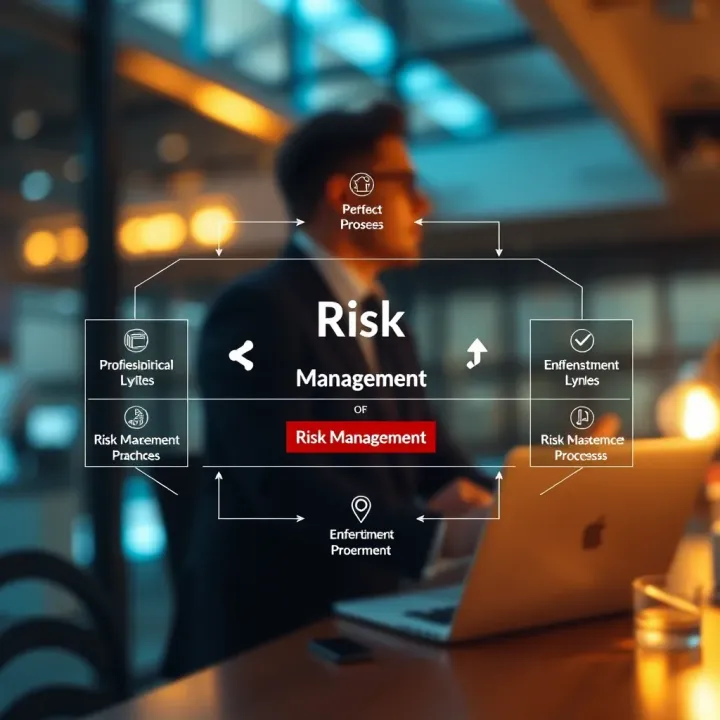
Understand the full risk management process 📊 Explore how businesses identify, assess, control, and monitor risks to safeguard assets and boost smarter decisions.

Explore the top universities & colleges in South Africa for risk management 🎓. Get insights on courses, admission tips, and career options to guide your path 📘.
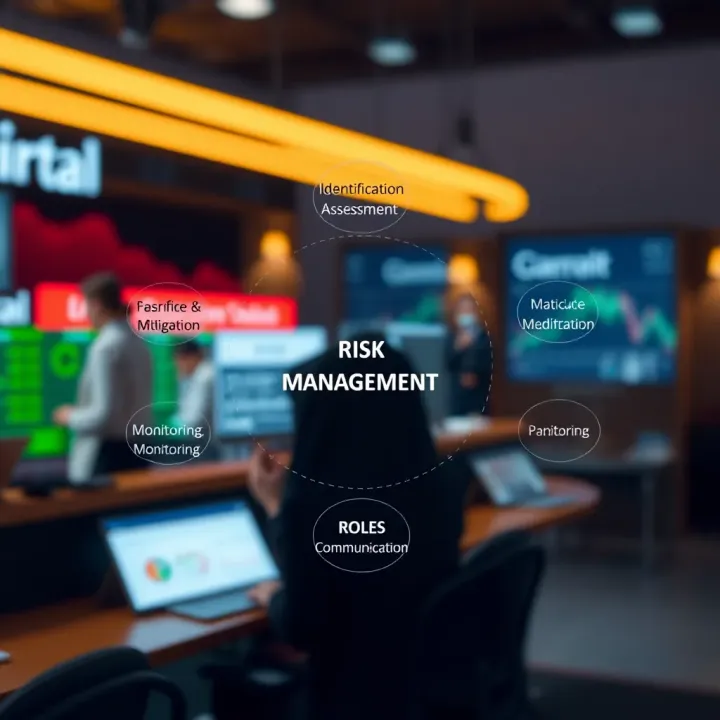
📋 Learn how to craft a clear risk management plan with key elements like risk identification, mitigation, roles, monitoring & communication for SA businesses.
Based on 11 reviews