
Understanding the Risk Management Process
Understand the full risk management process 📊 Explore how businesses identify, assess, control, and monitor risks to safeguard assets and boost smarter decisions.
Edited By
Laura Stevens
Risk management is not just a buzzword—it’s a necessity, especially for traders, investors, and financial analysts operating in South Africa's fast-moving markets. Without a solid plan, you’re basically flying blind into a storm. This article breaks down the key elements you need to build an effective risk management plan tailored to these roles.
We’ll cover everything from identifying risks early on to assigning responsibility, and how to keep track of your mitigation efforts. By the end, you’ll have a clear roadmap to structure your risk management so it’s not some vague, paperwork chore but a practical tool that helps you make smarter decisions.
Understanding the nature of risks specific to our economic environment, like currency fluctuations or regulatory changes, and how to approach them can save you headaches — and money — down the line.
A risk management plan is only as good as its execution, but without the right elements in place, you won’t even know what to act on.
So, let's get into the nuts and bolts of crafting a plan that’s straightforward, actionable, and fit for purpose.
A risk management plan is more than just a document; it’s the backbone of an organisation’s ability to handle uncertainties. Without knowing why we’re doing it, the whole process can become a box-ticking exercise rather than a tool that truly safeguards your business.
For traders, investors, and financial analysts, understanding the purpose helps you zero in on what matters most: protecting assets, ensuring stability, and seizing opportunities without falling flat on your face. It’s about identifying potential pitfalls before they turn into costly disasters and making sure resources are directed where they're actually needed.
At its core, the risk management plan lays out clear objectives and boundaries, providing a roadmap for proactive rather than reactive measures. It also ties risk management neatly into broader business goals, making it a living part of daily decision-making rather than a dusty file gathering cobwebs.
Think of this step as setting your compass. Before you dive into risks, you need to know where the organisation is headed. Clear goals provide a framework against which you can measure risk significance. For example, if your company aims to expand into emerging markets within the next year, understanding this goal allows you to spot related risks like currency fluctuations or political instability.
Concrete goals also aid in prioritisation — a risk that threatens a new project might take precedence over older, less critical operations.
Not every risk warrants the same attention, so defining the scope means deciding what's in and out of your plan. It could be by project, department, or risk type. For instance, financial analysts might focus specifically on market and credit risks, while compliance teams handle regulatory ones.
Boundaries help avoid wasting time on unlikely or irrelevant risks, ensuring your team isn’t chasing shadows but concentrating on threats that could realistically affect your bottom line.
Risk management doesn’t exist in a vacuum—it should dance in step with your business strategy. If the company’s strategy is aggressive growth, risk tolerance might lean higher, accepting certain threats to capture market share. Conversely, a conservative posture might demand tighter controls.
This link ensures your risk approach supports, rather than hinders, achieving business aims. For example, a South African investment firm targeting renewable energy projects must weave political and environmental risk considerations directly into its strategy rather than treating them as an afterthought.
At the end of the day, the biggest reason to manage risk is to avoid costly setbacks. Effective planning lets you identify and mitigate hazards that could drain resources or damage reputation. Think of it as keeping a financial umbrella handy for unexpected storms.
A practical example: a trader closely monitoring exchange rates and setting stop-loss orders can limit exposure in volatile markets, thereby reducing potential losses before they snowball.
South Africa’s regulatory landscape, especially in finance, has strict requirements—from the Financial Sector Conduct Authority to the Protection of Personal Information Act. A solid risk management plan helps organisations keep their noses clean by mapping out compliance risks and setting up controls to avoid penalties or legal troubles.
This isn’t just red tape—it’s about maintaining trust with clients and partners who expect ethical and lawful conduct.
Risk management provides a reality check for decision-makers. When you have a clear understanding of risks, decisions become less about gut feelings and more about informed judgment.
For example, a financial analyst advising on portfolio adjustments must weigh potential benefits against risk exposure. A structured plan provides the data and framework needed to back these choices confidently, rather than flying blind.
Remember: Without a clear purpose and scope, your risk management efforts can quickly become unfocused and ineffective. Tailoring the plan to your organisational goals and business strategy is vital for it to have real impact.
Spotting potential risks early is like catching a leak before your roof caves in. For traders, investors, and financial analysts, having a clear picture of risks helps avoid nasty surprises and keeps portfolios stable. Identifying risks means understanding everything that could go sideways—from market downturns to operational hiccups—and preparing accordingly.
By pinpointing these vulnerabilities upfront, businesses can fine-tune their strategies and build buffers that protect both assets and reputation. For example, an analyst noticing signs of political unrest in a trade partner country can flag potential supply chain disruptions early, giving stakeholders time to adjust plans.
Brainstorming brings the team together to throw every possible risk onto the table. It’s informal but highly effective because it taps into collective experience and different perspectives. When done right, it encourages thinking outside the box—say, spotting a new tech risk in emerging fintech investments that traditional data might miss.
To make brainstorming practical, gather a diverse group and set clear goals. No idea is too far-fetched; jot everything down and later filter for relevance. The key is to foster an open environment where even junior analysts feel comfortable voicing unconventional risks.
Checklists act as a safety net for thoroughness. They help ensure no common risk types slip through the cracks—like forgetting to evaluate currency fluctuation risks when investing abroad. Risk registers take this further by documenting identified risks, their status, and mitigation steps.
In practice, a risk register can track outdated IT infrastructure risks among various departments. Regular updates keep the management informed and focused, driving accountability over time.
Sometimes, internal teams only see part of the story. Bringing in external experts or consulting stakeholders broadens the lens, adding depth to the risk assessment. For instance, legal advisors can highlight nuanced compliance issues in new financial products.
Engage experts early and encourage honest feedback, especially on complex matters like regulatory changes or emerging market trends. This step ensures your risk plan isn't just wishful thinking but grounded in reality.
Risk types vary in nature and impact, making categorisation vital for tailored responses. Breaking risks down helps allocate resources efficiently—no point spending too much effort on minor issues while ignoring bigger threats.
These revolve around day-to-day business activities. In trading, operational risk could stem from flawed systems or human errors, such as trade execution mistakes or data input errors. Recognising these risks leads to stronger internal controls and automation where possible.
A real example: a Johannesburg brokerage firm spotted vulnerabilities in their trading platform after a glitch caused incorrect pricing. By identifying this operational risk early, they upgraded their systems and reduced losses.
Financial risks deal with money flow and market variables like interest rates, liquidity, or credit exposure. Traders must stay vigilant for shifts such as sudden changes in the rand’s exchange rate or volatility spikes in the stock market.
Sound financial risk management includes stress testing portfolios and having contingency plans, which can make the difference between weathering a market storm or taking heavy losses.
These are risks related to failing to meet laws, regulations or contractual obligations. In South Africa, with its tightening financial regulations and tax laws, missing compliance can lead to fines or worse.
Example: a fund manager might face compliance risks if unaware of new FICA (Financial Intelligence Centre Act) guidelines. Staying on top of such changes protects the business and preserves its reputation.
This category includes natural events, political instability, or global economic shifts. These factors often lie beyond direct control but can massively impact business.
For instance, unexpected load shedding in South Africa affects operational efficiency for many businesses, especially those reliant on digital infrastructure. Understanding and planning for these external risks ensures smoother responses and less downtime.
Identifying potential risks isn't just ticking boxes. It’s an ongoing process that calls for awareness, diligence, and collaboration across all levels to safeguard your financial interests and business health.
By using solid identification techniques and carefully categorizing risks, you gain the tools needed to anticipate threats and strike back before they cause real damage.
Assessing and prioritising risks is a cornerstone of any solid risk management plan. Without this step, you’re basically flying blind—taking shots in the dark without knowing which risks truly matter. This stage helps you figure out which risks deserve your immediate attention and which ones can wait, so resources are not wasted chasing after negligible threats.
In the South African financial markets, for example, currency fluctuations and political instability are risks that require urgent attention due to their high impact on investments. On the other hand, minor procedural glitches, while worth noting, might be lower on the priority list. This process guides firms in allocatinbg resources effectively and preparing well-tailored strategies that address the most critical exposures.
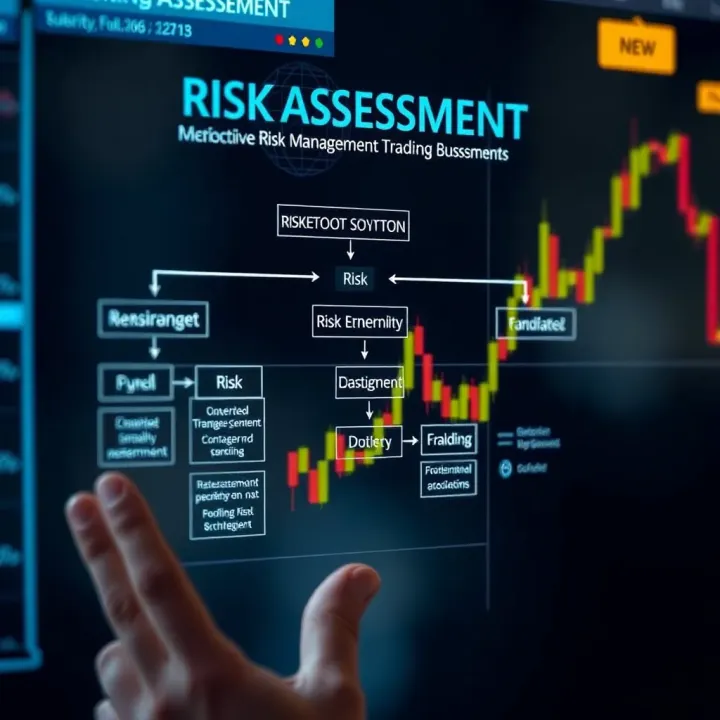
When evaluating risks, the first step is understanding how likely a risk is to occur and what the possible impact would be. This usually boils down to two main approaches: qualitative and quantitative assessment.
Qualitative assessment relies on judgment, experience, and descriptive scales. Think of it as a risk scorecard where risks are labelled as "low", "medium", or "high" based on expert input. It’s particularly useful when there's limited data or during brainstorming sessions.
Quantitative assessment, in contrast, uses numerical data to calculate probabilities and potential financial impacts. For example, a trader might use historical volatility statistics and loss distributions to measure the chance and cost of a market drop.
Each method has its place. Qualitative approaches offer quick and flexible insights, helping teams reach consensus fast, while quantitative methods provide precise metrics often needed for board-level reporting or compliance.
Risk scoring and ranking takes this a step further by assigning values to risks and then ordering them so you know which ones come first. A simple system multiplies the likelihood score by impact, producing a risk rating. Suppose Political Risk has a likelihood of 4 (on a scale of 1-5) and impact of 5; its score would be 20. This immediately puts it at the top of the list compared to a risk like minor IT outages, which might score just 4 or 5.
By ranking risks like this, you create a clear, actionable priority list. This helps traders and analysts focus on risks that could cause the most damage or offer the biggest opportunities, avoiding the trap of treating all threats equally.
Understanding a company’s risk appetite—the amount of risk it is willing to accept—is vital. This differs depending on organisation size, industry, and strategy. For instance, a startup fintech firm in Johannesburg might be willing to accept higher risks for quicker market growth, whereas a pension fund may prefer conservative approaches.
Organisational thresholds for risk set clear boundaries beyond which risks become unacceptable. These thresholds can be financial limits, such as maximum allowable loss, or operational limits like the highest tolerable downtime.
For example, a local stockbroking firm may set a policy that no single investment should risk more than 2% of total capital. When a proposed trade breaches this limit, it triggers a review or is outright rejected. These thresholds keep risk-taking aligned with the company’s goals and guard against reckless decisions.
Balancing risk and opportunity is a bit of an art. Taking on some risk is necessary to grow and profit. A savvy investor knows when to pull back and when to push forward. This means balancing risk and opportunity carefully.
Successful risk management is not about avoiding risk altogether but managing it well to seize worthwhile opportunities without putting the firm in jeopardy.
To illustrate, consider a trader eyeing a volatile stock: the potential upside is huge but so is the risk. They might limit the position size or hedge their bets, balancing the chance for profit with protecting against crippling loss.
By determining appetite and tolerance upfront and consistently applying these standards during risk assessment, organisations craft a risk profile that matches their ambitions and safeguards their future.
In short, assessing, scoring, and setting clear boundaries on risks keeps your risk management plan practical and focused, turning risk from a dreaded unknown into a manageable part of doing business.
Crafting solid risk mitigation strategies is a must when building a risk management plan. This section deals with practical ways to lessen the impact of risk, so your business doesn’t get caught flat-footed. For traders and financial analysts in South Africa, understanding how to approach mitigation can protect assets, maintain investor trust, and keep operations running smooth.
Setting up strong processes and controls is the backbone of preventing risks from turning into problems. Think of it as putting up fences around your valuables — it stops threats before they can cause damage. These processes could include checks like transaction approvals over a certain amount or automated alerts for unusual trading volumes. Controls might be daily reconciliations to catch errors early or segregation of duties to prevent fraud.
For instance, a local investment firm might implement multi-level authorization for large fund transfers to avoid unauthorized access. This practical step reduces operational risks and keeps compliance intact. When these measures are well-designed and regularly reviewed, they become an effective deterrent, saving time and money in the long run.
People are often the weakest link, so ongoing training and awareness form a critical pillar in risk mitigation. This isn’t just ticking boxes — it’s about embedding a risk-conscious culture where everyone knows what to look out for and how to act accordingly. Regular workshops covering topics like cyber security, compliance updates, and ethical trading practices help keep teams sharp.
Take a financial analyst firm in Johannesburg, for example, which organises quarterly training on new financial regulations and market risks. This kind of proactive approach reduces errors and makes the team ready to tackle unforeseen issues head-on. When employees understand the "why" behind procedures, they’re more likely to follow them carefully and spot problems early.
No matter how good your preventive measures are, some risks slip through. That’s where response and recovery plans come in. These plans are essentially your business’s playbook for what to do when things go sideways — whether it’s a sudden market crash, a data breach, or system downtime.
An example is a trading company preparing a detailed response plan for a cyberattack, outlining immediate steps, communication protocols, and recovery processes. This minimizes disruption and helps restore operations quicker. Such clarity allows the team to act fast, cutting potential losses and maintaining client confidence.
Planning how resources will be used during a crisis is often overlooked but incredibly important. This includes not just financial reserves, but personnel, technology, and external support like legal or IT experts. Proper resource allocation ensures that when a risk event occurs, the company can mount an effective response without scrambling.
For example, a South African investment firm might set aside a contingency budget specifically for emergency software updates or hire a dedicated cybersecurity consultant on standby. Knowing who to call and what resources are available ahead of time prevents chaos and keeps recovery on track.
Having clear, well-thought-out mitigation strategies isn’t just about avoiding losses — it’s about steering your business confidently through uncertainty.
In summary, developing risk mitigation strategies involves putting in place strong, practical controls and processes, cultivating ongoing training and risk awareness, and preparing robust contingency plans that cover timely responses and resource readiness. Traders and financial analysts who prioritize these elements maintain resilience and stay ahead in a rapidly shifting financial market.
Assigning clear roles and responsibilities is the backbone of an effective risk management plan. Without clearly defined duties, even the best risk strategies fall flat, as nobody knows who’s steering the ship or handling the dangers. For traders, investors, and financial analysts, knowing who’s accountable helps keep everything on track and ensures that risks aren’t slipping through the cracks.
Defining these responsibilities avoids confusion, promotes accountability, and fosters a culture where managing risk becomes second nature. Plus, it helps streamline communication and speed up responses when risk events occur. Let's break down how this works in practice.
Risk owners are the folks who take the lead on specific risks—think of them as guardians overseeing particular threat areas. For example, a portfolio manager might be responsible for market risk, while the compliance officer handles regulatory risks. These owners are tasked with monitoring their risks, implementing controls, and reporting status updates.
The management team, on the other hand, keeps the bigger picture in mind, coordinating risk owners’ efforts and making strategic decisions. They ensure risk mitigation aligns with business goals, adjusting strategies when market conditions shift.
Clear assignment here means no one assumes someone else has it covered, reducing gaps where risk could surge unchecked. This division also allows experts to focus on what they know best, leading to swifter and more effective risk control.
Simply putting roles on paper isn’t enough. Everyone involved must understand exactly what their tasks involve and how they tie into the wider risk management plan. Communication is key. For instance, a trader should know their exact responsibility for monitoring exposure limits daily and reporting anomalies.
Regular briefings or quick check-ins can clear up misunderstandings and reinforce tasks’ importance. Written SOPs (Standard Operating Procedures) and checklists support consistency. Clear communication empowers teams and helps nip risks in the bud before they escalate.
"If everyone knows their part, the orchestra plays in harmony—not chaos."
Risk doesn't just float at the top—it runs through every level of the organisation. Involving staff from junior analysts to top executives in risk discussions ensures diverse perspectives and quicker identification of potential pitfalls.
For example, a junior trader might spot unusual market signals months before they hit the headlines, but without a voice, these insights get lost. Encouraging all employees to share risk concerns promotes ownership and vigilance across departments.
Training sessions and open forums are practical ways to get everyone involved, making risk awareness part of everyday workflow rather than a box-ticking exercise.
No organisation operates in a vacuum, especially in the financial world. Lawyers, auditors, brokers, and consultants bring valuable outside knowledge and impartial views. They can highlight risks that internal teams might miss.
Working closely with these external parties ensures the risk management plan accounts for regulatory changes and market dynamics unique to South Africa or global trends affecting local investments. Regular updates and collaboration channels keep everyone on the same wavelength, avoiding surprises.
Engaging external advisors not only boosts thoroughness but also builds credibility with regulators and stakeholders, showing that the organisation takes risk seriously.
In summary, assigning roles and responsibilities within a risk management plan isn’t just bureaucratic red tape—it’s a practical foundation. Making sure the right people own the right risks, communicating tasks clearly, and bringing everyone into the loop—inside and outside the organisation—turns risk management from a paper exercise into real business strength.
Establishing solid monitoring and review procedures is like putting an ongoing health check on your risk management plan. In fast-moving markets and tough business environments, especially in South Africa where economic shifts and regulatory changes are frequent, this step ensures your plan stays relevant and effective. Without it, risks can sneak up and bite, causing disruptions that might have been avoided.
Tracking how risks evolve and whether mitigation efforts are working gives you a real-time grasp on the situation. Think of it as keeping your finger on the pulse instead of waiting for a full-blown problem to appear. Regular reviews also help catch new risks or changes in appetite early, so you're not caught flat-footed.
Setting key risk indicators is about identifying measurable signs that hint at changes in your risk landscape. These indicators can be financial metrics, like credit default rates for a portfolio, or operational signals such as system downtime frequency in a trading platform. Key risk indicators (KRIs) should be specific, relevant, and timely, allowing for early warning before small issues snowball.
For example, a South African investment firm might monitor the volatility index (VIX) as a KRI to gauge market stress levels, adjusting their strategies accordingly. Selecting the right KRIs requires understanding your core risks and how they manifest. Avoid too many indicators; focus on what's truly telling and actionable.
Regular data collection and analysis layers in discipline by consistently feeding your KRIs with fresh data. This isn’t a one-off task but a routine process that involves gathering accurate, up-to-date information from relevant systems or reports. It can be as simple as weekly updates on foreign exchange exposure or monthly trend reports on commodity price fluctuations.
The analysis part means interpreting this data wisely—spotting patterns, anomalies, or shifts that signal changes in risk levels. By doing so, you can make informed decisions and update controls promptly. Skipping or delaying this step often results in relying on outdated insights, reducing your ability to react effectively.
Periodic reviews keep your risk management plan from gathering dust. Ideally, schedule reviews quarterly or biannually, but also trigger them after significant events like regulatory changes, sharp market movements, or operational incidents. These reviews should assess the relevance of identified risks, the effectiveness of mitigation strategies, and the accuracy of KRIs.
A practical approach might be to have a designated risk committee meet quarterly to go over the latest risk reports and suggest needed tweaks. This keeps everyone aligned and ensures the plan adapts to new circumstances.
Incorporating lessons learned is where experience shapes smarter risk management. After a disruption or close call, it's crucial to analyze what went wrong or right, documenting insights and adjusting the risk plan accordingly. For instance, if a previously underestimated geopolitical risk impacted investments in the region, the next iteration of the plan should reflect stronger controls or monitoring for similar risks.
This step turns past challenges into future safeguards, raising the organisation’s resilience. It’s like tuning up a car after a rough trip to avoid future breakdowns—except here, you’re refining processes and responses to keep the business on track.
Monitoring and reviewing risk management procedures isn’t a set-and-forget task but an ongoing commitment. Without it, organisations risk flying blind in a complex and unpredictable environment.
By embedding thorough monitoring and regular reviews into your risk plan, you create a feedback loop that keeps risk controls relevant and your organisation nimble enough to face challenges head-on.
Communicating your risk management plan is often overlooked, yet it’s the glue that holds the entire system together. If the plan stays locked away in a dusty folder, it won’t do a lick of good. Clear and effective communication ensures everyone knows where they stand, what risks to watch out for, and how to react when things go sideways. This isn't just internal housekeeping—it’s what keeps your operations smooth and compliant, especially in the financial and trading sectors where SA businesses face a dynamic, sometimes volatile environment.
Risk doesn’t respect departmental boundaries. It’s vital that your risk management plan isn’t siloed but shared widely across teams—from trading desks to compliance units and back-office operations. When departments understand the risks collectively, they can coordinate better and spot weak spots quicker. For example, if the trading team is aware of a compliance risk flagged by the legal group, they can adjust their tactics before losses pile up. Use a mix of emails, intranet postings, and quick team briefings to spread the word. Keep it simple and jargon-free so even those outside risk management can grasp the essentials.
Sitting down your staff for dedicated risk management workshops isn’t just a tick-box exercise—it’s where the plan comes to life. Role-playing scenarios or discussing recent risk events teach the team what’s at stake and how to respond. Use real-world examples reflective of South African markets—like currency fluctuations or regulatory changes by the FSCA—to make it relatable. Ongoing training helps embed risk awareness as part of the company culture. It also ensures that everyone, from fresh recruits to senior analysts, stays sharp and ready to act.
For financial traders and investors, regulatory compliance is non-negotiable. The risk management plan must be communicated clearly to regulators such as the Financial Sector Conduct Authority (FSCA). Regular, transparent reporting demonstrates that your business understands its risks and has controls in place, reducing scrutiny and potential penalties. Reports should focus on significant risks, mitigation steps, and any incidents or near misses. Keeping regulators in the loop builds trust and helps your firm avoid the dangerous surprises that spoil reputations.
Clients and partners appreciate it when a company is upfront about its risk management approach. This builds confidence, particularly in investment environments where market swings and unexpected events can rattle nerves. Sharing the right level of detail about how your business handles risk—without oversharing confidential info—strengthens relationships. For example, you might explain how you monitor market risks or secure client data, assuring them their investments or partnerships are on steady ground. Transparency here can be a differentiator in a crowded market.
Clear communication of the risk plan transforms abstract policies into actionable knowledge, empowering your teams and winning trust outside the company.
Integrating these communication practices is not just about ticking boxes; it’s about weaving risk management into the fabric of your business. Whether it’s your traders making split-second decisions or your compliance team filing reports, effective communication helps everyone play their part in managing risk smartly and confidently.
Documentation is the backbone of any solid risk management plan. Without it, the efforts to identify, assess, and mitigate risks become scattered and hard to track. Maintaining this documentation regularly keeps the organisation nimble, ready to adjust to new threats or opportunities. For traders and analysts, having everything written down clearly ensures there’s no confusion about what to do when a risk event pops up. Imagine trying to recall a complex strategy discussed in a meeting weeks ago—without a documented plan, important details get lost.
Good documentation not only serves as a reference but also builds trust with stakeholders. Regulators and investors often require clear evidence that risks are recognised and managed properly. Plus, a well-maintained plan demonstrates professionalism and preparedness, showing that the business isn’t flying blind.
Keeping the language simple is key. Financial jargon is already dense enough, so when writing your risk management plan, aim to be as clear as possible. Use short sentences and everyday words to explain complex concepts. For example, instead of saying "mitigation strategies encompass risk transfer mechanisms," say "ways to reduce risk, like insurance or contracts."
This approach benefits everyone involved, from junior analysts to top management. It avoids misunderstandings and saves time during training or crisis moments when quick comprehension is vital. Remember, a risk management plan is a living document, and clarity makes it easier to update and follow.
Structure your document in a way that breaks down complex information into digestible parts. Start with an overview, then move to risk identification, followed by assessment, mitigation, responsibilities, monitoring, and finally communication. Each section should naturally lead to the next.
Using numbered headings and bullet points helps readers find information fast. For example:
Introduction
Risk Identification
Risk Assessment
Mitigation Measures
Roles and Responsibilities
Monitoring and Review
Communication
Logical organisation prevents the dreaded “information overload” and supports quicker decision-making, particularly during market shifts when time is of the essence.
A risk management plan is not set in stone. The market landscape changes fast, and new risks emerge all the time. Effective version control means tracking every update made to the document, who made it, and when. This practice prevents teams from working off outdated information.
Consider using simple versioning methods like appending dates or version numbers (eg., RiskPlan_v2_Aug2024). Alongside, keep a change log summarising what was updated. This transparency means if a trader notices a new risk related to currency fluctuation, the team can promptly update the plan and avoid costly surprises.
For the risk management plan to work, the right people must actually use it. It's crucial to make sure all relevant team members—from risk officers to department heads and even external auditors—can access the latest plan easily.
This means storing the document in a shared, secure location like a company intranet, cloud storage with permissions, or a dedicated risk management software. Importantly, you don’t want sensitive details floating around unchecked. Controlled access ensures confidentiality while enabling collaboration.
Risk management documents are only effective if they are part of everyday conversations and actions. Make them easy to find, read, and update to keep everyone on the same page.
In the hustle of financial markets, having a well-documented, clear, and accessible risk management plan is not just best practice—it can make the difference between weathering a storm or sinking under it.
Risk management shouldn't be a once-off activity tucked away in a dusty file. Instead, it's most effective when it becomes part of the everyday workflow. For traders, investors, and financial analysts in South Africa's fast-moving markets, weaving risk management into daily operations helps catch potential pitfalls early and supports more confident decision-making.
When risk management becomes second nature, teams tend to spot warning signs before they mushroom into costly issues. It’s like keeping an eye on the weather forecast for a fishing trip—better prep today saves you from getting drenched later.
Good risk management starts with a mindset where everyone actively looks out for risks instead of waiting for problems to pop up. Encouraging proactive behaviour means training team members to identify and flag risks as part of their routine. For example, a stock analyst might notice unusual volatility in a sector and raise that for further review before making buy recommendations.
Proactivity is about empowering people closer to the action to feel responsible for spotting risks early. Practical steps include regular risk briefings, check-in meetings, and rewarding those who speak up with actionable insights. This approach helps build a culture where risk isn't an afterthought but a constant companion.
Risk considerations shouldn’t just be an add-on; they need to live in every decision. When analyzing an investment opportunity, reviewing potential downsides alongside expected gains can prevent costly surprises. For instance, before approving a large investment, a firm might require a checklist that covers regulatory challenges, market conditions, and operational impacts.
Making risk a standard part of decision-making involves creating templates, checklists, or even automated alerts that prompt teams to consider risk factors at each step. This habit ensures that decisions aren't purely driven by optimism but balanced with tempered caution.
A risk management plan is only as strong as the feedback loop supporting it. Regularly collecting input from those on the frontlines — traders, portfolio managers, compliance officers — helps highlight blind spots or gaps in current controls. This could be as simple as quick surveys after major trading days or debrief sessions following significant market moves.
Acting on feedback means adapting policies and training to reflect the realities faced day to day. Without this, risk plans quickly become outdated documents.
Markets are never static, and neither should your risk management approach be. Shifts in economic conditions, new regulations by the South African Reserve Bank, or changes in international trade policies demand ongoing tweaks to risk strategies.
An effective plan anticipates change by setting review points and flexible protocols. For example, during sudden currency volatility, risk limits might be tightened temporarily to protect portfolios. Being adaptive means less scrambling when surprises hit and smoothing out the bumps before they disrupt business.
Consistently integrating risk management into daily operations ensures your team isn’t just reacting to crises but steering clear of them whenever possible. It’s about staying a step ahead in a game where the rules and players constantly change.
Understand the full risk management process 📊 Explore how businesses identify, assess, control, and monitor risks to safeguard assets and boost smarter decisions.
Explore how risk management helps South African businesses spot and tackle threats, improve decisions, and boost success. Stay ahead with smart risk steps! 📊⚖️

Explore the top universities & colleges in South Africa for risk management 🎓. Get insights on courses, admission tips, and career options to guide your path 📘.

Manage business risks in South Africa with clear steps, tools, and strategies to protect your goals and grow confidently. 📊⚠️
Based on 11 reviews