
Effective Risk Management Frameworks for Business
Explore practical risk management frameworks to identify, assess, and mitigate risks effectively in South African businesses. Stay secure and prepared! ⚖️📊
Edited By
Amelia Brooks
In the fast-moving world of business, being prepared for the unexpected isn't just smart – it's essential. Every company, big or small, faces risks that can impact everything from daily operations to long-term goals. Whether you're a trader juggling market volatility, an investor sizing up potential returns against pitfalls, or a financial analyst assessing business stability, understanding risk management is key.
This guide sheds light on risk management from a South African perspective. It's not just about theory; the focus here is on practical steps you can apply, tools you can use, and challenges you’re likely to encounter in the local business environment. South Africa’s unique economic conditions, regulatory landscape, and socio-political factors all play a part in shaping the risks businesses face.

Throughout this piece, we’ll lay out the foundational concepts of risk management, walk you through the process of identifying and handling risks, and explore specific situations reflective of South African industries. By the end, you should feel equipped to spot threats early and protect your business ambitions with confidence.
Remember: Risk management isn’t about avoiding risk entirely, but about understanding and controlling it so your business can move forward without constantly looking over its shoulder.
Let's dive into the nuts and bolts, setting the stage for a clearer picture of how managing risk can be a powerful tool to safeguard and grow your investments.
Understanding what risk management truly means is the cornerstone for any business looking to thrive in South Africa's dynamic market. It’s more than just ticking boxes or preparing for worst-case scenarios—it's about identifying potential bumps on the road before they trip you up, and then figuring out practical ways to handle them. By clearly defining risk management, companies can protect their assets, maintain customer confidence, and keep operations running smoothly despite uncertainties.
At its core, risk management is about recognising uncertainties and making informed decisions to minimise their impact. Businesses are like ships navigating unpredictable seas—there's no way to know for sure when a storm might roll in, but knowing how to read the clouds and adjust sails can make all the difference. In practice, this means spotting potential problems early, such as sudden currency fluctuations or supply chain disruptions, and preparing for them. For example, a Johannesburg retailer who understands risks might stock extra inventory ahead of a major strike or power cuts.
Grasping the difference between risk and pure uncertainty is key: risk implies a situation where the odds or consequences can be estimated, even if only roughly. This allows businesses to weigh options and take calculated steps rather than blindly guessing. Developing this kind of foresight isn’t about being paranoid; it’s about building resilience.
While the terms 'risk' and 'hazard' often get tossed around interchangeably, they have distinct meanings that matter in managing a business. A hazard is a source of potential harm—something inherently dangerous or harmful. For instance, an overloaded electrical circuit in a factory is a hazard because it can cause fire. Risk, on the other hand, is about the chance that the hazard will actually cause harm and how severe that could be.
Think of it like this: a pit in the road is a hazard, but the risk depends on how likely a driver is to hit it and what damage that might cause. Businesses in South Africa face many hazards—like severe weather or political unrest—but it’s the likelihood and potential hit to the business that defines risk. Knowing this distinction helps prioritise where to focus limited resources.
Financial risks touch the wallet directly, often stemming from things like exchange rate swings, credit defaults, or sudden cash flow problems. For example, a South African exporter selling to Europe could face losses if the rand weakens unexpectedly after pricing contracts are sealed. Similarly, failing to collect payments on time can starve a business of vital funds.
Managing financial risks involves careful budgeting, hedging currency exposure through banks or financial instruments, and maintaining reserves to weather tough periods. Understanding these risks helps businesses avoid nasty surprises and safeguard their growth.
These risks arise from the day-to-day running of the business—anything that can disrupt processes, affect product quality, or slow down service. Missing a key delivery due to transport strikes, equipment breakdowns, or flawed internal controls are common examples in the South African context.
To manage operational risks, companies put checks and balances in place—like regular maintenance schedules, employee training, or alternatives for suppliers. For example, a Durban-based logistics company might develop backup routes or keep emergency vehicles ready during strikes or extreme weather.
Strategic risks involve decisions about the company’s future direction, market position, or overall approach. These might come from changes in competition, shifting consumer behaviours, or technological disruption. Imagine a retail chain in Cape Town deciding whether to expand online—overlooking risks like cyber threats or delivery issues could be costly.
Handling strategic risks means staying informed, engaging in scenario planning, and being ready to pivot when market conditions change. Smart leaders weigh opportunities against possible downsides before committing resources.
With South Africa’s complex regulatory environment, businesses face ongoing compliance challenges ranging from labour laws to environmental standards. Ignoring these can result in hefty fines, legal battles, or reputational damage. For instance, mining companies dealing with environmental regulations must constantly ensure operations meet legal standards.
To reduce these risks, companies often appoint compliance officers, conduct regular audits, and keep up to date with regulations like the Protection of Personal Information Act (POPIA). Ensuring legal compliance is not just about avoiding penalties but also about maintaining trust with customers and partners.
Defining and understanding the many facets of risk management equips South African businesses to plan smartly and protect their future. It's a foundation that makes all other risk strategies effective and relevant.
Risk management isn't just a safety net—it's part and parcel of running a solid business, especially in South Africa's unique economic and political landscape. It helps companies stay afloat when unexpected storms hit, guarding both profits and reputation. For traders and investors, understanding how businesses manage risks sheds light on their resilience and long-term potential.
The core of risk management often lies in protecting the bottom line. South African businesses, whether a mining operation in Rustenburg or a retail firm in Cape Town, face daily uncertainties—from commodity price shifts to power outages. Putting measures in place to identify and mitigate these risks can prevent serious financial setbacks. For example, a local logistics company might diversify suppliers to avoid production halts caused by a single-source failure.
A hands-on approach includes regular financial audits, insurance coverage tailored to specific threats, and contingency funds. These aren't just corporate buzzwords but practical shields that save firms from having to take a hit when markets wobble or unexpected incidents occur.
Trust isn't handed on a silver platter; it's earned and easily lost. Companies that manage risks effectively tend to keep their promises—delivering goods or services on time, maintaining data security, and swiftly handling complaints. In South Africa, where competition can be fierce and customer loyalty fragile, neglecting these areas can spell disaster.
Consider a fintech startup that proactively updates its cybersecurity measures after noticing a surge in cyber threats. This move not only protects client data but cements customer confidence. Businesses that falter here risk alienating their base and watching customers jump ship to rivals.
Navigating compliance is a complex game, with bodies like the Financial Sector Conduct Authority (FSCA) and the National Regulator for Compulsory Specifications setting the rules. For traders and investors, companies that demonstrate an ability to adapt to these diverse regulations stand out as less risky bets.
Take the mining sector, which must adhere to stringent safety and environmental standards. Firms that stay on top of these rules avoid penalties and costly shutdowns. Similarly, financial services companies must comply with the Protection of Personal Information Act (POPIA), ensuring customer data isn’t mishandled.
Failing to meet legal requirements can hit businesses hard. Beyond hefty fines, there’s the threat of license suspension or legal action that can halt operations altogether. For example, a retailer ignoring safety regulations might face closure after an incident injures workers or customers, damaging brand reputation and financial standing alike.
For investors, companies with compliance headaches often come with a red flag. These setbacks erode shareholder value and can impair future growth. Thus, risk management that addresses regulatory adherence is vital to sustaining business health and market confidence.
Proper risk management is a no-brainer. It buffers a company against losses, safeguards reputations, and helps navigate South Africa’s tough rules, painting a clearer picture of stability for traders and investors alike.
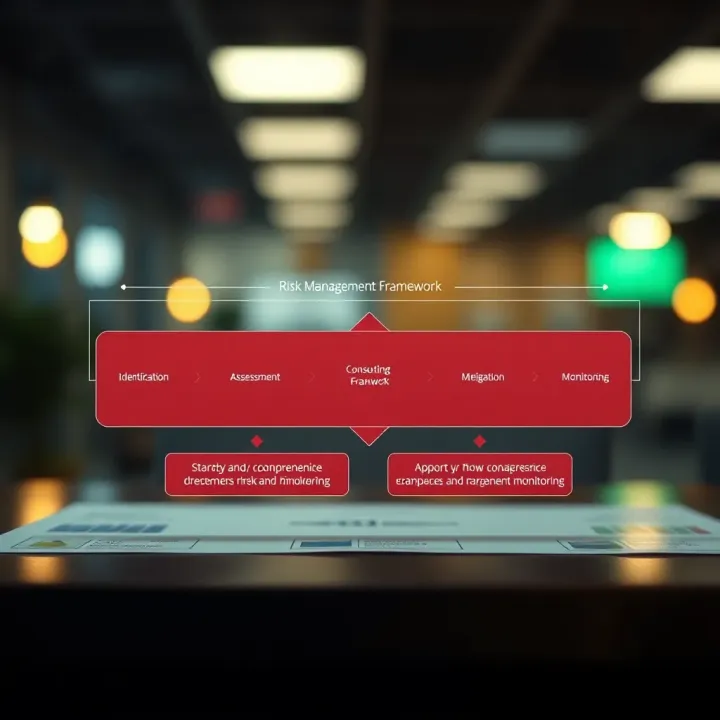
Knowing the precise steps in managing risk helps businesses stay ahead of trouble before it hits hard. In South Africa’s ever-shifting market and regulatory landscape, following a clear risk management process can mean the difference between staying afloat or facing serious losses.
This section breaks down each stage you need to navigate—from spotting risks to keeping your plans fresh. It’s about turning uncertainty into informed action, making your business nimble and prepared.
Identifying risks is the starting point. It’s like looking for cracks in a dam before water bursts through. Common methods include brainstorming sessions, SWOT analysis (assessing Strengths, Weaknesses, Opportunities, Threats), and reviewing historical incidents. For example, a Johannesburg-based exporter might look into currency fluctuations or logistic disruptions as potential risks.
Practical tip: Setting up regular risk workshops encourages fresh perspectives, helping you catch risks others might miss.
Those on the ground often see risks top management might overlook. Inviting input from employees across levels and suppliers or clients can spotlight risks early. At a local retail chain, for instance, staff might raise concerns about supplier reliability or changes in customer demand.
Engagement also fosters a risk-aware culture, where everyone feels responsible for spotting and addressing threats, making the process a team effort rather than a top-down directive.
Not all risks are created equal. Once identified, understanding each risk’s chance of happening and potential damage helps focus efforts. Assign scores to likelihood (e.g., rare, possible, likely) and impact (minor, moderate, severe). For example, a cyber threat might be highly likely but with varying degrees of impact depending on the data exposed.
This evaluation points out which risks deserve immediate attention and resources.
Techniques like the risk matrix place risks on a grid of likelihood vs impact, simplifying which ones soar to the top. You can also use quantitative methods—like expected monetary value—to assign a dollar value to risks.
For SMEs in Cape Town, where budgets are tight, a simple heat map can prioritize risks without stuffing reports with technical jargon.

Sometimes the best option is to steer clear. For instance, a small startup may avoid entering a market where political instability in the region is high, thus sidestepping potential disruptions.
Reducing risk means finding ways to lessen the chance or impact. A mining firm might invest in better safety gear and training to cut down accident rates. This doesn’t remove risk completely but makes it manageable.
This involves shifting the risk to someone else, often through insurance or outsourcing. A South African manufacturing company might transfer product liability risks by buying insurance policies from companies like Santam or Old Mutual.
There are risks worth taking or those too costly to avoid. A tech firm might accept cyberattack risks, knowing the odds are low and costs of prevention too high. Here, being prepared to absorb losses is key.
Risks don’t stay static; keeping an eye through ongoing audits is vital. A financial institution in Durban might conduct quarterly reviews of fraud risks, adjusting controls as needed.
Markets shift, regulations evolve, and new risks pop up. Being flexible enough to tweak strategies ensures your risk plan stays relevant. For example, new cybersecurity threats mean firms must frequently update their defenses and training.
Risk management isn’t a one-off project; it’s an ongoing cycle of identification, assessment, action, and review.
Following these steps with practical attention makes managing uncertainty less daunting and business outcomes more secure.
Effective risk management hinges on using the right tools and techniques. These instruments don’t just simplify the process—they make it practical and manageable, especially for South African businesses where risks can be quite diverse and sometimes unpredictable. By leveraging structured approaches like risk registers and tech solutions, companies can keep track of threats, assign priorities, and develop strategies that actually work.
Risk registers are like the backbone of risk management. Think of them as a detailed spreadsheet or document where all identified risks are logged along with their characteristics—such as potential impact, likelihood, and current status. For South African businesses, a properly maintained risk register helps ensure nothing slips through the cracks amid constantly shifting market dynamics or regulatory changes.
Checklists serve as a hands-on guide when evaluating risk factors. They make risk identification more systematic, prompting teams to consider factors they might otherwise overlook, like emerging sector-specific risks or overlooked compliance issues. For example, a mining company might use a checklist targeting environmental, health, and safety risks specific to their operations, ensuring compliance with local authorities while safeguarding employees.
Together, these tools encourage routine monitoring and make it easier to update the business’s risk picture regularly.
Using software for risk management is more than just a trendy upgrade—it brings significant operational advantages. Digital tools can automate data gathering, analyse risks faster, and provide real-time dashboards that give instant visual feedback about the risk landscape. This is crucial in South Africa, where economic and political factors can cause rapid changes.
These solutions also improve communication across departments. Instead of chasing emails or paper trails, teams get a clear, central platform to share risk insights and action plans. This cuts down on misunderstandings and accelerates decision-making—elements that are pure gold in tough business environments.
Moreover, many modern platforms offer predictive analytics, helping companies anticipate risks before they fully develop. This proactive approach — rather than reacting after the fact — means better preparedness and often lower costs.
Several digital solutions stand out as particularly useful in the local context. For example, SAS Institute offers data analytics tools widely used across financial services in South Africa to detect fraud risk and credit defaults. Similarly, solutions like Enablon and IsoMetrix are popular among mining and industrial sectors for managing safety and environmental risks while complying with OHS (Occupational Health and Safety) regulations.
Small and medium enterprises (SMEs) might find platforms like Zoho Creator or Microsoft Power Apps more affordable and accessible. These can be customised to build risk registers or incident reporting systems without needing heavy IT support.
By combining traditional tools—risk registers and checklists—with digital technology, businesses in South Africa can form a well-rounded, practical approach to risk management that aligns with their size, industry, and resources.
Integrating practical tools with technology isn’t about complexity; it’s about creating a workflow that makes managing risks straightforward and reliable, helping organisations safeguard their future in uncertain times.
Every business, regardless of size or sector, bumps up against certain common challenges when managing risks. These challenges are often more than just inconvenient—they can seriously hamper a company's ability to guard itself against threats or seize new opportunities. Understanding these pitfalls, especially within the South African context, helps businesses plan better and avoid costly setbacks.
For many South African businesses, especially small and medium enterprises (SMEs), limited resources present a major roadblock in managing risk effectively. Budgets are tight, and specialised knowledge is often scarce. For example, a local manufacturing unit may not have access to a dedicated risk analyst or the luxury of expensive software. This lack of expertise can lead to underestimating risks or missing key warning signs. Practical steps include partnering with consultants on an as-needed basis or investing in risk management training for existing staff. Simple tools like risk matrices or checklists, even without high-tech software, can often bridge the gap.
Businesses today face a constantly shifting landscape where yesterday's risks often morph or vanish, making room for new ones. For instance, the rise of e-commerce in South Africa brought fresh threats like cyber fraud and data breaches that some traditional retailers weren’t prepared for. Staying alert means regularly reviewing your risk register and keeping communication lines open with frontline staff who spot changes early. Flexible risk management frameworks that can be adjusted quickly help companies dodge or soften blows from new threats.
South Africa’s unique political and economic environment can heighten risk unpredictability. Shifting governmental policies, labour strikes in key sectors like mining, or fluctuating exchange rates can all throw a spanner in the works. For example, load shedding episodes by Eskom disrupt operations for numerous businesses and force risk managers to find contingencies like backup power or flexible work arrangements. Being familiar with these local challenges and maintaining relationships with industry bodies for timely updates enable businesses to anticipate disruptions better.
South African business culture shows an interesting mix of cautious and bold attitudes toward risk. Some entrepreneurs are ready to dive into new ventures despite uncertainties, while others prefer to tread carefully, holding on to established methods. This split impacts how risk management is approached—whether seen as a tool to watch cautiously or a checkbox activity to comply with regulations. To get the best out of risk initiatives, leadership needs to balance these perspectives by encouraging innovation but grounding decisions in solid risk assessments. This cultural balance fosters a healthy environment where risks are understood rather than feared.
Understanding these common challenges isn't just academic—it's about preparing your business to face what lies ahead with eyes wide open and feet on solid ground.
By recognising these hurdles and addressing them head-on, South African businesses can improve their risk management practices and build resilience that lasts through changing times and uncertainty.
Implementing risk management isn't just a box-ticking exercise for South African businesses; it's a smart move that can save a lot of headaches down the line. At its core, effective risk management helps firms spot trouble before it hits hard, letting them make better calls and keep things running smoothly even when the unexpected shows up. For traders and analysts, this means a clearer picture of potential pitfalls and opportunities, making it easier to steer the company toward growth without getting blindsided.
When you have a solid handle on the risks lying around your business, decision-making sharpens. Imagine you’re an investor looking at a mining company in the Northern Cape. If the management has already assessed risks like fluctuating commodity prices or equipment failure, they’re better prepared to adjust strategies quickly. This readiness means decisions are based on facts and scenario analysis rather than guesswork or hope, reducing costly errors.
Risk management delivers structured information, turning vague worries into measurable factors. This clarity empowers leaders—not just to react but to proactively chart a course that takes potential setbacks into account. Instead of always firefighting, businesses can allocate resources intelligently, focusing on high-priority threats without wasting effort on unlikely issues.
Being ready when a crisis hits is a game changer. South African companies that invest time in risk management build a strong foundation to handle troubles like power outages, strikes, or sudden regulatory changes. For instance, when Eskom’s loadshedding disrupts operations, businesses with contingency plans—such as backup generators or flexible work schedules—can keep the lights on and workers productive.
Those prepared firms understand their vulnerabilities and establish clear protocols, so when things go awry, everyone knows their role. This preparedness isn’t just about survival; it’s about keeping the business competitive and maintaining service levels no matter what.
Disruptions may be inevitable, but dragging your feet on bouncing back isn’t. Risk management helps firms set up recovery processes beforehand, whether it's restoring IT systems after a cyber-attack or sourcing materials after supplier hiccups. This foresight means less downtime and less cash lost while operations grind to a halt.
Take the recent wave of floods in KwaZulu-Natal: businesses with emergency response plans and insurance policies tailored to such risks managed to reopen their doors quicker than those that were caught on the back foot. Faster recovery keeps customers happy and reduces damage to the bottom line.
No business operates in a vacuum; investors, clients, suppliers, and employees all want assurance that the company can handle bumps in the road. Showing a commitment to risk management sends a strong message: this business takes its future seriously. It builds trust, which can ease negotiations for finance, attract better contracts, and even improve employee morale.
In tough economic times, South African businesses that transparently communicate their risk strategies stand out. Stakeholders feel more secure knowing there’s a plan for storms, which can be the difference between keeping investors on board or watching them stray to safer bets.
Risk management isn’t just a shield against loss—it’s a tool to build strength and confidence, key ingredients for sustainable success.
In summary, implementing effective risk management brings sharper decisions, stronger resilience, and boosted trust all rolled into one. For South African companies navigating a tricky economic and political climate, these benefits are more than nice-to-have—they’re essential for survival and growth.
Small and medium enterprises (SMEs) in South Africa often operate with tighter budgets and fewer resources than larger firms, yet they face many of the same risks. Without a proper risk management approach, these businesses can quickly find themselves in deep water when challenges arise. Effectively managing risks allows SMEs to safeguard their assets, maintain smooth operations, and build resilience against unexpected disruptions.
Understanding risk management tailored to the unique circumstances of SMEs is crucial. Unlike corporate giants, SME owners usually wear multiple hats, making efficient and straightforward strategies essential. Let’s explore how SMEs can calibrate their risk management efforts to suit their size and capacities while still enjoying tangible benefits.
SMEs must focus on risk management tactics that fit their specific context rather than adopting complex frameworks designed for larger companies. One-size-fits-all solutions often lead to wasted time and resources. For example, a small artisan bakery in Cape Town may face very different risks compared to a mid-sized IT consulting firm in Johannesburg.
Practical tailoring means:
Prioritising the most relevant risks: SMEs should identify which threats could hit them hardest, such as supply chain disruptions, cash flow inconsistencies, or regulatory compliance failures.
Simplicity in documentation: Keeping risk registers short and straightforward helps ensure the team actually uses them instead of shelving the documents.
Engaging all employees: Given the smaller size, it’s easier for SMEs to foster a risk-aware culture where staff at every level understands potential pitfalls and feels involved in risk mitigation.
Consider a local clothing retailer facing theft risks. Instead of investing in expensive security systems immediately, the owner might start with cost-effective measures like training staff to spot suspicious behaviour and installing basic CCTV.
Managing risk doesn’t have to break the bank. SMEs can deploy affordable yet effective controls that significantly reduce vulnerabilities. The key is smart allocation of limited resources where they will do the most good.
Some practical, budget-friendly tactics include:
Using cloud-based tools: Platforms like Xero for accounting or Trello for project management come at reasonable costs but improve oversight and reduce operational risks.
Cybersecurity basics: Installing antivirus software, using strong passwords, and training staff on phishing scams go a long way without expensive IT departments.
Insurance coverage: Opting for tailored insurance policies specific to SME risks, rather than overpaying for comprehensive cover.
An example is a small logistics firm in Durban utilising smartphone apps to track vehicle routes and deliveries in real time. This reduces risks of lost shipments and provides data for quick issue resolution without needing heavy investments in bespoke tracking hardware.
"Good risk management in SMEs doesn’t mean throwing money at every potential problem. It’s about understanding where the real pain points lie and addressing them with practical, affordable solutions."
By embracing these humble yet impactful steps, SMEs can protect their businesses and remain competitive, even when facing tough economic conditions or unexpected shocks.
Leadership plays a decisive role in how effectively a business navigates risks. For South African companies, especially those facing dynamic markets and regulatory shifts, leadership’s attitude toward risk sets the tone for the entire organisation. Without strong guidance, risk management efforts can become fragmented or superficial. Leaders ensure strategies don’t just sit on paper but are actively integrated into daily operations, enhancing resilience and agility when challenges arise.
Establishing a proper risk culture starts at the very top, with leaders demonstrating a clear commitment to identifying and managing risks. This culture is about embedding risk awareness into the company’s DNA, so every employee understands the importance of spotting risks early and responding appropriately.
In practice, this might look like a CEO regularly discussing risk issues in all-hands meetings or a board that routinely reviews risk management reports alongside financial results. For instance, a Johannesburg-based logistics firm noticed recurring delivery delays creating financial and reputational risk. Instead of waiting for problems to snowball, leadership prioritized risk discussions and empowered warehouse managers to flag and address bottlenecks immediately.
Leaders should encourage an environment where risk-taking isn’t blindly punished but evaluated thoughtfully—so staff isn’t scared to report potential pitfalls or suggest improvements. This balance fosters proactive learning rather than reactive fire-fighting.
Open lines of communication are essential for catching risks before they develop into problems. Leadership must make it clear that speaking up about potential threats—no matter how small—is welcome, not frowned upon.
One practical approach is setting up anonymous feedback channels or regular risk forums where employees at all levels can voice concerns. For example, a Cape Town-based financial services company implemented quarterly "risk check-ins" where teams discuss emerging trends or issues observed on the ground. This practice helped the company anticipate shifts in client needs and regulatory pressures ahead of competitors.
Encouraging honesty about risks also means leaders must be transparent about challenges they face and how the company is addressing them. This openness builds trust, making employees more willing to participate in risk management. After all, a top-down culture of secrecy can lead to blind spots and surprises that hurt the business.
Strong leadership isn’t just about making decisions but about creating an environment where risks are openly discussed and managed collectively. This approach is the backbone of no-nonsense risk management in South African business.
By setting the right risk culture and promoting open communication, South African business leaders can transform risk management into a shared responsibility that safeguards the company’s future.
Exploring real-world examples from various industries in South Africa brings the concept of risk management down to earth. Case studies highlight not just the challenges businesses face but also the practical ways they’ve tackled risks head-on. For traders and financial analysts, these stories provide insight into how different sectors approach risk, the kinds of risks frequently encountered, and effective mitigation tactics.
South Africa's unique economic and regulatory environment means what works in one sector might not fit another. These case studies reveal adaptable strategies and serve as a roadmap to sharpen your understanding of risk in the South African business scene.
Mining in South Africa carries considerable risks, from operational hazards to fluctuating commodity prices. One common issue is safety risks — accidents can halt production and damage reputations overnight. Companies like Anglo American have adopted stringent safety protocols combined with real-time monitoring technology to reduce workplace accidents significantly.
Financial risks also rear their heads frequently, especially with price volatility in gold and platinum markets. Risk management here involves hedging strategies and diversified portfolios. For example, Sibanye-Stillwater has used market analytics to adjust their exposure proactively, cushioning against sudden crashes.
Environmental risks have gained attention as well, owing to regulations and the social license to operate. Mining firms now integrate sustainability assessments into their risk registers, making adjustments to water use and waste disposal to comply with evolving laws. This multi-layered approach keeps companies agile amid changing demands.
South Africa's financial sector thrives on trust and regulatory compliance, so risk management here is crucial. Banks and investment firms face credit risks, market fluctuations, and cyber threats. Think of firms like Standard Bank relying heavily on credit scoring models and stress testing to safeguard loan portfolios.
Cybersecurity is a growing concern, with incidents on the rise. Financial institutions adopt layered defenses, combining software like Darktrace’s AI-driven threat detection with strict employee training programs. This decreases vulnerability without slowing down operations.
Moreover, compliance with the South African Reserve Bank’s regulations compels firms to maintain transparent processes. Embracing regulatory technology (RegTech), companies streamline compliance reporting and reduce human error risks while staying audit-ready.
Farms face unique perils — unpredictable weather, pests, and fluctuating market prices all pile on uncertainty. A maize farmer in Mpumalanga, for example, might use weather-tracking apps alongside crop insurance to offset losses from drought or floods.
Still, the risk isn’t just natural. Supply chain disruptions can hit hard, especially when transporting goods over long distances with infrastructure challenges. Many agribusinesses mitigate this by diversifying suppliers and scheduling deliveries during off-peak traffic hours to avoid delays.
Financially, smaller agricultural enterprises often operate on tight budgets, so risk controls must be cost-effective. Tools like government grants for drought relief or South African agricultural co-ops can help spread risk through community backing and shared resources.
Across industries, understanding specific risk types and applying tailored controls turns uncertainty into a manageable part of business. These case studies illustrate that no matter the sector, a proactive, well-informed approach to risk safeguards assets and builds resilience.
Keeping an eye on future trends in risk management is vital for South African businesses to stay ahead of challenges and adapt quickly. As markets change and new hazards crop up, understanding these trends helps companies adjust their strategies practically — not just reacting to surprises, but anticipating them. This mindset is especially useful in a country with shifting political climates, regulatory changes, and ongoing economic shifts.
Data analytics is no longer a nice-to-have but a key player when it comes to managing risks effectively. Businesses using advanced analytics can predict risks before they snowball. For example, investment firms in Johannesburg use analytics tools to sift through market data, spotting subtle early warning signs of economic downturns or regulatory shifts. These insights assist traders and analysts in making smarter decisions fast.
South African companies can deploy predictive analytics to monitor credit risk or operational failures. Taking a mining company as another example, implementing analytics can improve safety by identifying patterns in equipment breakdown or accident rates long before incidents occur. This reduces downtime and costs, which is crucial given the high operational risks in mining industries.
South Africa faces the real threat of unusual weather patterns, from droughts to floods, that can severely disrupt business operations. For traders and financial analysts, this means factoring in environmental variables affecting supply chains or commodity prices.
Companies should incorporate scenario planning around extreme weather events. For instance, an agricultural business in Limpopo might develop contingency plans for drought years, such as securing water sources or adjusting crop choices. This kind of preparation limits the business impact, keeping operations smoother despite nature's curveballs.
Sustainability is becoming a part of risk management, not just a corporate buzzword. More investors now consider how a company's environmental and social practices affect its risk profile and long-term viability.
Integrating sustainability means aligning risk strategies with environmental impact, resource use, and community relations. A South African financial services firm might evaluate credit risks that arise from clients neglecting environmental standards—this not only protects their portfolio but aligns with growing regulatory expectations.
Incorporating sustainability into risk management builds trust with stakeholders and often uncovers new opportunities for efficiency and innovation.
Businesses can start by assessing their environmental footprint and embedding those findings into risk registers and decision-making processes. Doing so ensures resilience not only economically but socially and environmentally, which is fast becoming a competitive edge.
In short, staying current with data analytics and climate-related risks equips South African businesses to handle uncertainty pragmatically. It helps them plan better, reduce losses, and maintain investor confidence in an unpredictable world.
Explore practical risk management frameworks to identify, assess, and mitigate risks effectively in South African businesses. Stay secure and prepared! ⚖️📊
Understand the full risk management process 📊 Explore how businesses identify, assess, control, and monitor risks to safeguard assets and boost smarter decisions.

Explore the top universities & colleges in South Africa for risk management 🎓. Get insights on courses, admission tips, and career options to guide your path 📘.

🔍 Explore practical fraud risk management strategies in South Africa. Learn key controls, monitoring, governance, and tech to protect your business from fraud.
Based on 7 reviews