

Financial Risk Management Certification Guide
📊 Discover how financial risk management certification boosts your career and benefits SA organisations. Get practical insights on courses, enrolment, and local opportunities.
Edited By
Henry Lawson
The Bachelor of Commerce (BCom) in Risk Management is a specialised degree that equips students with the knowledge and skills to identify, assess, and manage risks in business environments. In the South African context, where economic fluctuations, regulatory changes, and operational challenges are common, this qualification helps professionals navigate uncertainty in a strategic way.
Unlike generic business degrees, the BCom in Risk Management focuses on risk as a core concept, covering areas like financial risk, operational risk, and compliance risk. For example, the course prepares students to analyse credit risk within South African banks or to develop strategies for mitigating supply chain risks in manufacturing sectors affected by loadshedding.
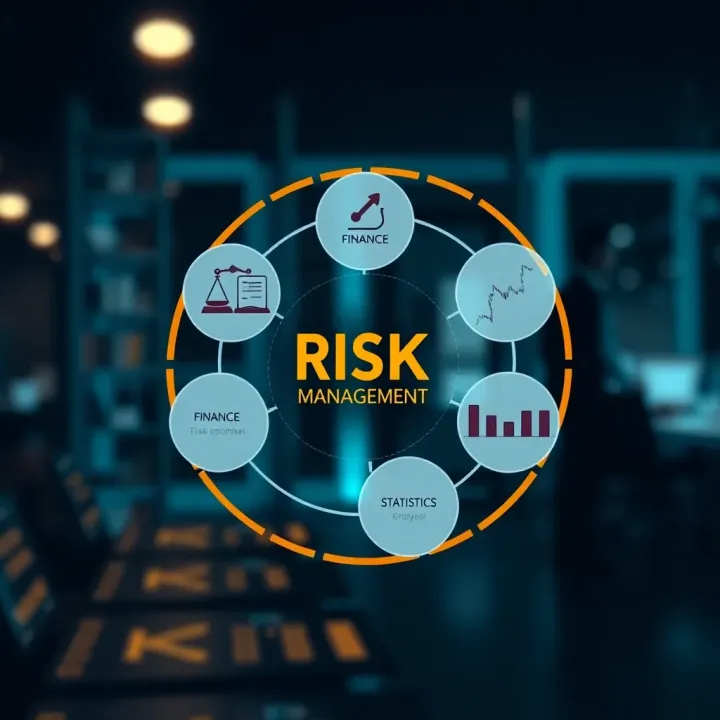
Key subjects typically include risk analysis and evaluation, financial management, insurance, corporate governance, and local regulatory frameworks such as the South African Reserve Bank (SARB) guidelines and the Protection of Personal Information Act (POPIA). This hands-on knowledge ensures graduates can apply practical solutions tailored to South African industries.
This degree is especially valuable for traders, investors, and financial analysts who must anticipate and manage the risks inherent in markets influenced by factors like exchange rate shifts, commodity price volatility, and political developments.
In terms of career prospects, a BCom in Risk Management opens doors to roles such as risk analyst, compliance officer, insurance underwriter, and financial consultant within banks, insurance companies, and corporate firms across South Africa. The course’s blend of theoretical foundation and practical application sharpens your ability to make decisions that protect assets while enabling growth.
Students also develop critical thinking, data interpretation, and regulatory compliance skills, which are vital given the evolving nature of risk in the local business landscape. Plus, many universities incorporate case studies on South African companies, which deepens your understanding of the real-world challenges faced by organisations here.
Overall, this degree offers a targeted education that aligns well with the complexities of South Africa’s economic and regulatory environment, helping you build a solid career in managing risks effectively.
Understanding what a Bachelor of Commerce (BCom) in Risk Management covers helps you grasp how this qualification equips you to handle uncertainties in business. It focuses on recognising potential risks, analysing them, and preparing organisations to minimise negative impacts. In practical terms, graduates can spot financial pitfalls in investment portfolios or operational hazards caused by South Africa’s frequent loadshedding.
The degree aims to develop skills that allow students to identify risks in various business environments and decide on strategies to manage them effectively. It’s not just about avoiding losses but also about making informed decisions to create value—such as advising a company on currency fluctuations affecting exports or navigating compliance with laws like the Financial Intelligence Centre Act (FICA).
Most BCom Risk Management degrees take three years of full-time study at universities. However, many institutions offer part-time or distance learning options to accommodate working professionals. For example, the University of Pretoria provides a flexible online programme ideal for those balancing work and study. This flexibility is important if you plan to gain experience while completing your degree.
By the time you finish, you’ll have critical skills in risk evaluation, decision-making under uncertainty, and knowledge of legal frameworks specific to South African business. You’ll also understand financial instruments and insurance, enabling you to assess risk across sectors, from retail chains to financial services. This foundation allows for confident risk management that supports sustainable growth.
This foundation module covers what risk means in different contexts—financial markets, operational environments, or reputational spheres. You learn to quantify risks, using methods such as value-at-risk (VaR) or scenario analysis. For example, assessing how a sudden rand depreciation might affect the cost of imported raw materials.
Risk management can’t ignore legal boundaries. This subject familiarises you with South African legislation relevant to businesses, like the Protection of Personal Information Act (POPIA), and compliance obligations. Understanding these laws helps prevent costly penalties and reputational damage.
Students delve into how financial statements reflect risks and how to manage financial uncertainty. You’ll study credit risk, market risk, and liquidity risk, essential for advising banks or investment firms. Management accounting bridges the gap by offering tools to control internal costs and budgeting risks.
Here, the focus shifts to how insurance mitigates risk. You learn about different types of insurance—property, liability, life—and the claims process. For instance, managing a claim after damage from flooding, which is increasingly relevant given SA’s changing weather patterns.
This advanced module explores comprehensive systems for managing risk across an organisation. Frameworks like ISO 31000 or COSO provide guidelines to integrate risk management into daily operations. It’s like creating a safety net that catches any kind of risk before it snowballs.
A strong grasp of these subjects arms you with practical tools to spot risks early and act decisively, giving you an edge in South Africa’s competitive business world.
The BCom in Risk Management equips students with a diverse set of skills that go beyond theory. These capabilities are essential for navigating the unpredictable nature of business risks, especially in the South African context where economic and regulatory environments shift often. For traders, investors, and financial analysts, these skills offer a practical toolkit that supports more informed, confident decision-making.

Risk analysis is the backbone of effective risk management. Students learn how to identify potential risks that could disrupt business objectives, categorising them by likelihood and impact. For example, a risk analyst at a bank might assess the chance of loan defaults rising in a particular sector and quantify the potential financial loss. The techniques taught include qualitative methods, such as expert judgement, and quantitative methods, like scenario analysis and Monte Carlo simulations. These approaches help make sense of complex data and highlight which risks deserve priority attention.
Data is key when evaluating and monitoring risks. The BCom trains students to work with diverse datasets, from market trends to internal financial reports, to spot emerging risks early. In practice, a risk manager at an investment firm might analyse historical price data alongside economic indicators to evaluate portfolio vulnerability. Understanding how to cleanse, interpret, and visualise data ensures that risk evaluations are grounded in reality and not just gut feelings.
Making decisions when outcomes are unclear is challenging yet common in risk management. The programme covers frameworks like expected value and cost-benefit analysis to weigh options logically. For example, if Eskom announces new loadshedding schedules, a manufacturing firm’s risk officer may need to decide whether to invest in backup generators now or wait. These skills teach how to balance short-term costs against long-term savings under uncertain conditions.
Clear communication is vital to ensure that decision-makers understand the risks involved. Students learn how to prepare risk reports tailored to different audiences, from board members to regulators. For instance, a compliance officer might summarise complex risk data into straightforward dashboards highlighting critical issues. These reports support timely actions and foster trust among all parties involved.
South Africa has unique laws like the Financial Intelligence Centre Act (FICA) and the Protection of Personal Information Act (POPIA). The BCom emphasises understanding these frameworks to ensure compliance and avoid penalties. For example, risk professionals working in financial institutions need to know how to integrate these regulations into everyday processes to prevent fraud or data breaches.
Ethics underpin trust in risk-related roles. The course highlights scenarios where ethical dilemmas may arise—such as balancing profit with social responsibility. For example, a risk analyst might notice that a profitable investment could harm community welfare. The training stresses how to advocate for ethical practices without compromising business goals.
Mastering both the technical and communication aspects of risk management makes you a valuable asset in any business setting. This blend of skills prepares you to anticipate challenges and advise with confidence, a must in today’s shifting South African economy.
This section outlines the hands-on skills gained through the BCom in Risk Management, relevant to South African workplaces and international standards alike. These abilities help you contribute meaningfully to business resilience and growth over time.
Completing a BCom in Risk Management opens several doors across sectors where managing uncertainty and safeguarding assets are crucial. The qualification equips graduates with practical skills to identify, assess, and mitigate risks, which South African businesses and institutions increasingly demand due to economic and regulatory pressures.
Financial institutions depend heavily on risk management professionals to protect their portfolios and ensure stability. For example, South African banks like FNB and Standard Bank employ graduates to evaluate credit risks, monitor market volatility, and guide investment decisions. Insurance companies such as Santam and Old Mutual rely on these specialists to price products accurately and manage claim payouts while guarding against fraud.
Graduates can work as risk analysts who crunch data to predict potential losses or troubles before they arise. Within financial firms or corporate settings, risk control officers design and implement policies to reduce exposure. Take an investment firm in Johannesburg managing assets worth billions; the risk control team ensures compliance with global standards while adapting to local market dynamics, including rand fluctuations.
South Africa's regulatory landscape is strict, with laws like the Financial Intelligence Centre Act (FICA) and Protection of Personal Information Act (POPIA) requiring vigilant oversight. Compliance officers ensure organisations meet these requirements by monitoring transactions, updating procedures, and training staff. This role is especially critical in financial and public sectors where penalties for non-compliance can be severe.
Manufacturing firms in Gauteng and retail chains across Cape Town depend on risk professionals to assure supply chain resilience and safety standards. Whether it’s coping with unpredictable Eskom loadshedding or managing environmental regulations, these specialists mitigate operational risks. For instance, retailers like Pick n Pay require consistent stock flow; risk management helps avoid costly disruptions.
Government entities face increasing scrutiny, needing experts to manage risks tied to budgets, service delivery, and corruption. Risk managers ensure departments operate efficiently within regulations and avoid financial losses. Roles in provincial or municipal offices might involve monitoring contracts or implementing safeguards against fraud and wastage.
Non-profits in South Africa often operate with limited resources but face significant risks like funding shortfalls or reputational damage. Graduates help evaluate these vulnerabilities and create strategies to secure donor trust and programme continuity. For example, an NGO providing community health services in rural areas would benefit from managing risks around supply logistics and stakeholder communication.
Career options after a BCom in Risk Management are varied, offering chances to apply your expertise in diverse industries while helping South African organisations navigate uncertainty effectively.
These roles combine the practical skills taught in the degree with an understanding of local business challenges, making graduates valuable team members across the country’s financial, corporate, and public environments.
Navigating the entry requirements and study considerations is essential for anyone keen on pursuing a BCom in Risk Management. This section provides a practical overview, helping you to gauge whether you qualify and how to pick the best learning setup for your goals and situation.
To enrol for a BCom in Risk Management in South Africa, you typically need a National Senior Certificate with a Bachelor’s pass (degree entrance) as defined by the Department of Basic Education. Key subjects that matter include Mathematics or Mathematical Literacy, with Mathematics preferred, given the programme's reliance on numerical analysis and statistics. For example, a pass level of around 50-60% in Mathematics may be required by some universities. Accounting or Business Studies often also form part of the criteria, since they lay the groundwork for understanding financial risk and business operations.
Meeting these subject requirements ensures you can cope with modules like financial risk management and business law, which are core components of the degree. If your matric results fall short, some institutions recommend bridging courses to strengthen foundational knowledge.
South African universities often offer recognition of prior learning (RPL). This means if you have work experience or prior studies related to business or risk, you might get credit towards your degree or bypass certain modules. This can be a real advantage for mature students or those switching careers.
Bridging courses are designed for students who do not meet the academic prerequisites, especially in Mathematics or English. These courses typically run for a few months before the main programme starts and focus on key skills you'll need. For instance, if you did Mathematical Literacy but not pure Mathematics in matric, a bridging course can help bring you up to speed for subjects requiring higher mathematical competency.
Choosing a university or college recognised by the Council on Higher Education (CHE) and registered with the Department of Higher Education and Training is crucial. Accreditation guarantees that your qualification is nationally and internationally recognised. For example, degrees from the University of Johannesburg or the University of Stellenbosch come with reliable accreditation, which employers and professional bodies trust.
Without this, you risk ending up with a qualification that might not open doors or be accepted by professional bodies like the Risk Management Institute of Southern Africa (RMI).
Depending on your personal and work commitments, you may consider studying full-time on campus or part-time through distance learning. Institutions like UNISA offer well-established distance learning for BCom degrees, allowing you to study at your own pace and still engage with South African industry standards.
Classroom-based learning often provides more direct interaction with lecturers and peers, useful for networking and grasping complex concepts quickly. However, distance learning offers flexibility, especially important if you’re juggling work or family.
A practical consideration is the cost of study, which varies widely. Public universities might charge tuition fees ranging from R30,000 to R60,000 per year for this qualification. Private colleges may charge more but sometimes offer specialised course content.
Bursaries and financial aid can ease the burden. Organisations like NSFAS provide loans and bursaries to qualifying students, especially those from disadvantaged backgrounds. Additionally, some universities and industry bodies offer bursaries specifically for risk management students, which may include work placement opportunities.
When choosing a programme, consider not just tuition fees but also additional costs—textbooks, data for online learning, and transport to campus can add up, especially during loadshedding periods when studying at home becomes difficult.
Making informed decisions about entry requirements and how you study can set you up for success in a competitive field like risk management. Knowing your options helps you avoid surprises and get the most from your qualification.
South Africa’s business environment is shaped by distinct challenges where risk management is more than a buzzword — it’s a necessity. The Bachelor of Commerce (BCom) in Risk Management equips individuals with the tools to navigate local complexities that affect companies day to day. This qualification speaks directly to the realities businesses face and prepares students to identify, assess, and control risks in varied sectors.
South African industries wrestle with issues that require hands-on risk management tactics rather than theory alone. For example, the mining sector contends with safety hazards, commodity price volatility, and strict environmental regulations, while retail chains must manage supply chain disruptions alongside fluctuating consumer demand. Without solid risk frameworks, companies remain vulnerable to losses that could have been forecast and mitigated.
Regulatory compliance is another big hurdle. Laws like the Financial Intelligence Centre Act (FICA) and the Protection of Personal Information Act (POPIA) impose stringent requirements on how businesses operate and manage data. Risk managers trained via the BCom course understand how to apply these regulations properly, safeguarding businesses from penalties and reputational damage.
South Africa’s economy often sees swings in the rand exchange rate and inflation levels, which can dramatically influence business operations. For instance, importers may face cost spikes due to a weakening rand, while inflation affects consumer prices and operational budgets. Risk management graduates learn how to analyse these financial risks and recommend strategies such as hedging or cost restructuring to reduce exposure.
Operational risks like ongoing loadshedding by Eskom add another layer. Businesses must plan for power outages that disrupt manufacturing, IT systems, or service delivery. This requires practical risk controls including backup power sources or adjusted work schedules. Through the BCom in Risk Management, students understand how to develop and implement such contingency plans effectively, ensuring business continuity even during tough conditions.
Strong risk management is no longer optional for South African businesses — it is essential to navigate regulatory demands, economic shifts, and operational challenges. The BCom Risk Management course develops professionals who can meet these needs head-on.
Overall, this degree is tailored to impart skills that address South Africa’s unique landscape. It prepares graduates to protect organisation assets and optimise opportunities despite uncertainty, making it a valuable choice for anyone looking to make a meaningful impact in local business environments.
📊 Discover how financial risk management certification boosts your career and benefits SA organisations. Get practical insights on courses, enrolment, and local opportunities.
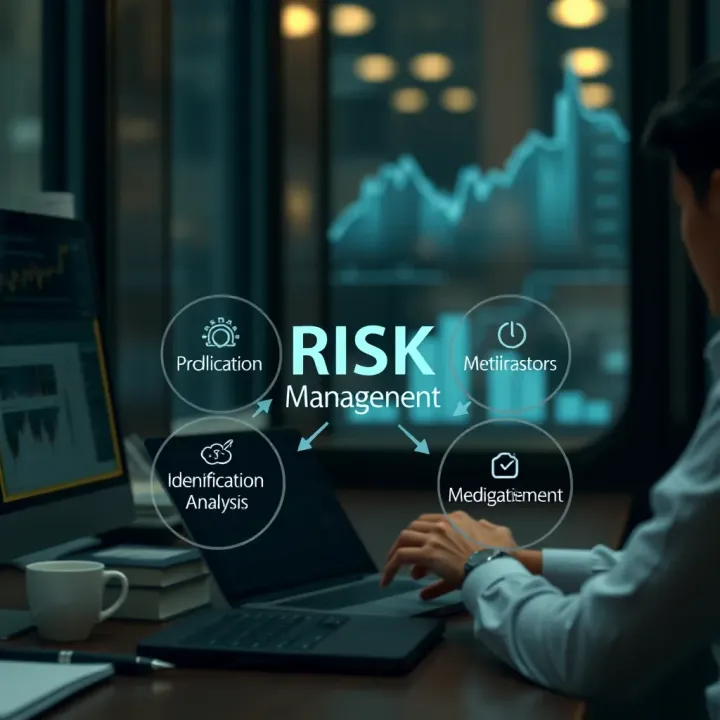
Explore how risk management helps South African businesses spot and tackle threats, improve decisions, and boost success. Stay ahead with smart risk steps! 📊⚖️
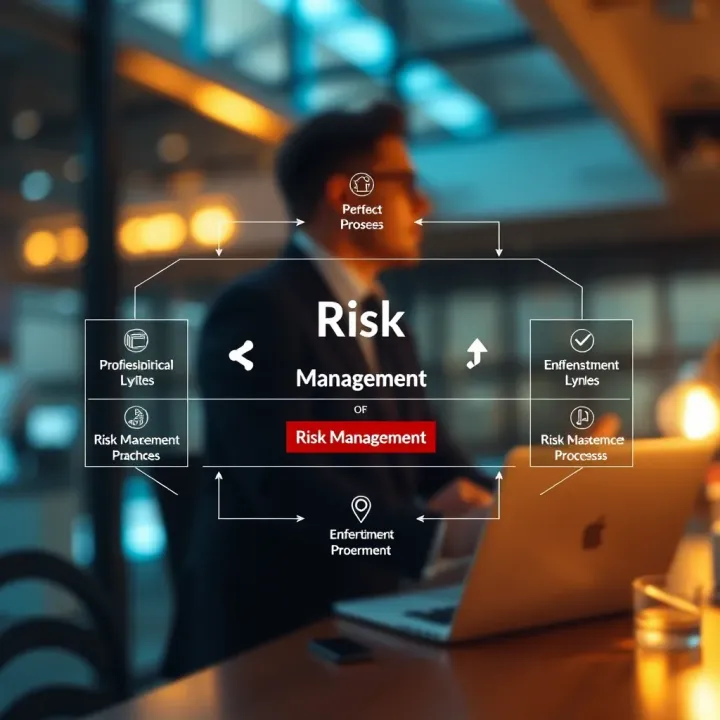
Understand the full risk management process 📊 Explore how businesses identify, assess, control, and monitor risks to safeguard assets and boost smarter decisions.

📚 Discover how a risk management degree sharpens your skills to spot and manage business risks locally, opening diverse career paths in South Africa’s evolving economy.
Based on 6 reviews