
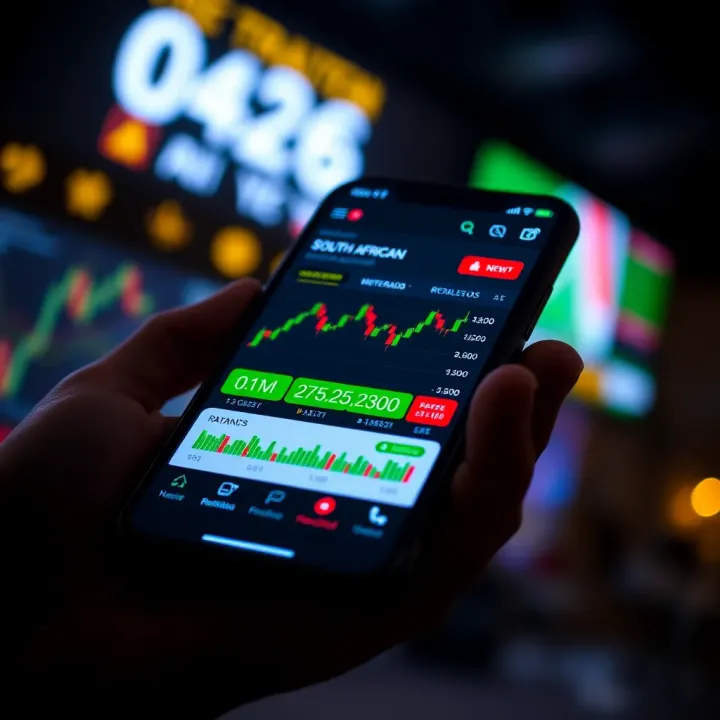
Choosing the Best Trading App for South African Investors
Choosing the best trading app? 📱 Discover key features, security tips, costs & local options to trade confidently in South African and global markets. 🇿🇦📊
Edited By
Michael Davies
Elon Musk’s AI trading app has stirred up quite the buzz among investors worldwide, including in South Africa. This app claims to use advanced artificial intelligence (AI) to make trading decisions faster and more accurate than human traders. But what does this mean for local investors juggling between JSE shares, offshore markets, and the rollercoaster ride of rand volatility?
At its core, AI trading apps analyse massive amounts of market data in real time — from price movements to global events — to inform buy or sell decisions. Musk’s app reportedly combines machine learning with deep neural networks, allowing it to adapt to ever-changing market conditions. For South African traders dealing with loadshedding impacts on online connectivity or fluctuating global commodity prices, such AI-driven agility could change the game.
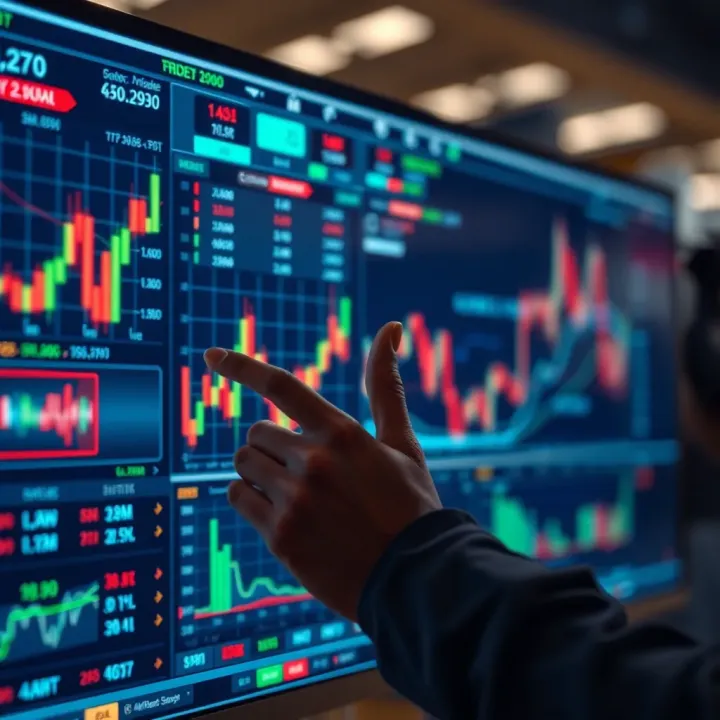
While AI trading is not new, Musk’s involvement adds a fresh spotlight, pushing the technology closer to everyday investors beyond institutional circles.
The app is designed to automate trading strategies without requiring users to have specialised knowledge of algorithms or coding. This is attractive for individual traders who want exposure to sophisticated techniques but lack the time or skill to develop them. However, there's a need for caution before jumping in: algorithmic trading can be volatile and comes with risks tied to overreliance on AI models, especially when sudden market shocks hit.
South African investors should also consider the local regulatory landscape. The Financial Sector Conduct Authority (FSCA) oversees trading platforms here, ensuring fair practices and protecting consumers. Musk’s app must comply with these rules before gaining traction locally.
Compared to existing options like local over-the-counter (OTC) platforms or brokerages offering algorithmic trading, the app aims to simplify access and add Musk’s brand influence. Still, understanding the app’s mechanics, costs, and data security is essential for anyone keen to try it out.
In the sections ahead, we'll unpack how the AI trades, Musk's role, what risks and benefits South Africans should weigh, and how this new player stacks up against local financial services.
Grasping how AI trading apps function is vital, especially for South African investors keen on smart trading solutions. These apps use artificial intelligence to make quicker, data-driven decisions than a human could manage manually, helping users respond to market changes on the fly.
Machine learning and algorithmic trading refer to a combo of computer algorithms that learn from market data. Machine learning models pick up patterns over time, improving predictions without human programming every step. Take, for example, an algorithm that analyses historical JSE (Johannesburg Stock Exchange) stock movements to forecast future price changes automatically.
Algorithmic trading then uses those patterns to place trades based on predefined rules. It’s like having a skilled, hardworking assistant watching the market 24/7 – buying shares when conditions look favourable and selling when risks increase.
Data analysis and decision-making processes underpin AI trading apps. These platforms pore through heaps of data — from economic news to price fluctuations — and extract relevant info quickly. That means the app can spot subtle market signals most retail investors might miss, such as shifts in commodity prices affecting mining stocks.
By crunching real-time and historical data, these apps aim to make better-informed decisions, reducing guesswork. This can be a big plus in South Africa’s often volatile markets, where unexpected events like load-shedding or political developments influence prices.
Automated trade execution ensures trades happen instantly when set conditions meet. For South Africans who can’t monitor markets all day, this feature means you don’t miss out on key opportunities. Instead of logging in to place orders manually, the AI acts immediately, helping capture profit margins that might otherwise slip away.
Real-time market monitoring keeps a constant eye on price movements and news globally and locally. The AI updates its strategy based on fresh info – say a sudden rand weakening or an oil price hike – and adjusts trades accordingly. This continuous surveillance offers a clear edge over manual trading where users check markets intermittently.
Risk management tools help avert heavy losses by setting limits, like stop-loss orders, or dynamically adjusting exposure based on volatility. For example, if the app detects unusually high swings in the platinum price, it might reduce your investment in affected stocks automatically, protecting your capital in uncertain times.
These features make AI trading apps not just tools for faster trades, but practical helpers in managing risk and navigating complex market signals, especially in a market like South Africa’s.
Understanding the nuts and bolts of these AI functions is the first step for any trader or investor aiming to explore Elon Musk’s latest AI trading app or any similar technology. It’s about learning what the tech can do and how it fits into your investment style.
Elon Musk is often in the spotlight for his ventures in electric vehicles and space travel, but his interest in artificial intelligence (AI) also shapes how new technologies evolve—trading apps included. Understanding his involvement gives South African investors insight into the credibility and potential direction of AI-driven platforms linked to his name.
Musk’s AI interests aren’t just hype; they come from projects like OpenAI, where he was a co-founder, aiming to develop AI safely for broad use. Though he later distanced himself to avoid conflicts of interest, his early involvement set a tone for advocating responsible AI development. His focus spans from autonomous vehicles to neural tech through Neuralink, indicating a broad view of AI’s role in reshaping industries.
In a practical sense, these ventures demonstrate Musk’s emphasis on AI that learns and adapts in real-time—traits essential for trading platforms which must react instantly to market shifts. That background can give users confidence that any AI trading app tied to Musk likely relies on sophisticated machine learning frameworks.
Musk has also been vocal about AI’s impact on finance, warning about its risks but also its potential to streamline complex trading activities. He’s stressed human oversight, which is key for traders in South Africa to remember: AI tools should assist, not replace, informed decisions.
The AI trading app branded with Musk reportedly uses advanced algorithms to scan global markets continuously, automating trade execution based on detected patterns. It claims to offer faster, more accurate trading decisions than traditional human methods, which could be a genuine edge for South African investors facing volatile conditions.
Beyond speed, the app integrates risk management features designed to shield users from sudden swings common in local and international markets. For example, it might automatically adjust positions during Eskom-induced market jitters or global commodity price changes affecting the rand.
The target users are mainly retail investors curious about tech-driven trading but lacking the time or expertise for hands-on management. It aims at those wanting entry-level access without huge capital. That said, the app’s design considers scalability for more seasoned traders, offering customizable settings.
While the app offers promise, South African users must weigh costs, data privacy, and regulatory compliance before jumping in. These apps often collect sensitive financial data, and local laws require clear consent and protection.
To sum up, Musk’s AI trading tech builds on his well-known AI interests, aiming to make trading more accessible and data-driven. However, South African investors should remain cautious, ensuring this technology fits local market realities and personal risk tolerance.
When considering Elon Musk’s AI trading app, understanding its benefits and risks is key for South African users. These platforms promise faster decisions and broader access to trading, but local factors like market volatility and infrastructure challenges play a big role. Knowing what to expect helps investors avoid pitfalls and make smarter choices.
AI trading apps use algorithms to analyse huge volumes of market data in real time, spotting trends and executing trades much faster than any human could. For example, a South African investor using Musk’s app might catch short-term price movements on the JSE (Johannesburg Stock Exchange) or currency swings between rand and dollar more efficiently. This speed can translate into better entry or exit points, reducing missed opportunities.
However, speed alone isn’t enough – accuracy plays a part too. The app uses machine learning models trained on past market behaviour, improving predictive quality over time. This means fewer emotional errors common among retail traders, such as panic selling during a sudden Eskom-induced market drop.
AI trading platforms level the playing field by making sophisticated tools available to everyday South Africans without deep finance knowledge. Instead of manually analysing charts or news, users rely on automated advice and execution, requiring only a smartphone and internet connection.
Take a township investor in Gauteng who’s new to trading — the app offers guided signals and automated buying or selling, bringing global financial markets closer within reach. This accessibility encourages wider participation, previously limited to those with expensive brokerages or expert skills.
Markets move round the clock now, especially with offshore investments included. AI apps monitor multiple exchanges and assets non-stop, alerting users instantly or trading on their behalf whenever certain criteria are met.
Imagine you’re busy at work in Cape Town, but your portfolio has exposure to US tech stocks. Musk’s app could automatically adjust your positions overnight to protect profits or avoid losses due to unexpected news, something manual monitoring would rarely achieve.
AI’s constant eye on markets helps South African investors react quickly and stay ahead, even if they can’t watch screens all day.
The South African market can be unpredictable – often jolted by local politics, commodity price swings, and load shedding issues. While AI algorithms analyse historical patterns, they can struggle with sudden, unprecedented shocks.
For instance, an algorithm might misinterpret temporary rand weakness caused by a municipal debt crisis as a longer-term trend, prompting inappropriate trades. These limitations mean users should never treat the app as foolproof, but rather as a tool alongside their own judgement.
Financial apps always face risks of hacking or data breaches. South African users must confirm if Musk’s platform meets stringent data protection standards under the Protection of Personal Information Act (POPIA).
Sharing bank details, trading history, and identity info with any app requires caution. Reports of fake or scam AI trading apps have grown locally, so verifying legitimacy and secure encryption is essential before trusting sensitive info.
Relying solely on AI decisions can undermine a user’s understanding and control. While automation reduces workload, it also risks users blindly following trades without grasping market context.
In South Africa’s sometimes turbulent financial environment, this could mean missing signs of risk or opportunity outside the app’s data scope. Savvy investors should balance algorithm-driven trades with personal research and periodic review.
Understanding both benefits and pitfalls equips South African investors to make informed choices with Musk’s AI trading app, avoiding common traps while making the most of emerging technology.
Understanding the regulatory and practical landscape is vital for South African investors thinking of using Elon Musk’s AI trading app or similar platforms. These considerations ensure the app operates within legal boundaries while protecting users from potential pitfalls. Without compliance, users risk falling prey to scams or unexpected costs, which can be harsh in a developing market like Mzansi.
The Financial Sector Conduct Authority (FSCA) is South Africa’s watchdog for financial service providers, including AI-driven trading apps. It ensures these entities comply with laws that safeguard investor interests and market integrity. For instance, if Elon Musk’s AI trading app offers services to South African users, it must register with the FSCA and adhere to local conduct standards.
This registration includes oversight on how these platforms market their products, their transparency about risks, and their obligation to provide clear terms and conditions. If the app operates without FSCA approval, users risk losing recourse should disputes or fraud arise.
Besides FSCA registration, AI trading platforms must comply with broader financial laws such as the Financial Advisory and Intermediary Services (FAIS) Act. This act governs how financial advice is given and requires firms to be licensed when offering such services.
For South African investors, this means that if the AI app provides personalised financial advice or manages investments, it must meet strict criteria around ethical conduct, disclosure, and client engagement. Non-compliance puts your investments at risk, as you’ll have little protection under local law.
Before signing up, it’s wise to research the app’s track record in South Africa and internationally. Look for user reviews on platforms like MyBroadband or financial forums where local investors share experiences.
Beware of flashy promises or lack of verifiable information. A legitimate app will be transparent about its AI models, trading strategies, and risks involved. Checking whether the app has complaints lodged with the FSCA or consumer bodies adds another layer of assurance.
AI trading apps often have complex fee structures, including upfront costs, subscription fees, and percentage charges on profits. South African users should scrutinise these fees, comparing them with those of established local brokerages like Standard Bank Online Trading or international platforms accessible in Mzansi.
Reading the fine print on terms of service matters — hidden penalties for withdrawal or data use can quietly erode returns. Knowing these details upfront helps avoid nasty surprises that many new users overlook.
South African users must ensure the app complies with the Protection of Personal Information Act (POPIA), which regulates data handling and privacy. The app should clearly state what personal data it collects, how it’s stored, and with whom it’s shared.
Given South Africa’s rising cybercrime, an app’s cybersecurity protocols are vital. Look for features like two-factor authentication and encrypted data transfers to keep your information safe. Without robust security, your financial and personal details could be exposed to theft or misuse.
Staying informed about regulatory standards and practical concerns not only protects your investments but also builds confidence in innovative tools like Elon Musk’s AI trading app. Especially in a country like ours, where financial inclusion and security remain challenges, doing your homework before engagement pays off.
In sum, South African traders should approach AI trading apps with diligent checks on compliance, transparency, fee structures, and data safety. Doing so helps integrate such technology safely within local financial practices, avoiding common traps while making the most of AI-driven trading advantages.
Understanding where Elon Musk’s AI trading app stands among existing offerings is key for South African investors. It helps unpack what practical improvements or drawbacks it brings compared to platforms already on the local scene or internationally. Investors benefit by spotting which app suits their goals, budget, and technical comfort.
South African brokerages have begun adding AI-driven tools to their platforms, aiming to simplify decision-making for retail traders. For example, some online brokers like EasyEquities provide automated portfolio rebalancing based on AI assessments, helping users maintain risk levels without manually tracking markets. Other local platforms integrate AI chatbots to answer queries in real time, enhancing customer engagement.
These homegrown solutions typically connect well to South African exchanges such as the JSE and offer services that factor in local market nuances. However, they might not have the advanced algorithmic trading sophistication offered elsewhere, a point to consider if you want more complex trade strategies.
On the flip side, international platforms like eToro, Interactive Brokers, and MetaTrader are popular among South African investors seeking more powerful algorithmic trading capabilities. These platforms offer AI-driven trade signals, strategy backtesting, and even copy trading features where you can mirror experienced traders’ moves.
While more feature-rich, international platforms may pose challenges around higher fees, currency conversion costs, and integration with South African payment methods. That said, their access to global markets means you’re not confined to local assets alone.
Choosing an AI trading app means weighing subscription or commission fees against what you actually gain. Some platforms charge monthly fees even if you trade sparingly, which might not add value if the AI doesn’t deliver tangible improvements in returns or risk management.
Pay attention too to hidden costs, such as withdrawal charges or fees for advanced features. A pricey app isn’t always better; sometimes a more affordable, simpler app better suits your trading style.
An intuitive interface and responsive local customer support matter. South African traders don’t want to wrestle with a clunky app or wait days to reach an overseas help desk. Apps that offer straightforward onboarding, easy access to tutorials, and localised support typically reduce frustration and help you trade more confidently.
Musk’s app will need to match or outdo these user experience aspects to gain traction locally.
Linking a trading app to South African banks like FNB, Absa, or Capitec is not trivial. Efficient integration speeds up deposits and withdrawals, preventing cash flow headaches. Also, compatibility with popular payment methods including EFT, SnapScan or Zapper is a definite plus.
Without smooth banking links, even the best AI trading tools risk losing users due to practical difficulties in moving money.
Picking an AI trading platform is more than flashy features or big names. Cost, usability, and how easily it fits your financial ecosystem all play a part in whether it actually works for you.
Choosing the best trading app? 📱 Discover key features, security tips, costs & local options to trade confidently in South African and global markets. 🇿🇦📊
Discover how forex trading offers South African investors easy access, high liquidity, flexibility, and smart risk options to grow profit in any market 📈💰
💹 Get practical forex tips for South African traders. Master risk management, technical analysis & trading psychology to boost your success! 🇿🇦

📈 Find the best trading app for South African investors. Compare costs, security, features, and local support to trade confidently and efficiently in Rands.
Based on 11 reviews