

Forex Trading Tips for South African Traders
📈 Discover essential forex trading secrets for South African traders including key strategies, risk management tips, and avoiding common mistakes to boost profits.
Edited By
Henry Clarke
Forex trading in South Africa carries its own set of challenges and opportunities, from exchange rate swings to the country-specific regulations you need to keep in mind. Choosing the right books to learn forex trading can make a big difference, especially when those resources address both the basics and the local context.
For traders, investors, and financial analysts aiming to build or sharpen their forex skills, a well-rounded reading list helps cover essential ground: understanding the currency markets, mastering technical and fundamental analysis, and managing risks effectively.

Before you dive into complex strategies, it’s smart to ground yourself in the principles that govern forex trading, including how the rand interacts with major currencies like the US dollar and euro.
The best forex trading books for South African readers tend to:
Explain core concepts in plain language without avoiding the tough topics
Offer examples and case studies relevant to emerging markets like South Africa
Include actionable strategies for managing volatility, especially during periods affected by factors like Eskom load shedding and government policies
Cover local brokerage options, regulations, and the importance of compliance with the Financial Sector Conduct Authority (FSCA)
In short, this guide will steer you toward books that don't just teach theory but also equip you to navigate the realities of trading forex here at home. You’ll find resources suited to beginners who need a solid foundation, alongside advanced picks that unpack technical indicators and trading psychology.
With the right material, you’ll gain both confidence and competence, giving you a practical edge in what can be quite a tough market to crack. Whether you're trading at home or overseas, learning with books tailored to the South African context is a wise step in your forex journey.
Getting your feet wet in forex trading means first understanding the basics thoroughly. This section focuses on the essential books that break down the foundations, which every beginner should have under their belt before risking hard-earned cash. Without a solid grasp of the fundamentals, it’s easy to get lost or make costly mistakes.
At the heart of every good forex book for newcomers is clear explanation about what forex trading actually means. This covers how currencies are exchanged, why forex markets exist, and what factors influence exchange rates. For example, a book like Currency Trading for Dummies clearly illustrates how the forex market runs 24 hours a day and how geopolitical events can shift currency values overnight. For South African traders, it’s crucial to note how the Rand (ZAR) specifically reacts to local economic changes such as Reserve Bank interest rate announcements or gold price movements.
Beginners need to understand how currencies are paired and why this matters. Books that break down major, minor, and exotic pairs help traders spot which ones are more volatile or liquid. Knowing that USD/ZAR behaves differently from EUR/GBP will guide your strategy. Importantly, South African traders should be aware of the market hours for the major forex hubs—London, New York, and Tokyo—since they influence when the Rand pairs might show more activity. A solid beginner’s book explains these time zones and discusses the best trading windows, considering the overlap between UK and South African trading hours.
Navigating forex jargon can feel like walking into a room where everyone speaks another language. Picking up books that demystify terms like pip, lot size, leverage, margin, and spread early on prevents confusion later. For instance, The Little Book of Currency Trading breaks down these basics using everyday examples, so the concepts stick. This clarity is especially critical in South Africa where local brokers might use different trading platforms or conditions but the terminology remains consistent.
Starting with strong foundational knowledge builds confidence and helps avoid common pitfalls—a must for any aspiring forex trader in South Africa or elsewhere.
By investing time in these beginner books, you set yourself up for a smoother learning curve. They take away the guesswork, providing clear, actionable insights to navigate the forex world more confidently while tuning your understanding to the unique rhythms of the local market.
Understanding practical trading strategies is key for anyone serious about forex trading, especially in South Africa where market dynamics can shift quickly. The best forex books don’t just explain the theory—they provide step-by-step approaches that you can apply directly. This section breaks down the main strategy types featured in such books, highlighting their value and real-world applications.
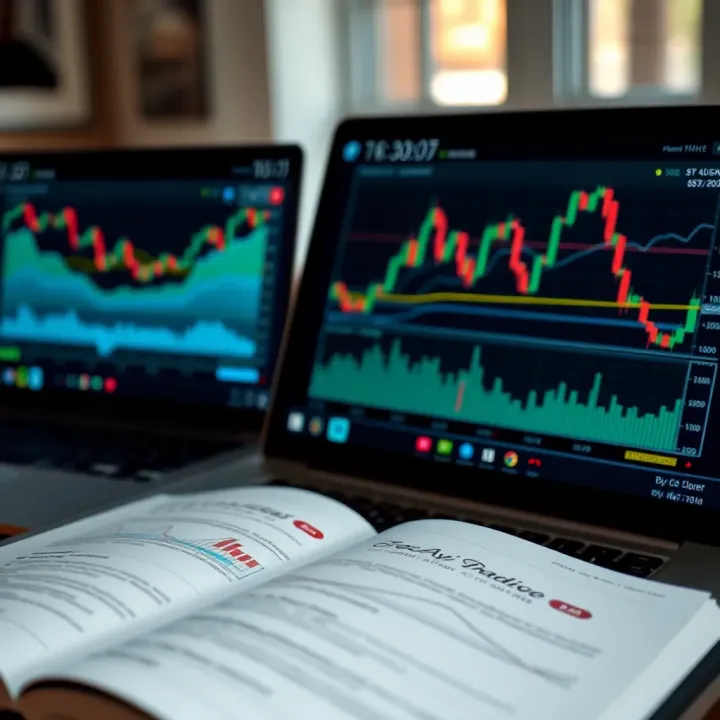
Technical analysis relies on charts, patterns, and indicators to predict future price moves. Popular books like "Technical Analysis of the Financial Markets" by John J. Murphy walk you through essential tools such as moving averages, RSI, and Fibonacci retracements. These methods let you spot trends and determine entry or exit points.
For South African traders, it’s useful to focus on strategies that consider the Rand’s volatility. Books explaining the Relative Strength Index (RSI) or Bollinger Bands can help you identify overbought or oversold conditions specific to ZAR pairs. For instance, let’s say the Rand suddenly weakens due to local political news; a solid grasp of technical indicators can help you adjust your trades swiftly.
Fundamental analysis leans on economic data, geopolitical events, and central bank decisions. Recommended books like "Currency Trading for Dummies" by Kathleen Brooks and Brian Dolan explain how factors like South Africa’s GDP figures, SARB interest rate decisions, or global commodity prices influence forex markets.
A practical example: if gold prices rise sharply—a commodity South Africa exports heavily—it typically supports a stronger Rand. Knowing how to interpret economic calendars or SARB announcements gives you the upper hand. This kind of analysis is especially important when technical signals are unclear or conflicting.
Many top traders employ a blend of technical and fundamental analysis. Books often emphasize this hybrid approach, recognising that no single strategy works perfectly all the time. As a local trader, you might use technical indicators to time trades while monitoring SARB monetary policies and Eskom-related disruptions to manage risk.
Besides, South African forex hours align differently compared to global markets, impacting liquidity and volatility. Combining the reading of economic news with chart patterns tailored to your trading windows can enhance decision-making.
Mastering practical strategies from respected forex books offers a sharper edge. The key is adapting these methods to South Africa’s unique market rhythms—balancing technical insight with fundamental context improves your chances of steady returns.
This balanced approach helps South African traders not only survive but profit amidst the ebbs and flows of the forex market.
Managing risk and emotions plays a vital role in sustaining long-term success in forex trading. Many South African traders jump straight into strategies without fully grasping how losses and market swings can affect capital and mindset. Having the discipline to manage these elements reduces costly errors and helps keep your trading on an even keel.
Risk management isn’t just about setting stop-loss orders or limiting position sizes; it’s about understanding how much of your capital is exposed to risk at any given time. Good forex books emphasise practical rules such as never risking more than 1-2% of your trading account on a single trade. For instance, if your trade involves a R50,000 account, risking R500 to R1,000 per trade prevents one wrong move wiping out your funds.
Books like Currency Trading for Dummies by Brian Dolan outline tools to calculate risk-reward ratios effectively, ensuring that potential profits outweigh possible losses. This approach stops traders from chasing bad trades or overtrading, which is common in volatile markets like the Rand. Alongside stop-losses, position sizing, and diversification within different currency pairs, traders learn to preserve their capital in the face of unpredictable movements.
Even with solid risk controls, emotions can make or break a trader. Fear, greed, and overconfidence often drive poor decisions like holding onto losing positions or entering impulsive trades after a winning streak. Leading texts such as Trading in the Zone by Mark Douglas delve into psychological traps by highlighting how recognising emotional bias enables more rational, consistent trading.
South African traders experience added pressure from factors like sudden Rand volatility and load shedding interruptions, which can amplify stress. Practical insights from these books encourage keeping a trading journal to track emotional states alongside market actions, helping identify patterns that influence poor choices.
Consistency in forex doesn’t come from being right all the time—it comes from managing losses well and keeping a calm, disciplined mind.
In short, mastering risk management principles combined with controlling emotional responses builds a foundation for steady results. For South African traders, this means adapting risk levels to local market quirks and remaining mindful of how external factors impact both the wallet and the headspace. Books that address both sides prepare traders not just to survive but to thrive in forex markets.
Advanced analysis techniques and tools are essential for traders aiming to sharpen their edge in forex markets. These concepts go beyond the basics, equipping you with methods to read charts, identify trends, and anticipate market moves more accurately. For South African traders, mastering these tools means being better prepared to handle the rand's often unpredictable swings and global influences.
Chart patterns provide visual cues about potential price moves. Forex books explain common formations like head and shoulders, double tops and bottoms, and flags or pennants. Each pattern signals shifts in market sentiment, helping traders decide when to enter or exit a trade. For example, spotting a double bottom on the USD/ZAR chart could hint at a potential reversal after a downtrend, prompting a timely buy.
Indicators add another layer of insight by processing price data into readable signals. Moving averages smooth out price fluctuations to show the overall trend, while the Relative Strength Index (RSI) indicates whether a currency pair is overbought or oversold. Books like "Technical Analysis of the Financial Markets" by John Murphy break down these indicators with practical examples that allow you to test them in simulated or live trading. Using these tools together helps avoid false signals and improves confidence in your trades.
Economic calendars are vital for staying ahead of events impacting forex markets, such as central bank announcements, inflation data, or GDP releases. Forex books stress the importance of not just knowing when events happen, but understanding how the outcomes typically affect currencies. For instance, a weaker-than-expected inflation print in the US could weaken the dollar, which often sees the rand gain ground against it.
South African traders should pay special attention during overlapping trading hours between major markets, like London and New York, when volatility tends to spike. Reliable economic calendars classify events by their potential impact, enabling you to plan trades around news without being caught off guard.
Effective use of news also means filtering noise from genuine market movers. Yearly, South Africa's Reserve Bank rate decisions or major political developments can cause significant rand moves. Forex books help you interpret these events, factoring them into both short-term and long-term strategies.
Advanced analysis tools aren’t just fancy extras; they’re practical aids that can mean the difference between a lucky guess and a well-informed trade.
Ultimately, combining chart patterns, technical indicators, and informed use of economic calendars and news forms a toolkit that enhances your ability to navigate forex markets successfully. This comprehensive understanding is indispensable for any serious South African trader aiming for consistent results.
To succeed in forex trading within South Africa, it’s vital to combine the lessons from global forex books with the nuances of the local market. Many trading strategies and principles found in popular books work broadly but might need tweaking to suit the rand’s quirks and domestic economic factors. Overlooking these local specifics can lead to misjudged market moves and costly mistakes.
The South African rand (ZAR) is known for its volatility, influenced heavily by local political events, commodity price swings, and global risk appetite. This makes risk management and timing even more crucial than in more stable currency pairs. For example, a strategy that relies on predictable trends might struggle during election periods or Eskom’s load shedding announcements, which often trigger sudden sell-offs or volatility spikes.
Traders also need to consider the trading hours on Epex (Exchange Electronic Platform), South Africa’s primary forex trading window. Unlike the 24/5 global forex market, the local platform’s operating times may require you to adjust your entry and exit points. Applying strategies designed for 24-hour markets without this consideration could leave you exposed when liquidity dries up during off hours.
Customising commonly recommended risk limits and position sizes to cope with ZAR fluctuations helps preserve capital. For instance, tightening stop-loss levels during politically tense periods or using smaller trade volumes can prevent outsized losses. Also, keeping an eye on local economic data releases is essential — events like SARB’s interest rate decisions or February’s tax deadline often cause sharp movements affecting the rand.
Learning forex doesn’t happen in isolation — engaging with local communities and trustworthy education sources gives you a clearer picture of how theory translates into practice here. Platforms like MyBroadband have active forums where South African traders share real-world experiences and tips. Several local brokers like IG and HotForex offer tailored webinars and workshops focused on rand trading and regional market updates.
Additionally, institutions such as the South African Institute of Financial Markets (SAIFM) and online portals like Forex School Online provide courses adjusted to South African market realities. These resources often tackle topics unique to this market, from regulatory compliance with the Financial Sector Conduct Authority (FSCA) to managing trades during Eskom-related uncertainties.
Building a trading edge in South Africa means weaving together book knowledge with an awareness of local factors — from rand behaviour to trading hours. This balanced approach sharpens your ability to make informed, timely decisions rather than relying solely on textbook theory.
To wrap it up, approaching forex trading with this local insight reduces risk and boosts confidence. Combining global wisdom with South Africa-specific information and communities often makes the difference between average and successful traders in Mzansi’s forex scene.
📈 Discover essential forex trading secrets for South African traders including key strategies, risk management tips, and avoiding common mistakes to boost profits.
📊 Master forex trading with clear tutorials for beginners & pros in South Africa. Learn markets, strategies & risk management to trade confidently!

🌍 Discover the essentials of forex trading in South Africa 🇿🇦. Learn how currency markets work, key terms, risks, and tips for safe trading success! 💹

Learn how South African traders can start forex trading with zero upfront costs 💹. Discover free demo accounts, key strategies, and risk tips to trade smart.
Based on 9 reviews