
Forex Trading Tips for South African Investors
💹 Get practical forex tips for South African traders. Master risk management, technical analysis & trading psychology to boost your success! 🇿🇦
Edited By
Sophie Turner
Picking the right trading app matters a lot for South African investors. Your choice can directly affect how well you manage your trades, how safe your money stays, and how much it costs you to trade. Whether you are buying shares on the JSE or dabbling in international stocks and ETFs, the app you use needs to suit your style and goals.
Many apps promise easy access and low fees, but not all deliver on safety, reliability, or suited features. Security should be a top priority — look for apps regulated by the Financial Sector Conduct Authority (FSCA) with strong encryption and two-factor authentication.
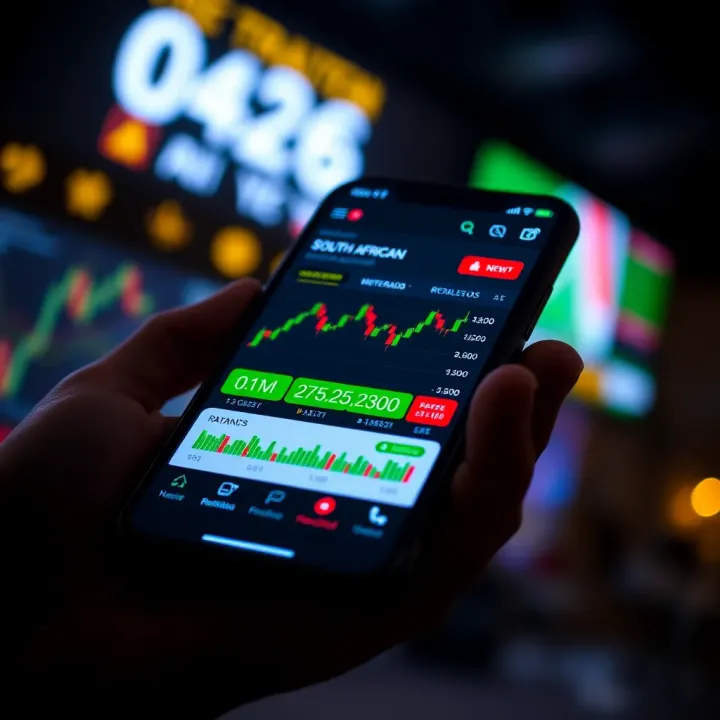
Costs also differ widely. Some apps target newbies with zero or low fees for trades but might have hidden costs in currency conversion or withdrawals. Others cater to active traders with more tools but charge per trade or monthly subscriptions. Be mindful of the spread, commission, and any inactivity fees.
Most importantly, consider what you need day-to-day. For example, if you want to trade South African shares often, you need an app that offers real-time JSE data and quick order execution. But if you plan on investing in US ETFs or ADRs, currency exchange rates and international access become key factors.
Always test out an app’s demo or use a free version where possible — this helps you get a feel for the user experience and spot any clunky interfaces or unreliable tools.
To sum up, focus on these critical points:
Regulation and security: FSCA oversight, encryption, and login safety
Cost transparency: clear fees, currency exchange costs, no hidden charges
Market access: local JSE shares plus any international products you need
Tools and usability: charting, order types, alerts, easy navigation
Customer support: responsiveness and local service
In the sections ahead, we’ll break down these aspects further and highlight popular trading apps that South African traders rely on. This will help you make a choice that’s right for your portfolio and peace of mind.
When picking a trading app, understanding its key features can save you time and frustration later. The best apps strike a balance between ease of use, a variety of trading options, and practical tools for decision-making. For South African investors, especially those juggling data costs and occasional loadshedding, these features become even more relevant.
A trading app should be straightforward to use, allowing you to find stocks, check your portfolio, or place trades without hunting through confusing menus. For example, platforms like EasyEquities are praised for uncluttered layouts that guide users smoothly. If you’re constantly switching between tasks or investing on the go, getting lost in clunky interfaces can cost you opportunities.
Being able to personalise your dashboard helps you focus on what matters to you. If you prefer tracking ETFs over individual stocks or want quick access to your favourite shares on the JSE, this feature lets you do that. Some apps, such as SatrixNOW, offer widgets that you can move around so your most important info is front and centre.
South Africans often rely on their mobiles, especially when commuting or during outage periods. A trading app that syncs seamlessly between mobile and desktop means you won’t miss a beat whether at work in Johannesburg or at home in Cape Town. Apps like Sharenet Trade offer both options with consistent performance, so you aren’t stuck using a stripped-down version on your phone.
For many investors, starting with well-known shares or exchange-traded funds (ETFs) is the norm. Apps that provide access to a broad variety of these instruments, including local bonds, offer a well-rounded portfolio choice. This variety means you can balance between growth shares and safer bonds, adjusting as market conditions change.
Some platforms go beyond traditional assets and offer forex trading or cryptocurrencies like Bitcoin and Ethereum. This extends your toolbox for speculative plays or hedging. But beware—crypto markets can be volatile and some apps charge hefty fees on Forex trades. Understanding these options can help you avoid nasty surprises.
Having the choice to trade on the Johannesburg Stock Exchange plus markets abroad gives you a wider spread of opportunities and diversification. For example, you might want shares in global tech giants listed on the NASDAQ alongside local mining stocks. Apps like Interactive Brokers provide this dual access, though currency conversion and international fees are factors to weigh.
Market prices shift in seconds, especially during volatile periods. Having real-time data means you see the latest prices rather than delayed figures, which could mislead your trading decisions. This feature is essential for active traders but also helpful for long-term investors wanting up-to-date info.

For those who rely on patterns and trends, in-built charting tools with indicators like moving averages or RSI help unravel market movements. These tools turn raw numbers into visual stories, making it easier to decide when to buy or sell.
Staying informed about company announcements, economic shifts in South Africa, or global events like interest rate changes can influence your trades. Integrated news feeds and expert commentary within the app keep this info handy, making your research quicker and more relevant.
To sum it up, the best trading apps blend clean design with a broad set of features. For South African investors, features that respect local market dynamics and mobile usage add real value.
When selecting a trading app, understanding the costs involved is vital. Fees can eat into your profits or increase your losses if not carefully considered. It's not just about finding the cheapest option but also recognising which charges are reasonable for the service offered. For South African investors, fees vary depending on whether trades take place on the Johannesburg Stock Exchange (JSE) or international markets, and recognising these differences helps you avoid surprises at settlement.
Standard rates on JSE trades typically range between 0.25% and 0.5% per trade, depending on the broker. For example, EasyEquities charges a flat brokerage fee of R5 for trades under R10,000, which suits smaller investors. More active traders or higher-value accounts might benefit from tiered rates or negotiated fees. Understanding these rates upfront can make a real difference, especially if you trade frequently or in large volumes.
International trade costs usually come with additional fees such as currency conversion and higher commissions. If you invest in overseas shares or ETFs using platforms like Interactive Brokers or eToro, expect foreign exchange fees of around 0.1% to 0.5% on the converted amount. Plus, some apps also charge custody or handling fees on international holdings. It's wise to tally these extra costs as they add up quickly, especially with small-to-medium portfolio sizes.
Flat fees versus percentage fees impact how much you pay per trade. Flat fees provide certainty — for instance, a fixed R5 per trade regardless of amount — but they disproportionately affect smaller trades. Percentage fees, like 0.3% per trade, scale with the investment size but might be costlier for large transactions. Think through your typical trade size and frequency. A casual investor doing occasional R1,000 purchases might prefer flat fees, while a seasoned trader handling R100,000 trades may find percentage fees fairer.
Monthly or annual account fees are charges brokers apply simply for holding your account. Some platforms, such as SatrixNOW, waive these fees if you trade regularly, while others charge upwards of R50 monthly. For long-term investors who seldom trade, these fees can slowly drain returns, so check the fine print.
Costs related to deposits and withdrawals can vary widely. While many South African brokers allow free deposits via EFT, some international platforms might charge fees or require minimum amounts. Withdrawal fees are often more common, and can be fixed or percentage-based, especially if foreign currencies are involved. An example is having to pay R100 to withdraw from an overseas account back into your local bank.
Hidden or inactivity fees are sneaky costs that catch investors off guard. Some apps charge if your account remains dormant for a certain period, say three months without trades. Others might impose fees for statements or account closure. It's best to look out for these to avoid unnecessary charges, especially if you’re setting up an account for occasional use or as a backup investment channel.
Understanding these costs clearly upfront helps you choose a trading app that fits your budget and style, ensuring that fees don’t quietly chip away at your investment gains.
By comparing these fees carefully, you’ll be equipped to select the right platform, whether you’re trading local shares or dipping into global markets. Keep in mind the bigger picture — sometimes a slightly higher fee with better tools and support adds value that cheaper options lack.
Security and regulatory compliance are fundamental when choosing a trading app, especially for South African investors. These elements ensure that your personal information, funds, and trades are protected from cyber threats and fraud. More importantly, they guarantee that the platform operates legally under South African financial laws, offering a layer of trust and accountability to safeguard your investments.
Secure logins and two-factor authentication (2FA) are crucial safeguards. Most reputable trading apps now require 2FA, which means you provide two forms of identification before accessing your account – usually a password plus a code sent to your mobile device. This extra step significantly lowers the risk of unauthorised access, which is vital amid increasing cybercrime targeting online financial accounts.
Data encryption standards protect sensitive information during transmission and storage. For example, encryption protocols like SSL/TLS scramble your data so that if intercepted, it remains unreadable to hackers. When using a trading app, look for clear indications like a lock symbol in the browser or app interface, signalling your data is encrypted. This ensures your financial details and trading activity are kept private and secure.
Privacy policies aligned with POPIA (Protection of Personal Information Act) prevent misuse of your personal data. POPIA mandates companies to handle personal information responsibly, transparently, and with your consent. Reputable apps should disclose exactly what data they collect and how they use it, granting you control and assurance that your details won’t be sold or shared without permission.
FSCA registration of brokers guarantees that the trading platform or broker is authorised by the Financial Sector Conduct Authority. This South African regulator enforces strict rules to protect investors and maintain market integrity. If a broker isn’t registered with the FSCA, you risk dealing with an unregulated entity that offers little recourse if things go wrong.
Compliance with FICA and RICA is non-negotiable. The Financial Intelligence Centre Act (FICA) and the Regulation of Interception of Communications Act (RICA) require brokers to verify client identities and monitor suspicious activity to combat money laundering and fraud. During account setup, expect to provide identification documents and proof of address. This vetting protects you and the system from criminal abuse.
Protection of client funds and segregation means your money is held separate from the broker’s operational accounts. This segregation ensures that even if the broker faces financial trouble, your funds remain safe. Many FSCA-registered brokers maintain these distinct accounts and regularly audited processes, offering peace of mind when depositing money or proceeds from your trades.
When selecting a trading app, always check for clear security features and South African regulatory compliance to make informed, safer investment choices.
Selecting the right trading app makes a big difference in how effectively you can manage your investments. A platform that fits your experience level, market interests, and support preferences ensures you maximise your trading potential without unnecessary hassle or confusion. South African investors should weigh up their priorities carefully—whether that involves straightforward accessibility or more advanced options.
For beginners, simple and educational platforms are essential. These apps offer an easy-to-use interface with clear explanations of trading basics. For instance, EasyEquities lets users buy fractional shares, which lowers the entry barrier and encourages learning. Most importantly, these platforms often include educational resources like step-by-step guides and videos tailored to the South African market.
On the flip side, seasoned investors benefit from advanced tools such as detailed charting capabilities, real-time alerts, and complex order types. Apps like Interactive Brokers offer these features and access to a variety of international markets. Having such tools allows experienced traders to react quickly to market volatility or perform deep technical analysis, giving them an edge.
Demo accounts and tutorials bridge the gap for all users. Practising trades with pretend money helps users familiarise themselves with the trading environment without risking actual funds. SatrixNOW, for example, provides demo accounts and tutorials that cover portfolio building and risk management, bringing practical wisdom to both novices and more confident traders.
Investing directly on the Johannesburg Stock Exchange (JSE) brings specific advantages like lower costs and investment in familiar companies. Focusing on JSE trades means you deal in Rands, avoiding currency conversion worries. Plus, you support South African enterprises, and regulations are tailored locally, simplifying matters.
However, many investors want access to international markets like the NYSE, NASDAQ, or even Asian exchanges to diversify their portfolios. Platforms such as eToro or Interactive Brokers cater to this need, offering access to global stocks, ETFs, and other assets.
That said, currency exchange considerations are vital. Buying foreign assets involves conversion fees and exposure to rand fluctuations. For example, when the Rand weakens against the US Dollar, your international investments may cost more or suffer value drops when converted back. Some apps offer currency hedging, but it usually comes at a cost.
Reliable availability and responsiveness from customer support is non-negotiable. Problems with trades or delays can cost money, so quick responses matter. Platforms with dedicated South African support teams familiar with local market conditions, like Sharenet Trade, typically deliver faster, more relevant help.
Localised support options such as phone lines or walk-in centres provide extra peace of mind, especially for users less comfortable with digital-only communication. This localisation respects time zones and language nuances which can ease complex queries.
Finally, many investors appreciate community forums and social trading features. These spaces offer the chance to discuss strategies, learn from peers, or copy trades from successful investors. eToro's social trading is a prime example, making knowledge-sharing accessible and helping investors feel part of a broader community.
Choosing a trading app isn’t just about low fees or flashy features. It’s about finding a platform that matches your needs, whether you’re a first-timer or a seasoned pro, and one that supports your journey through clear guidance and responsive service.
In the South African investment scene, trading apps have moved from a niche convenience to essential tools for both beginner and seasoned investors. Choosing the right app means balancing access to local and global markets, costs, and platform functionality. Local platforms offer a straightforward route to the Johannesburg Stock Exchange (JSE), while international apps broaden opportunities with diverse assets and markets.
EasyEquities simplifies investing by democratising access to the JSE and select global markets. It suits those starting out or anyone wanting low minimum investments. Instead of traditional share buying, EasyEquities allows fractional ownership, letting you start with amounts as small as R10. This lowers entry barriers, making the JSE more accessible without the burden of high fees.
SatrixNOW focuses on exchange-traded funds (ETFs), catering to investors interested in passive index tracking linked to South African and international benchmarks. It offers a user-friendly app with no minimum deposit and a clear fee structure. For investors aiming to build diversified portfolios without navigating individual stocks, SatrixNOW’s emphasis on ETFs aligns with long-term growth and cost efficiency.
Sharenet Trade targets experienced traders seeking comprehensive JSE access and detailed trading tools. Beyond basic share trading, it offers real-time data, charting, and alerts. While its cost structure reflects its advanced features, Sharenet Trade is worth considering for those who rely on technical analysis and timely market information.
eToro brings social trading to the table, allowing users to follow and copy trades from experienced investors worldwide. It offers access to multiple asset classes including cryptos, forex, and global stocks. South African users benefit from its social features, alongside competitive fees for global market participation, a significant plus for diversifying beyond the JSE.
Interactive Brokers is a heavyweight known for its professional-grade platform and broad market access in over 135 countries. It suits active traders who demand advanced research, low commissions, and comprehensive asset coverage. Although its platform can feel complex at first, it’s a powerful choice for sophisticated South African investors aiming for international diversification.
Plus500 focuses on contract-for-difference (CFD) trading with an emphasis on simplicity and wide market coverage. It's ideal for traders looking to speculate on price movements without owning the underlying assets. The app supports access to forex, commodities, indices, and shares – providing an alternative route into global markets for users comfortable with leveraged products.
Fee structures vary considerably between apps. Local platforms tend to have transparent, simpler fees, often blending brokerage with platform costs. EasyEquities, for example, charges a flat rate per trade, beneficial for small investors. International apps might impose varied commissions, currency conversion fees, or inactivity charges, so it pays to calculate total costs based on your trading style.
Market coverage determines how versatile a platform is. Some focus solely on the JSE, offering depth but limited diversification. Others combine global stocks, ETFs, cryptos, and forex. Your choice depends on whether you want to focus on South African equities or tap into opportunities worldwide.
User experience differences can make or break your trading comfort. Some apps prioritise beginner-friendly design with simple navigation and educational support; others gear toward professionals with complex analytics and custom indicators. Testing a demo or trial account helps gauge which suits your trading approach.
Understanding the strengths and weaknesses of both local and international trading apps is crucial for South African investors looking to build balanced and cost-effective portfolios. Pick a platform that matches your trading experience, market interests, and budget.
💹 Get practical forex tips for South African traders. Master risk management, technical analysis & trading psychology to boost your success! 🇿🇦
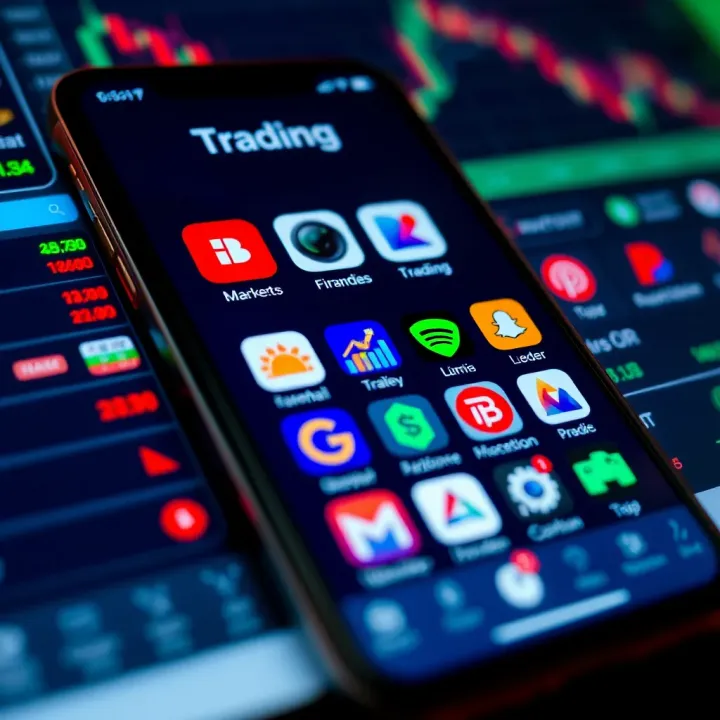
📊 South African investors: Discover how to pick the top trading app with insights on platforms, features, security, costs & user experience. Make smart trades today!

📱 New to trading in South Africa? Discover how to pick the best app with easy usability, fair fees, top features & helpful educational tools to start smart.
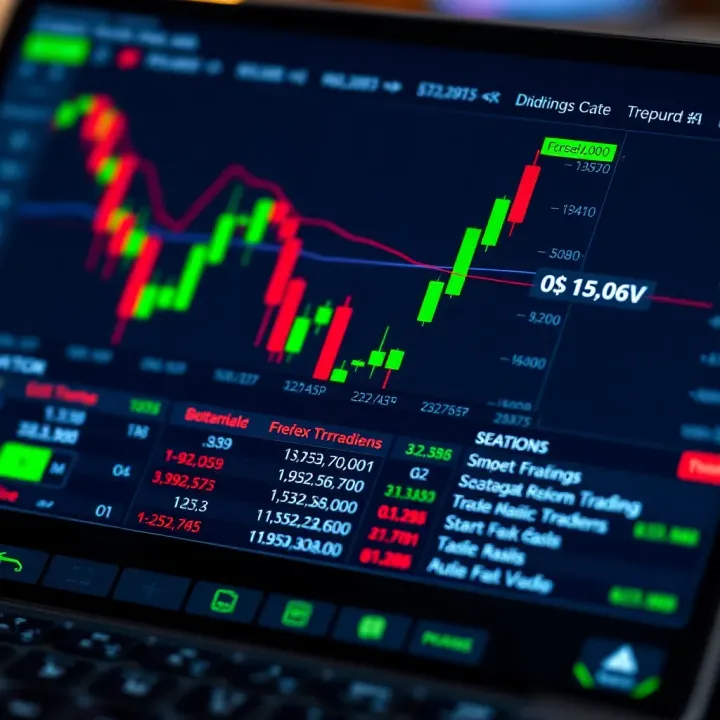
Discover which forex trading app suits South African traders best 🇿🇦. Learn to evaluate features, security, costs & user experience for smarter choices 📱💸
Based on 12 reviews