

Understanding the South African Economic Calendar
📅 Discover how South African investors can use the economic calendar to track key local & global events, interpret impact, and boost investment strategies confidently.
Edited By
Emily Bennett
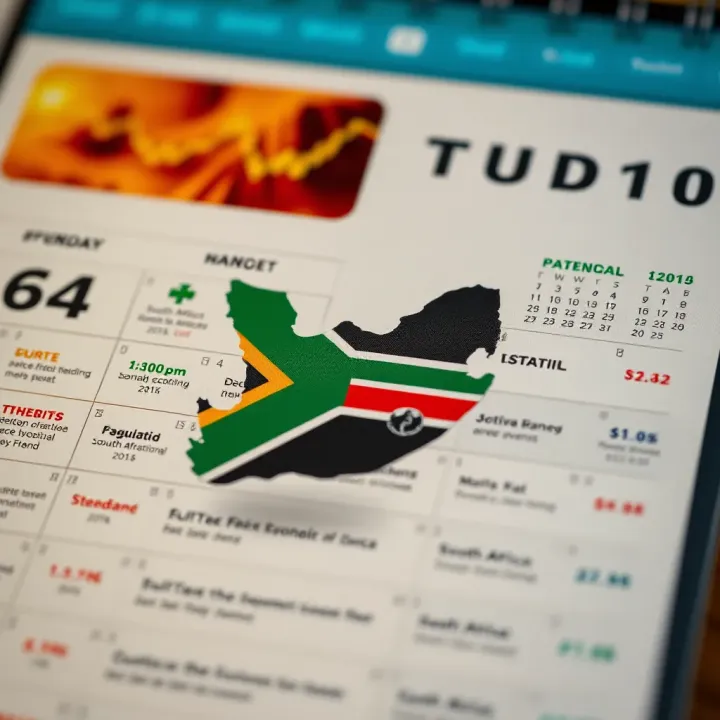
South Africa's economic calendar serves as a crucial guide for traders, investors, and financial analysts looking to anticipate market moves and make informed decisions. It lists the scheduled dates for important economic data releases, government statements, budget announcements, and key financial events. Keeping a close eye on this calendar helps in understanding how local and global factors shape the market.
Central to the calendar are monthly stats like the Consumer Price Index (CPI) inflation figures, unemployment rates, and retail sales data. For example, when Statistics South Africa releases quarterly GDP growth numbers, markets often react quickly, adjusting share prices and currency values based on this insight into economic health.

Government announcements, such as the National Budget speech delivered annually by the Minister of Finance, have a pronounced impact. The budget outlines fiscal policy, government spending, and tax plans. Businesses and investors use this information to reassess risk and opportunity across sectors.
The Reserve Bank’s Monetary Policy Committee (MPC) meetings are another focal point. Interest rate decisions and their accompanying statements influence borrowing costs and exchange rates directly. For instance, an unexpected rate hike can strengthen the rand but also tighten credit conditions.
Staying ahead means not just following dates but interpreting the data in context — understanding the connections between inflation, employment trends, and market confidence within South Africa's shifting economic landscape.
To get the most from the economic calendar, track these key areas:
Scheduled data releases: Inflation, GDP, trade balance, employment stats
Government events: Budget speech, medium-term budget policy statements
Monetary policy: Reserve Bank rate decisions and communiqués
International events: Global commodity prices and world economic events that heavily influence South Africa’s export-driven sectors
Use reliable sources like Statistics South Africa, the SARB (South African Reserve Bank), and reputable financial news outlets for accurate updates. A deliberate approach, combining calendar tracking with ongoing analysis, will sharpen your ability to predict market shifts and seize timely opportunities in Mzansi’s economy.
The South African economic calendar is a crucial tool for anyone involved in trading, investment, or financial analysis. It outlines the dates of key economic data releases, government announcements, and central bank decisions that influence market movements. Knowing when these events happen helps traders anticipate volatility and investors make informed decisions, rather than reacting blindly to surprises.
Specifically, the calendar highlights two broad categories: key economic indicators and important government and central bank dates. Both are essential because they provide clues about the health of the economy and potential policy shifts, affecting everything from the rand's strength to JSE shares.
GDP growth and updates provide a snapshot of how much the South African economy is expanding or contracting over a particular period. Traders watch GDP figures closely because sustained growth often signals stronger corporate earnings and can lead to a stronger rand. For example, a disappointing GDP report in Q4 2023 triggered a brief dip in the local currency as markets feared slower economic activity.
Inflation rates and Consumer Price Index (CPI) gauge the rise in prices that South Africans face daily. When inflation spikes above SARB’s target band (3-6%), it often prompts interest rate adjustments. For investors, tracking CPI releases shows when borrowing costs could rise, affecting bond yields and equities. Inflation also impacts consumer wallets, so retail-heavy stocks may react accordingly.
Unemployment statistics reveal the percentage of the labour force without work. High unemployment tends to dampen consumer spending and business confidence. Last year's official data showed setbacks that caused jitters among JSE investors worried about sluggish demand. For analysts, these stats help gauge the social and economic pressures influencing policy decisions.
Retail sales and manufacturing output reflect consumer activity and industrial performance. A strong retail sales report often signals healthy household spending, which boosts sectors like banking and consumer goods on the JSE. Manufacturing figures, on the other hand, help assess industrial health and can point to shifting trade balances, especially given South Africa’s reliance on exports.
SARB interest rate decisions are among the most closely followed dates. The South African Reserve Bank’s Monetary Policy Committee meets every two months to decide on repo rates, affecting lending and mortgage costs. For example, a hike in rates usually strengthens the rand but could dampen stock market enthusiasm. Traders often position themselves ahead of these decisions to either hedge or profit from expected volatility.
Budget speeches and fiscal announcements by the National Treasury set out government revenue plans, expenditure, and economic priorities. These speeches often influence investor confidence, especially when they address debt levels or infrastructure spending. The annual budget speech can cause shifts on the JSE and in bond markets depending on how investors interpret fiscal discipline.
Tax deadlines and SARS updates affect both individuals and businesses directly. Tax changes or SARS policy announcements on filing deadlines or compliance can lead to cash flow adjustments for companies and alter consumer spending patterns. Financial advisors and corporate treasuries track these dates closely to avoid penalties and optimise tax planning.
Keeping an eye on these calendar items equips you with the foresight to anticipate market moves rather than chase them. It’s about transforming dates into actionable insights.
With this overview in hand, you become better poised to manage risks and capture opportunities as South Africa’s economic landscape shifts.
Economic events in South Africa have a ripple effect across different markets, shaping currency values, stock movements, business decisions, and consumer behaviour. For traders and investors, understanding these impacts offers a tactical advantage when navigating the volatile South African economic terrain. These events are more than mere dates on a calendar; they signal shifts in policy, economic health, and sentiment.
The South African Reserve Bank (SARB) interest rate decisions directly influence the rand’s strength. When SARB raises rates to curtail inflation, the rand often strengthens due to higher yields attracting foreign investors seeking better returns. Conversely, a rate cut might weaken the rand as investors look elsewhere for income. For example, the SARB’s decision in July 2023 to hold rates steady amid concerns about slowing growth led to rand volatility, as market participants debated the bank’s outlook.
Trade balance figures, showing exports versus imports, also sway the rand. A surplus signals more foreign currency flowing in from exports, supporting the rand. A deficit means the opposite, often causing depreciation. In Q1 2024, when South Africa’s trade surplus improved due largely to mineral exports, the rand tumbled less than expected, cushioning financial markets from wider shocks associated with global commodity price shifts.
Around major economic releases or announcements, the rand often experiences spikes in volatility. This makes trading riskier but also offers opportunities. For instance, during the budget speech or ahead of SARB’s repo rate statements, market liquidity can thin out, causing erratic jumps in the rand’s value. Savvy traders monitor these events closely to time entries and exits appropriately.
Inflation data influences JSE sectors differently. High inflation worries investors due to potential interest hikes, putting pressure on sensitive sectors like retail and consumer goods. Yet, mining shares might gain if inflation is driven by commodity price increases. After Consumer Price Index (CPI) data in late 2023 showed inflation remaining above target, the JSE experienced a rotation from consumer stocks into resources, reflecting this dynamic.
The national budget announcement shapes investor mood on the JSE. A fiscally responsible budget with clear revenue and spending plans may boost confidence, leading to rallies in stocks perceived as beneficiaries of government projects or stable policy. Conversely, an unfavourable budget can shake markets. During the 2024 budget speech, caution about rising debt sparked subdued trading, demonstrating the connection between public finances and market behaviour.
Changes in SARB’s repo rate or inflation figures affect borrowing costs for businesses and consumers. When rates rise, banks increase lending rates on home loans, vehicle finance, and business loans, which can slow down buying and investment. For SMEs, higher interest can mean delayed expansion plans. Households might put off purchasing goods on credit, influencing economic momentum.
Economic events that raise operating costs or cause uncertainty typically dent consumer spending. For instance, higher inflation combined with load-shedding struggles have led to cautious spending patterns among South African consumers in 2023. Retailers often notice slower sales growth during these periods, reflecting the more restrained wallet behaviour.
Announcements related to fiscal policy or economic outlook shape how confident local businesses feel. Uncertainty around tax hikes or foreign investment restrictions can stall new projects. An example was the hesitancy to invest after unclear policy signals in early 2024, which slowed capital expenditure in manufacturing and construction sectors.
Understanding how specific economic events impact the rand, the JSE, and broader business activity helps investors and businesses make informed decisions based on real-time signals rather than guesswork.
By keeping a finger on these economic pulses, you can better anticipate market shifts and position yourself accordingly.
Keeping an eye on South Africa's economic calendar is key for traders, investors, and financial analysts aiming to time their moves well. The calendar pinpoints dates when major economic reports, government announcements, or monetary policy updates drop. Missing these could mean losing out on opportunities or getting caught off guard by market swings.
The South African Reserve Bank (SARB) regularly publishes information that directly affects interest rates, inflation projections, and monetary policy direction. For example, SARB’s quarterly Monetary Policy Committee statements help traders anticipate moves in repo rates, which often drive fluctuations in the rand and local bond markets. Accessing these releases on SARB’s official website or trusted news outlets guarantees you catch these dates in time.
South African Revenue Service (SARS) and National Treasury updates are equally vital. Budget speeches, tax deadline changes, or fiscal policy shifts from these bodies can sway investor sentiment and affect government bond yields. For instance, National Treasury's annual budget speech usually sets the tone for the economic year and influences sectors like infrastructure and social grants. Monitoring these helps businesses and investors align their strategies with fiscal realities.
Sites such as Moneyweb and MyBroadband offer timely summaries and expert analysis of economic data releases, government announcements, and market reactions. They often break down complex topics such as trade balance reports or inflation statistics into digestible insights. These platforms provide real-time updates, so subscribing or regularly checking them enables you to stay informed without sifting through dense official reports.
Most economic events happen on a regular timetable, but it's easy to forget specific dates amidst daily tasks. Setting calendar reminders for crucial releases like the SARB interest rate decision or quarterly GDP updates ensures you’re ready and don’t miss out on market-moving data. A simple alert can make the difference between acting swiftly or watching opportunities slip by.
Several financial apps and news services allow you to subscribe to customised alerts for South African economic events. For example, downloading the Moneyweb or MyBroadband app and enabling notifications can deliver immediate updates directly to your mobile. This instant access is handy, especially when you're on the move and need to adjust positions or strategies quickly.
Numbers alone don’t tell the full story. When inflation is reported, for instance, it’s important to grasp what drove the change—was it fuel prices, food, or transport costs? Context helps in assessing whether the data signals a temporary blip or a longer-term trend. Reading expert commentary alongside raw figures can deepen your understanding, leading to more informed trading decisions or business planning.
Staying informed through reliable sources and practical tracking tools helps you navigate South Africa's economic landscape with confidence and precision. Never underestimate the value of context and timely information in making sound financial moves.
South Africa's economic calendar does not exist in a vacuum; it is deeply influenced by ongoing challenges that the country faces. Navigating these factors is vital for anyone tracking economic indicators or making investment decisions. A clearer understanding of issues like loadshedding and global market shifts helps you interpret the data with the right context.
Loadshedding remains a persistent drag on South Africa's industrial sector. Scheduled power outages disrupt manufacturing lines, leading to lower production volumes and higher operational costs. For instance, manufacturers of automotive parts in the Eastern Cape have reported significant downtime during higher loadshedding stages, which in turn affect supply chains and output forecasts. This disruption is not just a blip but often causes delays in fulfilling export orders.
The practical takeaway here is that economic data on manufacturing output may sometimes reflect these power interruptions rather than underlying demand issues. Investors should factor in loadshedding cycles when assessing production statistics or company earnings.
Loadshedding's ripple effects extend into South Africa’s GDP growth numbers. When key industries slow down or halt production, overall economic activity dips accordingly. Eskom’s inability to provide reliable electricity often correlates with slower quarterly GDP growth, sometimes shaving off up to 1 percentage point.
This impact means that growth figures released alongside loadshedding periods require extra scrutiny. Rather than signalling systemic economic weakness, these dips might primarily be the temporary fallout of energy shortages. Traders and analysts need to separate these effects from more fundamental economic trends.
South Africa’s economy largely depends on exporting commodities like gold, platinum, and coal. Fluctuations in global commodity prices directly affect government revenue and business profitability. For example, when platinum prices dip due to weaker demand in China, local mining firms face tighter margins, which can lead to decreased investment and job losses.
Understanding this relationship helps stakeholders anticipate the impact of international events on the South African economy. If commodity prices rise, one might expect a boost in the trade balance and rand strength; the reverse usually applies when prices slump.
The rand often feels the strain from both global and domestic factors. International uncertainty, like US interest rate hikes or geopolitical tensions, can weaken the rand as investors seek safer assets. Locally, fiscal policy announcements or deteriorating credit ratings can add to exchange rate volatility.
This volatility matters for importers, exporters, and investors alike. For example, a weakening rand increases the cost of imported goods, pushing inflation higher. Traders who follow the economic calendar should watch for events that may trigger sudden rand swings to adjust their positions accordingly.
In response to these economic challenges, the South African government and SARB regularly adjust policies to stabilise the economy. Interest rate changes by the Reserve Bank aim to manage inflation without stifling growth. Meanwhile, Treasury's budget allocations may shift towards infrastructure investments to counteract the effects of loadshedding and stimulate economic activity.
Businesses and investors must stay abreast of these policy moves as they influence market conditions and economic forecasts. For example, an unexpected SARB rate cut can lower borrowing costs, encouraging investment, while increased infrastructure spending might improve long-term growth prospects.
Staying informed about South Africa's unique challenges helps you read between the lines of economic data. This context ensures better timing and decision-making, especially in a market as dynamic as Mzansi's.
In summary, keeping an eye on loadshedding cycles, global commodity trends, exchange rate movements, and policy shifts is crucial for anyone relying on the economic calendar to make sense of South Africa's economic landscape.
Understanding the economic calendar isn't just about noting dates; it's about making those dates work for you. Whether you're trading on the JSE or planning business operations, aligning your actions with key economic releases can provide a real edge. By anticipating market movements triggered by official reports from the South African Reserve Bank (SARB) or Statistics South Africa, you can make smarter decisions rather than reacting after the fact.
Timing trades around announcements is a practical way to manage risk and seize opportunities. For instance, if the SARB signals an upcoming interest rate hike, the Rand might strengthen, and certain sectors on the JSE like banks could rally. Traders who are aware of the announcement schedules can prepare, placing trades before volatility kicks in or avoiding overexposure during turbulent times. Similarly, unexpected inflation data can send ripples through currency and equity markets, so knowing when these stats drop helps traders avoid getting caught on the wrong side.
Assessing risk with economic trends means keeping an eye on the bigger picture beyond individual days. Tracking trends in GDP growth, unemployment, or consumer confidence offers insights into market sentiment and the health of the economy. For example, persistent poor retail sales figures might suggest consumers are tightening their belts, impacting retail and manufacturing stocks negatively. Savvy investors use this data to adjust their portfolios, opting for defensive stocks during weak trends or cycling into growth sectors as confidence returns.
Budget planning aligned with fiscal updates allows businesses to anticipate tax changes or shifts in government spending. When National Treasury announces adjustments in corporate tax or introduces new levies, companies can revise their financial forecasts, avoiding cash flow surprises. For example, a manufacturing firm might delay certain capital purchases if a budget speech hints at increased VAT or import duties. Being proactive here ensures smoother operations and better financial control.
Adjusting strategies based on consumer data helps entrepreneurs respond to changing buying habits. A drop in retail sales or shifts in consumer price inflation can reveal where people are cutting back. Businesses that track such data might pivot marketing efforts to value-conscious customers or adjust stock levels accordingly. For instance, a food supplier noticing rising inflation might focus more on affordable staples than premium products, tailoring supply to what customers can afford during tougher times.
Understanding how economic shifts affect loans and prices is key to managing personal finances. When SARB raises interest rates to curb inflation, loan repayments on variable rates (like home bonds or vehicle finance) can jump, tightening household budgets. Consumers aware of this can take steps like refinancing or paying down debt ahead of such hikes. Likewise, inflation pushes up everyday costs—from petrol to groceries—so recognising these changes early supports better budgeting.
Staying informed to make smarter spending decisions means following economic news related to your everyday life. Knowing when retail sales dip or petrol prices rise allows consumers to plan purchases more wisely. For example, avoiding big buys when inflation is surging could save money. Also, tracking special tax-free savings account limits or SARS deadlines helps avoid penalties. Consumers who keep tabs on the economic calendar often find better ways to save or stretch their income.
Staying ahead with economic calendar insights isn’t just for experts — it’s a practical tool anyone can use to navigate South Africa’s complex economic landscape smarter and smoother.
By keeping up with key dates and understanding their consequences, you can anticipate market shifts, refine business strategies, and make everyday financial decisions that keep money working for you rather than against you.
📅 Discover how South African investors can use the economic calendar to track key local & global events, interpret impact, and boost investment strategies confidently.

📅 Explore the World Economic Calendar, learn how global data shapes markets, impacts assets, and helps South African traders make smarter moves worldwide.

📅 Discover how the FX economic calendar shapes forex trading in South Africa. Learn to interpret key events and data for smarter currency moves.

Manage business risks in South Africa with clear steps, tools, and strategies to protect your goals and grow confidently. 📊⚠️
Based on 13 reviews