

Binary Robot Trading in South Africa: A Practical Guide
🤖 Understand how binary robot trading automates options buying and selling in South Africa. Learn advantages, risks & smart tips to trade safely and confidently.
Edited By
Oliver Mitchell
Binary option robot auto trading software has become a popular tool among South African traders looking to automate their investment strategies. These programmes execute trades on your behalf, based on pre-set algorithms and market data signals. Instead of manually buying or selling options, the software analyses market movements and places trades in real-time—freeing traders from staring at screens all day.
Typically, the software connects directly to the brokerage account. Once you configure your trading preferences—like risk tolerance, trade amount, and asset types—the robot takes over. For example, it might only trade on high-volatility shares like Sasol or MTN during certain hours, aligning with your strategy.
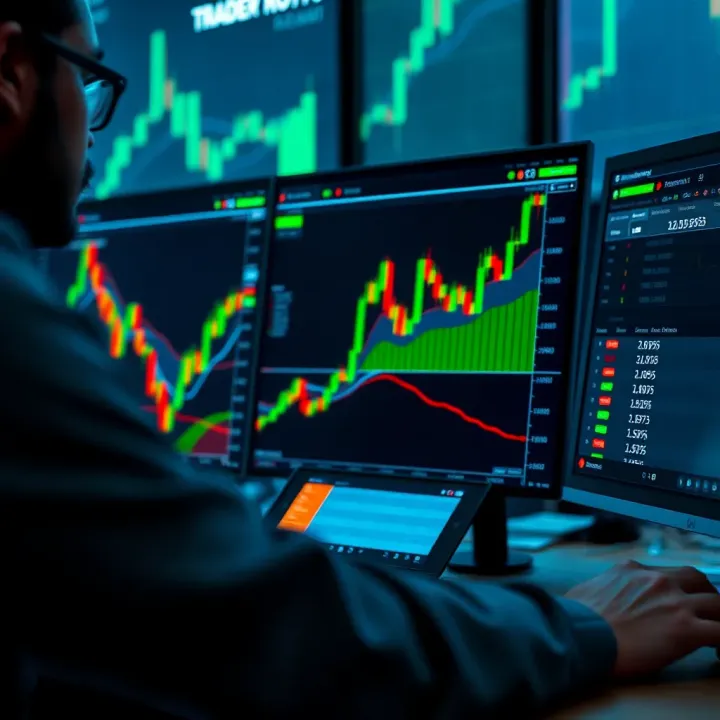
Automated trading isn’t a silver bullet. It requires constant oversight, especially considering South Africa's unique market conditions, such as loadshedding and regulatory factors.
Most binary option robots offer features such as backtesting (testing strategies against historical data), adjustable trade parameters, and automatic stop-loss to limit losses. Some even incorporate machine learning to refine decisions over time. However, it's important to choose software with transparent performance history and clear terms, to avoid falling for scams.
While the promise of hands-free trading sounds attractive, risks remain. Market volatility means that even the smartest algorithm can't predict all events—like a sudden rand plunge or unexpected policy change. Additionally, not all robots are created equal; some use unreliable data sources or lack proper safeguards, putting your investment at risk.
To get the most from binary option robot software, South African traders should:
Start with demo accounts to familiarise themselves without risking capital.
Set clear limits on daily trade amounts and maximum losses.
Keep abreast of local market news that might affect trades.
Check whether the software complies with South African financial regulations.
Understanding how these systems operate is key. Instead of relying solely on the robot, treat the software as a tool that enhances your trading capabilities. With cautious use and proper setup, auto trading software can complement your strategy, but always remember the value of human judgment.
This overview sets the stage for exploring how binary option robot auto trading software functions, its features, and its fit in the landscape of South African trading.
Understanding how binary option robot auto trading software operates is essential for traders aiming to use these tools effectively. These systems automate trading decisions using algorithms that analyse market data, potentially saving you time and reducing emotional errors. That said, knowing the mechanics behind these robots helps you manage expectations and risks properly.
Binary options trading involves predicting whether an asset’s price will go up or down within a specific time frame. You place a trade based on this ‘yes’ or ‘no’ type of bet, where the payout is fixed if your prediction comes true. For example, if you believe that the price of gold will rise in the next hour, you buy a binary option that pays out a set sum if that happens. If the price falls, you lose your stake. This all-or-nothing setup makes timing and accurate market analysis critical.
Auto trading robots scan loads of market data—price movements, historical trends, and technical indicators like moving averages or RSI (Relative Strength Index)—to gauge where prices are headed. The software sniffs out patterns much faster than a human could. For instance, if the algorithm spots a consistent uptick in a currency pair accompanied by rising volume, it may signal a trend worth following.
Once the software generates a signal, it can place trades automatically on your behalf via your linked broker account. This removes delays often caused by manual execution and helps capture opportunities as they arise, even if you’re asleep or busy at work. That said, it also means you rely heavily on the robot’s programming, so regular monitoring is still needed.
Most robots offer features like:
Customisable risk settings to control trade size
Multiple strategy options to diversify
Real-time market scanning with adjustable parameters
Automatic stop-loss functions to limit losses
These tools help tailor the robot’s activity to your risk tolerance and trading style.
Many robots use trend-following algorithms, which basically attempt to ride current market momentum. If an asset’s price has been rising steadily, the software buys the binary option expecting the trend to continue. This approach works well in stable markets but can struggle during sudden reversals or sideways movement.
Other algorithms focus on spotting potential turning points. They look for signs like overbought or oversold conditions to predict when a price might reverse. For example, a robot might sell a binary option on a currency pair that’s hit an RSI above 70, signalling overbought territory.
Signal generation combines various technical indicators and filters to decide the best times to enter trades. The software weighs conflicting data points and flags moments when multiple signals align. This reduces false positives, but no system is perfect. It's wise to use robots in conjunction with your own market insights.
Remember, binary option robots provide tools to automate decisions but don’t guarantee profits. Their effectiveness depends heavily on sound strategy and active management.
With these basics, you’re better equipped to understand what drives auto trading software and how to choose the right one for your needs.
Choosing dependable auto trading software is essential for South African traders who want to avoid costly mistakes and make the most of their investments. Reliable software offers stability, accuracy, and security, allowing users to trust their trades are executed well and their data protected. Without core features such as strong customisation, seamless broker integration, and clear reporting, traders risk losing control or falling prey to scams.
A user-friendly interface simplifies managing trades and adjusting strategies. Reliable software provides intuitive dashboards that clearly display market data, open trades, and settings. Customisation options allow traders to tweak parameters—like risk level, asset selections, and trade volume—to suit their style and risk appetite. For example, a user might prioritise shorter trade durations for quick gains or opt for higher-risk, higher-return settings. This flexibility keeps users in control rather than locked into rigid systems.
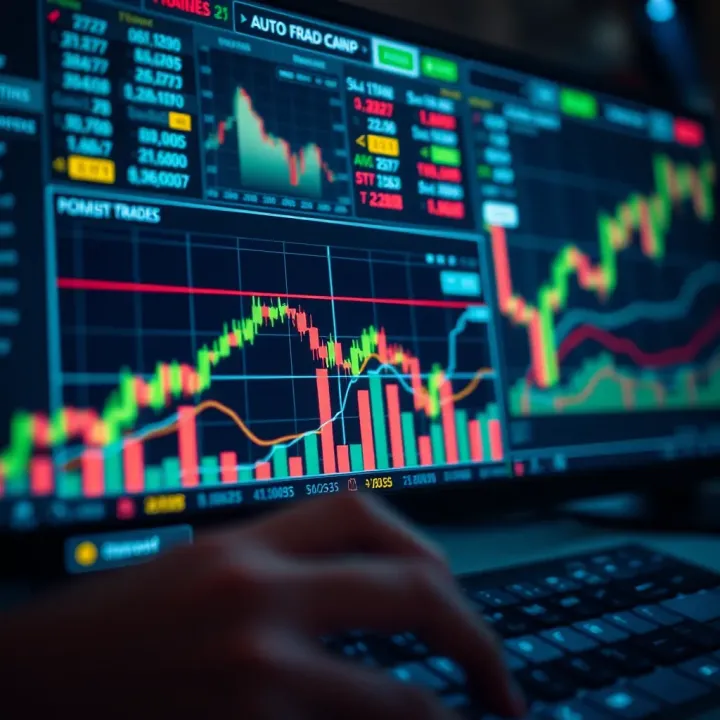
Effective auto trading software connects directly with popular broker platforms. This integration means trades are executed swiftly and without manual intervention. For South African users, compatibility with well-established brokers like IG Markets or Plus500 ensures smoother operations and compliance with local regulations. The quality of this integration affects trade speed and accuracy—poor links can cause delays or failures, leading to missed opportunities or losses.
Encryption standards are key to guarding sensitive user data and transaction details. Trusted software uses strong encryption protocols such as TLS (Transport Layer Security) to protect information during transmission. This reduces risks from hackers intercepting data—critical when linking bank details or placing trades involving real funds.
User account safety involves more than passwords. Trusted platforms offer two-factor authentication (2FA) and regular security audits. 2FA adds an extra step, such as a code sent to your mobile, which blocks unauthorised logins even if passwords are compromised. This layer of defence is particularly important in financial apps handling real money.
Trade history records provide clear evidence of past activity, allowing users to track wins and losses over time. Transparent software keeps detailed logs of each trade, including entry and exit points, profits, or losses. This helps traders analyse performance and make informed adjustments.
Performance metrics offer visual and numeric insights into how the software has performed historically, such as success rates or average returns. These metrics give users a reality check against marketing hype and help set realistic expectations. For instance, seeing a consistent 70% success rate over six months is more reassuring than vague promises of high returns.
When picking auto trading software, don't just focus on flashy features. Prioritise reliability, security, and clear information so you can trade confidently in South Africa's fast-moving markets.
This balance of powerful, practical features ensures your trading is efficient, secure, and transparent—essentials when automating decisions with your hard-earned Rands.
Using binary option robot auto trading software carries both clear benefits and notable drawbacks, especially for South African traders. Understanding these helps you weigh whether this automated approach suits your trading style and risk appetite. Auto trading can save time and reduce emotional errors, but it’s no silver bullet. Knowing the limits and risks involved is just as important.
Auto trading software monitors and trades on your behalf round the clock. This is a real plus since global markets never sleep. For instance, while you’re catching some shut-eye in Johannesburg, markets in Asia, Europe, and the US are active. The robot can spot opportunities instantly and act without delay – something a human can’t realistically manage without losing sleep or focus.
This nonstop activity means you won’t miss out on trades just because you’re offline. Some South African traders use this to complement their day jobs, letting the software handle after-hours trading. But remember, the quality of trades still depends on the robot’s programming.
Humans often let emotions sway their decisions—greed and fear can cause chasing losses or premature selling. Auto trading robots stick strictly to their algorithms, triggering trades based on data, not feelings. This discipline can protect your bankroll from impulsive mistakes.
For example, during volatile periods like sudden Rand drops or economic announcements, a trader might panic. The robot, however, proceeds precisely according to its preset strategy, which often results in steadier performance over time. That said, this means the robot can’t adjust to sudden market news that a savvy human might interpret differently.
Configuring an auto trading robot means you don’t have to spend hours analysing charts and market trends daily. This is handy for South Africans juggling work, family, and other responsibilities. Instead of monitoring price movements manually, you can set your preferences and let the software do the heavy lifting.
Plus, this frees up time for reviewing your overall strategy or learning more about trading without getting bogged down in constant screen-watching. Still, it’s wise to keep an eye on performance regularly – automated doesn't mean set and forget.
Markets can be unpredictable, especially with sudden global shocks or local events like load-shedding interruptions affecting market sentiment. Auto trading robots follow their formulas and might not react well to abnormal volatility or black swan events.
Say the Rand suddenly plunges due to unexpected political news. The robot's preset strategy might not have rules to handle such sharp moves, exposing you to higher risks or losses. So, while robots handle regular fluctuations, extreme swings can be problematic.
Technology can misfire: servers go down, internet connections drop, or software bugs crop up. In South Africa, inconsistent internet quality in some areas could cause delays in trade execution or missed opportunities.
Imagine your robot placing trades at delayed prices while the market moves swiftly — this could hurt your bottom line. Regular software updates and choosing reliable platforms that account for local connectivity issues can help reduce these risks.
Auto trading robots operate based on rules programmed into them. They can’t improvise or adapt unless their algorithms are updated. This means they might miss shifts in market behaviour or emerging trends.
For example, if a sudden shift happens in commodity prices due to a new policy, your robot might continue trading as before, potentially causing losses. A hands-off approach relying solely on presets could leave you exposed if you don’t adjust strategies over time.
Automated trading tools can make your trading life easier, but they’re not foolproof. Regular review, adjustment, and a healthy awareness of risks ensure you stay in control.
Balancing the advantages of convenience and emotional discipline with risks like technical glitches and market swings will help you make better use of binary option robot software in South African markets.
Navigating the South African regulatory landscape is key for anyone using binary option robot auto trading software. This environment is designed to protect investors, ensure fair practice, and maintain trust in financial markets. Understanding how local regulations affect auto trading software helps traders avoid legal pitfalls and make informed decisions.
The Financial Sector Conduct Authority (FSCA) regulates financial services providers in South Africa, including those offering auto trading software. Any provider operating here must hold an FSCA licence, which confirms they meet standards related to financial soundness and ethical conduct. For traders, dealing with licensed platforms offers peace of mind that the operations comply with South African law and oversight mechanisms are in place.
For example, if a binary options robot company claims registration with the FSCA, South African users can check this against the FSCA's public register. If it’s not listed, this raises a red flag, signalling potential illegitimacy.
FSCA-licensed entities must follow strict rules aimed at protecting investors. These include proper disclosure of risks, maintaining client funds separately from company capital, and managing conflicts of interest transparently. This regulatory framework helps reduce chances of fraud or mismanagement, so investors have legal recourse if things go wrong.
For instance, the FSCA requires financial advisors involved in trading robots to explain clearly how the software works and its risks. This transparency aids users in making choices suited to their financial situation.
South African consumers enjoy protections under the Consumer Protection Act. This means sellers, including those of auto trading software, cannot use misleading marketing or fail to deliver promised services. A trader encountering issues like software malfunction or false performance claims may benefit from these safeguards.
Should a trading robot provider promise guaranteed profits—a claim that’s unrealistic—that could breach consumer laws. A trader can report this to consumer protection bodies, which may compel the provider to correct their marketing or compensate affected users.
Auto trading platforms must also comply with anti-money laundering (AML) legislation. This includes verifying user identities (know your customer or KYC processes) and monitoring trades for suspicious activity. These measures aim to prevent financial crimes such as money laundering and fraud.
For South African traders, platforms following AML rules means there's an added layer of security, reducing the risk that their accounts might be exploited for illegal purposes.
Scammers often target less experienced traders through fake auto trading robots. Common tricks include promises of unrealistic high returns, pressuring users to deposit large sums quickly, and hiding fees or withdrawal conditions. Some fraudulent platforms even disappear with clients’ funds.
Understanding these tactics helps traders stay alert and avoid getting caught up in schemes that sound too good to be true.
Watch out for certain red flags such as lack of FSCA licence, unclear company details, overly aggressive marketing, and poor customer support. If a platform refuses to provide transparent performance reports or delays withdrawals, these are serious warnings.
Always verify the legitimacy of auto trading software providers through official channels and peer reviews before committing funds. Staying informed can save you from costly mistakes.
By paying attention to South African regulatory requirements and spotting warning signs early, traders can protect their investments and enjoy auto trading with greater confidence.
Choosing the right auto trading software isn’t just about picking the flashiest product on the market. It requires careful consideration of credibility, realistic expectations, and safe usage practices. These pieces come together to protect your capital, optimise your trading experience, and avoid common pitfalls.
User reviews provide real-world insight from traders who’ve tested the software on their own skin. Look for detailed reviews that mention performance consistency, ease of use, and customer service responsiveness. Be cautious of overly positive feedback that sounds scripted or sparse reviews that offer no detail. For instance, a South African trader might comment on how the software copes during higher volatility periods or deals with local broker integrations.
Transparent performance records are key to verifying claims. Reliable providers publish historical trade data, success rates, and drawdown statistics openly. Avoid software vendors that shy away from sharing detailed results or only show cherry-picked successes. A clear track record helps you judge whether a robot’s algorithm stands up under different market conditions, rather than relying on vague promises.
Understanding potential returns is crucial, so don’t expect to strike it rich overnight. Auto trading robots can enhance efficiency but won’t eliminate losses entirely. Typical returns vary widely depending on strategy and market context; some may generate modest profits, while others carry greater risk. For example, a bot using trend following may perform well during steady markets but struggle during sideways or choppy phases.
Managing financial risk means knowing how much you’re comfortable risking on automated trades. Many platforms offer configurable risk settings, like limiting the percentage of your capital per trade. Being conservative, especially when starting out, reduces exposure to unexpected swings. In South Africa, where market volatility spikes can be sharp, a cautious approach can preserve your funds during unstable periods.
Starting with demo accounts lets you get familiar with the trading environment and test strategies without risking real money. A demo helps identify whether the software aligns with your trading goals and comfort level before committing funds. Many South African broker platforms provide demo accounts linked to auto traders, so take advantage of this feature.
Limiting trade sizes is a practical way to control losses. Even the best algorithm can’t predict every market move. Keeping trade sizes small relative to your total capital ensures no single loss causes significant damage. For example, some traders allocate just 1-2% of capital per trade, giving room to recover from inevitable setbacks.
Regularly reviewing strategy performance keeps you in control. Markets evolve, and an automated system’s settings might need tweaking over time. Schedule periodic checks to assess whether your robot is meeting expected results and adjust parameters if necessary. This ongoing vigilance helps catch underperformance early and avoids blindly trusting the software.
Making smart choices around auto trading software is about balancing trust, caution, and knowledge. By evaluating credibility, setting sensible goals, and using risk controls, you safeguard your trading journey against unnecessary harm and put yourself in a better position to benefit from automation.
🤖 Understand how binary robot trading automates options buying and selling in South Africa. Learn advantages, risks & smart tips to trade safely and confidently.
Discover how binary data transforms into ASCII characters, with clear steps, examples, and handy tools 📟—a practical guide for tech enthusiasts in South Africa.
📈 Master forex trading terms from pips to margin calls in South Africa. Boost your confidence, make smart trades, and navigate the market like a pro!

💻 Learn how English text turns into binary code, uncovering encoding basics, practical methods, and its vital role in computers and digital communication.
Based on 11 reviews