

Choosing Forex Trading Software in South Africa
Looking for the right forex trading software in South Africa? 📈 Discover key features, local market insights, and tips to pick a platform that matches your needs. 🇿🇦
Edited By
Charlotte Ellis
Choosing the right binary trading software can feel like trying to find a needle in a haystack, especially with so many options claiming to offer fast profits. But the truth is, not all software is created equal — and relying on a dodgy programme can cost you far more than just money.
Binary trading software serves as a tool to help traders predict whether a specific asset’s price will go up or down within a set timeframe. It automates trades or assists in decision-making by analysing market data. Still, it’s no magic bullet — you need software that’s transparent, well-regulated, and suits your trading style.
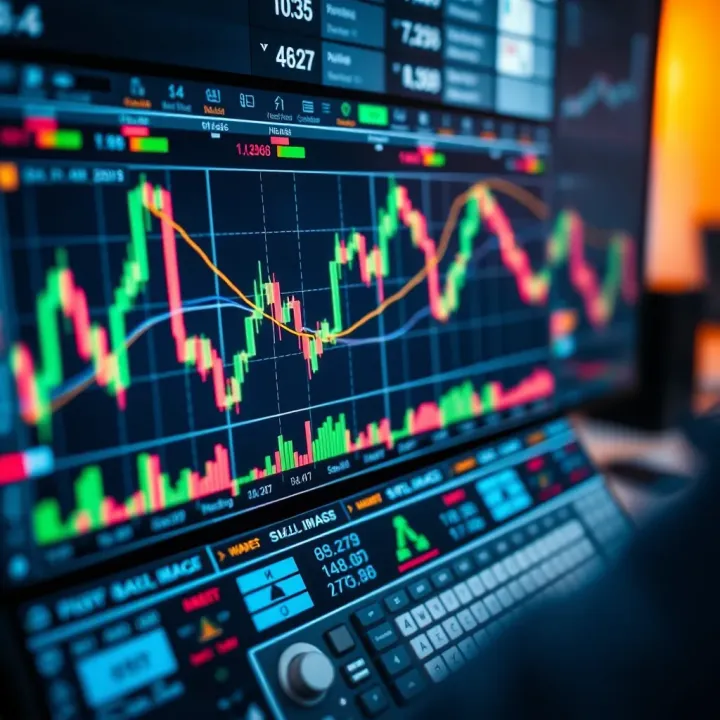
Beware: many platforms promise the moon but operate without proper licences, putting your money and data at risk.
Regulation and Licence: Trustworthy software tools usually align with financial authorities like South Africa’s FSCA (Financial Sector Conduct Authority) or respected international bodies such as CySEC or FCA. If a platform lacks regulation, it's best to steer clear.
User Interface and Support: The software should be user-friendly and backed by prompt customer support. For example, some South African traders prefer platforms that offer localised help desks or clear guides in familiar terms.
Transparent Performance: Avoid software that guarantees unrealistic returns or hides how its algorithms work. Instead, seek platforms offering demo accounts or trial periods to test their performance without risking real money.
Security Features: Look for end-to-end encryption, two-factor authentication, and a privacy policy that complies with POPIA (Protection of Personal Information Act).
Binary trading is inherently high-risk and can result in losing your full investment. Think of it like betting at the local pub rather than a guaranteed income. Avoid getting swept by hype and always evaluate the software’s track record and reviews from verified South African users.
Start with a demo account to familiarise yourself with the platform.
Keep discipline by setting clear limits on how much you trade per session.
Regularly monitor performance to catch unexpected losses early.
Stay informed of economic news that impacts asset prices locally and internationally.
In short, reliable software is a useful tool, but it won’t replace sound trading strategies or your own judgement. Be sceptical, do the homework, and trade responsibly.
Binary trading software acts as a vital tool for those engaging in options trading, helping make sense of market data and execute trades swiftly. For South African traders, understanding what these tools do and how to use them can be the difference between cutting losses and securing decent gains. The software functions like a trading assistant, gathering market signals, analysing trends, and sometimes automating decisions to respond to fast-moving financial shifts.
Binary trading software primarily collects and processes data on asset price movements. It leverages algorithms to provide traders with actionable signals — essentially alerts suggesting when to buy or sell a particular option. This software often includes charting tools and historical data to help illustrate market behaviour over time, allowing traders to spot patterns and make more informed calls.
An important aspect is the automation feature, where the software executes trades automatically based on preset criteria decided by the trader. This can save valuable seconds, which is crucial in binary options trading where timing can make or break a trade. Automation also helps to take the emotion out of trading, preventing impulsive decisions during volatile market swings.
The user experience is key — a cluttered or confusing interface can lead to costly mistakes. Effective software offers an intuitive layout with clear menus and dashboards, enabling traders, whether new or experienced, to navigate quickly. Accessibility across various devices, such as desktop and mobile, ensures traders can keep tabs on their positions and markets while on the move.
Traders rely on software to back up their decisions with data rather than pure guesswork. For instance, a user might follow signals combined with their knowledge of local economic news or global events to decide on a trade. This blend of software insight and personal analysis creates a more grounded approach to trading.
In binary trading, acting before the trend reverses is crucial. The software’s ability to instantly analyse vast market data and execute trades faster than manual methods gives a clear edge. For example, during sudden market moves caused by unexpected political announcements, software-assisted trades help lock in gains or limit losses rapidly.
Traders often integrate strategies such as trend following, where signals indicate ongoing price directions, or reversal strategies, betting on a change in the trend. The software helps by pinpointing key moments for entry or exit based on statistical probabilities. South African traders might combine these signals with local knowledge, like the effect of Eskom loadshedding on resource stocks, to refine their strategy.
The right binary trading software is more than just a tool — it’s your trading partner, offering timely insights and simplifying complex market dynamics to boost your chances of success in a competitive space.
Binary trading software varies widely in quality and capability, but certain features stand out as essential for effective use. Choosing software with reliable market data, intuitive design, and robust security helps traders make informed decisions while protecting their investments. Getting these right is especially important in volatile markets where timing and accuracy can make the difference between a profit and loss.
Real-time market updates are a must-have feature for binary trading software. Markets can shift in seconds, and a delay of even milliseconds in price feeds may lead to missed opportunities or bad bets. South African traders know all too well how fast the JSE or forex markets can move, so software that pulls live data directly from trusted providers ensures you’re not chasing the market from behind.
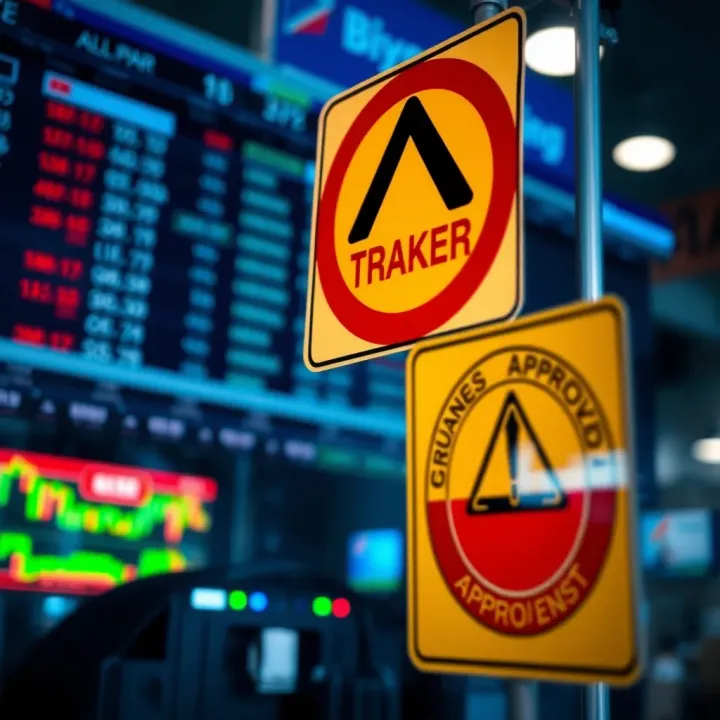
This timely information allows you to enter and exit trades at precise moments. For example, if the software updates the price of a currency pair like USD/ZAR instantly, you can react to sudden movements caused by economic news releases or geopolitical events. Without real-time updates, you risk relying on outdated data, which can skew your trading strategy and lead to unnecessary losses.
Historical data integration offers a different but equally important advantage. Good software stores and displays past market prices, volumes, and trends that help you understand how an asset typically behaves. Think of it as a map of the veld before you set off: knowing the terrain can prevent surprise donga or unstable ground.
Traders use historical data to back-test strategies—how would a particular setup have performed over the past six months, for instance? This lets you adjust your approach based on evidence rather than guesswork. A tool that offers easy access to charts and past trends for assets like commodities or index options gives you the edge to spot patterns and make more confident trades.
Ease of navigation is about more than just pretty buttons; it impacts your trading speed and accuracy. Complex interfaces with cluttered menus can confuse users, especially those new to binary trading. On the other hand, a clean dashboard that groups essential tools logically means you spend less time clicking around and more time focusing on the market.
Imagine trying to place a trade quickly during a brief price spike but getting bogged down in settings or confusing menus—potentially costing you the profit window. Software designed for clarity, such as having a clear ‘Buy’ or ‘Sell’ option next to market charts, supports decisive action without the frustration.
Custom settings for risk and trade size give you control over how aggressive your trading is. No two traders have the same appetite for risk or available capital, so adjusting these settings to fit your comfort zone protects your account from unnecessary exposure.
For example, setting maximum trade sizes or stop-loss limits within the software helps keep your losses manageable during inevitable downswings. You might decide to place smaller trades on volatile currencies like the rand and increase size on steadier assets. Customisable alerts for when trades hit certain profit or loss levels also keep your strategy disciplined rather than emotional.
Data protection measures are critical given how much sensitive information these platforms handle—from personal details to banking information. Effective encryption methods and secure authentication protocols (like two-factor authentication) reduce the risk of cyberattacks or data leaks.
Without stringent security, you could face identity theft or unauthorised withdrawals. In South Africa, where internet safety can occasionally be a challenge, opting for software that clearly states its data protection standards and regularly updates its systems can save you plenty of headaches later.
Regulatory approvals and licences offer peace of mind that the software and its operator comply with South African rules. The Financial Sector Conduct Authority (FSCA) oversees these licences, setting standards to protect traders from shady operators.
Using unlicensed trading software is a gamble—far riskier than the market itself. Platforms regulated by the FSCA follow clear procedures, including fair dealing and regular audits. Before committing your money, verify these certificates so you’re confident the platform is legally accountable and monitored.
"Choosing binary trading software with accurate data, an easy interface, and trusted compliance isn’t just smart—it’s essential for trading success in Mzansi's fast-moving markets."
In summary, focusing on these three key areas can save you from frustration and loss. Reliable signals, smooth user experience, and strict security combine to create a foundation where your trading tactics have the best shot at winning.
Binary trading software can seem like a handy tool, but understanding the risks involved is key to spotting trouble before it bites. From dodgy platforms to tech glitches and financial pitfalls, knowing what to watch for helps you trade smarter and avoid costly mistakes.
Fake promises and unrealistic returns often lure traders with bright, eye-catching claims of quick riches. In reality, no software can guarantee consistent high returns, especially not in volatile markets. Be wary of programmes that promise 90% or more guaranteed returns on every trade; these are usually smoke and mirrors. For example, some sites might show flashy testimonials or fabricated trading histories to convince you to deposit cash. The practical takeaway? Always approach such claims sceptically and verify the software’s history before committing any funds.
Unregulated platforms and fraud remain a significant danger in South Africa’s vast online trading space. Without oversight from bodies like the FSCA (Financial Sector Conduct Authority), these platforms can operate without accountability, making it easier to disappear with traders’ money. Real-life cases have shown certain unlicensed apps freezing withdrawals or changing terms without notice. To protect yourself, confirm the software is regulated by credible authorities and that it complies with local trading laws before signing up.
Software glitches and bugs can disrupt your trading activity unexpectedly. Even the best software can suffer from coding errors that cause freezes, incorrect signal generation, or failed executions. Suppose during a crucial market moment your software crashes or incorrectly reads moving prices—this can lead to missed profits or worse, unexpected losses. It’s vital to choose software with regular updates, solid customer support, and positive user feedback regarding stability.
Connectivity issues impacting trades are another headache, especially in regions where internet stability can be patchy. A brief disconnection during trade execution might cause orders to fail or delay, costing you money in fast-moving markets. South African traders often face such challenges in rural areas or during peak data usage times. Using software that can operate offline briefly or has a robust reconnection mechanism can reduce this risk.
Volatility and losing trades are part and parcel of binary trading, quite regardless of software quality. Market swings can be sudden and unpredictable, influenced by global events or local economic news, like SARB policy shifts or Eskom loadshedding announcements. Trading software cannot eliminate this natural financial risk but may help manage it. Always expect some losing streaks and avoid betting more than you can afford to lose.
Overreliance on automation is a common trap. While automated signals and algorithmic trades can speed up decisions, they shouldn’t replace your own market understanding. Blindly following software-generated trades without critical scrutiny can leave you vulnerable, especially if the software misinterprets market signals or if conditions change rapidly. Traders are advised to balance automated inputs with personal analysis to stay in control.
Vigilance and informed choices are your best defence against the many risks in binary trading software. Knowing these pitfalls helps you separate the wheat from the chaff, safeguarding your investments amid uncertain markets.
By recognising these risks and approaching binary trading software with a clear-eyed attitude, South African traders can better navigate the ups and downs, avoid scams, and use technology as a real help rather than a hidden hazard.
Choosing the right binary trading software is key to trading successfully and managing your risks carefully. Not all software provides the same quality, features, or security, so it's vital to find one that aligns with your trading style, goals, and safeguards your money. For example, a trader focusing on short-term options needs software with fast execution and real-time data, while a beginner might prioritise clear interfaces and educational support.
The Financial Sector Conduct Authority (FSCA) regulates financial services in South Africa, ensuring providers adhere to strict standards. For binary trading software, an FSCA-approved platform means it operates within legal frameworks and is subject to oversight, which lowers the chance of scams. When you pick software licensed by the FSCA, you gain some confidence it has passed minimum standards for fairness, transparency, and security.
It’s wise to check the FSCA’s official listings. Some platforms claim regulation but don't have valid accreditation, putting traders at risk. The FSCA also helps resolve disputes, which could be a lifeline if things go south.
Aside from the FSCA, international licences—such as from the UK’s FCA or Australia's ASIC—can also indicate software reliability, especially if the provider operates globally. However, for South African users, local regulation holds the most weight. Licensing ensures the software follows certain protocols around data protection and financial transactions, which curbs fraudulent activities.
If you spot software operating without any regulatory oversight, it's best to steer clear. Lack of licensing often signals poor accountability, increasing your chance of losing funds or facing operational issues.
Gather feedback from diverse, reputable sources to form a balanced view of the software. Forums like MyBroadband, dedicated trader communities, or independent review websites tend to offer more honest opinions than marketing pages. For instance, traders in Gauteng or the Western Cape may share useful insights about software performance during heavy loadshedding periods.
Local Facebook groups or Reddit threads focused on South African trading can also reveal real user experiences, but approach these cautiously as opinions vary widely.
Many platforms use fake reviews or paid endorsements to boost their image. Genuine reviews often mention specific features, problems encountered, or updates rather than just generic praise. Look out for overly positive comments posted all at once or reviews that focus mostly on high returns without discussing risks.
It's smart to check if the reviewer has a trading history or other posts. Also, cross-reference user feedback with expert analyses or complaints lodged with consumer bodies to spot consistent red flags.
Trying software through free trials or demo accounts lets you assess how it handles real-time price moves without risking cash. This hands-on approach helps you judge ease of use, speed, and which features truly add value.
For example, you might test how quickly trades execute during volatile market phases or whether the interface annoyingly crashes after a few hours—issues you'll notice only by actual use.
Use demo periods to experiment with custom settings like risk levels or trade sizes, ensuring they fit your trading plan. Check if the software supports the assets you want to trade and whether the educational tools or customer service meet your needs.
Some software packages might flaunt advanced tools but lack practical usability, so demos reveal what's realistic. Don't rush; take the time to test thoroughly before putting real money on the line.
Choosing software carefully, backing it with research, and testing hands-on can make your binary trading experience safer and more effective in the often unpredictable markets.
When it comes to binary trading software, using it responsibly isn’t just a good idea—it can be the difference between consistent wins and losing your shirt. This means setting clear guidelines around your trades, understanding the software’s suggestions but not blindly following them, and staying sharp on market moves. These practical steps help you make better calls and avoid common traps many traders fall into.
Managing your risk is key in binary trading. Think of it like budgeting your money for a big weekend braai; you decide upfront how much you’re willing to spend, so you don’t get caught short. Similarly, setting limits on how much you invest per trade or the total amount to risk in a day prevents emotional decisions when the market throws a curveball. For example, a trader might decide never to risk more than R500 per trade and set a daily loss limit of R2,000 to avoid chasing losses.
Having realistic return expectations also keeps you grounded. Binary trading software can’t guarantee profits—it can only suggest likely market moves. Expecting to make a quick fortune is setting yourself up for disappointment. Instead, think small and steady; achieving 2–3% returns regularly is more realistic than hoping for the moon. This mindset helps you stay in the market longer and avoid reckless bets.
Software can provide useful trading signals, but human oversight remains crucial. The software doesn’t understand everything—local news, unexpected political changes, or even trending social media chatter might influence the markets beyond what algorithms predict. A good trader reviews the software’s signals, checks for recent developments, and only acts when all factors align. This way, you catch what the software might miss.
Learning the basics of market principles is just as important. Knowing how supply and demand, economic reports, or interest rates affect asset prices enables you to interpret software outputs better. For instance, understanding why certain shares bounce after quarterly results lets you trust or question a buy signal from your software. This blend of software and personal insight strengthens your trading confidence.
Markets move fast and are influenced by current events. Regularly following financial news, reports, and economic updates helps you stay informed. South African traders, for example, should keep an eye on the Reserve Bank’s announcements, rand fluctuations, or Eskom’s loadshedding stages, as these can impact market behaviour unexpectedly.
Adapting your strategies according to changing conditions is vital. If a software signals a trade but you know a major election result is due, you might choose to sit that round out. Flexible trading—adjusting when new information becomes available—helps avoid unnecessary losses. It’s about using software as a tool, not as an autopilot.
Responsible trading combines good tools with careful habits. Set clear limits, use your brain alongside software, and stay current—this approach improves your chances of success in a challenging market.
Looking for the right forex trading software in South Africa? 📈 Discover key features, local market insights, and tips to pick a platform that matches your needs. 🇿🇦
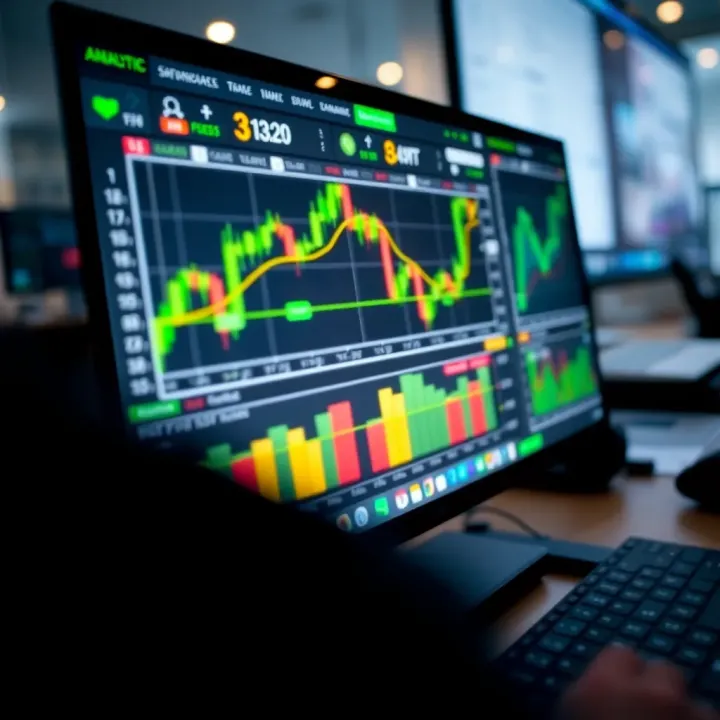
Explore forex trading software essentials: types, key features, risks, and expert tips to choose the right tool and boost your trading success 💹🔍
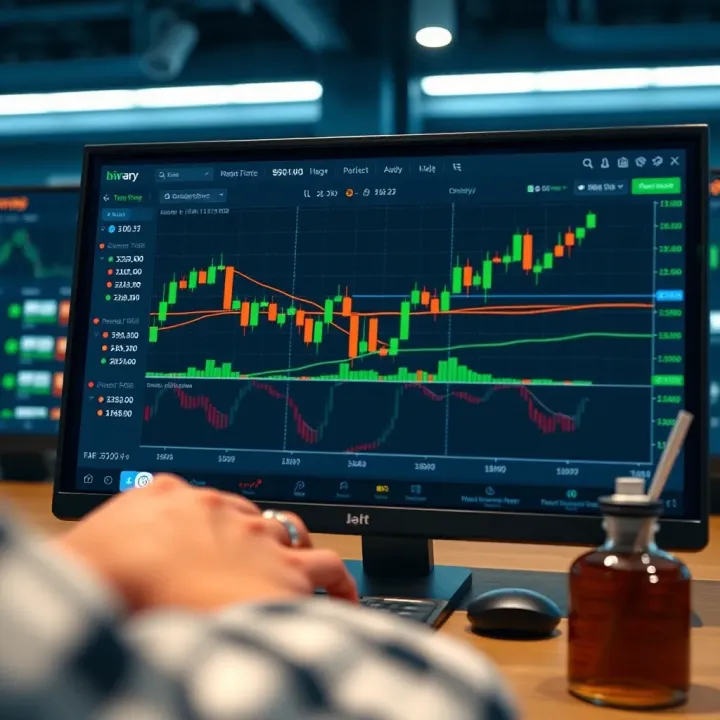
📊 Explore free binary trading demos in South Africa! Learn to practice strategically, pick platforms wisely, and trade live confidently with no risk.
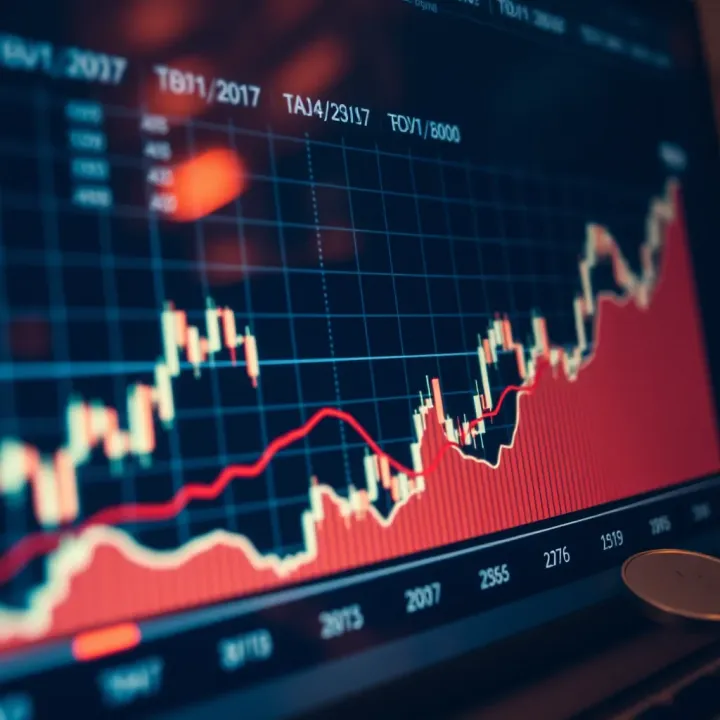
📊 Explore key chart types and trend patterns in binary options trading. Learn practical analysis methods tailored for South African markets to improve your trades.
Based on 7 reviews