
Understanding Hexadecimal to Binary Conversion
📊 Learn how hexadecimal and binary systems connect, why converting matters, and discover practical tools to simplify data and coding tasks in this clear guide.
Edited By
Emily Reeves
Binary trading robots have gained traction among traders keen to streamline their binary options trades. These automated tools execute trades on behalf of users by analysing market data according to pre-set algorithms. The main idea is to remove human emotion and hesitation from decision-making, potentially speeding up transactions and improving consistency.
For traders in South Africa, understanding how these robots work can offer practical benefits, especially given the local market’s volatility and the impact of worldwide economic factors. A robot typically connects to a trading platform and uses signals based on technical indicators or price movements to place buy or sell orders. For instance, a robot might trigger a trade when a specific asset crosses a moving average, saving the trader from constantly monitoring charts.

Remember, though, while trading robots can automate routine tasks, they don’t guarantee profits and require careful setup and monitoring.
Some advantages include 24/7 market presence, elimination of emotional biases, and the ability to backtest strategies against historical data easily. On the flip side, risks include technical glitches, overly aggressive algorithms leading to large losses, and lack of adaptability to sudden market changes, such as those triggered by unexpected political or economic news – factors particularly relevant in South Africa’s fast-changing economic environment.
When considering a binary trading robot, look for features such as:
Transparency in strategy and performance
Compatibility with reputable trading platforms
Options to customise risk levels and trading parameters
User reviews, preferably from South African traders
Strong security measures to protect funds and data
Additionally, regulation matters. South African traders should prioritise robots offered by entities compliant with regulatory bodies such as the Financial Sector Conduct Authority (FSCA). This reduces the risk of scams and unlicensed operators common in the unregulated corners of binary options trading.
In summary, binary trading robots serve as handy tools for automating trades, but they need to be chosen carefully and used wisely within a broader trading strategy. Having a solid grasp of their workings, strengths, and limitations will help traders make informed decisions and avoid unnecessary pitfalls.
Understanding what binary trading robots are and how they operate is key for anyone aiming to use these tools effectively. These software programmes automate binary options trading, analysing market data and executing trades faster than any human could. In South Africa's fast-paced trading environment, grasping their mechanics can save you time, cut emotional mistakes, and potentially improve your outcomes.
Binary trading robots are computer programmes designed to make decisions on buying or selling binary options automatically or semi-automatically. Their core purpose is to scan market trends and data to predict price movements within short time frames, allowing traders to place accurate bets on whether an asset’s price will rise or fall. For example, a robot might analyse the price of a stock listed on the JSE and place a trade predicting an upward move within the next 30 minutes.
These robots aim to remove emotional bias from trading, offering a disciplined approach often missed by manual traders. While not foolproof, they strive to make trading decisions based on defined algorithms, which can be particularly handy during Eskom loadshedding periods when manual monitoring is tough.
At their core, these robots rely on algorithms—sets of coded instructions grounded in market analysis techniques. They pull data like price changes, volume, volatility, and sometimes external news feeds. The software then calculates probabilities for specific price moves using methods such as moving averages, relative strength index (RSI), or other technical indicators.
An algorithm might spot an upward trend when the asset’s moving average crosses over another. After computing the risk and reward potential, the robot can execute a trade automatically or suggest one for manual approval. This speed and data crunching ability make them effective tools, especially during volatile market moments common in binary options trading.
Fully automated robots handle everything from analysing data to placing trades without requiring any user input once set up. They’re ideal for traders who want to ‘set and forget’ or those new to binary trading, as the system manages operations continuously, even outside trading hours.
For instance, a South African trader who can’t stay glued to the screen during the night can rely on these robots to take advantage of global market movements. However, trusting a fully automated system demands confidence in its programming and ongoing monitoring to intervene if market conditions change abruptly.
Semi-automated robots offer a balance between automation and human control. They generate trade signals based on their algorithms but await the trader's green light to execute trades. This gives traders the chance to review recommendations and adjust settings before committing funds.
Such systems suit those who prefer to keep a finger on the pulse but want assistance filtering out less promising trades. For example, with semi-automated systems, you can skip trades when South African markets are closed or during times of increased uncertainty.
Signal-based robots focus solely on generating trading signals rather than executing trades. They analyse market data and send alerts to users when conditions meet pre-set criteria.
These signals act as trigger points for traders who like to maintain complete control over their actions yet want the advantage of algorithmic insight. This type of robot requires traders to log in and decide whether to follow the suggested trade, ideal for those blending manual strategy with automated advice.
Selecting the right type of binary trading robot depends on your trading style, risk tolerance, and your availability to monitor trades closely. Understanding these distinctions prepares you to make an informed choice that fits your particular needs.
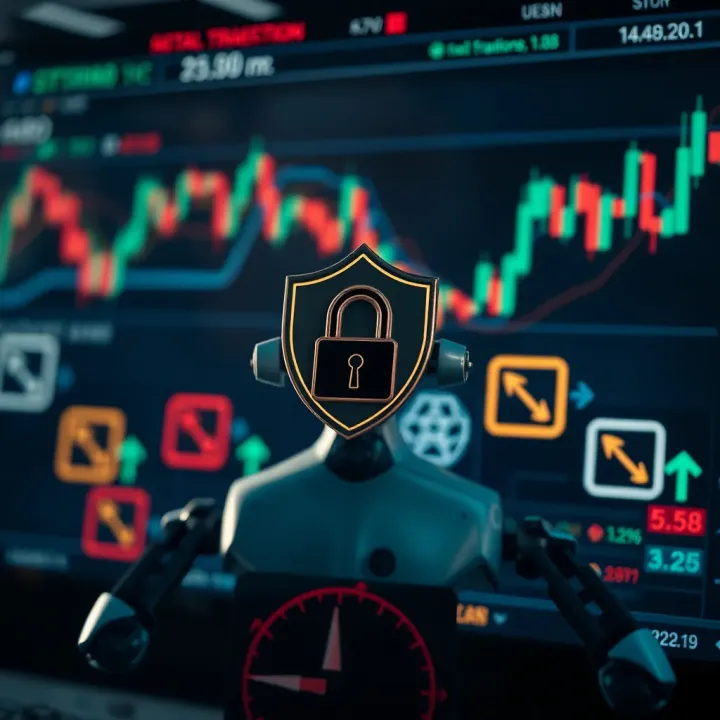
Using binary trading robots offers some clear benefits but also comes with notable limitations. Understanding these helps traders in South Africa make informed choices and manage expectations realistically. This section breaks down the main advantages and the typical risks associated with these automated tools.
Binary trading robots execute trades at speeds no human can match. This advantage becomes especially handy during volatile market moments when split-second decisions matter. For example, a robot can automatically place a trade within milliseconds of identifying a favourable signal, rather than a trader having to react manually. This improves the chances of securing profits in fast-moving markets like currency pairs or indices.
Emotions like fear and greed often cloud traders’ judgement, leading to impulsive or irrational decisions. Robots, however, operate solely on pre-set parameters and algorithms, cutting out these emotional pitfalls. A robot won’t panic during a sudden drop or get overly confident after a winning streak. This steady approach can help maintain discipline and reduce costly mistakes caused by human psychology.
Markets linked to binary options often run outside regular office hours, including weekends or night times. Automated robots can monitor and trade markets continuously without needing breaks. This constant presence allows traders to capture opportunities at odd hours, which would be impossible for someone balancing other commitments or relying on manual trading alone.
Although robots react quickly, they still rely on historical data and programmed strategies that might not always handle sudden, unexpected market shifts well. For instance, political events or global crises can cause wild swings beyond what an algorithm predicted. This unpredictability means trading robots can sometimes make poor decisions, leading to losses.
Putting too much trust in automated robots can cause traders to neglect their own analysis and judgement. Some might accept all robot-generated trades blindly, assuming the software guarantees profits. This over-reliance can backfire, especially when market conditions change and the robot's logic no longer fits. It’s crucial to remember these tools are aids, not replacements for active monitoring.
Like any software, trading robots can encounter bugs, connectivity issues, or errors in data feeds. These technical problems might cause missed trades, incorrect orders, or even unwanted trades. For example, during loadshedding, unstable internet connections can disrupt robot operations, affecting trade execution and outcomes. Users should ensure robust setups and be prepared to intervene manually if needed.
While binary trading robots can boost trading efficiency and reduce emotional errors, they aren't foolproof. Weighing their benefits against real risks remains key to successful use.
In sum, these robots offer real practical value but demand cautious use. A mix of automated speed and human oversight typically works best for keeping control and navigating the ups and downs of South African and global markets.
Choosing a trustworthy binary trading robot can be a decisive factor in your success or failure as a trader. Since so many options flood the market, knowing where to look and what to assess is essential. A reliable robot not only automates trades efficiently but also safeguards your capital and data, especially under South African trading conditions where security and regulation matter.
First up, check how well the robot has performed over time. A solid history of positive returns, especially in different market conditions, is a good sign. Look beyond short-term gains; a robot boasting consistent profits over months or years shows resilience. For example, a robot that weathered the recent volatility during the Rand’s fluctuations against the US dollar demonstrates robustness. Avoid robots with vague or unverifiable performance claims—some vendors may publish cherry-picked trades or hypothetical results that don’t reflect real trading.
Backtesting results, if available, can give further insight but treat them cautiously. They often assume perfect market conditions without slippage or downtime, so don’t rely on these alone. Platforms like MyBroadband forums or South African trading communities sometimes offer verified performance discussions—scanning these can provide valuable context.
Regulatory compliance is a must. South African traders should make sure the robot provider aligns with Financial Sector Conduct Authority (FSCA) rules or partners with brokers registered with FSCA, which adds a layer of protection. While many robots operate internationally, those ignoring local regulations may expose you to unnecessary risks.
Security measures are as important as compliance. Ensure the software uses strong encryption, safe data storage, and secure access methods. For instance, two-factor authentication (2FA) is a welcome feature that stops unauthorised users from accessing your account. Beware of robots requiring excessive permissions, like full control of your trading account without limits—this is a red flag. A security breach could not only wipe out your funds but expose your personal data.
No one knows a robot better than its users. Engaging with honest reviews and feedback from fellow South African traders can reveal issues that official documentation glosses over. Look for platforms where traders share real experiences, whether positive or negative.
Pay attention to common themes in feedback. Are users complaining about frequent system crashes? Or praising how the robot handled recent Eskom-induced market jitters? Also, gauge responsiveness of customer support—slow or absent support often points to a shaky provider.
Remember, no robot offers a guarantee. But combining careful performance checks, regulatory safety, and community insight helps you pick a tool that fits your trading style and risk appetite.
In summary, selecting a reliable binary trading robot demands thorough research. Prioritise verified track records, regulatory adherence, security features, and genuine user sentiment. This hands-on approach reduces the chances of falling victim to scams or malfunctioning software and increases your odds of steady trading success in the South African market.
Using a binary trading robot without fitting it into your overall trading strategy is like taking a wrong turn but hoping to find the right destination. Robots can speed up trades and manage some tasks, but they don’t replace sound decision-making. Combining their strengths with solid strategy can really improve your odds in the volatile binary options market.
The first step is clear: don’t expect a robot to be a magic bullet. These tools work by following algorithms, so their performance depends heavily on market conditions and the quality of their programming. For instance, a robot programmed primarily for trending markets might struggle when the market is choppy or sideways. You need to see robots as assistants that can handle repetitive analysis and fast execution, but not as guaranteed profit machines.
Real traders in South Africa have found that accepting this helps avoid frustration. It’s sensible to start with small trade sizes and observe how the robot behaves under different conditions before scaling up your exposure. This approach protects your capital and helps you learn the robot’s nuances.
Relying solely on automated signals is a mistake. It pays to back up the robot’s calls with your own market analysis. For example, if the robot signals a trade but local news or an unexpected event suggests risk, you might decide to hold off. A skilled trader’s intuition, especially one who understands the unique traits of South African markets—like how Eskom’s loadshedding or rand volatility can impact certain sectors—adds value beyond what code can capture.
This blend of automation and human judgement can be a powerful combo. You get the speed and consistency of the robot plus the context and flexibility of your own insight.
Binary trading robots aren’t "set and forget" gadgets. Regular monitoring and tweaking are crucial to keep them aligned with changing markets. For example, if you notice a string of losses during certain times of the day, it’s worth adjusting the robot’s parameters, such as trade size, asset choices, or expiry times.
Also, consider integrating break points where the robot takes a pause if losses mount beyond a certain level, protecting you from deeper drawdowns. Some traders even schedule weekly reviews to assess performance and readjust settings.
Consistent oversight ensures your robot adapts to unexpected market shifts instead of blindly continuing with outdated assumptions.
In practice, pair your robot’s alerts with a daily check on economic events, especially those affecting South Africa, such as SARB announcements or municipal elections that may sway market sentiment. Keeping the human in the loop helps close gaps that automation can’t foresee.
By weaving binary trading robots into your strategy thoughtfully, you turn them into useful tools rather than risky gambles. With clear expectations, a mix of automated and manual inputs, plus ongoing tweaking, you’re better positioned to navigate the fast-moving binary market with some confidence and control.
Using binary trading robots involves more than just technical know-how; it also brings legal and ethical questions you can't ignore. Understanding these is vital, especially given South Africa’s evolving financial market regulations.
The financial sector in South Africa falls under the watchful eye of the Financial Sector Conduct Authority (FSCA). These rules cover automated trading tools such as binary trading robots to ensure fair dealing and protect traders. While binary options trading itself is legal under certain conditions, the FSCA issues warnings against unregulated platforms and software that promise unrealistic returns. For example, a trader using a robot that operates through an unlicensed broker could end up in hot water if the FSCA disapproves of that platform’s practices.
Knowing whether a trading robot complies with local laws is crucial. Traders should check if the software provider is FSCA-approved or tied to a registered broker. Ignoring these rules can lead to financial losses and legal trouble.
Binary trading robots attract their share of scams, with many companies offering “guaranteed” profits or secret algorithms. Unfortunately, some of these are just fronts to scam unsuspecting users. A red flag is when a robot requires hefty upfront fees or pressures traders to recruit others — classic signs of a pyramid scheme.
To stay clear of fraud, always test any robot with a demo account first and seek advice from forums or communities where South African traders share honest feedback. For instance, many local traders monitor reviews on platforms like MyBroadband or social media groups to expose dodgy software.
Double-check every claim. If a binary robot sounds too good to be true, it probably is.
Trading robots handle sensitive information — bank details, personal data, sometimes even your trading strategies. Without proper safeguards, your data might end up exposed or misused. South Africa’s Protection of Personal Information Act (POPIA) steps in here, mandating organisations to protect personal data properly.
Before using any robot, confirm that the provider has clear privacy policies and uses secure encryption. For example, avoid software that stores passwords in plain text or transfers data over unsecured channels. Some South African platforms also have two-factor authentication (2FA), which adds an extra layer of protection.
Taking these legal and ethical concerns seriously helps safeguard not just your investments, but your wider financial wellbeing. Remember, a trading robot isn’t just a tool — it’s a partnership that requires trust and transparency.
📊 Learn how hexadecimal and binary systems connect, why converting matters, and discover practical tools to simplify data and coding tasks in this clear guide.

🔢 Explore how 'hello world' converts to binary! Learn encoding basics, history, key standards & handy tools for easy text-to-binary conversion.

Explore how the gender binary divides identity into male and female, its social impact, and how wider gender views challenge this simplistic system 🌍⚧️.

📈 Learn about forex trading sessions, their timing, key traits, and tips to use session info and PDFs effectively for smarter trading decisions.
Based on 15 reviews