
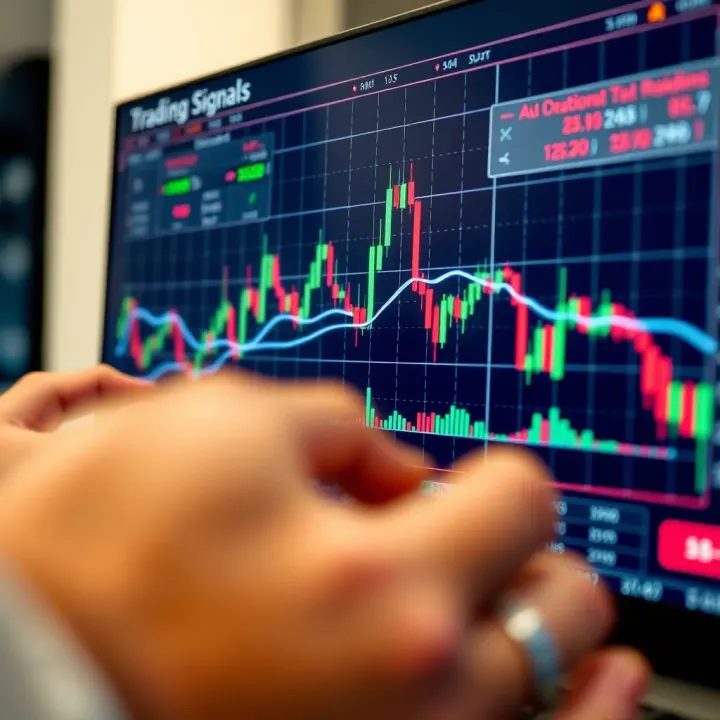
A Practical Guide to Automated Forex Trading Robots
📈 Explore automated forex trading robots: how they work, plus pros and cons. Learn to pick reliable robots suited to South Africa's trading scene with confidence.
Edited By
Oliver Mason
Automated forex trading robots are software programs designed to trade currencies without constant human oversight. They analyse market data, identify trading opportunities, and execute trades based on predefined rules developed through technical indicators or algorithms.
These robots use algorithms to react quickly to price movements in the forex market, which operates 24 hours a day, five days a week. In South Africa, where traders often contend with local market nuances, using these bots can provide an edge by working tirelessly even during hours when manual trading would be impractical.
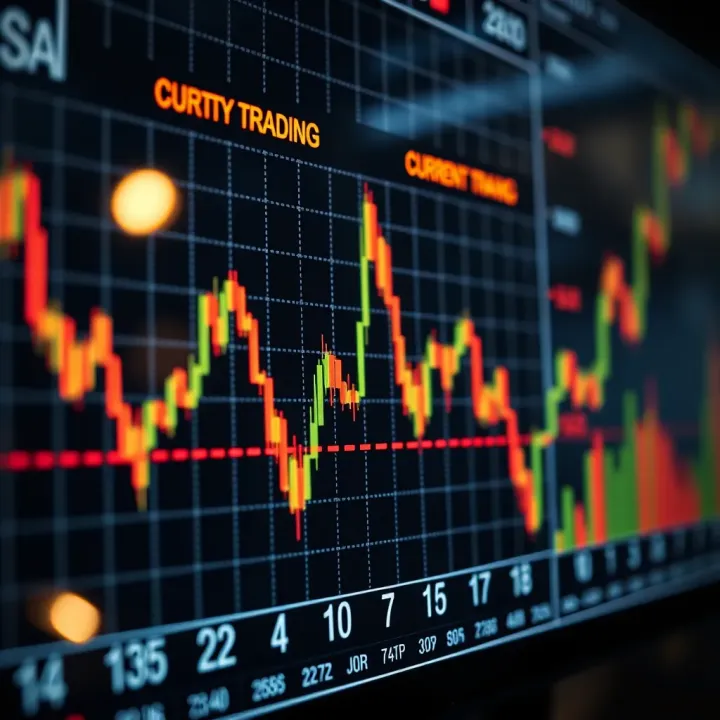
The core appeal lies in automation: bots eliminate emotional decision-making and allow trading strategies to run consistently. For instance, a robot can be programmed to enter a trade when the 50-day moving average crosses above the 200-day moving average — a common technical signal — without hesitation or delay.
That said, these tools are not foolproof. Market conditions can shift rapidly due to geopolitical events, economic announcements, or sudden sentiment changes that a robot's fixed programming may not adapt to in real-time. In South Africa, factors like fluctuations in the rand's value against the US dollar or unexpected Eskom announcements can influence market volatility significantly.
Before relying on an automated system, traders should understand its strategy, risk controls, and historical performance. Many traders test these robots in demo accounts before live trading to gauge reliability without financial exposure.
While automated trading can increase efficiency, it’s not a set-and-forget solution. Active monitoring and periodic adjustments are essential to stay aligned with market realities.
Key points to consider:
Types of robots: Some focus on scalping (quick trades for small profits), others on trend-following or arbitrage.
Risk management: Bots can be programmed to use stop-loss orders and position sizing to protect capital.
Legal considerations: South African traders must ensure compliance with financial regulations and use platforms licensed by the Financial Sector Conduct Authority (FSCA).
Understanding how these robots work helps traders make informed decisions about incorporating them into their trading strategy, blending automation with local market awareness for better outcomes.
Automated forex trading robots have become essential tools for many traders, especially in a fast-moving and often unpredictable forex market. Understanding how these robots operate helps traders make informed decisions about which systems to trust and how to integrate them into their trading strategies.
Algorithm-driven decision-making involves software programmed to analyse forex market data and make trading choices without human intervention. These algorithms follow predefined rules based on mathematical models, like moving average crossovers or momentum indicators. For example, a robot might be set to buy a currency pair when its 10-day moving average crosses above the 50-day moving average, signalling an upward trend.
By automating decisions, the robot removes emotional bias, which often leads traders astray during volatile moments. This is particularly useful in South African markets where global economic events can cause rapid swings in the rand-dollar or rand-euro pairs.
Use of technical indicators and market data enables the robot to assess price movements, volume, volatility, and other factors. Most forex robots rely on indicators such as the Relative Strength Index (RSI), Bollinger Bands, or Fibonacci retracements to gauge market conditions. For instance, if the RSI indicates an overbought condition, some robots might trigger a sell order to capitalise on the anticipated price correction.
Continuous feed of real-time market data allows robots to adapt swiftly, even during unexpected news releases. This capability is crucial during South African economic announcements, where timely response can protect gains or limit losses.
How robots execute trades automatically ties all these functions together. Once the algorithm signals a trade, the software sends the order directly to the broker’s platform, bypassing manual input. This quick execution can take advantage of fleeting market opportunities that human traders might miss due to slow reaction times.
Automation also allows 24/7 monitoring and trading, which is advantageous since forex markets operate around the clock across global time zones. As a result, South African traders can profit from market moves outside of their usual trading hours without needing to stay glued to their screens.
Trend-following robots identify and ride market trends. These robots buy when prices show a strong upward momentum and sell in downtrends. For example, if the USD/ZAR pair begins a steady climb after a policy announcement, a trend-following robot would enter a buy position to benefit as the trend unfolds.
They work well in sustained market movements but can struggle during sideways or choppy markets, leading sometimes to false signals.
Grid trading robots set buy and sell orders at predetermined price intervals, creating a grid of trades around the current price. This method doesn’t rely on predicting market direction but profits from price fluctuations within a range. For instance, between R14.50 and R15.00 for USD/ZAR, the robot might buy at the lower end and sell at the upper, repeating this cycle.
Grid trading can be effective in stable or sideways markets but requires careful risk control to avoid large losses during trends.
Scalping robots aim for small profits from numerous quick trades, often lasting seconds to minutes. They exploit tiny price changes, taking advantage of low spreads and fast execution.
In the South African context where spreads and commissions can vary by broker, scalping robots need tight broker conditions to remain profitable.
News-based robots react to major economic announcements and news events by executing trades based on expected impacts. These robots scan scheduled news calendars and sentiment indicators, jumping in as the rand moves sharply on SACCI or SARB news releases.
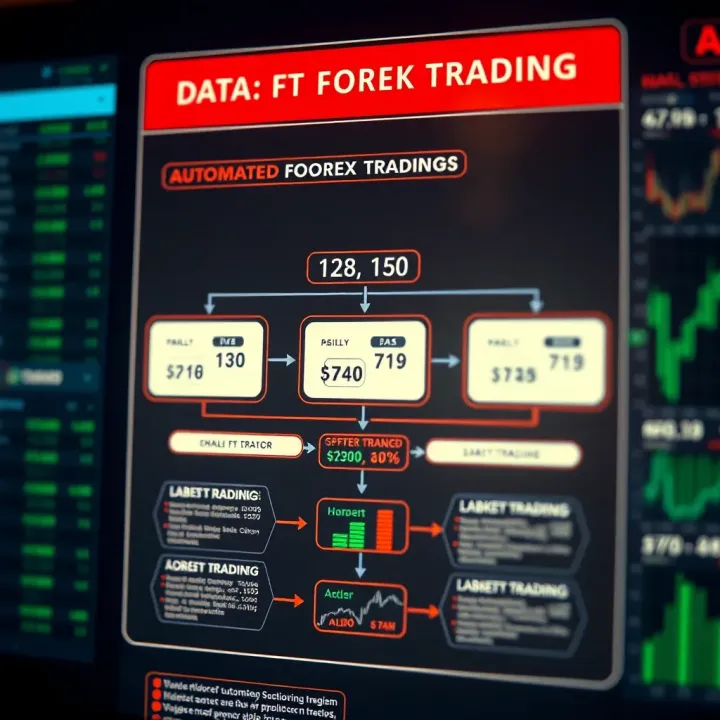
While potentially profitable, news trading robots carry higher risk due to sudden spikes and unpredictable volatility, demanding strict stop-loss settings.
Automated forex robots cover a range of strategies and risk tolerances, making it vital for South African traders to understand how each type operates before deployment. Choosing the right robot depends on your market knowledge, risk appetite, and trading goals.
Using automated forex trading robots appeals to many traders because of the time and effort these systems can save. However, it's important to weigh both benefits and possible downsides before relying on them fully.
Automated robots trade based on predefined rules without emotions like fear or greed. This can prevent rash decisions during volatile sessions, such as panicking during sudden rand weakness or exuberance over a strong JSE close. For example, a human trader might hesitate to cut losses during a sharp dip caused by unexpected political news, whereas a robot would trigger stop-loss orders reliably.
Forex runs around the clock across global time zones. Robots never sleep, meaning they can constantly scan the market for opportunities or risks. A South African trader who works a day job can't monitor the market at odd hours, but a robot running on a VPS (virtual private server) can catch movements in Asian or US sessions. That continuous presence might net profits that would otherwise be missed.
Robots execute trades instantly once criteria are met. This is especially handy in fast-moving markets where prices can shift within seconds. Suppose there's a sudden spike in the USD/ZAR rate after an economic announcement — a robot can both enter and exit positions much quicker than a human, potentially locking in profits or limiting losses.
Some developers tweak robots to perform exceptionally well on historical data, a process known as curve fitting. While this might boost results in backtests, such a robot can struggle with real markets where conditions differ. Traders may get a false sense of security. For example, a robot optimised for the calm conditions of 2019 struggles during the choppy, uncertain environment of a pandemic-impacted 2020.
Forex markets don’t behave consistently. Sudden political developments, unexpected news or prolonged volatility can cause patterns that robots misinterpret. Trend-following robots, for instance, may get caught in sideways ranges and generate frequent losing trades. Traders should understand that no robot is foolproof and must regularly review its fit with current conditions.
Software glitches, server downtime, or connectivity issues can disrupt automated trading. Imagine a scenario where a robot fails to close trades during a sudden spike caused by Eskom load shedding announcements or AFCON tournament results; losses might mount quickly. It’s critical to have safeguards like monitoring alerts and manual intervention plans.
Automated forex robots can be powerful tools, but they require realistic expectations and careful management. Knowing both their strengths and limitations helps traders avoid costly pitfalls and make smarter decisions.
Selecting the right forex trading robot is vital for South African traders looking to automate their market activity. The local forex market has unique features, including regulatory oversight by the Financial Sector Conduct Authority (FSCA), variable liquidity due to time zones, and the impact of the rand’s volatility. Hence, picking a robot that fits these realities can help manage risks and improve trading outcomes.
A suitable forex robot tailors its strategies to current market conditions, understands local broker requirements, and handles transaction costs effectively. Without this, traders risk losing money to robots that are not optimised for their environment, or paying excessive fees that eat into profits. Several factors come into play: performance evaluation, reliability of the provider, fee structures, and hidden costs.
Backtesting results and live performance give a snapshot of how a robot behaves in real trading situations. Backtesting involves running the robot against historical price data to see if it could have made profit in the past. However, just because a robot performed well on paper doesn’t guarantee success when live. Market shifts, spreads, and slippage can affect actual trades, so it’s essential also to look at how the robot performs in a live environment, preferably on a demo or small live account.
Practical example: a South African trader might test a robot on the USD/ZAR pair back to 2018 till 2023 to check robustness across the fluctuating rand-dollar exchange.
Vendor reputation and user reviews help traders avoid scams or unreliable software. Forex robot providers often promise stellar returns, but many fall short. Checking independent reviews, forums like MyBroadband trading threads, and feedback from local traders gives insight into real-world reliability. Longevity in the market, transparent communication, and responsive customer support all suggest a trustworthy vendor.
A common pitfall is ignoring user comments and blindly relying on vendor claims, which often inflate performance figures through selective data.
One-time purchase vs subscription models present different financial commitments. Purchasing a forex robot outright generally means paying once for software access, which can be cost-effective in the long term. Subscription models, often monthly or yearly, provide updates and continued support but can add up over time. South African traders should weigh the upfront cost against ongoing fees and consider their trading frequency.
For example, a R3,000 one-time license could be cheaper than a monthly R500 subscription after six months, assuming the robot continues to receive useful updates.
Hidden trading costs such as spreads and commissions can quietly chip away at profits. Even if a robot is free or cheap, executing trades involves costs charged by brokers. Spreads (the difference between buying and selling prices) can be wider on less liquid pairs or during South Africa’s off-peak trading hours. Commissions might apply for each trade, especially with ECN accounts preferred for lower spreads.
Traders often overlook these factors until their results are disappointing. Choosing a robot that manages trade size and frequency carefully can reduce these costs and improve net returns.
Always factor in all costs – both visible and hidden – to get the full picture of a robot's profitability before committing your rand.
In summary, South African traders should assess forex robots not just by promised returns but by verified performance data, vendor credibility, and detailed cost structures. This helps make choices that fit both trading goals and local market realities.
Automated forex trading robots can make swift decisions, but without solid risk management protocols, they might expose a trader to serious losses. Integrating risk management ensures these systems trade within safe boundaries, protecting your capital from sudden market swings or unexpected technical glitches. This combination blends the strengths of automation with cautious, strategic control.
Stop-loss and take-profit settings anchor your trades against excessive losses while locking in profits at desired levels. A stop-loss order automatically closes a trade when the market moves unfavourably beyond a set point, preventing a small loss from ballooning. On the flip side, a take-profit order secures gains once the price reaches your target. For example, if a robot buys EUR/USD at 17:00 for R15,000 and sets a stop-loss at 1.2000 and take-profit at 1.2100, it will exit the position automatically if the price hits either. This setup removes guesswork and emotional hesitation from managing trades.
Managing position sizes is just as essential. A robot might detect promising signals and start heavy trading—if not controlled, this escalates risk. Position sizing limits how much capital each trade uses relative to the overall account, usually expressed as a percentage. Say your account holds R100,000; risking 2% per trade means a maximum loss of R2,000 on any single position. Many robots can be configured to adjust trade sizes based on volatility or account balance, preventing overexposure during choppy markets.
Monitoring system performance remains vital even when you trust automation. Market conditions shift, and robots that performed well yesterday might struggle today. Regularly reviewing trade logs, profit consistency, and drawdowns helps you spot early signs of malfunction or deteriorating strategy fit. For instance, if a robot suddenly starts losing on a strategy that previously worked, it could indicate outdated algorithms needing tweaking—or emerging market dynamics that require a pause.
Intervening during exceptional market events is where human judgement outshines automated logic. Robots typically react to programmed parameters but don’t foresee black swan events or geopolitical shocks effectively. During situations like unexpected interest rate announcements or political unrest in key economies, stepping in to halt automated trading can save your capital from unpredictable volatility. In South Africa, where global factors and loadshedding can cause jittery markets, having that manual override is no luxury but a necessary precaution.
A balanced approach means letting robots run routine trades but keeping your eyes open and fingers ready for critical moments.
Integrating risk management with your forex robots protects you from blind spots in automated trading and ensures your investment journey stays sustainable and informed.
When trading with automated forex robots in South Africa, understanding the local legal and regulatory landscape is essential. This helps protect your investments and ensures you comply with national laws. Ignoring these factors could expose you to scams, financial penalties, or data risks. Traders should familiarise themselves with key regulatory bodies and laws that govern financial trading and data protection.
The Financial Sector Conduct Authority (FSCA) oversees financial services, including forex trading, in South Africa. Any forex trading platform or robot provider operating legally must be registered and authorised by the FSCA. This ensures they meet strict standards to protect traders from fraud, unfair practices, or mismanagement.
Using FSCA-regulated services means you have a government-recognised body to turn to should disputes or issues arise — something that unregulated providers can’t offer. For instance, if a robot’s performance claims turn out fraudulent, FSCA registration allows you to report and seek remedy through formal channels.
Avoiding unlicensed forex providers is crucial. Many scams start on platforms that promise high returns with automated trading robots but operate without authorisation. These operators often vanish with client funds, or the software underperforms drastically compared to promises. Always verify the FSCA licence status of your chosen broker or robot vendor before investing a cent.
Automated forex trading involves sharing sensitive personal and financial data, so South African data protection laws come into play. The Protection of Personal Information Act (POPIA) regulates how your data should be collected, stored, and used.
POPIA requires that providers obtain your consent before collecting information and keep that data safe from leaks or unauthorised access. When using a forex robot, make sure the vendor clearly states how your data will be handled, stored, and protected.
Secure handling of personal and trading data is more than good practice — it safeguards you from identity theft, hacking, and fraud. Some forex providers use encryption and two-factor authentication to protect accounts. Others might provide secure servers with strict access controls. Ask vendors about these measures, especially if you plan to link bank accounts or credit facilities.
Remember, trusting your automated trading provider with your data and finances means they must meet both financial and data protection rules. Staying alert to these legal requirements shields you from unnecessary risk and supports a safer trading experience.
📈 Explore automated forex trading robots: how they work, plus pros and cons. Learn to pick reliable robots suited to South Africa's trading scene with confidence.
📈 New to forex trading? Learn key terms, market basics, practical strategies & risk steps to start trading confidently in South Africa’s forex scene today!
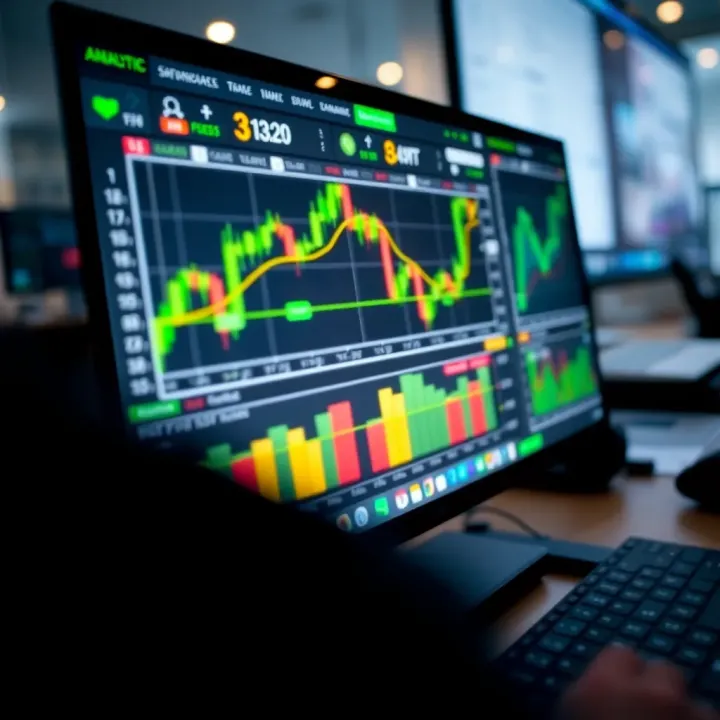
Explore forex trading software essentials: types, key features, risks, and expert tips to choose the right tool and boost your trading success 💹🔍
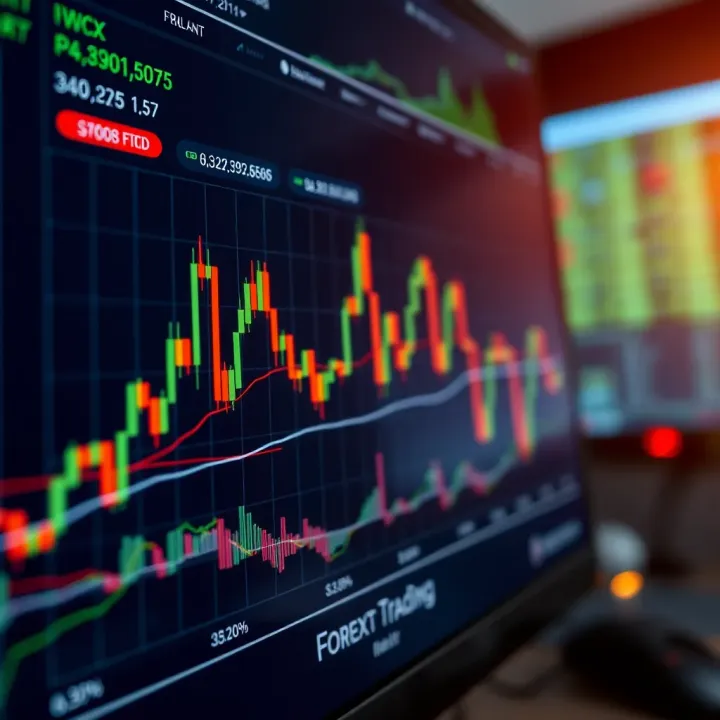
Explore forex trading simulators to practice currency trading risk-free! Learn features, tips, and how to pick the best one for South African traders 📊💱
Based on 8 reviews