
Complete Guide to Forex Trading Software
Explore forex trading software essentials: types, key features, risks, and expert tips to choose the right tool and boost your trading success 💹🔍
Edited By
Emily Reeves
Automated forex trading robots have become a solid fixture in the trading toolkit, especially for those wanting to keep a hand off the wheel while their investments do the work. These software programmes automatically execute trades based on pre-set algorithms and market analysis, aiming to boost efficiency for traders from all walks of life.
In South Africa, where currency volatility and trading costs loom large, such automation can help reduce the stress and constant monitoring needed for effective trading. Still, these robots aren’t a quick fix or a guaranteed path to wealth. Understanding how they operate and their limitations matters to avoid costly mistakes.
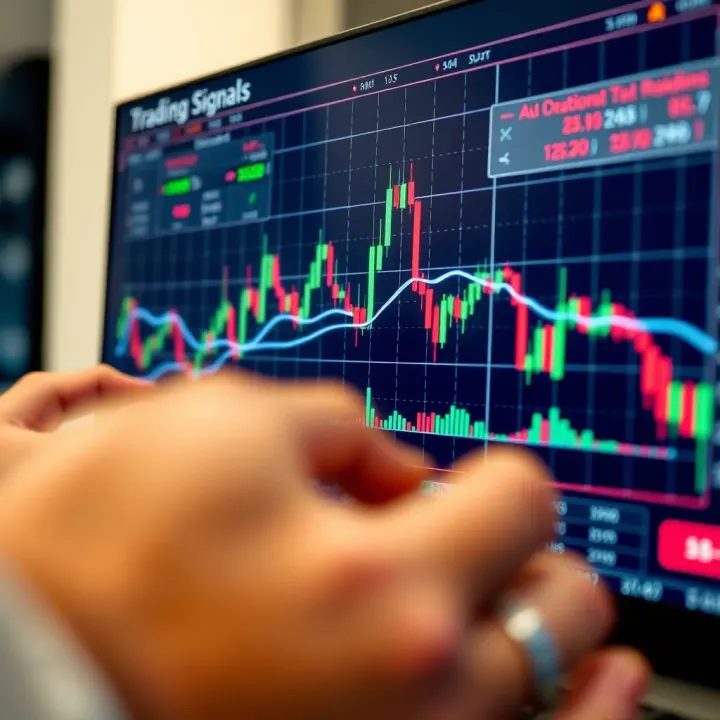
Automated trading robots follow set rules to buy or sell currency pairs — this removes emotional bias but depends heavily on the quality of the underlying strategy.
These systems process real-time data faster than any human could. For example, a forex robot might scan the EUR/USD pair for specific indicators like Moving Average Convergence Divergence (MACD) or Relative Strength Index (RSI) before entering or exiting trades. This rapid response is priceless when worlds of pips can change hands in minutes.
To get the best from these robots, you need to:
Choose software backed by transparent historical performance and reviews from trusted South African trading communities.
Ensure compatibility with your trading platform (e.g., MetaTrader 4 or 5, commonly used here).
Factor in the local trading environment, including imposed spreads and times when liquidity dips (such as during public holidays or overnight sessions).
However, keep in mind:
Robots don’t guarantee profits — poor programming or unsuitable strategies may lead to losses.
Market conditions change; past results rarely predict future outcomes perfectly.
Some software requires technical setup skills and ongoing management.
Whether you trade as a side hustle or full-time, automated forex robots can be a practical tool to increase trade execution speed and consistency. But they should form part of a well-rounded strategy that includes ongoing learning and risk awareness typical in South Africa’s dynamic forex market.
Grasping the basics of automated forex trading robots is key for anyone keen to navigate today’s currency markets effectively. These tools simplify trading by automatically identifying opportunities and placing trades without constant human input, making them invaluable in fast-moving forex environments where timing matters. Understanding how these robots function helps traders decide when and how to use them alongside personal strategies.
An automated forex trading robot is software programmed to scan the foreign exchange market, analyse data, and execute trades on a trader’s behalf. Instead of manually monitoring charts or entering trades, the robot follows preset rules or algorithms designed to identify profitable setups. This approach reduces human error and the emotional ups and downs inherent in live trading.
These robots typically connect to trading platforms, allowing them to operate unattended 24/7, which is crucial given the forex market's continuous global nature. For example, while a trader sleeps in Johannesburg, the robot could be capitalising on price movements in European or Asian sessions without delay.
Automated forex robots rely on computer-coded instructions to automatically place buy or sell orders when certain conditions are met. If a robot’s algorithm senses, say, a currency pair’s moving average crossing a threshold or a specific price pattern forming, it triggers a trade command.
This automatic execution means trades happen faster than any human could react, helping capture fleeting profits or cut losses early. As a South African trader, this speed can be beneficial, especially when managing multiple currency pairs or reacting to volatile rand movements.
Underneath every trading robot lies algorithmic strategies — a set of mathematical rules coded in programming languages like MQL4 or MQL5 for MetaTrader platforms. Traders can programme simple rules like "buy when RSI drops below 30" or more complex strategies combining various indicators and filters.
The benefit of algorithmic programming is consistency and repeatability; robots stick to their strategy without second-guessing. However, a poorly coded algorithm might miss market nuances or perform badly during unexpected events, making the quality of programming vital.
Trading robots usually operate through popular platforms like MetaTrader 4 or MetaTrader 5, widely adopted in South Africa and internationally. These platforms allow easy installation of Expert Advisors (EAs) — the technical term for trading robots — which then interact directly with brokerage accounts.
This integration handles data feeds, trade execution, and risk management. For example, if you use an FSCA-regulated broker compatible with MetaTrader, your robot can execute trades seamlessly within your live or demo account. This means you can test strategies in a risk-free environment before trusting the robot with real Rand.
Understanding the nuts and bolts of these robots turns them from mysterious black boxes into practical tools. Knowing their functions and limitations helps South African traders incorporate automation properly, balancing tech with personal insight.
Automated trading robots have reshaped how many approach the forex market. They offer clear advantages by handling trades swiftly and without emotional bias, but they also bring certain risks and challenges South African traders need to understand. We'll explore these aspects to give you a balanced view.
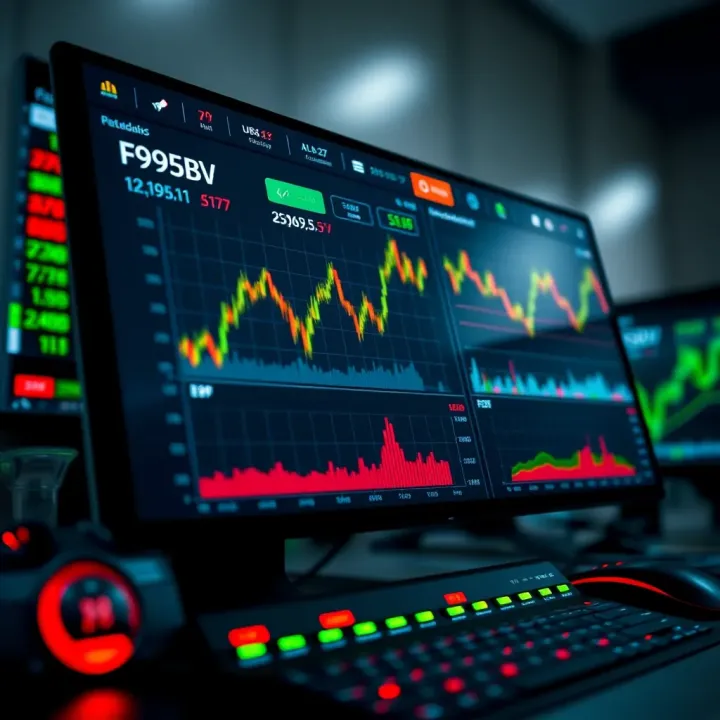
One of the big draws of trading robots is their speed. Computers can react immediately to market changes, executing trades in milliseconds — far quicker than a human could. This matters especially in volatile forex markets, where delays of just seconds might mean missing out on a favourable price or suffering a loss. For example, if the rand suddenly weakens against the dollar, a robot can instantly sell or hedge your position without hesitation.
Plus, this efficiency frees you from constantly monitoring screens. The bot can scan multiple currency pairs and open or close trades based on preset strategies, so you’re not tied down to your desk all day.
Human traders often battle fear and greed, leading to impulsive decisions like holding losing positions too long or panicking during sudden moves. Bots operate purely on algorithms and data, keeping emotions out of the picture. That means they stick to your strategy regardless of market jitters.
This emotion-free approach can result in more consistent execution. For instance, when markets dip sharply, a robot can stick to cutting losses as planned instead of chasing the market out of hope or fear. However, this strength also requires well-designed strategies — a robot will blindly follow poor rules without human judgment.
Forex markets never truly sleep. Trading robots run around the clock, taking advantage of opportunities while you rest or focus on other activities. This is particularly useful for South African traders keeping an eye on major moves in Asian or American sessions.
Imagine a robot monitoring the yen-dollar pair late at night SAST; it can act on breakouts or volatility spikes that might otherwise be missed. This persistent presence also helps react quickly to unexpected events, such as political announcements or economic data releases.
Many trading robots get fine-tuned to past market data, a process called backtesting. The problem is that some developers optimise the settings so narrowly that the bot only performs well on historical charts but struggles live. This is called over-optimisation and can trigger false signals in real trades.
For example, a robot might look brilliant on a USD-ZAR chart from 2020 but falter under current conditions. Real markets constantly shift; blindly trusting optimised bots without ongoing review is risky.
Automated trading depends entirely on your computer, internet connection, and broker platform functioning correctly. Even a few seconds of downtime or latency issues can lead to missed trades or unintended losses.
In South Africa, where internet outages or power failures (loadshedding) are common, this risk is real. Unless you have backup power and a reliable connection, your trading robot might not perform as expected at critical moments.
Not all trading robots on the market are honest or cost-effective. Some charge hefty upfront fees, monthly subscriptions, or promise guaranteed profits — a red flag in forex trading.
Beware of unregulated providers offering “too good to be true” results. Always seek robots with transparent track records, preferably reviewed by independent South African users or experts. Combining this with a regulated broker can help reduce the chance of falling victim to scams.
While automated forex trading robots bring tangible benefits, they’re not without pitfalls. Staying alert to these challenges helps you manage risks and capitalise on automation effectively.
Choosing the right automated forex trading robot can make the difference between steady gains and losing your hard-earned money. Given the growing number of options available, particularly those targeting South African traders, knowing the key features and warning signs is crucial. This section breaks down what you should look out for to ensure your choice aligns with your trading goals and local market conditions.
Backtesting is essential for evaluating how a trading robot would have performed in past market conditions. Good robots come with detailed historical results, showing trades on different currency pairs and under various volatility levels. This helps you see if the robot remains profitable across diverse scenarios or only in idealised markets. For instance, if backtesting reveals that a robot consistently struggles during high-volatility sessions common in the rand/dollar pair, it’s a signal to rethink. Remember, though, past performance isn't a guarantee—it's a helpful snapshot.
Flexibility in settings gives you the power to adjust the robot’s behaviour based on your risk appetite and market views. A trading robot that allows you to tweak stop-loss levels, take-profit points, or trading hours puts you in the driver’s seat. Some robots offer preset modes like conservative or aggressive trading strategies, useful if you’re starting out. Customisation also helps accommodate local factors, such as adjusting for spreads and commission differences typical in South African brokers. Without this control, you’re stuck with a one-size-fits-all approach that might not gel with your trading or the local environment.
Not all robots work seamlessly with every broker. It’s crucial your chosen robot is compatible with brokers regulated by the Financial Sector Conduct Authority (FSCA), like IG, CM Trading, or EasyEquities. These brokers ensure greater oversight and security for South African clients. Incompatible software can cause delays or failed trade executions, leaving you exposed. Moreover, some robots integrate better with MetaTrader 4 or MetaTrader 5 platforms, which many local brokers support. Checking compatibility saves frustration and potential financial losses.
If a robot claims guaranteed returns, approach with caution. Forex markets do not offer sure-thing outcomes, and claims suggesting otherwise often point to scams or misleading marketing. No robot can predict sudden market moves caused by geopolitical events or economic announcements. A realistic robot will highlight risks and emphasise consistent performance over flashy gains.
Transparency speaks volumes. Reliable robots provide accessible backtests, live trading results, and have active user communities sharing their experiences. If you find a robot with no verifiable results or only glowing testimonials without balanced feedback, it's a warning sign. User reviews — especially from South African traders who understand local market costs and behaviour — can give you a better sense of how the robot performs in practice.
Trading with robots offered by unregulated companies carries unnecessary risks. Without FSCA or recognised international regulation, these providers might evade accountability, mismanage funds or disappear without notice. Reviewing the robot provider’s registration and reputation helps safeguard your capital. Opting for software backed by regulated brokers or firms is safer and aligns with South Africa’s evolving trading industry standards.
In summary, evaluating a forex trading robot boils down to detailed research, cautious optimism, and practical tests within your market context. Prioritise thorough backtesting, control features, and local broker compatibility while staying alert to hype and suspicious offerings.
When it comes to using automated forex trading robots in South Africa, understanding the local trading environment is key. These robots aren’t magic: they respond to market conditions and need careful oversight. Having some practical tips helps you avoid common pitfalls and get the most from your trading tools, especially given the unique factors impacting forex trading here.
Automated trading robots can’t predict every market move, especially with the rand’s well-known volatility. South Africa’s exchange rate often swings sharply on political news, economic data releases, or global market shifts. This means a robot that performs well during steady markets might struggle when things get choppy. Getting this upfront saves you from expecting constant profits or flawless performance.
Regular monitoring is just as important. Even the most advanced algorithm needs a human eye. Markets evolve, and the parameters that worked last month might not fit now. Adjusting settings based on recent market behaviour or pausing robots during scheduled Eskom loadshedding times—when internet and electricity might be unstable—makes a real difference to consistency.
Rand fluctuations directly affect your forex positions, especially if you’re trading currency pairs involving ZAR. Sharp drops or gains in the rand can inflate losses or eat into profits quickly, so factoring this into risk management is essential. Using stop-loss levels tuned to current market moves helps protect your capital.
Choosing a broker regulated by the Financial Sector Conduct Authority (FSCA) is non-negotiable. This regulation ensures a standard of fairness and security that many offshore brokers can’t match. For instance, FSCA-regulated brokers must comply with client fund protection rules, giving you peace of mind during volatile times.
Costs like spreads and commissions also impact robot profitability. South African brokers often offer variable spreads tied to market liquidity, which can widen during office hours or around major economic events. It's wise to compare these costs across brokers, including smaller fees like overnight financing (swap rates), to ensure your robot strategy remains profitable after expenses.
The key to successful automated forex trading in South Africa is balancing technology with local market realities and ongoing human oversight, keeping your expectations realistic and your risk management sharp.
Remember, there’s no one-size-fits-all approach. Keep your setup flexible and always stay informed about the changing economic landscape, both globally and locally. This practical approach maximises your chances of making your trading robot work well in the South African market.
Choosing to rely on automated forex trading robots is not just about handing over control to software — it demands careful thought and ongoing attention. After considering how these systems work, their benefits and quirks, as well as local conditions in South Africa, it's clear that making informed decisions is essential to avoid surprises. Traders who grasp the strengths and limits of robots, plus the need for personal involvement, tend to navigate forex markets more effectively.
Even the smartest trading robot can't replace human judgement entirely. Markets can shift rapidly due to geopolitical events or sudden economic announcements—think loadshedding reports from Eskom or unexpected rand movements—which require a human to interpret the bigger picture. For example, a robot may continue executing trades based on old patterns during sudden political unrest, potentially increasing risk.
Regularly monitoring your robot’s trades lets you spot when its decisions no longer align with current market conditions. Adjusting settings or temporarily pausing automation ensures the system doesn’t blindly chase losses or suffer from over-optimisation. Human oversight also helps in managing technical hiccups like internet outages, broker glitches, or software bugs, which can affect execution.
Adapting robot strategies is crucial because forex markets don’t stay still. A strategy that worked well during rand stability might fail during volatile periods. Traders should update algorithms or switch strategies after checking fresh backtesting results and forward testing to reflect new trends. For instance, the volatility that often peaks around the SARB interest rate announcements requires quicker trade exits, something a robot's preset rules may not handle well without manual tweaks.
Staying educated about forex fundamentals and the latest trends remains vital. Markets evolve, and so should your understanding — whether that’s macroeconomics, new regulations by the Financial Sector Conduct Authority (FSCA), or changing broker fees. Sound risk management, like setting stop-loss levels or limiting exposure per trade, protects your capital from robot errors or unexpected market moves.
Using technology wisely means selecting reliable robots vetted through transparent performance history and aligning with trusted FSCA-regulated brokers. Avoid robots promising guaranteed profits or those with hidden fees. Also, remember that automated trading tools complement rather than replace your own market research and decisions. Combining tech with your knowledge builds better resilience in your trading approach.
In short, combining well-chosen automated tools with consistent learning and vigilant human oversight offers South African forex traders the best shot at sustained success amid shifting market conditions.
Explore forex trading software essentials: types, key features, risks, and expert tips to choose the right tool and boost your trading success 💹🔍
Explore forex trading simulators to practice currency trading risk-free! Learn features, tips, and how to pick the best one for South African traders 📊💱

🌍 Explore key players, market structure, proven trading strategies, risk controls, regulations & economic impact in global forex trading insights. 💹

Explore forex trading in Yokohama 🇯🇵 with insights on local markets, regulations, top brokers, risk tips, and analysis methods for smarter trades 📈💡
Based on 5 reviews