
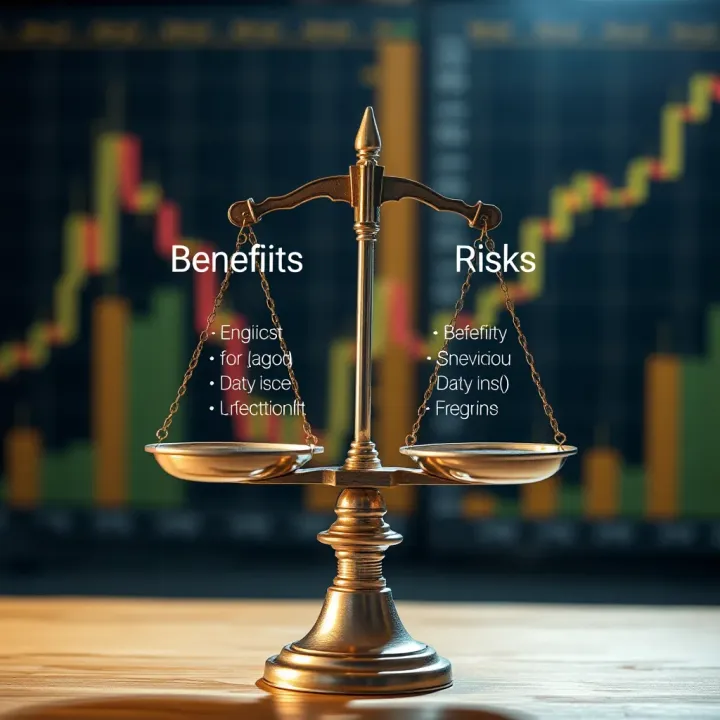
Understanding Binary Options for South African Traders
📈 Discover how binary options trading works for South African traders, including the benefits, risks, legal stuff, and practical tips to trade wisely in local markets.
Edited By
Sophie Turner
Binary brokers act as the go-between for traders and the financial markets in binary options trading. Rather than owning the underlying asset, traders bet on whether the price of something—like gold, forex pairs, or JSE indices—will rise or fall within a specific timeframe. The broker provides the platform where these bets take place.
For South African traders, understanding how these brokers operate is key to navigating the quirks of the local market and regulations. Unlike traditional stockbrokers, binary brokers offer fixed-return trades, often lasting minutes or hours, making them tempting for fast-paced trading but also carrying higher risk.
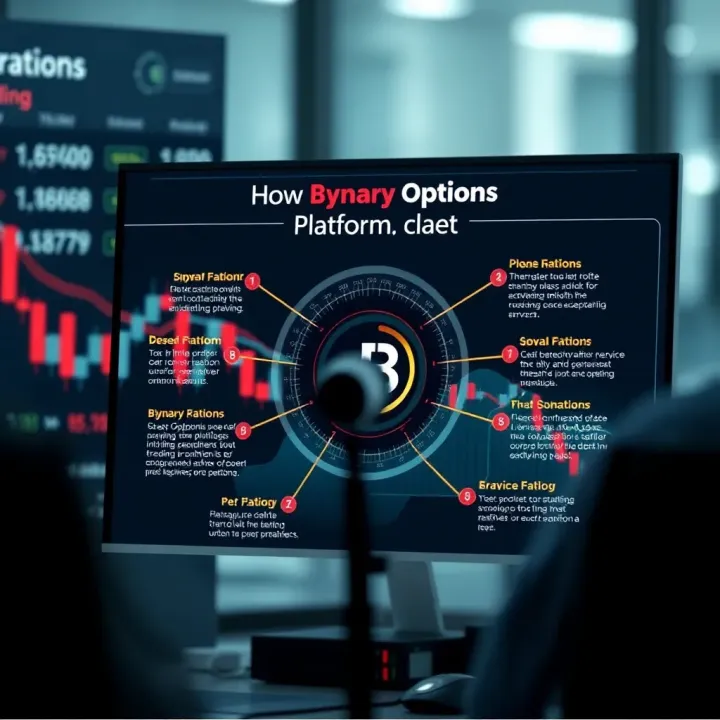
Binary options trading typically works in a straightforward way:
You select the asset you want to trade.
Choose a direction—whether the price will go up or down.
Set the amount you want to risk.
Pick the expiry time for your option.
Wait to see if your prediction is right to earn a fixed payout or lose the stake.
South African traders need to be especially aware of regulatory matters. The Financial Sector Conduct Authority (FSCA) has limited direct regulation of binary brokers locally, so many operate offshore. This makes it crucial to verify a platform’s credibility by checking for licenses from reputable bodies such as CySEC in Cyprus or the FCA in the UK.
Trading through unregulated binary brokers can leave you exposed to scams and difficulties in recovering funds.
Key features to watch out for when choosing a binary broker include:
Transparent payout structures without hidden fees
Available assets relevant to your trading style (commodities, indices, currency pairs)
User-friendly trading platform compatible with mobile and desktop
Reliable customer support reachable during local trading hours
Remember that the fixed nature of payouts means potential gains are capped, but losses can be total. Risk management techniques like limiting trade sizes and using demo accounts before committing real funds are essential.
This hands-on understanding of binary brokers equips you to weigh the pros and cons, handle the specific risks involved, and pick a platform that suits your trading goals in South Africa’s unique environment.
Understanding what a binary broker is and how it operates is key for South African traders looking to explore binary options. These brokers act as the middlemen between you and the markets you want to trade in, offering a simplified way to speculate on the price movements of various assets like shares, currencies, and commodities.
Binary options are a type of financial contract where you predict whether the price of an asset will rise or fall within a set time. The outcome is straightforward: either you win a fixed payout or lose your initial stake. Unlike traditional trading, with its complex charts and margin calls, binary options offer a clean, yes-or-no style bet.
A binary broker is the platform provider that facilitates these trades. They supply the interface, manage trade executions, and handle payments. Not all brokers are created equal — South African traders must find ones that offer trustworthiness, good service, and compliance with relevant regulations.
Binary brokers make money mostly from the spread or the difference between what you pay to enter a trade and the payout you might receive. They provide real-time data on assets so you can decide your position. When you place a trade, the platform locks in your stake and either pays out your winnings if you guessed right or keeps the stake if you guessed wrong.
Most brokers offer straightforward platforms accessible in South Africa, often with demo accounts to practise without risking real money. For example, platforms like IQ Option and Pocket Option provide easy access and a range of assets while processing deposits and withdrawals through local methods like EFTs and popular e-wallets.
Your typical binary broker will offer several styles of options, each with its own trading approach:
High/Low Options: The classic choice. You predict if the asset price will close higher or lower than the current price at expiry.
One Touch: Here, you pick whether the price will touch a specified level before expiry. A win results in a higher payout but carries more risk.
Range Options: You bet if the price will remain within a set range until expiry. Safer but generally lower returns.
Binary options simplify the trading experience but carry significant risk. Knowing how brokers work and the types of options they offer helps you trade smarter.
By grasping these basics, South African traders can better evaluate binary brokers and figure out which platform suits their style and needs. Remember, clear understanding beats guesswork every time.

Choosing the right binary broker means paying close attention to certain features that can seriously affect your trading experience. For South African traders, these features ensure you’re using a platform that’s not only safe but also practical and suited to our local context.
The ease of using a trading platform can’t be overstated. You want a platform that loads quickly and responds immediately — delays can mean the difference between profit and loss. Look out for a clean interface, easy navigation, and reliable charting tools. Some brokers offer features like real-time data feeds, technical indicators, and even trial demo accounts where you can test strategies without risking cash. For instance, platforms like IQ Option offer intuitive layouts that make it easier for beginners and pros alike.
Different brokers provide access to various markets and assets. While some stick to major currency pairs and indices, others include commodities like gold and platinum, or stocks of JSE-listed companies such as Sasol and Naspers. Having a broad selection lets you diversify your trades, which helps spread risk. For South African users, it also pays to check if the broker offers exposure to local markets or more global options, depending on your strategy.
Fast and straightforward deposit and withdrawal options are crucial. Look for brokers that support familiar methods such as EFT, credit/debit cards, or even payment gateways like PayFast or Peach Payments that are popular locally. Withdrawal times can vary widely: some brokers pay out within 24 hours, others take several days. Reading user reviews from fellow South African traders often reveals whether brokers handle withdrawals promptly or cause delays.
Reliable support is a must, especially when navigating complex financial markets. Check if the broker offers responsive customer care via multiple channels—live chat, email, or phone—and ideally with business hours aligned to SAST (South Africa Standard Time). Besides support, educational materials like webinars, strategy guides, or market analysis can help you sharpen your skills. For example, Deriv provides comprehensive tutorials tailored to various skill levels.
Picking a broker with the right mix of usability, market breadth, payment ease, and supportive resources will set you up for smarter, smoother trading experiences. Never overlook these factors, especially in the volatile realm of binary options.
By carefully weighing these features, South African traders can avoid common frustrations and focus on building strategies that work, reducing risks, and ultimately making their money work harder for them.
For South African traders, knowing the legal and regulatory framework around binary brokers isn’t just a nice-to-have—it’s essential. This landscape governs which brokers you can trust, how your money is protected, and what recourse you have if something goes wrong. Without understanding these rules, you might unknowingly trade with unlicensed or fraudulent operations, risking your capital and peace of mind.
South Africa does not currently have specific regulations exclusively for binary options. Instead, binary options generally fall under the broader oversight of the Financial Sector Conduct Authority (FSCA) and may touch on laws that govern financial services, including the Financial Advisory and Intermediary Services Act (FAIS). This means that brokers targeting South African users should comply with local provisions requiring transparency, fair treatment, and proper client protection.
Additionally, cross-border brokers operating online may be subject to offshore regulations but if they serve South African clients without FSCA approval, they operate in a legal grey area. This leaves traders exposed. A real-life example: a trader using a foreign binary broker without a valid FSCA licence can find it difficult to enforce their rights if the broker fails to pay out winnings or acts fraudulently.
Licensing is the backbone of trust in financial markets. In South Africa, an FSCA licence signals that a broker meets minimum standards of honesty, financial soundness, and operational transparency. Without this, a binary broker is not officially recognised, turning your trading activities into a gamble without any regulatory protection.
Realistically, many international binary brokers do not hold an FSCA licence but may operate under licences from other jurisdictions, like Cyprus or Malta. While these can offer some degree of oversight, the challenge is that South African traders have less local legal leverage when disputes arise. So, prioritising brokers licensed by the FSCA or those offering transparent, verifiable credentials reduces exposure to scams.
Spotting a trustworthy broker involves more than just glancing at their website:
Check for an FSCA Licence Number: Genuine brokers proudly display their FSCA licence. You can verify this on the FSCA’s official register.
Look for Transparent Contact Details: Legitimate brokers provide clear office addresses and accessible customer service via phone or live chat—no hiding behind vague emails.
Read Independent Reviews: User experiences on South African trading forums and platforms like MyBroadband can reveal patterns of complaints or praise.
Assess Payment Methods: Reliable brokers offer known channels like EFTs, credit cards, or e-wallets with clear withdrawal policies—malfunctioning or delayed payments are red flags.
Always pause before investing your hard-earned Rands. If a broker refuses to show regulatory compliance or offers unbelievably high returns with no risk warnings, it’s best to steer clear.
Knowing how South African laws apply, why licensing matters, and how to confirm a broker’s legitimacy helps protect you from dodgy operators. Trading binary options isn’t without risk, but understanding these basics puts you in the driver’s seat, making informed decisions rather than blindly guessing.
Trading through binary brokers carries several risks that South African traders need to understand before putting their money on the line. While binary options might seem straightforward, the potential pitfalls can quickly erode a trader’s capital if not managed well. Getting a clear grip on these risks helps traders avoid costly mistakes and protects them from unreliable platforms.
Binary options trading is often flashy, promising quick returns, but it can be deceptively simple. A major pitfall is the all-or-nothing nature of trades: you either earn a fixed profit or lose your entire stake. This means that even a few wrong calls can drain your trading account. For example, if you bet R1,000 and lose the trade, you immediately lose that full amount, unlike traditional trading where you hold an asset that might retain some value.
Another common trap is trading based on emotions or misinformation. A sudden tip from a chat group or news headline might push traders to make rash decisions, especially when markets swing unexpectedly. Traders who don’t stick to a plan or ignore risk management often end up losing more than they anticipate.
Security is another critical issue when dealing with binary brokers, particularly those that are not fully registered with South African financial bodies or reputable global regulators. Fraudulent operators may disappear with traders’ deposits or manipulate software to skew results. There are reported cases where users found withdrawal requests mysteriously rejected or delayed indefinitely.
To prevent falling victim to fraud, South African traders should verify the broker’s licence status with regulators like the Financial Sector Conduct Authority (FSCA). Using brokers recognised internationally and checking for positive user reviews on trusted forums can also help separate the genuine from the dubious.
Beware of platforms that guarantee high returns with little risk — if it sounds too good to be true, it probably is.
Successful binary options trading boils down to managing risks well. Start small; use demo accounts that mimic real trading conditions without risking actual money. This builds familiarity with the platform and hones your strategy.
Set strict limits on how much you’re prepared to lose daily or weekly, and stick to those numbers no matter what. Diversify your trades rather than putting all your funds into a single asset or expiry time. For instance, avoid betting solely on volatile stocks or currencies, as these can swing wildly due to news or geopolitical events.
Finally, keep up to date with market news but double-check facts before acting. Use reliable sources like Bloomberg or Reuters rather than social media hearsay. Keeping a trading journal to track successes and failures also helps refine your approach and avoid repeating mistakes.
By recognising these challenges and risks associated with binary brokers, South African traders can make safer, more informed decisions and avoid common traps that catch out beginners and experienced traders alike.
Trading binary options can be tempting with promises of quick returns, but it's vital to approach it with practical strategies. For South African traders, understanding how to navigate the market, select a reliable broker, and adapt to changing conditions can make all the difference between losing your R and protecting it.
Choosing a broker isn't just about flashy websites or high payout rates. Look for brokers licensed or recognised by reputable authorities. While South Africa may not regulate binary options directly, brokers regulated by bodies like the Financial Sector Conduct Authority (FSCA) or international regulators with solid reputations offer some reassurance.
Also, factor in the payment methods available. Does the broker support local methods like EFT or mobile money wallets popular in South Africa? Prompt withdrawals and transparent fees matter here. For example, a broker that supports withdrawal via FNB or Standard Bank is more practical than one insisting on cryptocurrency-only transactions, which can be tricky for many.
Don't throw your full trading budget at the first promising broker. Start small with amounts you can afford to lose without much pain. Many brokers offer demo accounts – these simulated trading platforms let you practise without risking real money.
For instance, some platforms mimic real-market movements closely enough that you can test strategies as if you were playing with real Rand. Mistakes in the demo don't cost you, so you learn the ropes and avoid costly errors when you go live. It's a no-brainer for anyone serious about trading.
Markets don’t stay still, and neither should you. Stay informed about both global economic shifts and local South African developments since they influence asset prices. Pay attention to events like SARB interest rate announcements, JSE movements, or even Eskom load shedding schedules, which affect broader economic confidence.
Use trustworthy news platforms and trading forums to get updates. Setting up alerts for key financial events can help you decide when to open or close positions. The key is to stay flexible and adjust your trading tactics as the market changes, rather than relying on outdated information.
Consistency in learning and adapting is what separates those who break even from those who profit in binary trading.
By focusing on these practical tips, South African traders can improve their chances of navigating binary brokers safely and making informed decisions that suit their financial goals and local realities.
📈 Discover how binary options trading works for South African traders, including the benefits, risks, legal stuff, and practical tips to trade wisely in local markets.

Explore how binary option brokers work, key risks and regulations for South African traders 🇿🇦, plus tips on choosing a reliable platform for smart trading decisions 📈.

📊 Discover how binary options trading works, the risks involved, legal facts in South Africa, and practical tips to help you trade wiser in this tricky market.

Explore binary signals software 📊, how it uses algorithms for market predictions, its pros and cons, plus key tips for South African traders before using these digital tools.
Based on 9 reviews