

Understanding Binary Options for South African Traders
📊 Discover how binary options trading works, the risks involved, legal facts in South Africa, and practical tips to help you trade wiser in this tricky market.
Edited By
Claire Mitchell
Binary options trading has drawn quite a bit of attention among South African traders looking for straightforward, potentially profitable financial products. At its core, trading binary options means predicting whether an asset’s price will be above or below a specific level at a set time. It’s a yes/no bet, unlike traditional share trading where you own part of a company or currency.
In South Africa, the appeal lies in binary options’ simplicity and clear risk: you know how much you stand to lose or gain right from the start. For example, if you believe the price of gold will climb above R1,000 per gram within an hour, you place a ‘call’ option. If it does, you earn a fixed return, often around 70-90%; if not, you lose your stake.
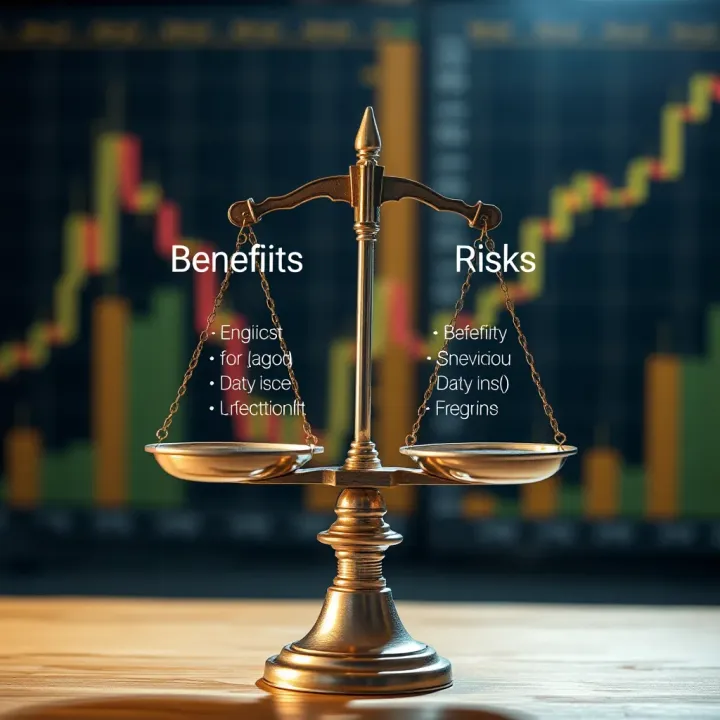
Keep in mind: Binary options are not your usual long-term investment. They’re more about short-term trades, sometimes lasting just minutes.
This straightforward structure can tempt even first-time traders. However, it pays to be cautious — these products carry high risk and are often described as ‘all or nothing’. South African traders should always consider local regulations, as the Financial Sector Conduct Authority (FSCA) has warned about unregulated brokers and scams in this space.
Clear outcomes: You either win a fixed payout or lose your stake.
Accessibility: Many platforms allow trading with small amounts, sometimes as little as R100.
Variety: Options on currency pairs, indices, commodities, and even cryptocurrencies.
Flexibility: Short time frames catering to active traders.
High chance of loss: Most traders lose money over time.
Fraud risks: Unregulated brokers might disappear with your funds.
No ownership: You don’t hold the underlying asset, so no dividends or rights.
As you explore binary options, consider how these traits fit your risk tolerance and financial goals. Stay informed, verify broker credentials, and always trade responsibly. The rest of this guide will break down how binary options trading works in more detail, spell out legal points, and offer practical tips specific to South African traders.
Binary options are a type of financial instrument where the outcome is straightforward: either you earn a fixed payout or you lose your investment. This simplicity makes binary options accessible, especially for new traders. Instead of worrying about how much an asset will rise or fall, you only need to predict whether its price will go up or down within a specific timeframe.
At its core, a binary option is a bet on whether an underlying asset’s price will meet a certain condition by expiry. For example, a trader might predict that the price of gold will be above R1,000 per gram in the next hour. If this condition is true at expiry, the trader receives a fixed return, often around 70 to 90% of their stake. If not, the stake is lost entirely. This 'all or nothing' structure means you know your potential gains and losses upfront, which appeals to many.
High/Low options are the most common form of binary options. You simply choose whether an asset’s price will be higher or lower than the current level at expiry. For instance, if the price of Brent crude oil is currently at $70 per barrel, you can bet on the price being either higher or lower than $70 in 15 minutes. It's like calling heads or tails in a coin toss, but with some market insight, you can improve your odds.
This type is popular because of its simplicity and quick turnaround times, making it attractive for traders who want fast action or are testing strategies without lengthy exposure.
One Touch options offer a different challenge: the asset’s price must touch or exceed a predetermined level at least once before expiry. For example, a trader may bet that the JSE All Share Index will touch 70,000 points by the end of the day. If it does, the payout is made regardless of where the price settles after touching that level.
These options typically have higher payouts due to increased risk. However, they require precise market analysis and timing, so they're often favoured by more experienced traders looking to capitalise on expected volatility.
Range options require the price to remain within a specified upper and lower boundary throughout the option's duration. For example, you might wager that the rand-dollar exchange rate will stay between R14.50 and R15.00 over the next hour. If the price stays within this range, you receive the payout; if it moves outside, you lose the stake.
This type suits traders who expect consolidation or limited price movement and prefer to avoid markets with sharp swings. Range options can offer more predictable risk and reward profiles for those who read price charts carefully.
Unlike traditional share trading or forex, where profits depend on how much the asset’s price moves, binary options fix the payout amount beforehand. This removes ambiguity but also limits profit potential. Plus, binary options trades often last minutes or hours, not days or months, which means they demand quicker decisions.
Another difference lies in risk control. Knowing your maximum loss at the outset helps manage capital, but the risk of losing 100% of your stake on a single trade is higher than in some other markets where stop-loss orders can limit damage.
For South African traders, understanding these differences helps in choosing whether binary options fit their style and risk appetite, especially given the fast-paced and sometimes opaque nature of these markets.
When considering binary options trading, it’s vital to weigh both its attractions and the risks involved. South African traders often see this as a quick and simple way to enter financial markets, but it’s not without its pitfalls. Understanding why it's appealing and what dangers lurk can help you make smarter choices and avoid costly mistakes.
Binary options boil down to a straightforward bet: will an asset’s price go up or down by a certain time? This simplicity appeals to many locals, especially those who might find conventional trading with charts and complex indicators intimidating. You don’t need to worry about buying the asset itself or tracking long-term price movements – it’s just a yes/no decision.
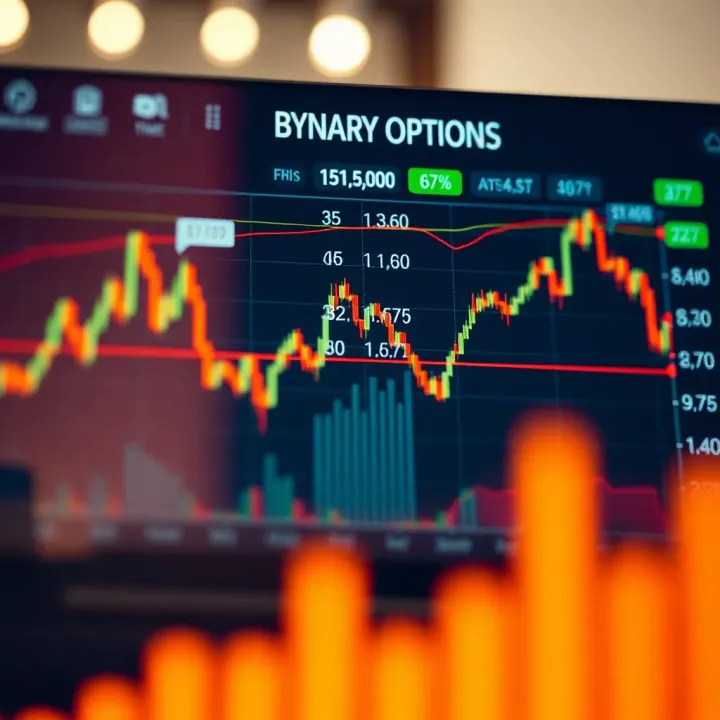
For example, a trader might predict whether the price of gold, which is quite popular locally, will be higher or lower after 60 seconds. This clear-cut yes-or-no format means you can learn the ropes fairly quickly without drowning in technical jargon.
One of the main draws is the chance to make money quickly. Binary options usually offer tight expiry times – some even as short as 60 seconds. This means you don’t have to wait days or weeks to see if your trade paid off. For some, this fits their appetite for short bursts of trading activity, especially if they see market movements happening during Eskom’s scheduled loadshedding times when traditional market hours matter less.
That said, fast returns can also mean fast losses if you’re not careful. The quick turnaround can tempt traders into reckless behaviour, chasing immediate wins without a solid plan.
Most binary options platforms are available online and adaptable for mobile usage, making trading accessible anywhere with an internet connection. South African traders can usually open accounts with minimal paperwork compared to traditional investing. This convenience is a plus, considering many depend on mobile data and may not have time for a formal broker setup.
Several brokers accept Rand deposits and work with local payment methods, making it easier to fund and withdraw money. Still, you should double-check if the platform you pick supports this and complies with South African regulations.
Binary options operate on an all-or-nothing payout structure. If your prediction is wrong, you lose your entire stake for that trade. Unlike share trading, where prices can recover, here it’s a clear loss each time you get it wrong. This means even small mistakes add up quickly, and the risk can be quite high if you trade without limits.
For example, if you wager R1,000 on a binary option and the market moves against you, you’re down R1,000 instantly. This can deplete your trading capital faster than many realise.
The industry has attracted a fair share of dodgy operators, including in South Africa. Some brokers might promise stellar returns but delay or block withdrawals, alter prices, or push traders into losing more money. The Financial Sector Conduct Authority (FSCA) has issued warnings about unregulated brokers operating in the country.
Always look for brokers with clear FSCA licencing or ones fully transparent about their operations. If a platform pressures you to deposit more or uses aggressive marketing tactics, that’s a red flag.
Many binary options platforms operate overseas with little oversight, meaning South African traders might find it hard to seek justice when things go wrong. These platforms can have opaque terms and conditions, making it tricky to understand the true costs or how prices are determined.
This lack of transparency can lead to an unfair trading environment. For instance, if a platform manipulates the expiry price to trigger losses, traders are left powerless. That’s why sticking to fully regulated brokers, ideally those overseen by the FSCA or equivalent bodies, is crucial.
Trading binary options might seem straightforward, but the risks stack quickly if you’re not careful. Keeping a clear head about the pitfalls and choosing trustworthy platforms is key to protecting yourself in this fast-paced market.
Understanding the regulatory framework governing binary options in South Africa is vital for traders to protect themselves from scams and make informed decisions. Given the high incidence of fraudulent schemes in unregulated markets, knowing which authorities oversee trading activities helps minimise risks and ensures traders comply with the law.
The Financial Sector Conduct Authority (FSCA) is South Africa’s main regulatory body overseeing financial markets, including trading platforms that offer binary options. The FSCA's role extends beyond mere supervision; it aims to protect consumers by setting rules that brokers must follow, checking for fair practices, and shutting down unlicensed operators.
For instance, the FSCA requires brokers to be registered locally to operate legally. This registration signals that the broker adheres to standards on transparency, client fund protection, and dispute resolution. Traders should always check the FSCA’s list of authorised firms before signing up with a binary options platform.
The FSCA also issues warnings through public notices to alert South Africans when dubious platforms target local investors, helping them steer clear of potential traps. These warnings are crucial because many offshore sites operate without any oversight and often disappear with clients’ money.
South Africa currently permits trading binary options but strictly through FSCA-licensed brokers only. The FSCA regulates binary options as part of derivative instruments, requiring platforms to meet strict criteria covering investor protection and operational transparency. This regulatory stance aims to prevent the massive losses often encountered with unregulated brokers.
Crucially, the FSCA routinely reminds traders that many binary options advertisements promising quick, guaranteed profits are misleading — binary options carry significant risks, and there’s no magic formula for easy wealth. Local laws also empower the FSCA to take action against unregistered services offering these trades within South Africa.
South African traders must be alert to platforms that lack FSCA registration, offer unrealistic returns, or pressure users to invest more money quickly. Common red flags include unsolicited contact via phone or email, platforms hiding their physical office locations, and complicated withdrawal processes.
Practical steps include verifying the broker on the FSCA database and testing withdrawals with small amounts first. Also, avoid brokers that do not comply with Know Your Customer (KYC) and Financial Intelligence Centre Act (FICA) rules for identity verification — legitimate brokers follow these to deter money laundering.
Scam sites often copy the look and feel of real brokers, so trust your gut if anything feels off and seek advice from financial forums or consult a registered financial adviser.
By staying vigilant and informed about South Africa’s regulatory environment, traders can navigate binary options trading with more confidence and reduce the chances of falling victim to scams or illegal operators.
Picking the right platform for binary options trading makes a world of difference, especially in South Africa’s market where regulation and supplier reputation vary widely. The platform you choose influences your trading experience, the ease with which you enter trades, and crucially, your safety. A solid platform won’t just offer a slick interface but will demonstrate clear commitment to trustworthiness and fair practices.
Brokers authorised by the Financial Sector Conduct Authority (FSCA) have cleared regulatory hurdles to operate legally in South Africa. This licence shows they must meet certain standards—like keeping client funds separate from operational money and following fair marketing rules. For traders, this means a degree of protection against scams that plague unregulated operators.
Choosing an FSCA-licenced broker reduces the risk of losing your money to shady schemes. It also gives you a clear channel to lodge complaints if something goes wrong. However, the FSCA's licensing does not guarantee profits or risk-free trading; it’s more about compliance and oversight.
Clear, upfront information about fees, payout structures, and terms is essential. Many traders fall into traps where hidden charges or unfair payout rates chip away at their capital without them realising. A trustworthy broker lists all costs plainly, including withdrawal fees and minimum trade amounts, enabling you to calculate your potential risks and returns accurately.
An example: some brokers may advertise high payout percentages but impose tight restrictions on when you can close a trade or withdraw funds. Always check if the platform outlines these conditions clearly in its terms and conditions before committing.
Binary options trading demands quick decisions and often hinges on timing. A platform that is intuitive, responsive, and easy to navigate helps you place trades without fumbling. Look for platforms that offer clear charts, straightforward order placement, and real-time price updates.
South African traders have reported better experiences with platforms that support local payment methods like Instant EFT or SnapScan, which also contribute to smoother deposits and withdrawals. A cluttered or slow interface isn’t just frustrating—it can result in costly mistakes.
Register and Verify: Sign up with an FSCA-licenced broker, provide necessary identification documents, and complete any Know Your Customer (KYC) checks.
Deposit Funds: Use an accessible payment method that suits you, like EFT or credit card, and fund your trading account.
Choose an Asset: Decide which financial instrument you want to trade—could be a local share, global Forex pairs, or commodities like gold.
Select an Option Type: Pick from options like High/Low or One Touch, depending on your market outlook.
Set Investment Amount: Decide how much to stake on the trade, keeping in mind your overall risk tolerance.
Pick Expiry Time: Choose when the option will expire, ranging from minutes to hours or longer, based on your strategy.
Confirm and Monitor: Place the trade and monitor its progress but avoid emotional reactions that tempt you to overtrade.
Collect Payout or Review Loss: After expiry, your profit or loss is settled instantly on most platforms.
Taking the time to choose a reliable broker and understanding each step in trading binary options can protect you from common pitfalls and give you a firmer grip on your trades in South Africa’s financial environment.
Experienced traders benefit from well-honed strategies and sound risk management when dealing with binary options. Without these, the fast pace and binary nature of the market can lead to unnecessary losses. This section highlights practical approaches that help experienced traders manage their exposure and improve their chances of consistent success.
Setting limits is crucial to control losses and protect your capital. For example, deciding upfront that you won’t risk more than R500 in a single trade or not more than 5% of your total trading capital per day keeps emotions from driving decisions. This limit-setting also helps traders step back when things go south and avoid chasing losses.
Instead of putting all your eggs in one basket, diversifying trades across different assets or trade types spreads risk. For instance, if you usually trade currency pairs, adding some trades on commodities like gold and oil can buffer against market moves that might affect only a single sector. Diversification helps reduce the impact of sudden, unexpected events on your overall portfolio.
Overtrading often comes from impatience or attempts to recover losses, leading to careless bets and burnout. Experienced traders maintain discipline, knowing that not every moment is ideal for a trade. Scheduling regular breaks and trusting a well-tested strategy reduces the temptation to trade just for the sake of action. Overtrading can deplete funds quickly, especially in volatile markets.
Trend following involves identifying and trading in the direction of the prevailing market trend. If the price of platinum is steadily rising, a trader might buy "Call" options expecting the trend to continue. This strategy relies on careful analysis to confirm the trend rather than jumping in on short-term spikes.
Fast-moving markets react to global and local news such as Reserve Bank rate announcements or mining strikes in South Africa’s key sectors. Traders who monitor these events closely can take positions before the market fully factors in the news. For instance, when Eskom announces new loadshedding schedules, related shares or currency pairs might move sharply. Timing is everything in news trading.
Tools like moving averages, RSI (Relative Strength Index), and support/resistance levels provide clear markers for entry and exit points. For example, if the RSI shows an asset like the JSE Top 40 index is oversold, it might be a signal to buy a "Call" option anticipating a rebound. Technical analysis brings structure to what otherwise might feel like guessing.
Successful binary options trading combines strategy, discipline, and risk control. Armed with these tools, experienced traders can better navigate market volatility and improve their trading edge.
📊 Discover how binary options trading works, the risks involved, legal facts in South Africa, and practical tips to help you trade wiser in this tricky market.

Explore how binary option brokers work, key risks and regulations for South African traders 🇿🇦, plus tips on choosing a reliable platform for smart trading decisions 📈.

Learn to spot binary options scams 📉 and protect your cash 💸. Get practical tips, recognise common tricks, and know your legal rights here in South Africa 🇿🇦.

💹 Learn how binary options trading works in South Africa, understand local regulations, risks involved, and get practical tips to protect your investments safely.
Based on 7 reviews