

Top Forex Trading Books for Beginners and Beyond
📚 Discover the top books for learning Forex trading with practical tips, strategies, and risk management tailored for South African traders keen to master the market.
Edited By
Charlotte Hayes
Forex trading involves exchanging one currency for another on a global market where currencies are constantly bought and sold. It's the largest financial market worldwide, with a daily turnover exceeding $6 trillion. For South Africans, this market offers opportunities beyond local investments, but it demands a solid grasp of its workings and risks.
Understanding forex starts with recognising currency pairs. For example, the USD/ZAR pair shows how many South African Rands you need to buy one US Dollar. Movements in this rate can influence imports, exports, and even your travel budget to other countries.
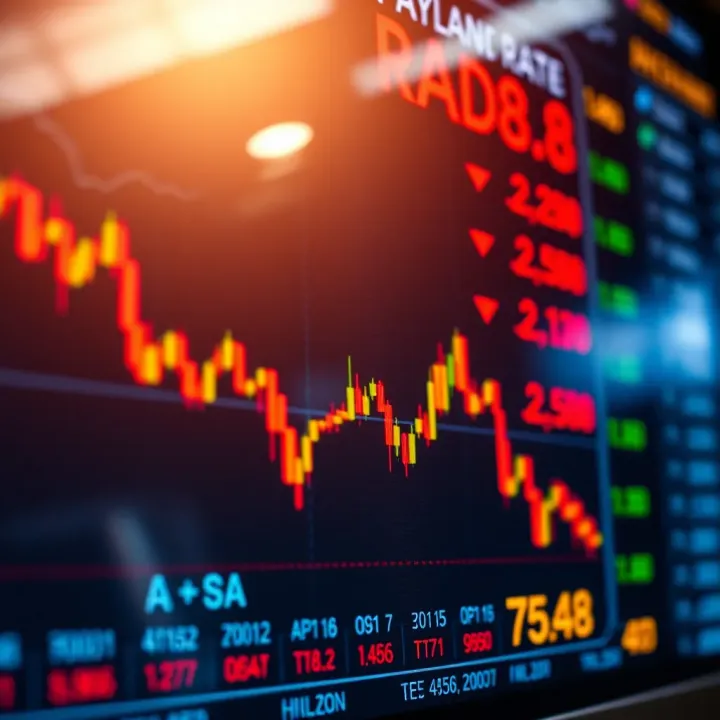
Trading hours matter too. Unlike the JSE, forex operates 24 hours a day from Monday to Friday, as markets in different countries open and close. This continuous cycle means that the South African trader can react to global events at almost any time, but also that risks can appear suddenly, especially outside local business hours.
South Africans should note the impact of local factors on forex trading. Eskom's loadshedding interruptions can affect economic growth, leading to currency volatility. Political developments and SARB's interest rate decisions also play their part. Traders who stay informed about local news alongside global trends have an edge in predicting price shifts.
Successful forex trading blends understanding of global economics with local realities. Never trade on guesswork — base moves on research and sound risk management.
Some basics to keep in mind:
Leverage allows traders to control a larger position with a smaller deposit. While tempting, it can amplify losses, making it important to use it sparingly.
Spread is the difference between buying and selling prices; smaller spreads reduce trading costs.
Liquidity is generally high in major pairs like USD/EUR but lower for exotic pairs involving the Rand, meaning price moves may be less predictable.
Getting started requires picking a licensed broker regulated by South Africa’s Financial Sector Conduct Authority (FSCA). This ensures your funds are secure and trading is conducted fairly.
In short, forex trading in South Africa isn't just about guessing currency moves. It's about understanding the market's structure, watching both global shifts and local economic signals, and managing your risk carefully to trade responsibly.
Grasping how forex operates is the groundwork for anyone keen to trade currencies effectively in South Africa. Knowing the ins and outs of this global market helps you make better decisions, from choosing currency pairs to timing your trades. It also prevents common pitfalls that new traders often fall into.
Forex trading means buying one currency while selling another simultaneously. Unlike trading stocks or bonds, you're dealing with pairs like the South African Rand against the US Dollar (ZAR/USD), reflecting the relative value between two currencies. This market doesn’t rely on a physical exchange but runs electronically, connecting traders globally.
Compared to other financial markets, forex offers unmatched liquidity as trillions of rands change hands daily. It’s open 24/5, unlike the JSE or bond markets, giving South Africans flexibility to trade outside regular business hours. Plus, the forex market tends to react quickly to political or economic shifts, which could affect the rand and other currencies.
While the JSE deals mostly with company shares and bonds involve lending money to entities, forex trading is about currency value shifts. This means its price drivers differ – central bank interest rate changes or foreign trade balances impact forex more directly.
The forex market’s size dwarfs other markets. For South African traders, this means tighter spreads and faster execution compared to some smaller or less liquid markets. This can reduce costs but also demands quick decision-making.
Globally, forex underpins international trade and investment, letting companies convert currencies easily. For South Africa, a country reliant on exports like minerals and agriculture, forex movements directly affect profit margins and inflation.
In personal investing, South Africans trading forex have access to opportunities beyond local shares or bonds. With the rand often volatile due to political developments or commodity price swings, forex trading lets you potentially profit or hedge against such moves.
Currency pairs are grouped as majors, minors, and exotics. Majors involve the world’s most traded currencies (USD, EUR, JPY), minors pair these with less-traded ones, and exotics link developed and emerging market currencies like ZAR or MXN. The rand is often considered an exotic, reflecting South Africa’s growing but still emerging-market status.
Each pair has a base currency (the first) and a quote currency (second). For example, in ZAR/USD, ZAR is base and USD quote. The pair’s price shows how many quote units equal one base unit. Understanding this helps you interpret price movements correctly.
With South African rand pairs like ZAR/USD or ZAR/EUR, traders pay attention to global commodity prices and local political news. Changes in South Africa’s interest rates or load shedding schedules may cause the rand to shift versus majors.
The forex market involves banks, corporations, hedge funds, retail investors, and even central banks. In South Africa, retail participation has grown thanks to regulated brokers, allowing private traders easier access.
Forex operates continuously during weekdays, with four main sessions: Sydney, Tokyo, London, and New York. Overlaps between these sessions often bring higher volatility and trading volume.
South African traders usually focus on the London and New York overlaps (roughly 3 pm to 9 pm SAST), offering good liquidity and price movements suitable for active trading. That said, the 24-hour nature means you can adjust trading times around your daily routine.
Understanding these basics equips you to approach forex like a pro rather than guessing. With the right knowledge, you trade the rand and other currencies with deeper insight and confidence.
Grasping key forex concepts like leverage, spread, pips, lots, and order types is fundamental if you want to trade smart and protect your capital. These basics influence how you enter and exit trades, how much money is at risk, and ultimately, your ability to succeed.
Leverage in forex lets you control a larger position with a smaller amount of your own cash. Think of it as a loan from your broker—for example, using 1:100 leverage means you can trade R100,000 in the market with just R1,000 in your account. This magnifies potential gains but also increases losses proportionally.
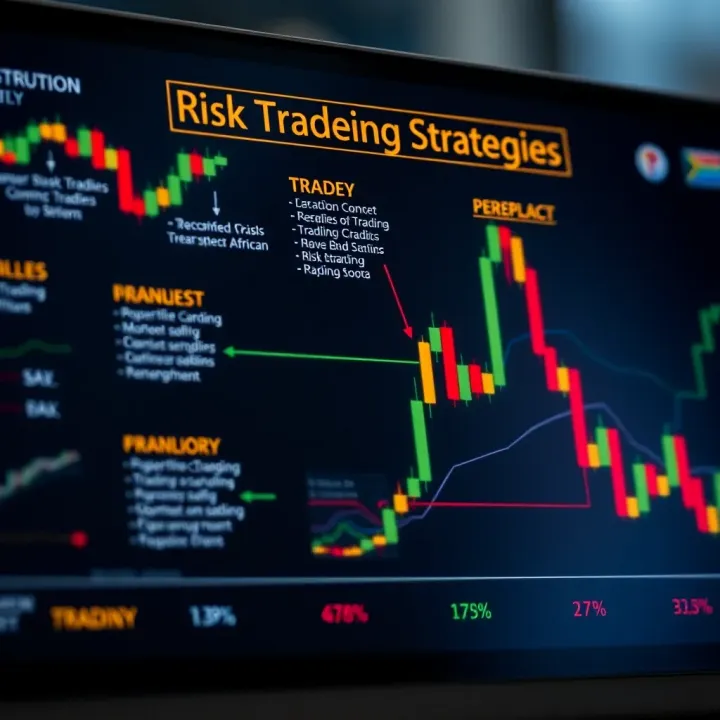
Margin is the amount you need to set aside to open a leveraged trade. It acts as a security deposit to cover possible losses. If you want to buy R100,000 worth of EUR/USD at 1:100 leverage, your margin requirement would be R1,000. Your available margin shrinks with open trades, affecting how many positions you can hold simultaneously.
However, high leverage comes with risks you must manage carefully. Markets can move quickly, and if your losses approach your margin, your broker may close positions to protect both you and themselves. Many South African traders have seen accounts wiped out by overleveraging, especially when unforeseen market moves occur. Starting with a lower leverage ratio or smaller position size can help you gain experience without risking too much upfront.
The spread refers to the difference between the buying (bid) price and selling (ask) price of a currency pair. It’s a cost you pay each time you open a trade. For example, if the EUR/ZAR pair shows a bid price of 18.3500 and an ask price of 18.3600, the spread is 10 pips. This might not seem like much, but it adds up, especially with frequent trading.
A pip is the smallest price movement in forex. For most pairs, one pip equals 0.0001 of the currency price; for pairs involving the Japanese yen, it’s 0.01. Understanding pips helps you gauge profits or losses more precisely.
A lot describes the trade size. A standard lot equals 100,000 units of the base currency, a mini lot is 10,000, and a micro lot is 1,000. Larger lots can multiply gains but also amplify losses. For South African traders dealing in ZAR pairs, sticking to mini or micro lots initially can safeguard your capital while learning the ropes.
Market orders execute immediately at the best available price. Limit orders set a maximum or minimum price at which you want to buy or sell, useful for controlling entry points. Stop orders trigger when a certain price is reached, often used to open or close positions automatically.
Stop loss orders cap potential losses by closing a trade once the price hits a set level, while take profit orders secure gains by exiting at predetermined prices. For instance, if you buy USD/ZAR at 18.00 expecting it to rise, you might set a stop loss at 17.80 to limit losses if it falls.
Using these orders helps manage trades without having to watch the screen constantly. They are essential for maintaining discipline and avoiding emotional decisions, which can lead to unnecessary losses.
Proper understanding and use of leverage, spreads, pips, lots, and order types are your foundation to trading smarter and managing risk effectively in South African forex markets.
Understanding different methods and strategies is essential for anyone serious about trading forex. Not every approach works for every trader, and knowing your options helps tailor your trading style to your goals and risk tolerance. Whether you're trading from Johannesburg or Cape Town, these strategies offer practical routes to approach the fast-moving forex market.
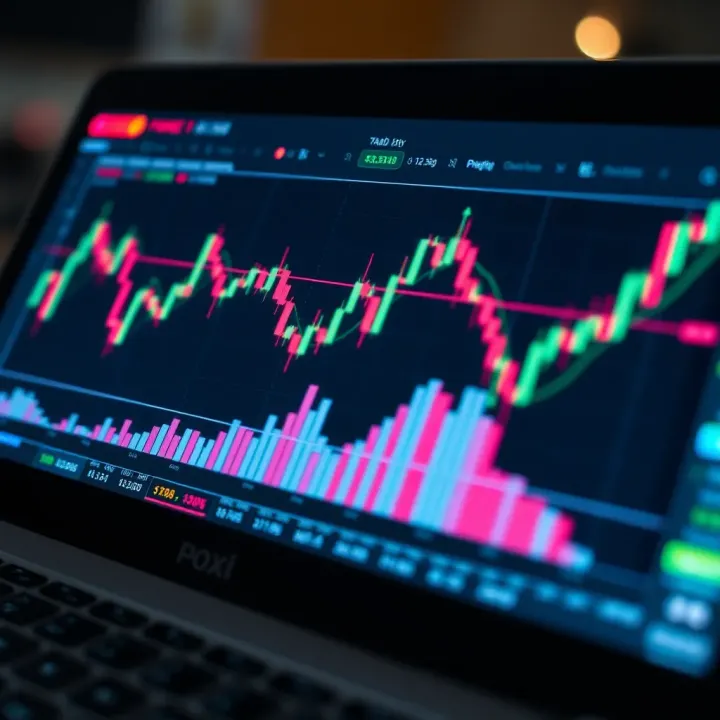
Using charts and indicators helps traders spot entry and exit points based on price movements. Charts display currency price history, while indicators like moving averages or RSI (relative strength index) offer clues on momentum or overbought conditions. For instance, a South African trader might use a moving average crossover to decide when to buy or sell the ZAR against the USD.
Properly reading these charts helps take the guesswork out of trading. It’s like following a road map rather than wandering blindly. Many platforms available to South African traders, such as MetaTrader 4 or TradingView, offer built-in charts and indicators to simplify this process.
Identifying trends and patterns is another cornerstone of technical analysis. Trends—whether upward, downward, or sideways—show the general direction of a currency pair over time. Spotting patterns like ‘head and shoulders’ or ‘double bottoms’ can signal potential reversals or continuations. A quick example: noticing a sustained upward trend in USD/ZAR might prompt a trader to hold long positions expecting further appreciation.
By mastering these trends and patterns, you can align your trades with market momentum instead of fighting it.
Popular tools for South African traders generally include charting platforms like MetaTrader, TradingView, and cTrader. These tools provide access to indicators and real-time data crucial for informed decisions. Some brokers also offer proprietary platforms with features tailored for local market nuances.
Choosing tools that suit your experience and trading style while ensuring smooth execution and reliable data feeds can make a big difference.
Economic data impacts currencies in tangible ways. Numbers like GDP growth, inflation rates, and employment figures reveal a country’s economic health. Stronger economic reports typically bolster a currency’s value. South African traders keep a close eye on local data like SARB interest rate decisions or employment stats since these figures affect the ZAR's strength.
For example, an unexpected rise in South Africa’s inflation rate may pressure the SARB to hike interest rates, often leading to a stronger Rand against other majors.
Key indicators relevant to ZAR and major currencies include SARB interest rates, South African CPI (Consumer Price Index), US non-farm payrolls, and European Central Bank policy announcements. Monitoring these helps gauge where the market might be headed next.
For instance, traders might react strongly to shifts in US Federal Reserve policy, which influences USD pairs globally, including USD/ZAR.
Geopolitical events also play a sizable role. Political developments, elections, or tensions affect trader confidence and currency valuations. South Africa’s local political landscape or international incidents can cause rapid moves in the forex market.
Take the uncertainties surrounding a local election or major policy change—traders often react swiftly, creating opportunities but also risks.
Day trading versus swing trading: Day traders open and close positions within the same day, capitalising on short-term market moves. Swing traders hold positions for days or weeks to benefit from broader trends. Both approaches have pros and cons. Day trading demands close attention and quick decisions, which might suit those with more time on their hands, such as full-time traders in South Africa’s active daylight hours. Swing trading offers more flexibility but requires patience.
Automated trading systems use algorithms to execute trades without human intervention. They can monitor markets 24/7 and act instantly on predefined rules. While appealing, automated systems require testing and understanding to avoid costly errors. Some South African traders use these systems, especially given how round-the-clock forex markets can overlap with local time zones.
Using demo accounts for practice is highly recommended before committing real money. Demo accounts mimic live markets without risking capital, allowing you to try strategies, understand platform nuances, and build confidence. Most local brokers like HF Markets, Plus500, or IG Markets offer these accounts.
Practising on a demo account lets you iron out mistakes and gain trading experience without burning your Rand.
Starting with a clear grasp of these methods and strategies provides a solid foundation. From there, you can refine your approach based on what fits best with your lifestyle and risk appetite, backed by the practical tools and insights described above.
Managing risk is at the heart of successful forex trading, especially in the volatile world currency markets. Without a clear plan to protect your capital, even the most promising trades can turn into costly mistakes. For South African traders, understanding and implementing risk management keeps your exposure in check and helps avoid wiping out your account during sudden market swings or volatile economic events.
Stop loss orders act like a safety net, capping your losses on a trade if the market moves against you. Setting reasonable stop losses means you decide upfront how much you're willing to lose, which helps prevent emotional decisions during a trade. For example, if you enter a trade on the USD/ZAR and set a stop loss at 1% below your entry price, you know your maximum loss. This discipline protects your account from bigger downturns and preserves capital for future opportunities.
Position sizing means deciding how much of your available capital you put into a single trade. It should depend on your risk tolerance and the stop loss distance. Say you have R10,000 trading capital and want to risk only 2% per trade; you'd risk R200. If your stop loss is 50 pips away, you calculate your lot size so that losing those 50 pips equals R200. This avoids blowing your account on one wrong move and ensures sustainable trading.
Avoid putting all your eggs in one basket by diversifying across different currency pairs or trade types. For instance, if you only trade USD/ZAR, a sudden local event could heavily impact your position. Adding EUR/USD or GBP/ZAR pairs can spread risk. Overexposure happens when your trades are too correlated or the market shifts without warning, affecting all positions. By spreading risk, you reduce the chance of a total account drawdown.
Successful trading demands keeping your emotions in check. Fear and greed often push traders to deviate from their strategy – chasing losses or jumping into trades without analysis. For example, after a losing streak, you might impulsively increase trade size to recover quickly, risking much more than intended. Sticking to your plan and recognising these impulses prevents costly errors.
Journalling your trades—recording the why, how, and outcome—provides valuable feedback. It reveals patterns in your decisions, highlights strengths, and flags mistakes. South African traders can track how events like Eskom loadshedding or local economic data influenced their trades. Over time, this practice builds self-awareness and improves discipline.
Patience means waiting for the right setup rather than forcing trades. Forex markets rarely produce perfect signals every day. For example, you might skip several days if setups don't meet your criteria. This approach avoids chasing false moves and preserves capital. Good trades come to those who wait.
Selecting an FSCA-regulated broker ensures your funds are protected and trading practices are fair. The Financial Sector Conduct Authority (FSCA) oversees South Africa's financial markets, requiring brokers to follow strict rules. Avoid unregulated or offshore brokers with no FSCA oversight—they could disappear with your money or offer shady terms.
Spreads and fees directly affect your profitability. Compare brokers for usual spread costs on pairs like USD/ZAR or EUR/ZAR, which often have wider spreads due to liquidity. Beware of hidden fees, such as withdrawal charges or inactivity penalties. Fair and transparent costs allow you to keep more of your winnings.
A broker's trading platform should be reliable and user-friendly, offering tools like charts, indicators, and quick order execution. Look for mobile compatibility if you trade on the go. Also, responsive local customer support helps resolve technical issues swiftly—especially useful if you face internet disruptions or need to adjust trades ahead of local economic announcements.
Managing your trading risks is not just about preventing losses—it's about making your trading a sustainable activity. With clear stops, carefully sized trades, emotional discipline, and reliable brokers, you build a foundation that allows your money to work steadily in the forex market.
Starting out in forex trading can feel a bit daunting, especially when dealing with markets that operate non-stop and involve foreign currencies. For South African traders, understanding the nuts and bolts of opening and funding a trading account is a critical first step. It sets the foundation for smart trading decisions and ensures you are dealing with reputable brokers regulated by the Financial Sector Conduct Authority (FSCA).
Registering with a regulated broker is vital to protect your funds and comply with South African financial laws. The process generally involves submitting identification documents such as a valid ID or passport, proof of residence, and sometimes additional verification through RICA (Regulation of Interception of Communications and Provision of Communication-Related Information Act). These steps confirm your identity and help prevent fraud. If you consider brokers that aren’t FSCA-authorised, you expose yourself to unnecessary risks such as losing capital or facing legal loopholes.
When it comes to putting money into your trading account, South African traders often use several methods. Electronic Fund Transfers (EFT) are common, straightforward, and usually incur minimal bank fees. Credit cards offer quicker deposits but sometimes attract higher transaction charges. eWallets like Neteller or Skrill can be convenient for speedy deposits and withdrawals, though fees vary and should be checked beforehand.
Currency conversion is another factor to have on your radar. Depositing in ZAR (South African Rand) into a broker account typically priced in USD or EUR means your bank or payment provider may charge conversion fees. These costs eat into your trading capital and can affect short-term trading profitability, particularly with smaller amounts. Comparing fee structures among banks and brokers can save you a fair bit over time.
Next up is education. Locating reputable resources tailored for South African traders is key. Local financial news sites like BusinessTech, Moneyweb, and forums on MyBroadband offer practical insights and timely updates on currency trends affecting the rand. International platforms such as BabyPips provide solid beginner guides summarised into digestible chunks. Combine both approaches to balance global perspectives with local context.
Using demo accounts offered by most brokers is another valuable step before risking real money. Demo accounts simulate live markets using virtual funds, allowing you to test strategies and get familiar with the trading platform without pressure. Effective use of demo accounts helps build confidence and reduces costly beginner mistakes when you shift to real money.
Finally, engaging with forex communities and forums can sharpen your skills and keep you updated. Groups on Facebook or Telegram focused on South African forex traders allow sharing of tips, news, and even warnings about dubious brokers. Community interaction also boosts discipline and accountability, which are crucial for long-term success.
Opening the right account, funding it wisely, and investing in proper education can take you far. Remember, the foundation you build today shapes how well you navigate tomorrow’s market swings.
📚 Discover the top books for learning Forex trading with practical tips, strategies, and risk management tailored for South African traders keen to master the market.
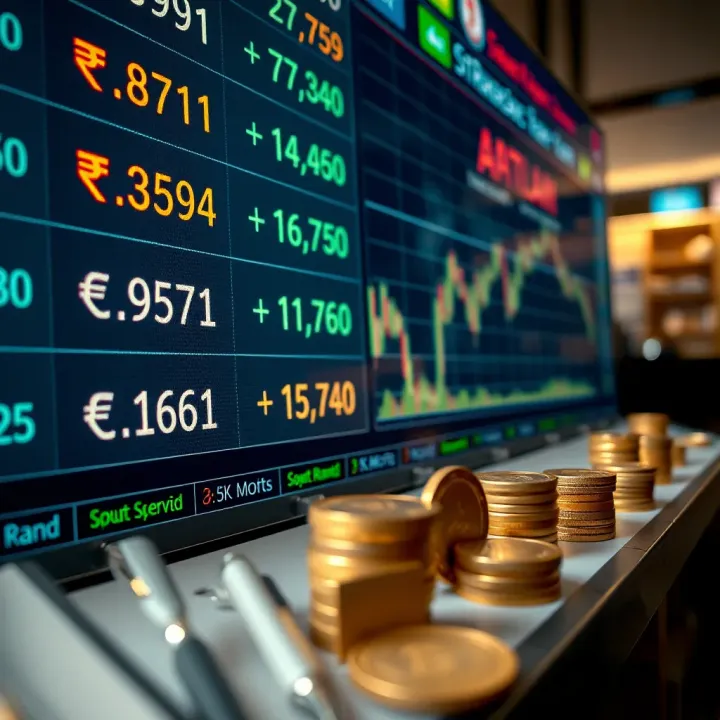
💱 Confidently start forex trading in South Africa with tips on market basics, risk control, and tax rules. Grow income streams and trade currencies smartly.
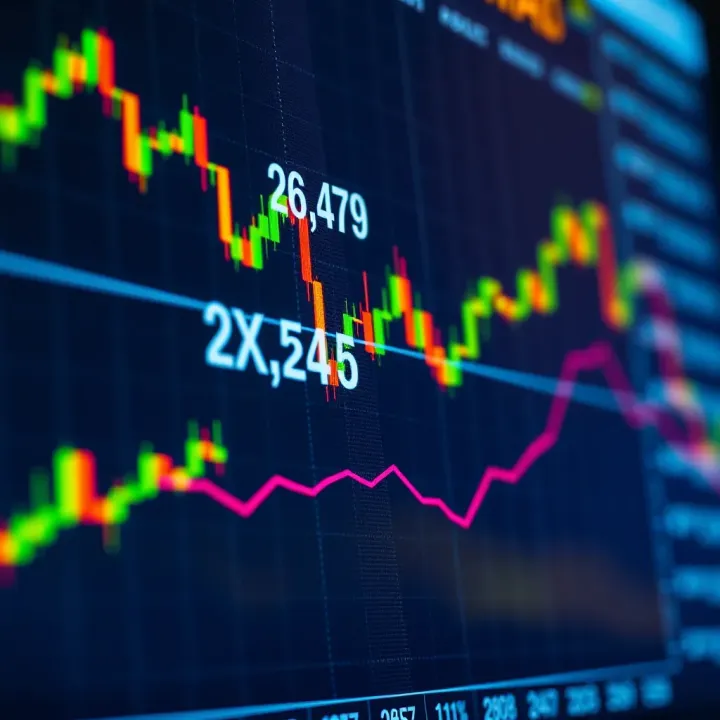
Learn the fundamentals of forex trading 📈. Get practical tips on strategies, risk management, and market factors tailored for South African traders 🇿🇦.
Explore how to start free forex trading in South Africa 🇿🇦 with top no-cost platforms, legal tips, essential tools, and risk-smart strategies to grow your skills.
Based on 12 reviews