

Forex Trading Guide for South Africans
💱 Confidently start forex trading in South Africa with tips on market basics, risk control, and tax rules. Grow income streams and trade currencies smartly.
Edited By
Isabella Green
If you’re serious about mastering Forex trading, picking up the right books can make all the difference. The Forex market, with its fast pace and complexity, requires understanding both the theoretical and practical sides of trading. This introduction sets the stage for exploring top books that provide solid grounding in everything from basic Forex concepts to advanced risk management strategies.
Many South African traders often get caught up in flashy online courses or social media hype, but the truth is, well-written books remain one of the best ways to build lasting knowledge. They offer not only practical tips but also detailed explanations and examples reflecting real market conditions — something crucial in a volatile environment like Forex.

Successful Forex trading isn’t about shortcuts. It’s about discipline, understanding market behaviour, and managing risk — lessons best learned through trusted resources.
Whether you’re a beginner trying to understand what moves currency pairs or an experienced trader refining your technical analysis, the books covered here will guide you. They cover pillars such as:
Fundamental analysis: Understanding how global economic indicators and political events affect currency values.
Technical analysis: Reading charts, recognising patterns, and using indicators to predict price movements.
Trading strategies: From scalping to swing trading, practical approaches to entering and exiting trades.
Risk management: Crucial methods to protect your capital and avoid blowing your account.
You can expect references to content relevant for a South African context — local economic peculiarities, currency risks like rand volatility, and how Eskom loadshedding might affect your trading hours or tools.
Even with digital tools and platforms available locally — like Capitec’s trading app or easy access to MTN and Vodacom for data — the knowledge foundation rests on clear, structured learning. We’re steering clear of overly technical jargon and instead focus on books that explain things plainly, making them suitable whether you’re trading after hours post-braai or during the commute in Gauteng traffic.
Keep reading to find specific book recommendations and key takeaways that will help you trade smarter, not just harder.
Getting to grips with forex trading fundamentals is essential before putting any money on the line. Understanding the basics helps you navigate the market’s dynamics and avoid costly mistakes. For South African traders, knowing these fundamentals can make the difference between steady progress and frustration in the fast-moving currency market.
At the heart of forex trading lie currency pairs, which represent two currencies traded against each other—for example, USD/ZAR (US Dollar/South African Rand). The first currency (base) is what you’re buying or selling, while the second (quote) shows its value. If the USD/ZAR pair moves from 15.00 to 15.10, it means the Rand has weakened slightly against the dollar, making imports more expensive in South Africa and exports potentially more competitive.
Understanding these pairs helps you spot opportunities and risks, especially as geopolitical or economic factors influence rates. For instance, announcements from the South African Reserve Bank about interest rates can affect the Rand’s strength versus the US Dollar or Euro.
Forex isn’t like the JSE with fixed trading hours; it operates 24 hours a day during weekdays, opening in Sydney and closing in New York. This continuous cycle means that forex markets react to news wherever it happens globally—from economic data out of the US to mining strikes in South Africa affecting commodity-linked currencies.
Important players include retail traders (like you), banks, corporations, hedge funds, and central banks. Knowing who’s driving market movements can give you an edge. For example, central banks can intervene to stabilise their currency, which creates sudden shifts requiring vigilance.
One big draw of forex trading is the ability to use leverage—borrowing money from your broker to control a larger position with a smaller deposit (margin). For example, with 1:100 leverage, you need just R1,000 to trade R100,000 worth of currency. But this shortcut cuts both ways: profits can multiply, but so can losses.
Understanding leverage's risks is critical in volatile markets like forex. Misjudging leverage can wipe out your capital in a blink, especially during sudden Rand fluctuations due to local or global events.
Starting with well-reviewed books that lay out forex basics is the best way to build confidence and understanding. Titles like Currency Trading for Dummies by Brian Dolan or Forex for Beginners by Anna Coulling break down complex terms plainly. They explain how forex markets function, jargon like pips and lots, and give practical steps for opening your first trades.
These books cater to the beginner’s mindset and often provide examples relevant globally but applicable locally, giving South African traders context they might relate to more easily.
By focusing first on fundamentals, these books prevent jumping headlong into strategies without understanding the market mechanics. They offer clear explanations of essential terms, trading psychology, and risk management basics, which form the backbone of successful trading.

For example, understanding why the USD/ZAR pair might suddenly spike helps you avoid emotional trading decisions and respect risk limits. A solid foundation means that when you advance to technical analysis or strategy books, you’re not lost in unfamiliar concepts.
Starting with the right books gives you practical knowledge, helping to avoid beginner pitfalls and make smarter trading choices from the get-go.
This foundational knowledge supports all other aspects of your forex trading journey, making it well worth the investment of time to read and understand before taking on real trades.
Mastering technical analysis is a vital step for anyone serious about Forex trading. It involves studying price charts and recognising patterns or signals that hint at future market moves. This skill empowers traders to make informed decisions based on real-time data, rather than relying solely on gut feeling or news. In the South African context, where economic factors often cause sudden currency swings, technical analysis offers practical tools to navigate volatility with greater confidence.
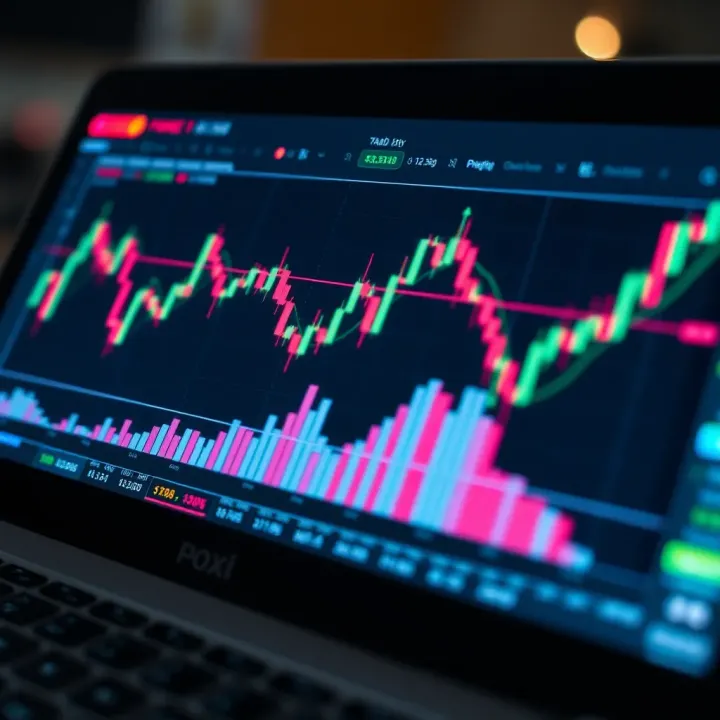
Candlestick charts break down price movements into clear visual cues reflecting market sentiment. Each "candle" displays the open, close, high, and low prices for a given period. Patterns like the hammer or shooting star can signal potential reversals, giving traders early hints whether buyers or sellers are gaining control. For example, spotting a hammer candle after a downtrend often suggests a possible bounce, guiding a cautious entry.
Moving averages smooth out price data to reveal underlying trends by averaging prices over set periods, such as 50 or 200 days. When the short-term average crosses above the long-term one, it may indicate an uptrend starting—a common buy signal. Conversely, a cross back below can hint at weakening momentum. This helps traders avoid jumping into choppy markets and ride trends more effectively.
Oscillators like the Relative Strength Index (RSI) and Moving Average Convergence Divergence (MACD) measure the speed and change of price movements. RSI values above 70 often suggest a currency is overbought, potentially due for a correction, while values below 30 can signal oversold conditions. Momentum indicators help confirm whether a trend has strength or is likely to fade, aiding traders in timing their exits and entries more precisely.
Several books stand out for breaking down technical analysis into manageable chunks. For instance, John J. Murphy’s Technical Analysis of the Financial Markets is widely respected for its clear language and South African traders who prefer step-by-step guidance often praise it. Similarly, Japanese Candlestick Charting Techniques by Steve Nison dives deeper into candle patterns with practical chart examples, making complex concepts more accessible.
Forex markets are driven largely by price action rather than fundamentals, especially in short-term trades. Technical analysis provides a common language to interpret market behaviour, regardless of currency pairs or global events. This helps you spot opportunities that others might miss or react to too late. South African traders can benefit especially by combining these tools with news about rand volatility and regional developments, blending technical insight with local knowledge.
Technical analysis isn't about predicting the future perfectly, but about stacking the odds in your favour by recognising patterns and trends early.
Mastering these techniques can improve your entry and exit points, reduce unnecessary risks, and make your trading more systematic and less emotional. Ultimately, it’s a practical skillset every Forex trader should cultivate.
Effective trading strategies form the backbone of successful Forex trading. Without a clear method, traders often find themselves reacting emotionally to market swings rather than making calculated decisions. This section explores practical trading approaches that can help you navigate the currency market more confidently, especially in the dynamic environment South African traders face.
Scalping and day trading methods depend on quick, short-term trades that aim to profit from small price changes. Scalpers execute dozens or even hundreds of trades a day, holding positions for minutes or mere seconds. This approach requires intense focus, fast decision-making, and often sophisticated trading platforms with low latency. For instance, a Johannesburg trader might use scalping during the London or New York trading sessions when volatility peaks, forcing keen attention to spread costs and execution speed.
Day trading avoids overnight risks by closing all positions before the market shuts, which suits traders who cannot monitor markets 24/7 due to jobs or family commitments. Both scalping and day trading demand firm risk controls, such as tight stop-loss orders, to protect against sudden adverse moves.
Swing trading for medium-term positions involves holding trades from several days up to a few weeks. This style fits traders who want to capture larger price moves without needing constant screen time. For example, during periods of economic announcements, such as South Africa’s interest rate decisions by the South African Reserve Bank (SARB), swing traders may position accordingly and ride the trend until clear signs of reversal.
Swing trading relies heavily on combining technical analysis with broader market sentiment. Swing traders often use trendlines, support/resistance levels, and volume indicators to identify high-probability entry and exit points. It’s less frantic than scalping but still requires patience and a solid understanding of market cycles.
Using fundamentals alongside technicals blends economic data and political developments with price charts for a more complete view. Forex pairs like USD/ZAR can be sensitive to South African inflation reports, parliamentary outcomes, or Eskom’s load-shedding announcements. Incorporating these fundamentals helps traders anticipate shifts that pure technical analysis might miss.
For example, a trader might spot a bullish candlestick formation on the USD/ZAR chart but delay entering until confirming the SARB’s monetary policy stance. This combination reduces guesswork and improves the chance of sustained profits.
Strategy-focused books help traders refine how they approach the market, offering frameworks to evaluate setups and manage trades systematically. They often include real-world scenarios showing why sticking to a plan matters, especially when emotion clouds judgement.
Such books can transform a trader’s approach from casual speculation into disciplined investing. For instance, learning to backtest strategies reduces reliance on hunches, offering confidence that comes from evidence rather than guesswork.
Among recognised authors offering strategic insights are Kathy Lien and Perry Kaufman. Lien’s books often merge global economic context with clear trading tactics, useful for South Africans managing emerging market risks. Kaufman’s works focus on adaptable, algorithmic methods backed by robust statistical analysis—ideal for traders who prefer a rules-based approach.
Developing and following a well-tested strategy can make the difference between repeated losses and consistent gains in Forex trading.
By understanding various strategies and studying respected authors, traders can pick methods suited to their lifestyle, risk appetite, and market conditions.
Managing risk and understanding your mindset are just as vital as learning to read charts or spot trends. The forex market is notorious for its swings, which can wipe out a trader’s capital quickly without proper controls. At the same time, emotions often trick traders into poor decisions. Getting a grip on risk management and trading psychology helps you protect your hard-earned money and trade with a clear, calm head.
Setting stop-loss limits effectively safeguards your trading capital by automatically closing a position when losses reach a predefined level. This tool acts like a safety net, especially during sudden market spikes or slumps. For instance, if you enter a EUR/USD trade expecting the rand's volatility to drop, a well-placed stop-loss avoids disastrous losses when unexpected news causes a sharp price decline.
Position sizing for capital preservation means deciding how much of your account balance to risk on each trade. A common rule is never risking more than 1–2% of your total funds on a single trade, which helps avoid blowing your account during a losing streak. Imagine you have R50,000; risking R500 per trade limits damage and keeps you in the game longer.
Dealing with leverage risks is crucial since leverage magnifies both gains and losses. While it can boost profits, too much leverage can wipe you out fast. Many South African brokers offer leverage up to 1:200 or higher, but seasoned traders advise starting low to avoid margin calls when the market moves against you—for example, using 1:10 or 1:20 leverage initially to manage risk better.
Handling emotions like fear and greed is a daily challenge. Fear might stop you from taking good trades or make you exit too early, while greed can push you to overtrade or ignore stop-losses. Recognising these emotions and creating rules helps keep your behaviour in check. For example, setting strict entry and exit criteria before you trade can reduce impulse decisions.
Building discipline and patience separates successful traders from hobbyists. Discipline ensures sticking to your trading plan without chasing quick wins, whereas patience helps you wait for the right setups rather than jumping in hastily. Practising journaling and reviewing past trades can develop these traits over time.
Books that explore trader mindset offer insights beyond technical skills by focusing on behaviour management and emotional control. Titles like "Trading in the Zone" by Mark Douglas delve into overcoming mental barriers, showing why psychology matters in markets prone to uncertainty and stress.
In the unpredictable world of Forex, managing risk and mastering your emotions isn’t optional—it’s the foundation beneath every good trade.
Getting these aspects right can improve your consistency, helping you stand firm during rough market patches instead of being swept away in the tide.
Selecting the right book for your current level of Forex trading knowledge steers your learning on the right path. A newcomer diving straight into advanced techniques risks confusion and wasted time, while a seasoned trader skimming beginner guides misses chances to sharpen performance and strategy. Knowing your trading stage helps you find books that address your specific needs, making the learning process sharper and more rewarding.
Traders typically fit into three broad categories: beginner, intermediate, and advanced. Beginners need books that cover the basics clearly—things like Forex market structure, currency pairs, and simple trade mechanics. Intermediate traders benefit from titles that introduce technical analysis, fundamental analysis, and beginner strategies, building a bridge from theory to practical application. Advanced learners seek detailed breakdowns of complex strategies, risk management refinements, and trading psychology insights to fine-tune their skills.
Matching your current skills with the right content prevents frustration. A beginner grappling with an advanced book heavy on algorithmic strategies will quickly lose interest or develop bad habits. Conversely, an advanced trader gaining new angle on concepts like chronic discipline or subtle market cues might find value in books that intermediate traders overlook. Consider your recent trading experience and which concepts consistently challenge you—it’s practical to reach for books focusing on these areas to close those specific gaps.
South Africans have several options for sourcing Forex trading books. Local bookstores such as Exclusive Books and CNA often stock popular Finance and Trading sections but may be limited on niche or very technical Forex titles. Online platforms like Takealot provide a broader selection, including international bestsellers and specialised eBooks. Ordering online saves time, and reading reviews helps gauge a book’s relevance to your trading stage.
Deciding between an ebook and a printed copy depends on your preferences and lifestyle. Ebooks offer immediate access and portability, handy if you commute by taxi or spend time in cafés around Johannesburg or Cape Town. However, some traders feel they retain more when highlighting or writing notes in physical books. Printed copies also avoid screen fatigue, which can sneak up after long hours watching charts on your laptop. Whichever format you choose, the key is consistent, targeted reading that fits your daily routine and learning style.
Matching the right book to where you are on your trading journey makes your study time more effective and keeps motivation high. Whether you’re flicking through pages on a tablet or turning a printed page by weekend’s braai, the right resource will guide your way steadily through the complexities of Forex trading.
💱 Confidently start forex trading in South Africa with tips on market basics, risk control, and tax rules. Grow income streams and trade currencies smartly.

📚 Discover top forex trading books tailored for South African traders, covering strategies, risk management & analysis to boost your skills locally.

Learn the fundamentals of forex trading 📈. Get practical tips on strategies, risk management, and market factors tailored for South African traders 🇿🇦.
Explore how to start free forex trading in South Africa 🇿🇦 with top no-cost platforms, legal tips, essential tools, and risk-smart strategies to grow your skills.
Based on 13 reviews