
Forex Trading Basics for South African Beginners
📈 New to forex trading in South Africa? Learn the basics, find the right brokers, manage risks, and start trading with confidence today!
Edited By
Rebecca Allen
The forex market — short for foreign exchange — is the world’s largest financial market, where currencies get swapped 24 hours a day. In South Africa, many beginners are drawn to forex trading for its accessibility and potential for quick profits. But before diving in headfirst, you need to understand how this market ticks and what risks come with it.
Forex trading involves buying one currency while selling another, packaged as currency pairs like USD/ZAR or EUR/USD. Prices fluctuate constantly due to economic news, political events, and market sentiment. For example, if the South African Reserve Bank announces an unexpected interest rate hike, the rand might strengthen, changing the price of the USD/ZAR pair.
New traders should start by getting familiar with the essential terms: pip (smallest price move), spread (difference between buy and sell prices), and leverage (borrowing to control a bigger position). Knowing these will help you make sense of trade setups and costs.
Choosing the right trading platform can make or break your experience. Look for platforms that are regulated by the Financial Sector Conduct Authority (FSCA), offer a user-friendly interface, and provide real-time price feeds. Popular brokers in South Africa include IG, HotForex, and EasyEquities, each with their own fees and deposit options.
Starting small and practising with a demo account saves you from losing money early on. It’s like learning to drive in an empty parking lot before hitting the freeway.
Risk management is the bedrock of successful trading. Use stop-loss orders to limit potential losses, and never risk more than 1-2% of your trading capital on a single trade. Also, keep an eye on leverage — while it can amplify profits, it can equally magnify losses.
To spot potential trades, many beginners start with simple strategies like:
Trend following: Buying when prices are rising, selling when falling
Support and resistance: Watching key price levels where the market often reverses
News trading: Reacting to major economic announcements
Each approach requires discipline and good timing, so keeping a trading journal to record your trades and outcomes can help you spot patterns and improve.
Understanding forex isn’t about fancy jargon or complex maths; it’s about recognising how global events affect currency values and managing your trades sensibly. With this foundation, South African traders can start building confidence and navigate the markets more effectively in 2022 and beyond.
Grasping the ins and outs of the forex market is the first step for anyone keen to trade currencies effectively. Understanding how this market operates means you're better equipped to make informed decisions instead of flying blind. For South African traders, this knowledge helps navigate global currencies while considering local factors like exchange rates and economic news.
Forex trading is the buying and selling of currencies on the foreign exchange market. Unlike stock trading, it’s about swapping one currency for another, betting on how their values shift relative to each other. For example, if you expect the rand to strengthen against the US dollar, you buy the ZAR/USD pair anticipating profit when the ZAR rises.
This market runs 24/5, letting traders react quickly to world events. Its fluid nature means prices can change quickly, so understanding the basics helps traders avoid costly mistakes.
Every forex trade involves currency pairs—two currencies quoted against each other. The first currency is the base, the second is the quote. Take the EUR/USD pair: if it’s quoted at 1.20, it costs 1.20 US dollars to buy one euro.
By trading pairs, you essentially bet on the relative strength of one currency versus another. So if you believe the euro will rise against the dollar, you buy EUR/USD; if you think it’ll weaken, you sell.
Majors include the US dollar (USD), euro (EUR), British pound (GBP), Japanese yen (JPY), and a few others. These pairs, like USD/ZAR or EUR/USD, tend to see high liquidity and lower spreads—important for cutting costs when opening positions.
Minor currencies, for example the Malaysian ringgit (MYR) or Norwegian krone (NOK), aren’t as heavily traded. They carry higher risk due to lower liquidity and wider spreads but can offer unique opportunities, especially if you're watching economic developments specific to their countries.
Forex trading happens across continents in overlapping sessions: London, New York, Tokyo, and Sydney. The market opens early Sunday evening SAST with the Sydney session and closes late Friday afternoon during New York’s close.
Knowing peak trading times matters—London and New York overlap from 3 pm to 7 pm SAST, usually the busiest period with the most volatility and best opportunities.
Big banks and financial institutions dominate the forex scene, executing huge trades that impact currency prices. Then you have corporations, hedge funds, and retail traders like yourself.
Retail traders now get easy access to the market via online platforms. Still, the sheer scale of institutional trading means prices often follow the moves of these heavyweights, so observing their patterns can be useful.
Most retail traders deal with spot forex—the immediate exchange of currencies at current prices. Forwards and futures involve contracts to trade currencies at preset prices on a future date, often used by businesses to hedge risk.
Spot trading’s simplicity makes it a preferred choice for new traders. However, understanding forwards and futures is helpful especially if you move beyond basic trading, as they offer ways to manage risk or speculate differently.
Knowing how the forex market ticks—from trading hours to different contracts—gives you the upper hand. It’s not just about buying and selling; it’s about timing, understanding market moods and knowing who’s making the moves.
Starting your journey into forex trading means making some foundational choices, especially when it comes to selecting the right broker and setting up your account properly. These early steps matter because they can directly affect your trading experience, costs, and even your security.
Forex brokers operating locally must be registered with the Financial Sector Conduct Authority (FSCA). This registration ensures brokers adhere to rules designed to protect you as a trader, such as keeping client funds separate and following fair trading practices. A broker without FSCA registration should raise red flags since unregulated entities often expose traders to risks like unfair pricing or difficulty withdrawing funds. For example, South African brokers like IG and Plus500 hold FSCA licences, offering some level of local protection.
Costs in forex trading aren’t always obvious upfront. Brokers typically charge via spreads (the difference between buy and sell prices) or add commissions per trade. Some platforms claim to have "zero spreads" but compensate with higher commissions. Choose a broker whose fee structure matches your trading style. If you day trade frequently, even small price differences can add up quickly. Also, look at the platform's user interface—platforms like MetaTrader 4 and 5 are popular, but some brokers offer proprietary platforms with added features and local payment options. The goal is a smooth, reliable platform that suits your needs without hidden fees.
Brokers usually offer a range of account types catering to beginners and advanced traders. Starter accounts often have lower minimum deposits, sometimes as low as R1,000, allowing new traders to test the waters. Meanwhile, premium accounts might offer better spreads or extra features but require higher deposits, sometimes R50,000 or more. Knowing your budget upfront can help you pick an account that won’t overstretch your capital while giving access to tools you might need as your skills grow.
To open a trading account in South Africa, brokers must comply with Know Your Customer (KYC) and the Regulation of Interception of Communications and Provision of Communication-Related Information Act (RICA). This means you’ll need to provide a copy of your ID, proof of residence, and sometimes even a selfie for verification. These checks may slow down your account setup but help reduce fraud and money laundering, protecting both you and the broker. It’s just standard procedure, so having your documents ready speeds things along.
Demo accounts let you trade with virtual money, offering a risk-free environment to get used to the platform and try out strategies without losing real cash. This is especially good if you’re brand new or switching brokers. However, demo accounts can’t completely simulate real trading pressure or slippage, so transitioning to a live account is necessary once you feel confident. Live accounts involve real money—start small and increase exposure as you gain experience.
Familiarity with your trading platform can make a big difference. Whether it’s MetaTrader or a broker’s own system, spend time learning how to place orders, set stop-loss or take-profit levels, and read charts. Most platforms offer tutorials, so take advantage. Also, check if the platform works well on mobile if you plan to trade on the go. The smoother your interaction with the software, the fewer costly mistakes you'll make under pressure.
Choosing the right broker and getting acquainted with your trading account are the stepping stones to confident forex trading. Take your time in these early stages—they can make or break your trading success.
Understanding key concepts like leverage, margin, and market analysis tools is essential to navigating the forex market with confidence. These tools help traders make informed decisions, manage risk, and optimise potential returns. Without grasping these concepts, trading becomes a bit like driving in the dark.
Leverage allows you to control a larger position with a smaller amount of your own money. For instance, a leverage ratio of 1:100 means that for every R1 you put up, you can trade R100 in the market. This magnifies your buying power, letting you access bigger profits even with a modest deposit.
However, leverage is a double-edged sword – while it can boost gains, it can just as quickly increase losses. Traders should treat leverage like a borrowed bakkie: powerful but risky if not handled carefully.
Using high leverage means that even small market moves can wipe out your investment quickly. Say you open a R10,000 trade using 1:200 leverage; a mere 0.5% adverse move can eat up your entire account balance. Sudden market swings, especially during volatile news events, can trigger margin calls or forced trade closures without warning.
Being overly ambitious with leverage is a common pitfall for new traders. It's wiser to start low—perhaps 1:10 or 1:20—and increase only after gaining experience and understanding how it affects your risk.
Margin is the capital you need to maintain your open positions. It's essentially a security deposit held by your broker to cover potential losses. For example, if you trade one standard lot (100,000 units) of USD/ZAR with 1:100 leverage, your required margin might be around R10,000.
Your broker’s platform will show your free margin, used margin, and margin level. Keep an eye on these to avoid margin calls. Using stop-loss orders and limiting position sizes can help manage margin effectively and protect your capital during rough patches.
Technical analysis involves studying price charts to identify trends and potential turning points. The most common charts you’ll use are line, bar, and candlestick charts, with candlesticks being popular for their detail. For example, a series of higher highs and higher lows indicates an uptrend, signalling a potential buy opportunity.
Recognising chart patterns such as 'head and shoulders' or 'double bottom' can provide clues about future price movements. This helps traders time entry and exit points more effectively.
Currency prices respond to economic news and indicators like interest rates, inflation, and political stability. For instance, if the South African Reserve Bank raises interest rates, the rand might strengthen as investors seek higher yields.
News around trade agreements, geopolitical tensions, or employment figures from major economies like the US or China can also shift market sentiment rapidly. Keeping up with a local economic calendar helps you anticipate these moves.
Indicators like the Relative Strength Index (RSI), moving averages, and Bollinger Bands assist in gauging market momentum and volatility. For instance, an RSI above 70 suggests a currency pair is overbought, potentially signalling a reversal.
Combining multiple indicators often provides better insight than relying on one alone. Modern platforms also offer tools for automated alerts or backtesting strategies, making analysis more efficient.
Mastering leverage, margin, and market analysis tools lets you trade smart instead of blindly. These concepts form the backbone of successful forex trading in the real world.
A well-crafted trading strategy forms the backbone of successful forex trading. It’s your roadmap, helping you navigate the market’s twists without losing your direction or your shirt. Without it, you might find yourself reacting to every pip move rather than making informed decisions based on clear rules.
Understanding different trading styles helps you pick one that matches your personality and schedule. Scalping involves making numerous tiny trades to catch small price changes. Think of it as darting in and out of the market quickly, capitalising on short-term volatility. It demands sharp focus and quick reflexes, which can be tough if you’re juggling other commitments. On the other hand, day trading means opening and closing positions within the same day, avoiding overnight risks but requiring daily attention. Lastly, swing trading lasts from a few days up to a couple of weeks, aiming to profit from broader price swings with less time on-screen.
Each approach has practical uses: scalping might suit someone who can watch the market closely during the day, while swing trading appeals to traders balancing work and other priorities without needing constant monitoring.
Long-term versus short-term strategies come down to how patient and risk-tolerant you are. Long-term trading involves holding positions for weeks or months, focusing on fundamental factors like economic data and interest rate shifts. It suits traders who prefer a hands-off style and are less troubled by short-term noise. Short-term strategies, including day trading and scalping, demand quick decisions and a tolerance for frequent market updates, fit for those who enjoy active engagement.
Picking the right path boils down to your temperament and lifestyle. If patience isn't your strong suit, long-term holds might frustrate you. Meanwhile, high-pressure styles like scalping need nerves of steel and constant attention, which can become draining. Factor in your available time, risk appetite, and how you handle losses or gains emotionally.
Experimenting with demo accounts can reveal which approach feels natural. Remember, sticking to a strategy, even amid losing streaks, often yields better results than jumping between methods at every market turn.
Managing risk properly keeps your trading afloat during rough patches. One crucial tool is setting stop-loss and take-profit levels. A stop-loss limits your losses by automatically closing a trade if the market moves against you beyond a certain point. Conversely, a take-profit secures gains by closing a position once it hits your target price. For example, if you buy USD/ZAR at R15.00, a stop-loss at R14.80 means you won't lose more than 20 cents per unit, while a take-profit at R15.30 locks in a 30 cents gain. This disciplined approach avoids the ‘let’s see what happens’ trap.
Position sizing and capital allocation determine how much of your trading pot you risk on each trade. For instance, risking 1% of your capital per trade can prevent a single loss from hitting you too hard, especially with volatile pairs like GBP/ZAR during uncertain times. Calculating position size involves considering your stop-loss distance and the amount you’re willing to risk, ensuring your total exposure stays manageable.
Perhaps the trickiest part is avoiding emotional trading. It’s easy to let fear or greed drive decisions, especially after a loss or a big win. Sticking to your plan, using stop-losses, and keeping a trading journal can help keep emotions in check. Some traders find taking short breaks after heavy losses useful to avoid revenge trading. The market doesn’t owe you profits—it follows its rhythm. Your role is to trade smart and steady.
A solid strategy paired with strict risk controls is what separates casual punters from consistent traders in the forex market.
Having a clear, tested strategy with sensible risk management keeps your trading grounded and sustainable, especially for South African traders dealing with pair volatility and economic news. It means you’re not just hoping for luck but working with a plan that fits your unique style and goals.
Entering the world of forex trading without a solid set of tips or awareness of common mistakes is like driving a bakkie blindfolded—you're bound to take a wrong turn. This section focuses on practical advice to help you build discipline, maintain patience, and steer clear of the usual pitfalls that catch many beginners off guard. Properly managing these aspects can improve your chances of trading confidently and sustainably.
A solid trading plan is your compass in the fast-moving forex market. Without clear rules on when to enter or exit trades, how much to risk, and which markets to focus on, it’s easy to make impulsive decisions that drain your capital. For example, setting a rule to never risk more than 2% of your trading capital on a single trade can help you control losses and stay in the game longer.
Keeping a trading journal is just as vital as having a plan. Documenting every trade—why you took it, how much you risked, what the outcome was, and how you felt—allows you to spot patterns in your behaviour. You might find that you tend to exit trades too early after small wins or hold losers too long out of hope. Journals turn emotions into facts you can analyse and improve on.
Continuous learning and adapting is what separates successful traders from those who give up. The forex market changes with economic events, geopolitical shifts, and even seasonal trends. Staying updated through reputable sources like financial news from BusinessTech or MyBroadband, practising new strategies, and reviewing your trading journal helps you stay sharp. When the rand weakens against the dollar due to political uncertainty, recognising such trends early can inform smarter trading decisions.
Overtrading and chasing losses are common traps. After a losing trade, the urge to ‘make back’ the loss can lead to rash decisions and bigger mistakes. For instance, increasing position sizes after several losses can wipe out your account faster than you realise. Stick to your trading plan and keep position sizes consistent.
Falling for scams or unregulated brokers is another big risk, especially with enticing offers that promise quick, guaranteed profits. Always check whether brokers are licensed by South African authorities like the Financial Sector Conduct Authority (FSCA). Using unregulated brokers puts your funds in jeopardy, as they may operate outside legal protections.
Ignoring economic news and events can leave you blindsided. Important announcements such as SARB’s repo rate decisions or US employment figures often cause sharp movements in currency pairs. Traders who overlook these events might open positions just before volatile swings, leading to avoidable losses. Setting reminders for economic calendars or following trusted financial outlets ensures you trade with awareness.
Discipline, continuous learning, and awareness of risks are your best friends in forex trading—neglect them, and the market can be unforgiving.
By weaving these practices into your trading routine, you build a solid foundation that helps you stay in control, reduce risks, and make informed decisions tailored to South Africa’s unique economic conditions.
📈 New to forex trading in South Africa? Learn the basics, find the right brokers, manage risks, and start trading with confidence today!
🌍 Start your forex trading journey in South Africa with this beginner-friendly guide covering platforms, strategies, risk management, and regulations. 💹
💱 Learn practical forex trading tips tailored for South African traders. Understand market basics, strategies, risks, and essential tools to trade confidently.
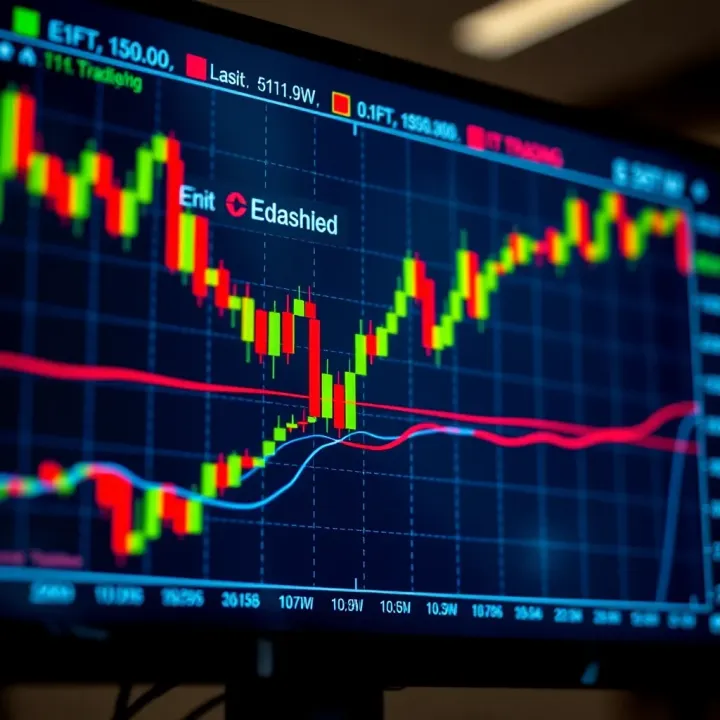
📊 Explore forex trading signals tailored for South African traders. Learn how to spot reliable signals, manage risks, and boost your currency trading results effectively.
Based on 14 reviews