
Basics of Forex Trading for Beginners in South Africa
Learn the fundamentals of forex trading 📈. Get practical tips on strategies, risk management, and market factors tailored for South African traders 🇿🇦.
Edited By
Henry Thompson
Forex trading means buying and selling currencies on the global market. Unlike shares or commodities, forex trades happen 24 hours a day, five days a week, with currencies traded in pairs like the US dollar against the South African rand (USD/ZAR).
Forex trading offers a chance to profit from movements in currency values, which can be driven by factors like interest rate changes by the South African Reserve Bank (SARB), political events, or shifts in commodity prices — important since our rand is sensitive to global metals and minerals demand. Unlike traditional investments, forex allows for high liquidity and the use of leverage, but this also means risks.
You don’t trade physical cash but contracts representing currency amounts. For example, if you expect the rand to weaken against the greenback, you’d buy USD/ZAR, hoping to sell it later at a higher rate.
Effective risk management is essential in forex because large price swings can lead to significant losses if you’re not careful.
Many South African brokers offer demo accounts to practise without risking real money. Starting with these can teach order types, pip values (the smallest price move a currency can make), and how margin works.
Pip: The basic unit of movement in forex price, typically 0.0001.
Leverage: Using borrowed funds to increase trade size; for example, 100:1 means you control R100,000 with just R1,000.
Spread: The difference between buying and selling prices, which is effectively a trading cost.
When opening an account, South Africans must provide proof of identity and address to comply with FICA (Financial Intelligence Centre Act). Choose a broker regulated by the Financial Sector Conduct Authority (FSCA) for security. Also consider transaction fees, platform features, and access to local ZAR deposits.
Forex trading isn't a quick fix for making money, but with patience and practical learning, it can become a useful addition to your investment strategy. Starting small and staying informed about local economic indicators will help you avoid common pitfalls.
Grasping how the forex market works is vital for any beginner aiming to trade successfully. This knowledge gives you a solid foundation to make sound decisions, manage risks better, and understand what influences currency price movements. For South African traders, this means recognising how global events, local economic indicators, and market hours affect trading opportunities.
Forex trading involves buying one currency while selling another simultaneously — these are called currency pairs. For example, the EUR/USD pair shows how many US dollars one euro can buy. Trading forex is really about speculating on currency value changes between pairs. Practically, this means when you think the euro will gain strength against the dollar, you buy EUR/USD, hoping to sell later for a profit.
Certain currencies hold more sway internationally because of the size of their economies or the stability of their markets. The US dollar (USD), euro (EUR), Japanese yen (JPY), and British pound (GBP) are examples of "major" currencies. In South Africa, the rand (ZAR) often trades against these majors. Understanding which currencies move together or against each other helps you spot trends and plan trades accordingly. For instance, when the US Federal Reserve changes interest rates, it often impacts USD pairs worldwide.
The forex market never really closes; it operates 24 hours a day from Sunday evening (SAST) to Friday evening. This round-the-clock schedule is split into four main sessions: Sydney, Tokyo, London, and New York. South African traders should note peak activity often happens during the London and New York sessions, when liquidity and volatility rise, offering more trading opportunities. Knowing when the market is active helps you time entries and exits better.
A pip is the smallest price move in a currency pair, often 0.0001 for most pairs. For example, if the USD/ZAR moves from 15.3500 to 15.3600, that's a 10-pip change. Pips help quantify profit or loss clearly. The spread is the difference between the buy (ask) and sell (bid) price a broker offers. Lower spreads mean cheaper trading costs. In volatile markets, spreads can widen, so keeping an eye on them is practical to manage expenses.
Leverage lets you control a larger trade value with a smaller amount of your own money, called margin. For example, a 1:100 leverage means you can trade R100,000 with just R1,000 on deposit. This can amplify gains but also losses, so understanding this balance is critical. South African traders should be cautious with high leverage, especially when the rand is volatile, to avoid substantial losses.
Going "long" means buying a currency pair expecting its value to rise, while "short" means selling first because you expect it to fall. For example, if you’re long on USD/ZAR, you’re betting the US dollar will strengthen against the rand. Conversely, shorting means you anticipate the opposite. This flexibility lets you profit regardless of market direction but requires careful timing and risk management.
Mastering these core market concepts early removes a lot of guesswork and builds confidence as you take your first trading steps on platforms like MT4 or MT5, popular among South African traders.
Setting up a forex trading account is the first step in turning your interest in currency trading into action. A properly chosen account lays the foundation for your trading experience, impacting everything from fees you pay to the speed and reliability of executing trades. For South African traders, the choice must factor in local regulations, available funding methods, and platform features that suit your trading style.
Regulation and trustworthiness are non-negotiable when selecting a broker. In South Africa, brokers regulated by the Financial Sector Conduct Authority (FSCA) offer a level of protection and transparency. Using an unregulated broker can expose you to risks like unfair trading practices or difficulty withdrawing your money. For example, FSCA-registered brokers like IG or Plus500 provide client fund segregation and clear dispute resolution channels, offering peace of mind.
Fees and commissions directly affect profitability. Some brokers charge spreads only, while others also add commission fees on trades. Spreads refer to the difference between buy and sell prices. Lower fees mean lower costs but watch out for hidden charges like withdrawal fees or inactivity penalties. For instance, while a broker might advertise zero commission, steep withdrawal fees can eat into your profits unexpectedly.
Trading platforms offered shape your day-to-day experience. Popular platforms include MetaTrader 4 (MT4) and MetaTrader 5 (MT5), known for their robust charting tools and custom indicators. Some brokers also offer proprietary platforms tailored for ease of use on mobile devices. If speed and slick interfaces matter to you, testing demo accounts across platforms helps find a good fit. For example, IG offers a user-friendly platform with integrated research tools, which can be a bonus for traders still learning.
Forex brokers usually provide various account types such as micro, mini, and standard accounts. Micro accounts allow trading with very small lot sizes, making them ideal for beginners wanting to test the waters without risking much. Mini accounts offer a middle ground, while standard accounts suit those ready for larger volumes and potentially bigger rewards. For example, a micro account might allow you to trade with as little as R100, which helps limit losses while learning.
Minimum deposit requirements vary widely and affect accessibility. Some brokers accept deposits as low as R500, while others require several thousand rand. A lower entry barrier is handy for less capitalised traders or those who want to spread risk across different brokers. That said, too low a deposit might limit the ability to diversify or manage leverage effectively.
Funding options including local payment methods are crucial for smooth deposits and withdrawals. South African traders often prefer local EFT (electronic funds transfer), instant EFT, or payments via South African bank cards to avoid excessive currency conversion or international transaction fees. Some brokers also support payment via mobile wallets or e-wallets like Neteller and Skrill, which can speed up fund access. Ensuring your broker offers convenient and affordable payment methods saves unnecessary hassle when you start trading.
Getting your account setup right from the start reduces surprises and lets you focus on the trading itself. That’s especially true when navigating the unique conditions South African traders face, like currency conversion costs and regulatory checks.
Choosing wisely here paves the way for smoother trades and better control over your money.
Getting started in forex trading can feel overwhelming without a clear plan. This section lays out practical steps to help you transition from theory to action. By following these steps, South African beginners can build confidence, reduce costly mistakes, and better understand market behaviour before risking real money.
Practising with a demo account means you trade using virtual money, with no real financial risk. This lets you try out strategies and get used to the trading platform without the stress of losing hard-earned Rands. For example, you might test your timing of trades during volatile periods, like when major economic data gets released globally.
Using demo accounts also helps you understand how currency pairs move together, how spreads and commissions affect your gains, and how leverage magnifies your results. Many brokers in South Africa, such as those regulated by the Financial Sector Conduct Authority (FSCA), offer demo accounts to new traders.
It’s not enough to click around randomly. Treat your demo account like a real one by setting daily or weekly goals. Keep records of your trades to identify patterns, strengths, and weaknesses. For instance, if you notice you struggle to time exits well, focus on improving this before you move to a live account.
Also, simulate real trading conditions with your demo funds—don’t overtrade or take on unrealistic positions. Use the demo phase to master setting stop-loss and take-profit levels, as these are vital for managing risk when real money is involved.
South African traders often start with major pairs like USD/ZAR or EUR/USD because they tend to have tighter spreads and more reliable liquidity. Choosing pairs you understand well can reduce surprises; for example, knowing that the USD/ZAR can be affected heavily by domestic politics or commodity prices helps you follow relevant news.
Additionally, some pairs are less volatile and carry less risk, making them suitable for beginners. You could begin with these before moving on to exotic pairs, which often have wider spreads and are affected by less predictable factors.
Timing is crucial. Entering a trade just before a major economic announcement can lead to quick gains—or significant losses. As a beginner, it’s wise to watch the economic calendar closely and avoid trading around high-impact announcements.
Use technical indicators or chart patterns to identify entry points, such as support and resistance levels. For example, if the USD/ZAR pair repeatedly bounces off R18.50, placing a buy order near that price could be a sensible strategy.
Exiting your position timely is just as important. Avoid holding onto losing trades hoping they’ll turn around; instead, have clear rules for when to cut losses.
A stop-loss order automatically closes your trade at a predefined price to limit losses. This tool protects your capital and is vital for disciplined trading. For example, if you buy USD/ZAR at R18.70, setting a stop-loss at R18.60 limits your loss to 10 cents per unit.
Take-profit orders work oppositely, locking in gains when a target price is reached. Setting these prevents the temptation to hold onto trades too long and risk reversing profits.
Using both ensures you manage the risk-to-reward ratio effectively. A common approach is to aim for a take-profit that's at least twice the size of your stop-loss distance, keeping trades profitable over time.
Starting with these practical steps gives you control and a clearer path in forex trading. Remember, trading’s not about rushing but practising patience and preparation before you put your money on the line.
Managing risks is a vital part of forex trading, especially in South Africa where currency fluctuations can be influenced by both global and local factors. Without proper risk management, traders can face significant losses or even wipe out their trading accounts. This section will help you grasp the basics of managing risks, so you trade more confidently and protect your capital.
Currency prices don't stay still; they move constantly, often reacting sharply to global events. For instance, when the US Federal Reserve changes its interest rate, or if geopolitical tensions flare up, South African traders might see sudden swings in the rand's value against the dollar or euro. Such volatility means while there are opportunities to make profits, the risk of losing money quickly also rises. This is why it’s useful for traders to watch international news and economic indicators closely.
Volatility in forex markets also follows certain patterns during the day and week. In South Africa, the early hours of the London session and the overlap with New York’s opening are especially active times when market movements can become rapid. Understanding these patterns helps you decide when to trade or when it might be wiser to sit on the sidelines during quieter, less predictable periods.
Stop-loss orders are your safety net. They automatically close a trade once the price hits a level you've set to limit your loss. For example, if you buy EUR/ZAR at 17 and want to cap your loss at R200, you set the stop-loss accordingly. If the price drops to that level, the trade closes, preventing further losses. This tool ensures small setbacks don’t pile up into a major problem.
Position sizing and careful use of leverage are crucial too. Leverage lets you control larger positions with a small amount of capital but can amplify losses as well. If you over-leverage, a minor adverse price move could wipe out your deposit. A good practice is to risk no more than 1-2% of your trading capital on any single trade. This way, even a string of bad trades won’t devastate your resources and you’ll last longer in the market.
Diversification can lower risk by spreading your exposure across different currency pairs instead of betting everything on the rand or a single major pair. For instance, combining trades in USD/ZAR, EUR/USD, and GBP/ZAR offers a mix that may balance out losses if one currency drops sharply. Just be cautious – diversifying with too many pairs can overcomplicate your approach, especially for beginners.
Successful forex trading isn’t about avoiding risk altogether but managing it wisely to stay in the game and grow steadily.
Managing your risks carefully means you'll have a better chance at steady progress, even in a market known for its unpredictability. Keep your eyes on the news, use stop-loss orders, size your positions sensibly, and consider diversification. These steps will help you protect your capital while seizing opportunities in the South African forex market.
Every trader knows that having the right resources and tools can make the difference between success and confusion in forex trading. For South African beginners, tapping into materials tailored to the local market and economic context is especially valuable. Affordable, reliable resources ease the learning curve and help you stay responsive to market shifts tied to rand volatility and regional events.
Recommended pdf guides and tutorials provide a solid starting point for new traders. These free or low-cost downloads often break down complex concepts like leverage, pips, and margin calls into manageable chunks. When choosing guides, look for those with South African-specific examples. For instance, tutorials referencing Rand-Dollar or Euro-Rand pairs will align better with your trading ambitions and local market conditions.
South African forex websites and educational platforms frequently offer such pdf guides, which you can study on the go, even during a robot red light or while waiting for your bakkie taxi. They also help in reinforcing learning without the noise of excess jargon common on global sites.
Local forex training providers and webinars are another vital resource. Companies based in Johannesburg or Cape Town often host online sessions that allow you to interact with experienced traders who understand South Africa’s peculiarities, such as how Eskom loadshedding impacts market timings or how local economic data influences currency movements. Webinars also provide a chance to ask questions live and gain practical insights not found in static guides.
Many providers tailor courses to suit traders starting with micro or mini accounts. Signing up for these sessions can save you from costly beginner mistakes and offer community support.
Charting software and technical indicators form the backbone of wise forex trading decisions. Local traders tend to favour platforms offering live updates and accessibility from mobile devices, considering how South African data costs and connectivity sometimes fluctuate. Tools like MetaTrader 4 and 5 come pre-packed with indicators such as Moving Averages, RSI (Relative Strength Index), and MACD (Moving Average Convergence Divergence), helping you spot entry and exit points much quicker.
South African traders often add their own flavour by applying technical analysis alongside an understanding of local economic events. This hybrid approach can prevent you from being blindsided by a sudden rand spike triggered by unexpected news.
Economic calendars and news feeds relevant to forex keep traders alert to developments that spark market moves. Notably, South African events like SARB’s repo rate decisions, inflation updates, or GDP releases should be flagged. Using calendars from trusted financial news providers can help you schedule your trades to avoid major market swings caused by announcements.
Besides global economic data, following local financial news portals and watchdog updates safeguard you from scams and unregulated brokers, which unfortunately occur. Keeping sharp on news means you’re not trading blind, especially in the sometimes-choppy rand market.
Effective forex trading combines solid learning resources with smart tools that recognise South Africa’s unique market rhythm. Leveraging both can boost your confidence and shield your capital.
Learn the fundamentals of forex trading 📈. Get practical tips on strategies, risk management, and market factors tailored for South African traders 🇿🇦.
📈 Learn practical forex trading tips for South African traders, covering local regulations, risk control, trading platforms, and crafting your own reliable strategy.
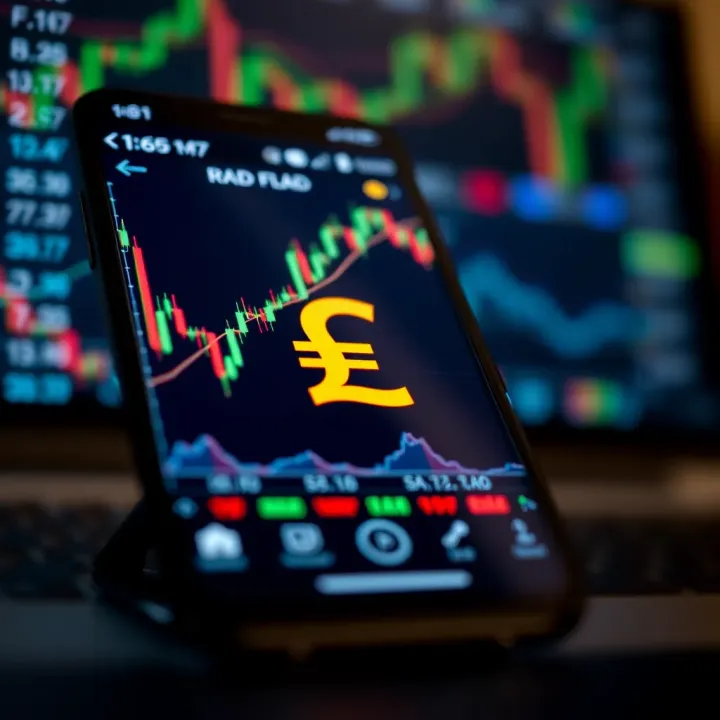
Find the best forex trading apps for South African traders 🇿🇦. Compare features, ease of use, and safety tips to trade currencies smartly and securely. 💸📱

📚 Discover top forex trading books tailored for South African traders, covering strategies, risk management & analysis to boost your skills locally.
Based on 5 reviews