

Understanding Risk Management for South African Businesses
Manage business risks in South Africa with clear steps, tools, and strategies to protect your goals and grow confidently. 📊⚠️
Edited By
James Hollingsworth
Financial risk management is a critical practice for South African businesses aiming to protect their operations from unexpected shocks that could disrupt cash flow, profitability, or long-term sustainability. Traders, investors, and financial analysts all face a landscape shaped by local economic volatility, regulatory shifts, currency fluctuations, and sector-specific risks.
Effective risk management begins with identifying the types of financial risks common in the South African context. These include:
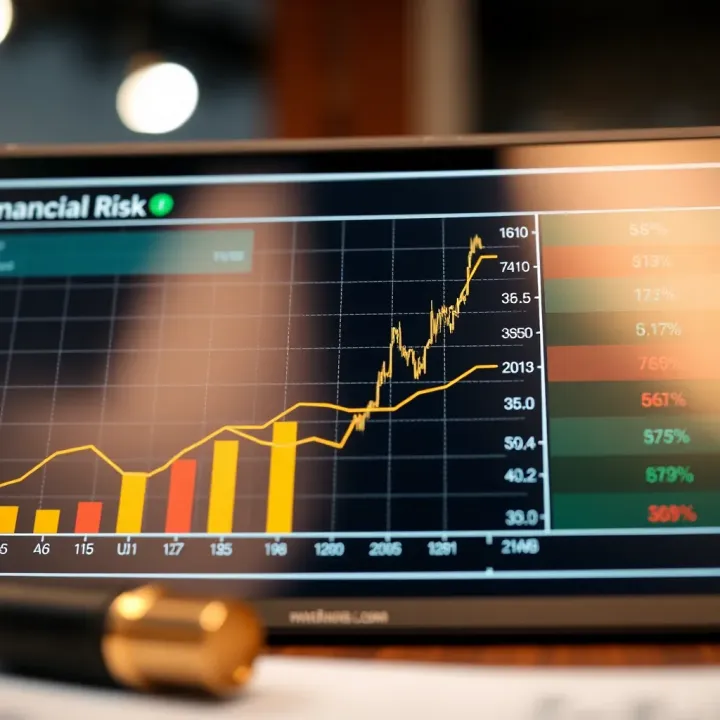
Market risk, driven by factors like rand exchange rate swings and commodity price shifts
Credit risk, where customers or counterparties may default on payments
Liquidity risk, or the difficulty of quickly accessing funds without losses
Operational risk, from internal failures such as fraud or system breakdowns
Regulatory risk, stemming from changes in laws or compliance requirements by bodies like the South African Reserve Bank (SARB) or South African Revenue Service (SARS).
Businesses operating in South Africa must adapt risk strategies that match these unique pressures, balancing caution with opportunity.
To tackle these risks, firms often deploy a mix of approaches:
Risk assessment frameworks that quantify exposure and prioritise which risks need immediate attention.
Hedging techniques, such as forward exchange contracts, to manage currency exposure.
Credit vetting processes and diversified customer bases to reduce dependency on high-risk counterparties.
Strong liquidity management, including sufficient cash reserves and flexible credit lines.
Compliance monitoring systems to track regulatory changes and ensure timely response.
Technology increasingly supports these practices through real-time data analytics, automated reporting, and risk modelling tools tailored for local markets. Platforms developed by South African fintech firms provide accessible dashboards that alert decision-makers to emerging financial risks.
Ultimately, risk management requires constant vigilance and adaptability. South African businesses that understand their specific risk profile—and use practical, well-informed strategies—stand a better chance of weathering economic storms and seizing growth prospects effectively.
Understanding the various financial risks businesses face is key to staying ahead of shocks and ensuring long-term stability. Each risk type — whether related to the market, credit, liquidity, or operations — demands tailored strategies. For South African companies navigating a volatile economy, recognising these risks helps allocate resources effectively and avoid pitfalls.
Impact of Rand volatility on imports and exports
South Africa’s rand often swings sharply, influenced by global commodity prices and local economic factors. For businesses dealing in imports or exports, these fluctuations can bite hard. For example, a company importing machinery paid in US dollars may find costs rising unpredictably if the rand weakens. This can squeeze profit margins unless prices adjust quickly. Exporters face the opposite challenge — a strong rand can make products pricier abroad, reducing competitiveness.
Managing interest rate changes and inflation effects
Interest rates affect borrowing costs directly, while inflation chips away at purchasing power. Recently, the South African Reserve Bank (SARB) has adjusted rates to combat rising inflation, impacting loan repayments for companies with variable debt. Businesses need to plan for potential hikes, perhaps by fixing rates or cutting down on costly credit during high-inflation periods. Inflation also drives up raw material costs, pushing firms to renegotiate supplier contracts or adjust pricing to stay afloat.
Assessing creditworthiness of clients
Knowing who can pay is crucial. Businesses should vet clients thoroughly by checking credit scores, payment histories, and industry reputation. For instance, a supplier of building materials might refuse large orders to a startup with no trade record but offer credit to established construction firms. This careful assessment shields companies from expanding credit to unreliable payers.
Strategies to reduce exposure to non-payment
Besides screening clients, firms often require upfront deposits, set credit limits, and use strict payment terms. Additionally, some opt for credit insurance to cover defaults. Persistent defaulters might face legal action, but often early reminders and clear communication help collect debts. Efficient credit management keeps cash flows healthy and reduces write-offs.
Maintaining adequate cash flow during challenging times
Running out of cash to meet day-to-day expenses is a common risk. This threat looms especially during quieter trading periods or economic downturns. For example, a retail shop might experience low sales in winter months but still need to pay staff and landlords. Maintaining a buffer of working capital or access to short-term funding ensures operations continue smoothly despite temporary income dips.
Effects of loadshedding and delayed payments
Eskom’s scheduled power cuts disrupt production and service delivery, leading to revenue losses. Simultaneously, delayed payments from clients can leave businesses stuck with unpaid invoices. These factors compound liquidity challenges, especially for small to medium enterprises. Effective cash flow management and contingency planning for loadshedding, like investing in generators or solar, help mitigate these risks.
Impact of regulatory compliance on financial stability
Compliance with South African laws, such as the Companies Act or tax regulations enforced by SARS, can be costly and complex. Non-compliance risks fines or legal action, draining finances. On the other hand, staying compliant safeguards reputation and avoids costly penalties. For example, timely tax submissions prevent interest and penalties that might exacerbate cash flow issues.
Mitigating risks related to fraud and system failures
Internal fraud or IT failures can cause unexpected financial damage. Small businesses may suffer from invoice fraud or unauthorised payments, while larger firms face risks from cyberattacks targeting financial systems. Implementing robust internal controls, regular audits, staff training, and cybersecurity protocols lowers exposure to these threats. For instance, dual authorisation for payments and updated software can prevent significant losses.
Solid financial risk management stems from understanding these core types of risks. South African businesses must adapt strategies to local realities, including rand volatility, loadshedding, and strict regulations, to protect their financial health.
Businesses in South Africa face several layers of financial risks, from currency fluctuations to load shedding disruptions. Implementing practical risk assessment methods enables companies to pinpoint where their vulnerabilities lie and prioritise actions to protect cash flow and profitability. These methods aren’t just theoretical — they shape decision-making in tangible ways, like tweaking credit terms or adjusting investment strategies.
Tools for mapping out financial risks help firms capture a clear picture of both obvious and hidden threats. For instance, a manufacturing company might use a risk register to list currency risk due to Rand volatility, credit risk from customers, and operational disruptions from intermittent power cuts. Spreadsheet software or specialised risk management tools can track these risks systematically, highlighting which are most likely or have severe impact. This approach stops risks being scattered across different departments and brings focus to what needs immediate attention.
Accurate risk mapping prevents surprises that could destabilise your business when a bad debt hits or a key supplier stalls.
Setting risk tolerance levels based on business goals means defining how much risk is acceptable versus what must be avoided. A startup might accept higher credit risk for quick growth, while an established retailer might set stricter limits to protect margins during expensive load shedding cycles. Risk tolerance acts like a financial thermostat—it guides which risks require urgent mitigation and which can be monitored. This discipline keeps resources aligned with strategic aims rather than chasing every possible risk indiscriminately.

Using financial ratios and stress testing quantifies exposure and shows what could happen under pressure. Ratios like the current ratio or debt-to-equity provide snapshots of liquidity and solvency — crucial during times when payment delays or sudden interest hikes happen. Stress testing scenarios might include a sudden Rand depreciation by 10% or a two-week power outage period to assess cash flow impact. These figures give business leaders concrete evidence to revise budgets or seek additional funding before crisis strikes.
Incorporating expert judgement and scenario planning adds depth beyond numbers. South African businesses often face unique challenges like policy shifts or regional political tensions, which can’t easily be modelled. Financial managers and industry experts can contribute insights on likely developments or emerging risks, combining them with scenario planning exercises. For example, envisioning the effect of an extended municipal strike on supplier deliveries helps prepare contingency plans. This qualitative angle complements quantitative data and ensures the risk analysis covers practical realities.
Together, these methods build a resilient finance risk framework. They help South African companies stay alert, allocate resources wisely, and respond decisively when risks materialise.
Managing and reducing financial risks is vital for South African businesses to stay afloat and thrive amid economic fluctuations, regulatory shifts, and unexpected disruptions. Employing effective strategies not only guards against losses but also bolsters confidence among investors and stakeholders. This section explores practical approaches that address common financial risks through diversification, credit control, and liquidity management.
Diversification means not putting all your eggs in one basket. South African businesses exposed to international markets should balance their investments across various industries and currencies to cushion against volatility. For example, a company importing devices from Europe and exporting to neighbouring countries might deal with rand fluctuations, euro shifts, and regional currency risks like the Botswana pula. By spreading exposure, they reduce the possibility that a single market upheaval wipes out profits.
Balancing investments across sectors is equally crucial. If the mining sector tanks due to commodity price drops, investments in agriculture or renewable energy projects might help offset losses. Smaller firms often overlook this, risking liquidity or revenue streams if reliant solely on one market. Diversification, therefore, helps build financial resilience.
Derivatives like futures or options, along with forward contracts, serve as tools to lock in prices or rates today for future transactions. South African exporters can use forward exchange contracts through local banks to fix the rand value they’ll receive on foreign payments, protecting against sudden currency drops before payments clear. Similarly, importers shield themselves from rand strength, which would make foreign goods more expensive.
While derivatives can be complex, even simple forward contracts are widely accessible and useful for companies facing unpredictable forex movements. However, firms should fully understand contract conditions, associated costs, and liquidity requirements to avoid ending up overexposed to derivative risks or cash flow traps.
Clear credit policies define who qualifies for credit, payment terms, and credit limits. Such policies help businesses assess client risk, reduce bad debts, and maintain stable cash flow. For instance, an SME supplying equipment might require upfront deposits or shorter payment terms for new clients with unproven credit histories.
A well-communicated credit policy also sets expectations up front and can guide sales teams in offering flexible but controlled credit options. It’s beneficial to regularly review and update these policies in line with market changes, client performances, and economic conditions.
Prompt and consistent follow-up on overdue accounts aids in reducing bad debts. A standard practice is sending reminder notices at set intervals, following up with phone calls, and escalating to formal demand letters when necessary.
When clients fail to pay despite all efforts, legal action may become unavoidable. Familiarity with South Africa’s debt recovery laws, such as the procedures under the National Credit Act, helps businesses use the right approach—whether issuing summons, requesting court orders, or employing debt collectors. Outsourcing to reputable debt recovery agents is common among SMEs that lack internal legal resources.
Maintaining sufficient cash reserves is essential to cover day-to-day operations during slow periods or unexpected events like loadshedding disruptions. Businesses should aim for at least three to six months of operating expenses in liquid assets. For instance, a retail business with seasonal fluctuations might build higher reserves ahead of low seasons to sustain payroll and stock purchases.
Planning for reserves involves precise budgeting and forecasting, factoring in seasonal trends, payment cycles, and possible delays in receivables. Ignoring cash reserves often leads to reliance on costly short-term loans or halting operations in crises.
Having access to short-term funding, such as overdrafts, merchant cash advances, or invoice discounting, can bridge cash flow gaps effectively. South African banks and fintechs offer tailored solutions for SMEs that encounter temporary liquidity crunches.
For example, a logistics company expecting payment delays due to municipal inefficiencies could use invoice financing to keep vehicles on the road without delay. However, it’s important to weigh the interest costs and repayment terms before drawing on these options, ensuring sustainable financial management.
Managing financial risks is about preparation and vigilance. A balanced combination of diversification, robust credit management, and liquidity planning equips South African businesses to navigate uncertainties with greater confidence.
In South Africa, the regulatory environment plays a significant role in shaping how businesses manage financial risks. Understanding and adapting to local laws and regulations isn't just about compliance; it directly impacts a company's resilience against financial shocks. For traders, investors, and financial analysts, being mindful of these rules helps anticipate potential pitfalls and ensures smoother operations.
The FSCA guards the integrity of South Africa’s financial markets and protects consumers by regulating financial institutions, including brokers, investment firms, and insurers. For businesses involved in trading or managing investments, compliance with FSCA rules is non-negotiable. It ensures transparency and reduces the risk of fraud or misrepresentation, which can severely damage reputation and financial standing.
For example, a financial services provider failing to adhere to the FSCA’s disclosure requirements might face hefty fines or licence suspension. This directly translates to financial risk not just from penalties but from losing client trust and deal flow. Regular internal audits and staff training on FSCA compliance standards can help mitigate such risks effectively.
The SARB oversees monetary policy, banking regulations, and exchange controls. South African businesses engaged in foreign trade or foreign investment must comply with SARB’s exchange control regulations to avoid significant fines or foreign exchange restrictions.
Take a mining company importing specialised equipment — SARB guidelines dictate how foreign currency payments are handled. Mishandling this can result in financial penalties or delays affecting operational liquidity. Staying updated on these regulations helps businesses manage currency risk and avoid costly administrative setbacks.
The South African Revenue Service (SARS) closely monitors tax compliance through audits and investigations. Non-compliance, whether due to errors or delayed submissions, can lead to penalties, interest charges, or even criminal prosecution in severe cases.
For businesses, especially those with complex supply chains or cross-border operations, pre-emptive tax planning and maintaining clear, accurate records are essential. Engaging SARS-registered tax consultants to conduct mock audits can uncover weak spots before SARS steps in. This proactive approach reduces risk by improving readiness and preventing costly surprises.
Financial reporting standards, including IFRS (International Financial Reporting Standards) as adopted in South Africa, set the bar for how companies disclose financial information. Accurate and timely reporting supports sound financial decision-making and enhances stakeholder confidence.
Misreporting or delays can raise red flags with investors, creditors, and regulators, escalating both reputational and financial risk. For instance, a listed company reporting inconsistently might face share price volatility or loss of investor interest. Embedding strong internal controls and using accounting software tailored for South African standards helps limit these risks.
Navigating South Africa's regulatory framework is not just about ticking boxes; it directly affects a business’s financial stability and market reputation. Staying informed and prepared shields your operations from avoidable risks.
In today's fast-moving financial environment, technology plays a critical role in managing risks effectively. For South African businesses, the ability to monitor financial activities in real time, detect issues early, and respond swiftly can mean the difference between stability and sudden losses. With local factors like Rand fluctuations, loadshedding interruptions, and complex regulatory requirements, having the right tech tools is no longer a luxury but a necessity.
Financial software platforms provide South African traders and analysts with continuous visibility of market movements and internal cash flows. For instance, dashboards that show real-time exchange rate shifts or liquidity positions allow businesses to anticipate exposure and adapt quickly. This agility helps in managing risks tied to currency fluctuations or interest rate changes — both common in SA’s volatile economic context.
Take local platforms or global tools adapted for the SA market, such as those integrating JSE data feeds and SARB interest rate changes. They empower decision-makers by displaying live risk measures alongside expected cash inflows and outflows, so businesses aren't flying blind. This instant insight prevents surprises like missing a key payment due to sudden loadshedding causing operational delays.
Automation in risk management frees up valuable time while improving accuracy. Systems can be set up to trigger alerts when certain thresholds are crossed, like spikes in credit risk or liquidity dropping below a safe level. These automated prompts help businesses act proactively rather than reactively.
For example, when a client’s payment is overdue beyond a set limit, the system can flag the account for immediate follow-up or escalate it for recovery action. Similarly, reports generated automatically on compliance checks reduce the risk of SARS penalties by ensuring all tax reporting deadlines and audit requirements are met. Automation also standardises reporting, reducing human error and keeping all stakeholders informed with up-to-date data.
With sensitive financial data increasingly held online or on cloud platforms, protecting this information is vital. Cyberattacks targeting South African companies have grown, especially among SMEs lacking robust defences. A breach could lead to not only financial loss but also a damaged reputation and regulatory fines from the FSCA or POPIA (Protection of Personal Information Act) breaches.
Best practice involves using firewalls, encryption, and multi-factor authentication to secure sensitive financial systems. Backups stored securely offsite are also essential to avoid the fallout from ransomware attacks common in the region. For example, banks and fintech companies routinely invest heavily in cybersecurity frameworks — a standard smaller businesses should try to replicate within their means.
Technology alone isn't enough; human error remains a top cause of data breaches. Regular staff training on recognizing phishing scams, handling confidential information, and using secure passwords is crucial. In South Africa’s diverse workforce, training should be accessible and jargon-free to ensure everyone understands their role in protecting financial data.
For instance, a factory or retail business may train workers on securely accessing online payroll or invoicing systems—even if they aren’t tech-savvy. This reduces chances of accidental data leaks or giving away login credentials. Well-informed staff serve as the first line of defence against cyber risks.
Using technology to enhance financial risk management isn't about fancy gadgets but about building a reliable system that offers clear early warnings and keeps sensitive data secure, all while enabling the team to act confidently and quickly.
In sum, adopting suitable financial software and embedding sound cybersecurity practices help South African businesses navigate an uncertain economic terrain safely and efficiently.
Manage business risks in South Africa with clear steps, tools, and strategies to protect your goals and grow confidently. 📊⚠️

🔍 Explore practical fraud risk management strategies in South Africa. Learn key controls, monitoring, governance, and tech to protect your business from fraud.
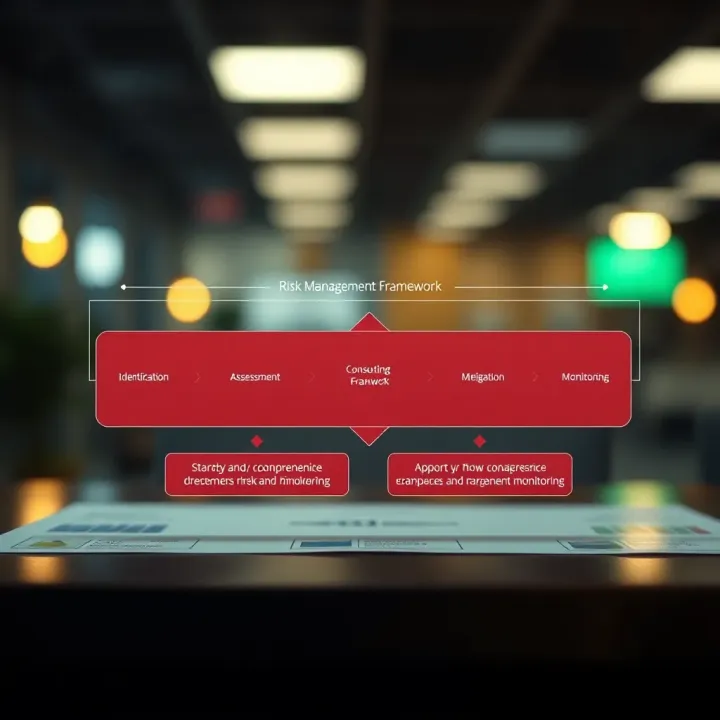
Explore practical risk management frameworks to identify, assess, and mitigate risks effectively in South African businesses. Stay secure and prepared! ⚖️📊

Explore strategies for fraud and risk management in South African businesses 🛡️. Learn detection, prevention, risk assessment, and tech tools for integrity.
Based on 5 reviews