
Forex Trading Tutorials for Beginners and Beyond
📊 Master forex trading with clear tutorials for beginners & pros in South Africa. Learn markets, strategies & risk management to trade confidently!
Edited By
Sophie Carver
Demo forex trading is a valuable tool for anyone looking to get a feel for the currency markets without risking real money. Especially for South African traders navigating unique challenges like currency fluctuations, volatile markets, and local regulations, practising with a demo account offers a safe environment to build confidence.
Unlike live trading, demo accounts replicate actual market conditions but use virtual funds. This lets you test strategies, learn to use trading platforms, and understand how economic news impacts currency pairs like ZAR/USD or EUR/ZAR — all without financial pressure.
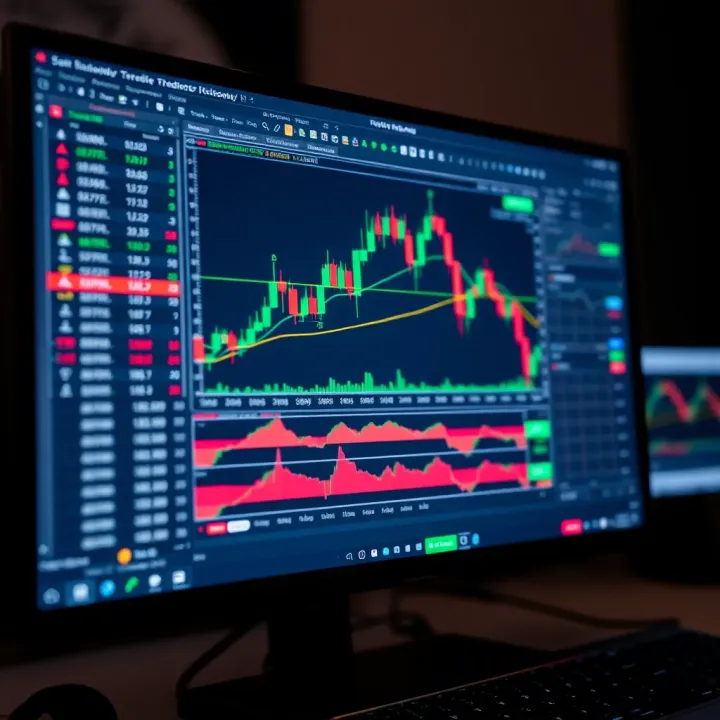
Setting up a demo forex account is straightforward. Most brokers licensed to operate in South Africa offer free demo accounts accessible via their websites or mobile apps. Once registered, you’ll receive a virtual balance to trade with. It’s important to treat your demo account as if it were real money: apply risk management, stick to your strategies, and avoid making reckless decisions.
Practising on a demo account before trading live cuts down costly beginner mistakes and helps you adjust to fast-moving currency markets, particularly under local factors such as Eskom-related rand volatility.
South African traders benefit from demo trading in several ways:
Understanding platform tools: Learn to place orders, set stop-loss and take-profit levels.
Testing strategies: See how scalping, swing trading, or position trading work without risking capital.
Emotional training: Get used to market swings and manage impulses before real money is on the line.
However, remember that demo trading doesn’t perfectly capture the emotional stakes or slippage you might experience during live trading—especially in times of high market volatility.
In the next sections, we’ll cover how to select the right broker for South Africans, set up your demo account properly, and make the most of this risk-free learning tool before stepping into live trading.
Demo forex trading is an essential starting point for anyone looking to enter currency markets, especially here in South Africa where market conditions can be quite volatile. It provides a way to learn how trading works without putting any real money on the line. This hands-on experience helps you grasp trading concepts, test trading ideas, and get comfortable with trading software before committing actual funds.
Demo trading is essentially practising forex trading using a simulated account funded with virtual money. It mirrors real market conditions, allowing you to open and close positions as you would in a live environment, but with zero financial risk. The main purpose is educational: to build skills, understand market behaviour, and prepare for real trading challenges.
One practical example is a new trader in Durban using a demo account to test how movements in the rand-dollar exchange rate affect potential trades. Without risking actual Rands, they observe how stops, limits, and leverage impact gains or losses before jumping into a live account.
The key difference between demo and live trading centres on the psychological impact. In a demo account, traders don't feel the pressure of losing actual cash, which can influence risk decisions and patience. Live trading introduces emotions like fear and greed, which can lead to impulsive moves. Additionally, live accounts may experience slightly different execution speeds and slippage due to real-time liquidity constraints — factors that demo platforms can't always replicate perfectly.
First, demo accounts offer a risk-free environment. South African traders can use this space to avoid common beginner mistakes that might cost dearly in a live setting. For example, practising with leverage on a demo account helps you understand how margins work and the dangers of overexposure without losing real money.
Demo platforms also provide a testing ground for trading strategies. Say you want to trial a swing trading strategy focused on the rand-euro pair during South Africa's trading hours. You can track how your strategy plays out over days or weeks, making adjustments as you go — all without financial exposure.
Lastly, demo trading helps you get to grips with the trading software. Platforms like MetaTrader 4, MetaTrader 5, or broker-specific interfaces offer multiple tools and charts which can feel overwhelming at first. Familiarising yourself with order placement, chart customisation, and alert features on these platforms ensures that when you trade live, you're not fumbling. This builds trading discipline and confidence, crucial for success.
Demo forex trading is not just a practice run; it's a vital step that prepares you both technically and mentally for the realities of trading with your own money.
By understanding the ins and outs of demo trading, South African traders can step into the live market with better preparedness, lowering early-stage risks and improving chances of consistent profits over time.
Setting up a demo forex account is the first concrete step for any South African trader looking to explore the forex market without risking real money. This process allows you to get hands-on experience with live market data while practising strategies in a controlled environment. For South Africans, it's particularly useful to familiarise yourself with brokers that adhere to local regulations and understand the quirks of trading from within the country.
When gauging brokers for demo trading in South Africa, a few factors stand out. Firstly, regulation is critical. The Financial Sector Conduct Authority (FSCA) oversees forex brokers operating locally, so selecting a broker regulated by the FSCA or recognised international bodies like the FCA or CySEC adds a layer of protection for your personal and financial information.
Spreads and commissions also play a role, even on demo accounts, because they simulate the real costs you'll face. Tight spreads mean you're training under more realistic conditions, closely mirroring what will happen when you switch to a live account. Platforms matter as well; brokers using popular software like MetaTrader 4 (MT4), MetaTrader 5 (MT5), or cTrader offer user-friendly interfaces paired with advanced charting and trade management tools suitable for beginners and pros alike.
Some popular brokers accessible to South Africans include IG, HotForex, and XM. These brokers offer FSCA-compliant demo accounts and have widespread acceptance due to their local customer support and competitive trading conditions. They also provide various account types and asset classes, perfect for experimenting across commodities, indices, and forex pairs.
The account creation process tends to be straightforward and swift. Usually, you'll visit the broker's website, enter your details such as name, email, and contact number, and select the demo account option. Some platforms require no deposit for demo accounts since you're trading with virtual capital. This means there’s no need to link a bank account or Visa card at this stage.
Next, you're asked to set your virtual capital and leverage. Virtual capital allows you to simulate trading with a balance you prefer—commonly R10,000 to R1,000,000—which helps you get a feel for various risk levels without losing real cash. Leverage, or the borrowed amount from your broker, amplifies your buying power. Practising with leverage settings like 1:100 or 1:200 on your demo lets you understand how margin works and the risks tied to magnified gains or losses.
Finally, you'll download the trading platform software or use the web-based version if preferred. Navigating the platform involves locating market tickers, placing orders, and accessing charts. Most brokers offer tutorials or demo mode guides to help rookies find their feet quickly. For instance, MT4's user interface might feel overwhelming at first, but with a brief walkthrough, placing stop-loss orders or analysing candlestick patterns becomes second nature.

Opening a demo account with a reliable broker and taking the time to navigate their platform lays a solid foundation. This not only prepares you for live trading but helps tailor your strategies to local and global market conditions while mitigating risks.
Setting up properly ensures you start your trading journey on the right foot, avoiding costly mistakes and building confidence in your approach before risking real Rand.
Demo forex trading offers a unique chance to sharpen your approach without risking real money. To get the most out of your demo experience, focus on refining strategies, managing risk, and building the habits you'll need for live trading. This sets a solid foundation and boosts your chances when you eventually trade with real capital.
Backtesting involves applying your trading strategy to historical market data to see how it would have performed in the past. For instance, if you develop a rule to buy when the rand strengthens against the euro by 0.5%, backtesting lets you check how often that rule would have resulted in a profit or loss over the last year. It’s vital because you can filter out approaches that don’t hold up under different market conditions.
Yet, backtesting isn’t enough on its own since past performance doesn't guarantee future results. Markets shift – especially currencies affected by South African economic events, like SARB decisions or political announcements – so you'll want to follow up with forward testing.
Forward testing means trying your strategy live on a demo account in current market conditions without real money. It's the closest simulation you can get to real trading, allowing you to see how your system reacts to sudden price moves or slippage during volatile periods, like after Eskom load-shedding announcements or SARB rate changes.
This practice helps adjust your approach, like tweaking stop losses or position sizes, before risking actual funds. It also acclimatises you to executing trades under pressure and understanding how spreads and liquidity can affect your outcomes.
A key part of risk management is knowing when to exit a trade. Demo accounts let you practise placing stop losses (a price level where the trade automatically closes to limit loss) and take profits (locking in gains). For example, if you buy USD/ZAR expecting strength, you might set a stop loss 1% below your entry and a take profit at 2% above, ensuring a favourable risk-to-reward ratio.
Doing this on demo allows you to see how these orders function in real time, avoiding emotional decisions that many beginners make when trading live. It’s one thing to know the theory and another to trust your stops without second-guessing.
Leverage means trading with borrowed money, amplifying both profits and losses. South African traders often see brokers offer leverages of up to 1:100. Using too much leverage on a small account can wipe it quickly, even in demo.
Demo trading helps you grasp how leverage tweaks your margin requirements and how price swings affect your balance. For instance, a 0.5% move in the market might seem minor, but with 1:100 leverage, your position could move your equity by 50%. Practising this sensitises you to the double-edged sword of leverage.
A journal is essential for tracking your demo trades—writing down entry and exit points, reasoning for each trade, emotional state, and what happened. This helps spot patterns, like making impulsive trades after a few wins or ignoring stop losses.
Over time, reviewing your journal refines your discipline and helps avoid repeating mistakes. Think of it as your trading coach holding you accountable, even though the money's not real yet.
To build confidence, it’s worth treating your demo account as if it were real money. Limit yourself to the virtual capital and leverage you'd use in live trading, stick to your plan, and trade during typical market hours, such as when the JSE or London markets are most active.
Also, factor in slippage and spreads variability during high-impact news, just like you’d experience live. This realism stops you from developing bad habits like chasing trades or overtrading.
Demo trading isn’t just practice – it’s where you build skills, habits, and confidence. Taking it seriously prepares you to face real markets without shocks and costly mistakes.
Using demo forex accounts is a great way to practise trading, but they come with certain limitations that South African traders should keep in mind. These constraints can affect how accurately demo trading reflects real-market experiences, especially when it comes to psychological factors and market conditions.
Demo trading lacks the emotional pressure that comes with risking actual money. When you’re trading with virtual funds, it's easy to feel detached, treating trades more like a game than a real investment. For example, a South African trader might close losing positions more quickly on a demo to avoid negative numbers on the screen. However, in live trading, the stress of losing real cash can cause hesitation or impulsive decisions.
This emotional gap means that the confidence you build on a demo account may not translate smoothly once you start trading live. You might find yourself deviating from your demo strategies because the fear of loss or greed kicks in. Demo trading is still valuable, but recognising this psychological shift helps you prepare mentally for what comes next.
Since no real money is involved, demo accounts don't trigger the same gut reactions or cautious moves that occur with actual investments. A trader might take bigger risks on a demo, knowing there’s no financial loss, which can lead to rehearsing behaviour that’s too aggressive for real-life trading.
This difference can affect how you manage your trades, especially stop losses and position sizes. For instance, a novice trader might ignore proper risk management on a demo, then struggle with discipline under live conditions. Recognising this helps you consciously practise restraint even in demo trading to mimic live decision-making better.
Demo accounts usually provide smooth order execution without slippage. Slippage happens when your trade executes at a different price than expected, often during volatile market moments. For example, during periods of high volatility influenced by global news or sudden movement in the rand-dollar exchange, live traders might face slippage, but demo users won’t experience this.
This absence can give a false impression that trades will always execute perfectly. South African traders should be aware that real markets can delay or adjust order fills, which affects profit and loss outcomes.
Another limitation involves latency, the delay between placing an order and the broker executing it. Demo platforms often have idealised latency settings, unlike live trading where internet speed and broker server response come into play.
Pricing in demo accounts can also differ slightly from live markets. Small discrepancies in bid-ask spreads may exist because brokers adjust prices for their demo environment. This can be an illusive factor for South African traders relying on razor-thin margins, where even minimal price differences might influence the success of scalping or day trading strategies.
While demo forex accounts are invaluable for learning and practising, recognising their limits—especially around emotions and realistic market behaviour—will help South African traders avoid surprises when making the jump to live trading.
Moving from a demo account to live forex trading is a significant step that requires careful consideration. Demo trading helps you learn without risking capital, but real trading tests your skills under genuine market pressures. This transition is crucial for South African traders to build real-world experience while managing risks tied to the volatile currency market and unique local factors like exchange rate swings and loadshedding impacts.
Knowing when to switch to live trading involves recognising certain signs. If you consistently execute profitable trades on your demo account, maintain discipline with your strategy, and understand risk management tools like stop losses, you're closer to readiness. For instance, a trader practising on a demo platform with R100,000 virtual capital who manages to keep losses minimal and follow a clear plan over several weeks may be ready to begin with a small live account.
Additionally, emotional control is key. Demo trading often lacks the stress from risking real money. If you find yourself reacting calmly to market swings during demo trades, that’s a good indicator of emotional preparedness. But if you notice hesitation or impulsiveness, spend more time practising before going live.
Before trading live, set clear, achievable targets to avoid disappointment or reckless behaviour. These goals should focus on consistent performance rather than quick gains. For example, aim to grow your account by 5-10% per month rather than chasing large returns, which is often risky and unsustainable.
Realistic goals also help manage your mindset. Understand that losses will happen and aren’t a sign of failure but part of trading. Setting expectations that focus on steady progress rather than perfection helps you develop resilience, especially in South Africa’s often unpredictable forex environment.
Starting small with live capital protects you while you adjust to actual trading conditions. Think of it like learning to drive on quiet roads before tackling highways. Many brokers allow South African traders to start with as little as R500 or R1,000. This limited exposure lets you test your strategy and emotional control under real financial pressure without risking too much.
Starting small also means you can learn the impact of trading costs, spreads, and slippage, which are sometimes overlooked in demo accounts. For example, a spread on a major pair like EUR/USD might eat into your profits more noticeably when trading live, especially at low volumes.
Live forex trading introduces variables absent in demo accounts, like order execution delays and emotional stress. Your strategy might have worked well in perfect demo conditions but may need tweaking when real money is at stake.
For instance, market liquidity during certain South African trading hours or during major news releases can be erratic, causing higher volatility and slippage. You might need to adjust your stop loss distance or reduce trade size accordingly. Also, the psychological strain of seeing your real balance fluctuate can influence decision-making.
Live trading requires ongoing learning and flexibility. Keep reviewing your trades, adapt strategies when necessary, and accept that real market conditions often demand more than textbook tactics.
Making the leap from demo to live trading is more about gradual adjustment than sudden transformation. Keeping expectations in check, starting small, and adapting strategies are key pillars for sustainable success in South African forex markets.
📊 Master forex trading with clear tutorials for beginners & pros in South Africa. Learn markets, strategies & risk management to trade confidently!
🔐 Securely log in to forex trading platforms with confidence. Get practical tips for South African traders on account security, setup, troubleshooting & smooth access.

Learn how South African traders can start forex trading with zero upfront costs 💹. Discover free demo accounts, key strategies, and risk tips to trade smart.
Find the best forex trading apps for South African traders 🇿🇦. Compare features, ease of use, and safety tips to trade currencies smartly and securely. 💸📱
Based on 15 reviews