
Choosing the Best Trading App for South African Investors
📊 South African investors: Discover how to pick the top trading app with insights on platforms, features, security, costs & user experience. Make smart trades today!
Edited By
Charlotte Ellis
South Africa's trading scene keeps gaining momentum, with more people looking to access the markets through reliable, user-friendly apps. Whether you’re an experienced trader chasing the JSE Top 40 or a newbie keen on dipping your toes into forex and cryptocurrency, finding the right app can make all the difference.
This guide looks at popular trading apps tailored for South African users, focusing on what really counts: fees, security, range of assets, and how easy they are to use. Keep in mind, local regulation by the Financial Sector Conduct Authority (FSCA) ensures apps must meet certain standards, offering some peace of mind.
Selecting a trading app isn't just about flashy features; it must fit your trading style, budget, and level of experience.
Apps with local support understand the specific challenges traders face in South Africa—like dealing with rand volatility, navigating Eskom loadshedding disruptions, and using familiar payment channels such as EFT or card payments linked to standard SA banks.
Fees and Charges: Low or transparent fees protect your returns. Watch out for hidden commissions or high withdrawal charges.
Security: Look for two-factor authentication, encryption, and FSCA registration.
Asset Variety: Besides JSE shares, some apps offer global stocks, ETFs, forex, and cryptocurrencies.
Ease of Use: Intuitive design can save you time and avoid costly mistakes.
Customer Support: Local helplines or chat support ease troubleshooting.
We'll explore apps like EasyEquities, Simply Wall St, and Plus500, highlighting which suits different types of traders—from casual investors to active day traders. Keep reading to find out which app fits your financial goals and lifestyle.
Picking the right trading app can make a real difference, whether you're just dipping your toes in or you’re a seasoned trader. South Africa's financial landscape comes with its particular quirks—from local regulations to currency issues—so not all trading apps suit everyone. The right app can offer better security, smoother navigation, and lower fees, saving you headaches and costs over time.
A clean and intuitive user interface (UI) is essential. After all, trading often means reacting quickly to market changes. Apps like EasyEquities have nailed this, offering simple screens that guide new traders through buying shares without risk of clicking the wrong button. If you struggle navigating through a maze of tabs or confusing menus, you might miss out on good trading opportunities.
Security isn’t just about passwords — it extends to encryption, two-factor authentication (2FA), and compliance with South African financial laws. A trustworthy app will be registered with the Financial Sector Conduct Authority (FSCA) and follow strict regulatory guidelines. This oversight helps protect your personal and financial info from fraud or hacking, which sadly is a rising threat.
Your app’s selection should match your trading goals. Some apps focus on South African stocks listed on the JSE, while others offer global equities, forex, cryptocurrencies, or ETFs. For instance, Saxo Bank’s platform covers a broad spectrum, including foreign markets, ideal if you want exposure beyond local shares. Think about whether you prefer fewer options or a broader market range.
Costs can quietly eat into your profits. Avoid apps with high commissions or hidden fees. Some charge flat fees, while others take a percentage per trade, which can add up if you trade frequently. Also, watch for charges on deposits, withdrawals, or currency conversions. Apps like Standard Bank’s Webtrader may have different fee models, so review these carefully before deciding.
The FSCA regulates financial services providers, including trading platforms. Registered apps must meet standards for transparency, fairness, and investor protection. Checking if an app is FSCA-approved can give you peace of mind that it follows local laws and keeps your interests safeguarded.
Regulation not only protects you from scams but ensures that your investments are handled properly. Unregulated platforms might lure you with low fees but leave you vulnerable to fraud or poor fund management. Especially for South African investors, who may face additional risks like currency fluctuations or regional cyber threats, sticking to regulated platforms is wise.
Don't overlook regulation — it’s your first line of defence against losing money to shady operators.
Before you can trade, you must satisfy South Africa's Financial Intelligence Centre Act (FICA) and the Regulation of Interception of Communications Act (RICA). This means providing ID documents and proof of residence when opening your account. It's a routine but necessary step to prevent money laundering and fraud. Most reputable apps have streamlined this process, letting you upload your documents digitally.
Choosing the right app with these features and compliance checks will make trading in South Africa clearer, safer, and more affordable—setting you up for better chances at success down the line.
When choosing a trading app, it's vital to understand which platforms stand out locally. Popular trading apps in South Africa offer practical benefits—such as local market integration, competitive fees, and compliance with South African financial regulations—that directly impact your trading experience. From stocks to forex and cryptocurrencies, knowing these apps helps you pick one that fits your investment style and security expectations.
Standard Bank’s Webtrader caters well to those looking for straightforward equity trading within South Africa’s major stock exchanges. It features a user-friendly interface suited for beginners and experienced traders alike, allowing quick access to listed companies on the JSE. Webtrader integrates seamlessly with Standard Bank accounts, making deposits and withdrawals hassle-free for local users. Plus, it offers real-time market data, which is crucial for timely trading decisions.

Saxo Bank South Africa Platform appeals to more active traders who desire a global outlook. Saxo Bank provides access to various international markets, including equities in the US, Europe, and Asia, in addition to the JSE. Their platform supports advanced charting and order types, making it a good choice if you want more in-depth analysis tools. Though fees can be higher than local alternatives, Saxo Bank's comprehensive research and multi-asset functionality justify the cost for many traders.
EasyEquities has established itself as a favourite for everyday investors by breaking down barriers to entry. It offers fractional share buying, which means you can purchase slices of expensive stocks instead of needing the full share price upfront. This approach is perfect for those who want to diversify on a budget. EasyEquities also features low costs, a straightforward interface, and educational content tailored to South African users, helping you build your portfolio confidently.
IG Markets Overview is a standout broker for South African traders interested in forex and CFDs (contracts for difference). IG's app supports currency pairs popular in local trading, such as ZAR/USD and ZAR/EUR, with competitive spreads. The app provides sophisticated charting tools and immediate execution, which are essential when trading Forex, where market movement can be quite rapid. It's also regulated by the FSCA, adding a layer of trust.
Binance and Local Crypto Exchanges have grown in relevance as cryptocurrency trading gains traction in South Africa. Binance offers extensive crypto options with a global user base, but some traders prefer local exchanges like VALR and Luno for their easier rand deposits and withdrawals, and better alignment with local regulations. These apps often have straightforward KYC (Know Your Customer) processes compliant with local AML (Anti-Money Laundering) rules, making them practical for new and seasoned crypto investors.
MT4 and MT5 Platforms remain popular choices for forex and CFD traders valuing customisation and analytical depth. These MetaTrader platforms are supported by several South African brokers and offer advanced charting, automated trading via expert advisors, and a broad array of technical indicators. While slightly less intuitive than some newer apps, their flexibility makes them indispensable for traders who want to create detailed trading strategies and backtest them efficiently.
Knowing the strengths and focus areas of each app can save you time and costs down the line, helping you trade smarter in South Africa’s evolving financial markets.
When picking a trading app, the fees and charges can quickly eat into your profits if you’re not careful. Understanding these costs upfront lets you choose an app that fits your trading style and budget. Whether you’re active with daily trades or investing for the long haul, knowing what you’ll pay avoids nasty surprises.
Some platforms charge flat fees per trade, like R50 regardless of trade size. This suits investors moving larger sums, as the fee stays fixed and easier to predict. On the flip side, percentage-based commissions take a cut of each trade's value—say 0.1%. This is better for small or frequent trades because you pay less per deal. For example, if you buy shares worth R1,000, a 0.1% commission would be R1, but a flat R50 fee would wipe out your gains for that trade. So, understanding your typical trade size guides which fee structure is more cost-effective.
Some trading apps levy a recurring charge just for holding an account, even if you don’t trade. This could be R100 a month or R1,000 a year. For casual traders or those hitting the market irregularly, these fees add up without adding value. However, active traders might find maintenance fees worth it if the app offers perks like research tools or deeper market insights in return. Before committing, check if you can opt out or if fees apply only after a certain period.
Putting money into or taking money out can come with costs. Banks and apps sometimes charge a fixed fee or a percentage. For example, a R30 fee on deposits under R5,000 might discourage small, frequent top-ups. Withdrawals from offshore accounts may cost more, especially when currency conversions are involved. Always look for apps that offer free deposits and transparent withdrawal fees to keep your costs manageable.
If you trade shares or assets listed offshore, currency conversion fees usually apply. These costs might be hidden in the exchange rate margin rather than an explicit fee. For instance, converting R10,000 to US dollars could incur a spread of 1-2%, meaning you get less in dollars than the market rate. This eats into returns, especially if you trade frequently or in small amounts. Opt for platforms with favourable forex rates or that allow you to hold foreign currency balances.
The difference between the buying price and selling price known as the spread affects your cost directly. Wider spreads mean you pay more to enter or exit trades. Slippage occurs when the order executes at a worse price than expected—often during volatile market periods. Some apps handle these better than others. For example, a Forex trader might see slippage wiping out a good part of small profit margins if the platform’s execution speed is poor.
Not all trading apps throw in free access to detailed market research or real-time data. Some charge extra for premium charts, news reports, or analyst recommendations. For South African traders, getting high-quality local market information might come at a premium. If you rely heavily on research for your trading decisions, factor these costs in and check what’s included in the standard app package before signing up.
Always review and compare the full cost breakdown across trading apps to find the best fit for your needs. Small fees here and there add up, so choose smart to protect your investment.
Costs might feel like a drag, but being aware and planning around them means better control of your trading journey.
Using a trading app effectively is about more than just clicking buttons. It's about understanding the tools and features that can help you make informed decisions and manage risks wisely. Whether you're a beginner or an experienced trader, knowing how to navigate your app confidently will save you time and money, especially in South Africa's sometimes volatile markets.
When you start with a trading app in South Africa, expect to provide documents to verify your identity. This usually includes your South African ID or passport, proof of residence (like a municipal service bill), and sometimes a selfie for biometric confirmation. These steps aren’t just bureaucratic hurdles; they’re legal requirements under the Financial Intelligence Centre Act (FICA) designed to prevent fraud and money laundering. So, having these ready beforehand speeds up your application.
Linking your bank account correctly is crucial for smooth deposits and withdrawals. Most South African apps support major banks such as FNB, Standard Bank, Absa, and Nedbank. When setting this up, ensure your bank account matches the name on your trading profile to avoid delays or blocks during transactions. Funding your profile is typically done via electronic funds transfer (EFT), which can take up to 48 hours, so plan your trades accordingly.
Knowing which type of order to place can make a big difference. A market order buys or sells immediately at the best available price, useful if you want to act fast in a moving market. Limit orders let you set a specific price, helping you control the trade entry or exit but with no guarantee it will fill. Stop orders can limit losses by automatically selling if a price drops to a certain level. For instance, if you bought shares on EasyEquities at R50, you might set a stop order at R45 to prevent larger losses.
Many apps offer charts and technical indicators to track price trends. These tools help traders identify patterns and signals for entry or exit points. For example, using moving averages or the Relative Strength Index (RSI) can give momentum insights. It's a practical way to make decisions beyond gut feelings, though it requires some study to use effectively.
Alerts keep you informed without staring at your screen all day. You can set up notifications for price changes, news updates, or execution of orders. This is particularly useful when juggling work and trading, meaning you'll never miss a key movement on the JSE or offshore markets.
Demo accounts let you trade with virtual money, giving you firsthand experience without risking real cash. Apps like Standard Bank's Webtrader offer practice modes, allowing beginners to test strategies and learn market dynamics. It’s a smart step before going live, especially to understand how the volatile forex or cryptocurrency markets work.
Managing risk is a skill every trader must develop. It's not just about setting stop losses but also about diversifying your portfolio and not overexposing yourself to any one asset or sector. You can use position sizing on your app to keep trades within your risk tolerance – say risking only 2% of your total capital per trade.
Most trading platforms provide educational resources, from webinars to articles tailored to South African investors. Keeping up with market news, new trading strategies, and regulatory updates is key. Plus, reliable customer support can help resolve issues quickly, which matters when markets move fast.
Using your trading app the right way combines preparation, smart tools, and constant learning. It’s about making informed moves, not following the crowd blindly.
Trading online comes with its own set of risks, especially when your hard-earned money and personal details are involved. Ensuring safety and security when using trading apps isn't just good practice — it's essential. Cybercriminals often target trading platforms because they handle vast sums and sensitive data. South African traders should be aware of these risks to protect their investments and personal information.
Two-factor authentication (2FA) adds a second layer of protection beyond just your password. When you log in, 2FA requires you to enter a code sent to your mobile phone or generated by an app like Google Authenticator. This method makes it harder for hackers to break into your account, even if they manage to get hold of your password.
For traders, this is particularly relevant since unauthorised access could lead to unauthorised trades or withdrawals. For example, an app like EasyEquities lets you enable 2FA easily, which means your account remains safer even if your login details leak. Always check if your trading app supports 2FA and make sure to activate it.
Phishing is a common tactic used to trick users into handing over passwords or banking details through fake emails or messages. These often look very convincing, mimicking official trading platforms or financial institutions like FNB or Standard Bank.
To avoid falling victim, never click on links in unsolicited emails claiming to be from your trading app. Instead, always open the app directly or type the correct website address yourself. Also, watch out for spelling errors or strange requests asking for sensitive information. Local traders have reported phishing attempts related to MTN or Vodacom mobile money, using similar ploys, so stay alert.
A reliable trading app must be available whenever the markets are open. Downtime or technical glitches can result in lost trading opportunities or delays in executing critical orders. For instance, imagine missing a swing trade because the platform was down during peak hours.
Look for apps with a strong track record of uptime and regular updates — Saxo Bank and IG Markets are known for their stable platforms tailored for South African users. Offline periods should be minimal, and any maintenance should ideally happen outside market hours.
Having local customer support can make all the difference. Time zone differences or language barriers often slow down help when you need it most. Trading platforms that offer South African-based call centres or chat support in local working hours provide more effective assistance.
For example, when dealing with transaction issues or account verification, quick feedback from EasyEquities’ Cape Town-based team helps resolve problems faster. Also, platforms that understand South African trading regulations and compliance requirements provide more tailored, practical help.
Trading safely isn't just about technology; it's also about knowing who to turn to when things go wrong.
In sum, protecting your data with 2FA, recognising phishing risks, choosing stable platforms, and ensuring access to local support form the backbone of safe and secure online trading in South Africa.
📊 South African investors: Discover how to pick the top trading app with insights on platforms, features, security, costs & user experience. Make smart trades today!
📱 New to trading in South Africa? Discover how to pick the best app with easy usability, fair fees, top features & helpful educational tools to start smart.
Discover which forex trading app suits South African traders best 🇿🇦. Learn to evaluate features, security, costs & user experience for smarter choices 📱💸
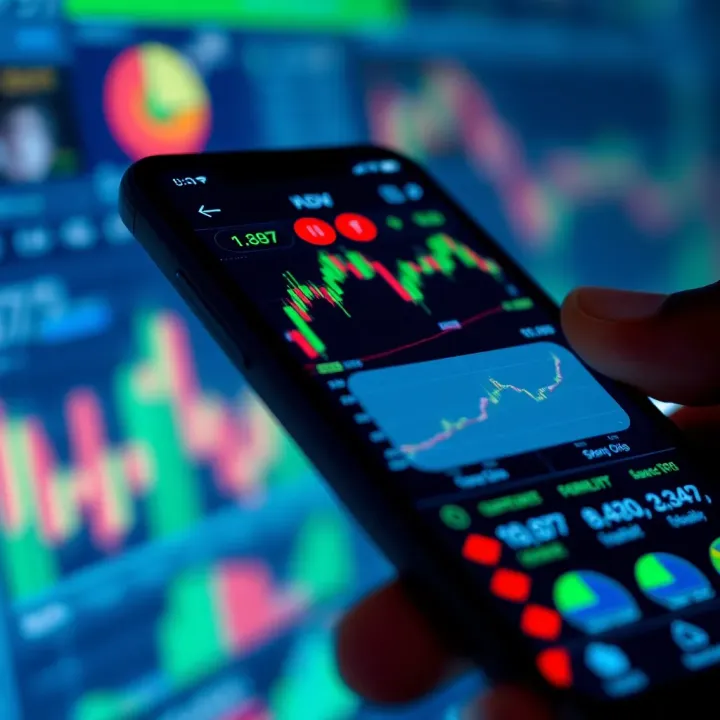
Explore how to choose, download, and use reliable forex trading apps in South Africa 🇿🇦. Stay safe with tips on security and avoid common forex pitfalls 📉📱.
Based on 14 reviews