
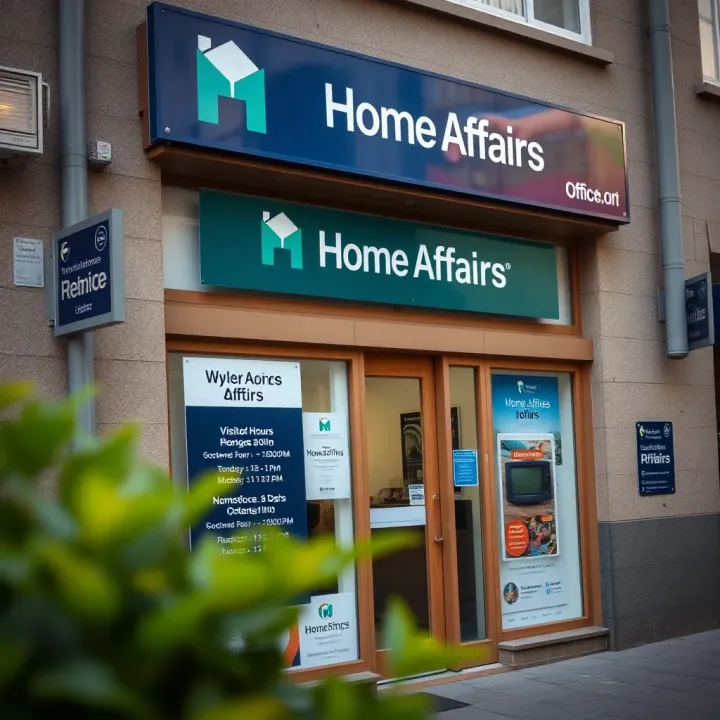
Wynberg Home Affairs Office Hours & Visitor Info
Find Wynberg Home Affairs trading hours and visitor tips 🕒 Explore required documents, office location, contact info 📞 and beat the queues! 📍
Edited By
Henry Collins
Understanding the trading hours and visitor information for Wynberg Library is essential for anyone who relies on this facility for research, study, or simply borrowing books. With varying hours through the week and special rules during public holidays, knowing when you can access the library saves you from wasted trips.
In this guide, we'll cover everything from the library's regular opening and closing times on weekdays and weekends, to changes that happen on public holidays. Plus, you'll find practical tips on how to make the most out of your visit, including services offered and contact details to keep handy.
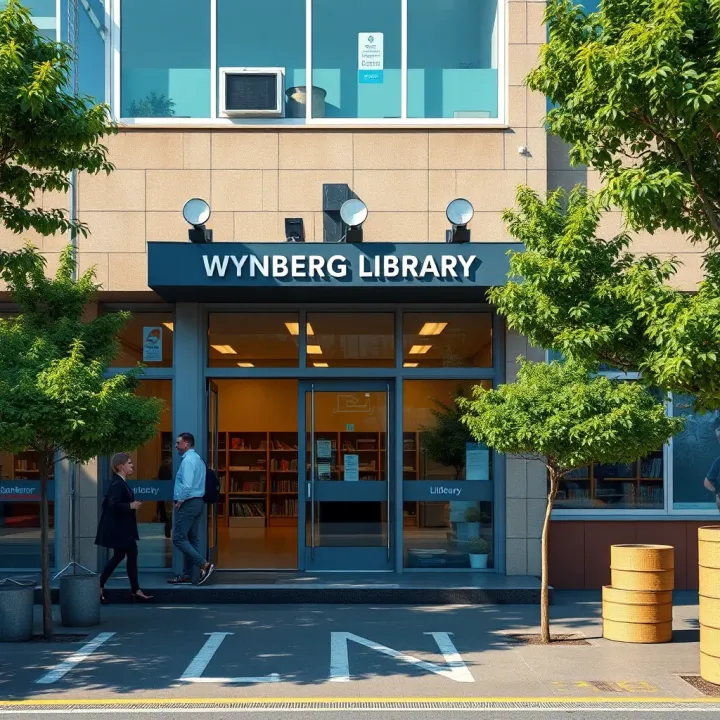
Whether you're a trader looking for a quiet spot for financial reports or an investor needing specific market books, this will help you plan around Wynberg Library's schedule without any hiccups.
The Wynberg Library serves as a vital resource hub for the community, blending traditional library services with modern facilities. Its significance goes beyond just lending books; it's a place where traders, investors, and financial analysts can find a quiet spot for research, access specialized materials, and stay connected through digital means.
Understanding this library’s operations and amenities helps visitors plan their trips more efficiently, ensuring they make the most of their time. For instance, a financial analyst might drop by to browse the latest economic reports or gain access to databases not easily found elsewhere. By knowing the layout and services upfront, visitors avoid wasting precious hours fumbling around or missing out on useful resources.
Situated in the heart of Wynberg, the library is easily reachable via multiple public transport options including buses and trains, making it convenient even during peak traffic hours. Parking facilities nearby also cater to those who prefer driving. For someone juggling a tight schedule, this means less time commuting and more focused research.
The building itself features ramps and elevator access, accommodating patrons with mobility challenges. This ensures everyone has equal opportunity to access the library’s offerings without hassle.
The library offers a straightforward book lending service, allowing registered members to borrow a wide range of materials from fiction to specialized trade books. Returns can be made during operating hours or through a secure book drop after hours—ideal for busy professionals who work late or travel frequently.
This service is invaluable for traders and analysts wanting to keep up with market trends by borrowing relevant finance and economics publications.
Wynberg Library provides complimentary access to computers loaded with essential software and high-speed internet. Patrons can tap into online financial databases, industry reports, and e-books, which are especially useful when physical copies aren’t available.
The digital section offers remote access too, so users can log in from home or their office. This flexibility is a real plus for investors managing portfolios who need timely, reliable information.
Several quiet study zones ensure visitors can work undisturbed, perfect for analyzing stock data or drafting reports. For group discussions or client meetings, the library has bookable meeting rooms equipped with presentation tools.
This allows professionals to combine research and collaboration under one roof without the distraction of noisy environments.
Planning your visit around these features will save you time and improve your overall productivity at Wynberg Library. The key is to match your needs—whether it's book lending or digital access—with the right services available here.
Understanding the standard trading hours of Wynberg Library is pretty crucial for anyone looking to make the most out of their visit. For traders, investors, or financial analysts who might use the library for research or study, knowing exactly when the library’s doors open and close helps avoid wasted trips and ensures access to resources when needed. The library's hours serve as a backbone for planning visits, meetings, or just quiet times to browse through financial reports and economic journals.
During weekdays, Wynberg Library typically opens its doors bright and early at 8:00 AM and closes by 5:00 PM. This schedule aligns well with the standard working hours of most professionals in the area. If you're an analyst who likes to start the day with some deep reading or data digging outside a noisy office, these hours give you ample time before the afternoon rush.
Keep in mind that the library staff uses the last hour for closing procedures and tidying up, so it's a smart move to plan your critical tasks accordingly. Missing the closing time by a whisker could mean you’re rushing to finish your printouts or return borrowed books.

Mid-morning between 10:00 AM and 12:00 PM tends to be the busiest. This is when many students and working professionals hit the library after settling into their day jobs. For traders or financial analysts looking for quieter times, early mornings right at opening or early afternoons from around 2:00 PM tend to be less crowded.
Being aware of peak times can be a game changer if you need to book one of the library’s meeting rooms or secure a spot at the computers for accessing digital financial databases like Bloomberg or Thomson Reuters.
On Saturdays, Wynberg Library usually operates on a shorter schedule, opening from 9:00 AM to 1:00 PM. This reduced time frame is designed to accommodate weekend users who prefer a morning visit. For those needing access to physical archives or printed trade periodicals, arriving early is key since the library closes promptly midday.
Business folks sometimes take advantage of the quieter Saturday mornings to prepare reports or brush up on market trends without weekday distractions.
Currently, the Wynberg Library remains closed on Sundays. This closure gives the staff a day to reset for the week ahead and also allows for maintenance work that can’t be done during operating hours. Sunday closure means anyone needing weekend access has just Saturday morning to get their questions answered or materials gathered.
Planning your visits around these standard hours can save you a lot of hassle, especially if your work relies heavily on uninterrupted research time.
Knowing the distinct opening hours and peak times helps you tailor your library visits without any surprises, which is especially helpful when juggling tight schedules or crucial deadlines.
Knowing the holiday and special day trading hours at Wynberg Library is really important for visitors who want to avoid last-minute disruptions or unexpected closures. During holidays and special occasions, the library often adjusts its opening times to account for public holidays or special events. This flexibility ensures that people who rely on the library for study or research can plan their visits effectively.
For example, if you’re planning research over the August public holidays, it helps to know whether the library will open later or close earlier. These adjusted hours protect staff well-being while keeping essential services available without causing inconvenience.
On public holidays such as Heritage Day or Workers’ Day, Wynberg Library often operates on reduced hours or remains closed entirely. These altered hours are not just random cuts; they reflect staffing limitations and the need to comply with public holiday regulations. It’s common for the library to open, say, 10 am to 2 pm instead of the usual 9 am to 6 pm.
This kind of adjustment helps visitors avoid wasted trips. For instance, during Christmas or Easter holidays, it’s quite normal for the library to shut down completely for a few days. Getting familiar with these changes is key, especially if you depend on late evening study sessions.
The library makes public notices about holiday hours through several channels: prominently displayed posters at the facility, local community bulletin boards, and announcements on their official social media pages or newsletters. For someone who swings by daily, these notices act as timely reminders to adjust plans accordingly.
Clear communication prevents those "showing up only to find closed doors" moments, saving time and frustration. It's always a good idea to check for any updates a few days before a public holiday to avoid confusion.
At times, Wynberg Library hosts or participates in community events, like local book fairs, literacy campaigns, or cultural days. These occasions sometimes mean the library might open later, close earlier, or even temporarily restrict access to certain sections.
This is done to accommodate event setup and maximise community engagement without compromising usual services. Regular patrons who come for quiet study should keep an eye on announcements during these times to avoid crowded or noisy conditions.
The library frequently runs its own programs—think author talks, kids’ reading hours, or technology workshops. These programs can affect normal trading hours, as space and staff need shift focus to hosting duties.
Often, the library will communicate any changes well in advance and offer alternatives if a particular section or service is limited. Visitors looking to use study rooms or computer access during these times might want to book ahead or come during designated off-peak hours.
Staying up to date with holiday and special event hours at Wynberg Library ensures you won’t get caught out by sudden closures or restricted access. It also helps you take full advantage of what the community and the library have to offer.
Overall, holiday and special day trading information isn’t just a minor detail—it’s crucial for making smart plans, whether you’re a student, researcher, or just popping in for a quick browse.
Planning your visit to Wynberg Library is essential if you want to make the most out of your time there. Given its role as a community hub and a resource for students, traders, and researchers alike, knowing when and how to visit can save you a headache. For example, avoiding busy periods means you’ll find quiet study spots and faster access to services.
Being prepared also helps you juggle your schedule without missing opening hours, especially since trading hours vary on weekends and holidays. If you’re keen to access specific resources, such as digital databases or meeting rooms, it’s wise to check availability beforehand. A little planning avoids surprises and helps you tailor your visit to your needs.
If you’re after peace and quiet, early weekday mornings tend to be the best. Wynberg Library generally sees fewer visitors just after opening, so you can nab a prime study desk or settle in without much distraction. Late afternoons midweek can get busier with students winding up their classes, so avoid those slots if silence is golden for you.
On Saturdays, the library is more crowded, especially mid-morning, since families and leisure readers visit then. Visiting right at opening or later in the afternoon usually offers a calm environment as the rush tapers off. Keep in mind, Sundays the library may be closed or have limited hours, so those days won’t be great for study.
The golden rule: Arriving early during typical weekdays secures the best environment for uninterrupted work.
Phone numbers: Calling Wynberg Library before your visit can clarify hours and services on specific days, especially during holidays or events. The main contact number is well-staffed, making it quick to get answers about book reservations or room bookings. If you’re planning a group project and want to inquire about facilities, a brief phone call saves time.
Email: For less urgent queries or more detailed requests—say, getting help with research materials or accessing digital archives—email is the way to go. Wynberg Library’s email is monitored regularly, and they usually respond within one business day. This method also lets you have a written record of your communication, handy if you need confirmation about membership or overdue fees.
Online resources: The library offers online platforms where you can search the catalog, renew books, and even access e-books and journals remotely. Using these tools beforehand streamlines your visit since you can check what’s available and download material to your device—no need to wander the shelves searching. Some digital resources require library login credentials, so make sure your membership is active before your visit.
In short, having these contact channels handy means you’re not just showing up and hoping for the best. You get tailored info that fits your schedule and needs, making your trip efficient and frustration-free.
Knowing the trading hours and visitor info is just the tip of the iceberg when it comes to making the most of your time at Wynberg Library. It’s equally important to understand how to use the library efficiently, especially if you value your time and want to avoid unnecessary hassles. This section offers practical advice on registration, membership, and accessing digital services — things that often trip people up if they go in unprepared.
To borrow books, use meeting rooms, or get full access to digital resources, you need to be a registered member. The process at Wynberg Library is straightforward but requires a few essentials:
Proof of residence: Bring a utility bill or ID that shows you live within the Cape Town municipality.
Completed application form: You can often download this from the City of Cape Town’s official website or fill it out at the library.
Photo ID: A South African ID book, passport, or driver's license will do.
Take note that membership is free, but you’re expected to return books on time to avoid late fees, which can add up surprisingly fast. For example, the fine might be around a few rands per day for overdue items. If you’re planning to use the library regularly, registering is a no-brainer. It opens doors to borrowing privileges, reserved seating during peak times, and access to special events.
In today’s fast-paced world, the library isn’t just a physical space—it’s a digital hub too. Wynberg Library offers a range of remote services that can save you a trip or enhance your study and research:
E-books and Audiobooks: Through platforms like OverDrive or BorrowBox, members can download books on their devices. This is pure gold on rainy days or if you're just too tired to head out.
Online Databases and Journals: Essential for investors and financial analysts digging for market trends or company reports.
Wi-Fi and Computer Access: Available in-house but also, with a membership, you can sometimes access certain resources remotely.
To get started, you’ll need your membership number and password, which you set up during registration. If you’re unsure how to navigate these platforms, the library staff are pretty knowledgeable and can guide you through set-up.
Tip: Bookmark the library’s digital resources page and check for tutorial videos or FAQs—they're clearer than they sound!
In sum, understanding the registration process and how to tap into digital services makes a real difference. It streamlines your visits and keeps you connected even when away from the library’s physical walls. That’s efficiency worth aiming for.
Find Wynberg Home Affairs trading hours and visitor tips 🕒 Explore required documents, office location, contact info 📞 and beat the queues! 📍
🕒 Check Woodmead Factory Shops trading hours, holiday times & visitor tips including payment options and facilities to plan your visit smoothly.
📬 Check Hatfield Post Office trading hours and visitor info to plan your postal errands smoothly. Find services, tips, and schedule details for South Africa residents.
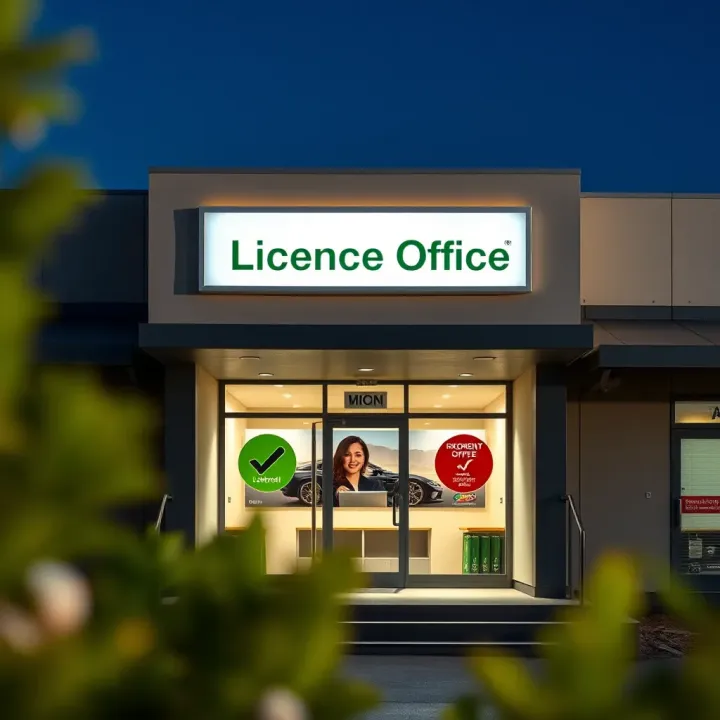
Find Winklespruit Licence Office hours ⏰, booking tips, service details, and visitor advice to plan your trip smoothly in South Africa 🇿🇦🚗.
Based on 5 reviews