

Why Risk Management Matters in Business and Beyond
🔍 Discover why risk management is key in business and beyond—helping identify threats, aid decisions, and boost growth across sectors like finance and healthcare.
Edited By
Charlotte Evans
Risk management isn’t just another box to tick for businesses and individuals; it’s the backbone of making smart, informed decisions. Whether you’re trading stocks, managing a portfolio, or running a company, understanding the risks lurking around every corner can mean the difference between a quick bounce back or a painful loss.
Think of risk management as your early warning system. It helps spot potential threats before they spiral out of control, letting you act instead of react. This isn’t about avoiding risk entirely—no one can dodge it all—but about knowing which risks are worth taking and which could sink your ship.

The reason we’re digging into this is simple: in today’s fast-moving markets and unpredictable world, complacency kills more businesses than bad luck. From economic downturns to supply chain hiccups, ignoring risk only magnifies damage.
In this article, we’ll break down why managing risk matters no matter your field or level of experience. You’ll see how it applies not just in business but in everyday financial decisions, too. Along the way, we’ll cover the benefits smart risk management delivers, common pitfalls to avoid, and practical strategies you can start using right now.
"Failing to manage risk is like driving blindfolded—you might get lucky once, but odds aren’t on your side."
Let’s get started and make risk management a tool, not a threat.
Grasping the nuts and bolts of risk management is more than just a business buzzword—it’s about making sure you’re prepared when things don't go as planned. For traders, investors, and financial analysts, understanding the concept can mean the difference between a minor setback and a catastrophic loss.
At its core, risk management helps you spot potential threats early on and figure out ways to either dodge them or lessen their impact. Say you're an investor eyeing the Johannesburg Stock Exchange. If you don’t understand the specific risks tied to a particular sector or company, you may end up caught off-guard by market swings or regulatory changes.
Being familiar with this concept means you’re better equipped to make savvy decisions that protect your investments and open up room for growth. It's not just about avoiding danger but also about knowing when to take the right risks. For example, in volatile markets, having a clear risk strategy could save you from losing your shirt during sudden downturns.
Put simply, understanding risk management is like knowing how to read the weather before heading out—better to pack an umbrella or stay home than get drenched without warning.
It's critical to recognize that not all risks come from the same place or affect your business in the same way. Let’s break down key types and why each deserves your attention:
Financial risks deal directly with your money. This includes everything from credit risks—where a borrower might default—to market risks, such as unexpected price movements that could wipe out your holdings.
Take, for example, an investor holding shares in a commodity company. A sudden drop in world prices could cause considerable losses. Knowing this risk lets you diversify or hedge with options.
These come from internal processes, people, or systems failing you. Maybe it's a software glitch in your trading platform or a miscommunication leading to wrong trades.
Think of a brokerage firm where a simple human error leads to executing a trade far above market price—this could be costly. Recognizing these risks promotes better controls and staff training.
Strategic risks relate to business decisions that may backfire. Suppose a fund manager bets heavily on a trending tech sector without considering the bigger economic picture—if that sector tanks, the fund suffers.
These risks require thoughtful planning and a balance between ambition and caution.
When laws and rules change, failing to comply can result in fines or legal troubles. For financial players, this could mean missing the latest South African Reserve Bank regulations or new tax laws.
Staying informed and proactive on compliance means avoiding penalties and reputational damage.
Your reputation is your currency in finance. Negative press, poor customer service, or ethical slip-ups can drive clients and investors away.
A recent example is when a reputable investment firm was caught in a money-laundering scandal, leading to a swift loss of investor trust.
Understanding risks is only half the battle. The real skill lies in managing them effectively through a structured process:
First, you need to spot what risks exist. For instance, a hedge fund might list market volatility, liquidity issues, and regulatory changes as potential threats.
Tools like brainstorming sessions, checklists, and industry reports help here.
Next up is figuring out how likely each risk is and what impact it could have. Is a currency fluctuation going to hurt your portfolio mildly or wipe it out?
This prioritization helps focus your efforts where it counts most.
Once risks are identified and assessed, the next step is to manage them. That might mean diversifying investments to reduce exposure, setting strict trading limits, or purchasing insurance.
Effective controls are proactive measures that aim to nip problems in the bud.
Risk management isn't a one-off thing. Markets shift, rules change, and new threats pop up.
Regularly reviewing your risk strategies keeps you on your toes, much like a pilot checking instruments during the flight rather than just before takeoff.
"Risk management is like tuning a guitar before a gig—you don’t wait for the crowd to notice when the sound is off."
Keeping all these elements in mind, traders and financial professionals can not only protect their assets but also enhance decision-making under uncertainty, turning potential threats into calculated opportunities.
Risk management isn't just a fancy phrase companies throw around—it plays a very real role in keeping things running smoothly. It's about spotting potential hazards before they spiral out of control and putting measures in place to reduce harm. In day-to-day business, this translates into clearer decisions, less money lost, and a stronger standing with clients and partners.
Imagine trying to steer through thick fog without a compass. Making business decisions without knowing the risks is pretty much the same. Risk management provides that compass by identifying what could go wrong and how likely it is. For example, a trader reviewing market risks might use historical volatility data to anticipate price swings. This info helps in cutting through uncertainty, making decisions based on likely outcomes rather than guesses.

Resources like time and money are often limited. Effective risk management helps decide where to put these efforts for the best result. Think of an investor assessing multiple opportunities; by focusing on ventures with manageable risks and good rewards, they avoid spreading themselves too thin. It’s not just about avoiding risk, but picking battles wisely to get the most out of what you have.
One wrong move can cost millions. Risk management acts as a safety net. It might be as straightforward as double-checking the accuracy of financial reports to prevent errors that lead to bad investments. For example, companies that don’t monitor regulatory changes might end up fined, draining funds unnecessarily. A proactive approach avoids these pitfalls by keeping eyes wide open.
Assets aren’t just buildings or cash—they include reputation, intellectual property, and human skills. Proper risk practices guard them all. For instance, a firm that invests in cybersecurity protects not only its computers but the trust clients place in it. Losing sensitive data can be far more damaging than tangible losses, hitting businesses where it hurts most: credibility and ongoing partnerships.
Nobody likes surprises, especially when they shut down operations. Whether it’s a sudden market crash or a supplier collapsing overnight, businesses that plan ahead bounce back quicker. Consider a manufacturer keeping a buffer stock or alternative suppliers ready. Such readiness reduces downtime and keeps cash flowing even when the unexpected strikes.
Small hiccups can snowball into major headaches. Risk management identifies weak points in processes and fixes them before chaos ensues. For example, regular IT maintenance can prevent system failures that halt trading platforms. The goal isn’t just to react but to keep things humming along without interruptions.
Nothing says “we care” like showing you’ve thought things through. Companies that actively manage risk communicate stability and responsibility to stakeholders. A financial analyst who spots emerging market volatility and informs clients early shows foresight that builds confidence. This forward-thinking approach tells everyone involved that the company is serious about safeguarding interests.
In the modern world, word gets around fast. Firms known for handling risks well enjoy better reputations, which translates into loyal customers and investors. Conversely, letting risks slide can lead to scandals or failures that spread like wildfire on social media. A spotless track record in managing risks is a magnet for business opportunities.
Proper risk management is less about avoiding danger entirely and more about staying ready to face challenges head-on. It sets the stage for smarter choices, financial safety, operational flow, and trustworthy relationships—all key for thriving in today's fast-paced markets.
Risk management isn’t a walk in the park. No matter how thorough your plans are, certain challenges tend to creep up and complicate the process. These hurdles can slow things down or even cause some risks to slip through unnoticed. For traders, investors, and financial analysts, understanding these common obstacles can be the difference between spotting trouble early or getting blindsided. Let’s break down some key challenges and what they mean in practice.
Spotting every risk on the horizon is like trying to catch smoke with your bare hands—tricky and frustrating. Markets shift, new regulations pop up, and unseen factors may emerge overnight. For example, during the 2020 COVID-19 outbreak, very few risk assessments included a global pandemic as a clear risk, leading to major losses in portfolios.
Even the most experienced analysts can miss emerging risks, especially complex or indirect ones.
Financial markets often face systemic risks that aren’t obvious at first glance. These can include geopolitical tensions, sudden regulatory changes like new tax laws, or technological disruptions. Missing these means your risk framework might be outdated or too narrow. One practical tip is to regularly bring in fresh eyes or use scenario planning to highlight less visible threats.
Not all companies or investment firms have pots of gold to pour into risk management tools or hire extra experts. Budget limits mean prioritizing certain risks over others. This can lead to patchy coverage and gaps where unexpected issues strike.
Take smaller hedge funds, for instance—they might lack in-house experts for thorough cyber risk assessments, leaving them more vulnerable to hacking or data breaches. In contrast, bigger firms like Goldman Sachs invest heavily in technology and training to keep those risks in check.
Knowing where to focus your limited resources is key. Tools like risk matrices help prioritize risks by likelihood and impact, ensuring the biggest threats get your attention first.
In the investment world, risk and reward go hand in hand. Too cautious and you miss out on gains; too reckless and losses pile up. Striking the right balance is an ongoing challenge.
For example, speculative tech stocks can offer big payoffs but come bundled with volatility. Investors must decide how much risk to tolerate versus the potential upside. This balancing act requires constant reassessment as markets fluctuate.
Risk management isn’t about avoiding risk altogether—it’s about managing it smartly. Good decision-makers weigh both sides carefully, using tools like SWOT analysis to highlight where opportunities lie alongside risks.
Even with the best risk strategies, if a company’s culture resists change, progress stalls. Risk management often requires new policies, more reporting, or different ways of working — not everyone welcomes that.
Consider an investment firm where portfolio managers are used to relying on gut feeling rather than formal risk assessments. Introducing structured risk frameworks may meet pushback or skepticism. Without buy-in from all levels, these initiatives might never get off the ground.
Engaging staff through training and clear communication about the benefits of risk management can ease this resistance. When people feel involved and understand the “why,” they’re more likely to embrace new approaches.
In sum, these common challenges shouldn’t discourage you but prepare you. Identifying hidden risks, dealing with limited resources, weighing opportunity against danger, and overcoming internal hurdles all shape how effectively an organisation manages risk. Staying aware and proactive helps keep your risk management efforts on course and your investments protected.
Putting risk management into practice is where the rubber hits the road. Without solid implementation, all the planning and analysis won't protect a business or investor from unexpected financial bumps. Having clear steps and policies in place ensures risks are spotted early, handled properly, and monitored regularly. This isn’t just about ticking boxes — it’s about building a resilient approach that adapts with the market and organisational changes.
A good risk management policy acts like a road map for an organisation. It sets out what kinds of risks matter most, who’s responsible for managing them, and how risk-related decisions should be made. For example, a Johannesburg-based investment firm might adopt a policy that highlights market volatility and currency fluctuations as key risks, while outlining steps to mitigate them. This keeps the whole team on the same page and ensures everyone knows their role. Without a clear policy, actions tend to be reactive and inconsistent, which can be costly.
SWOT analysis is a straightforward yet powerful tool to identify risks by looking at Strengths, Weaknesses, Opportunities, and Threats. For traders and investors, this means identifying internal strengths like strong capital reserves, weaknesses such as dependence on a single market, potential opportunities like emerging industries, and threats including volatile regulations. This balanced view helps pinpoint where risk might lurk and where opportunities for growth are possible.
Risk matrices provide a visual way to assess risks based on their likelihood and potential impact. Imagine you’re evaluating the chance of a sudden policy change in South Africa affecting mining shares — the risk matrix helps you weigh whether that risk is rare but severe or frequent but mild. This graphical approach aids in prioritising which risks demand immediate attention and which ones can be monitored over time.
Scenario planning involves imagining different future states based on varying risk factors. It’s like plotting out chess moves ahead. For instance, financial analysts might consider scenarios such as a recession hitting the economy or sudden tightening of credit lines. This exercise prepares teams to react beyond just the expected, reducing surprises and allowing quicker responses to external shocks.
Risk management isn’t the job of a single person; it needs a team effort. Raising awareness among staff ensures everyone understands the risks relevant to their role. For example, in a trading floor environment, regular workshops can help traders spot red flags like unusual market behaviour, promoting quicker escalation and action.
Creating a culture where employees feel comfortable reporting risks or near misses without blame is crucial. When staff at all levels freely communicate potential issues, small problems can be nipped in the bud before they escalate. A South African boutique investment firm might use anonymous reporting tools, making it easier for risk concerns to surface without fear of backlash.
Companies constantly evolve—new products launch, staff turn over, or business models shift. Keeping risk strategies up-to-date with these internal changes means you’re not flying blind. An asset management company expanding into cryptocurrency holdings needs to adjust its risk protocols to include this volatile asset class promptly.
External forces such as regulatory changes, economic trends, or even global pandemics can quickly alter the risk landscape. Being alert to these shifts and revisiting risk approaches keeps businesses nimble. For example, the introduction of new Financial Sector Conduct Authority (FSCA) regulations in South Africa might require immediate tweaks to compliance risk controls for financial services firms.
Effective risk management is a living process. It demands clear policies, useful tools, engaged people, and continuous review — only then can organisations stay ahead of the curve and protect their assets and reputation.
Implementing these practices thoughtfully helps traders, investors, and analysts not just survive but also spot potential gains hidden within risks. The next sections will explore examples from various industries and how emerging technologies impact risk management today.
Risk management doesn’t look the same across all industries, but the core idea remains—spotting potential threats early and smartly handling them to avoid trouble. Each sector faces its own flavor of risks, needing tailored approaches. Getting a handle on these examples sheds light on why risk management is indispensable, especially for folks involved in trading, investing, or financial analysis. Seeing how different industries tackle risk can inspire better strategies on your end.
In the financial world, fraud detection is like a watchdog, always alert to sniff out shady activity before it snowballs. Banks and investment firms deploy sophisticated algorithms to spot unusual transaction patterns—a sudden massive transfer or a weird login from an unexpected location. Companies like FICO and SAS offer software that crunches data to flag likely fraud. Catching these early not only shields assets but upholds client trust, which is priceless in finance.
Effective fraud detection isn't just about technology; it requires ongoing training and sharp awareness among staff to spot red flags.
Credit risk evaluation is fundamental for lenders and investors. It’s the process of sizing up the chances that a borrower won’t repay. Think of banks using credit scores, cash flow analysis, and debt ratios to decide if a loan's a safe bet. Tools like Moody’s or Standard & Poor’s ratings provide cold, hard data on creditworthiness. This prevents piling up bad debts, stabilizes portfolios, and helps in making sound lending decisions.
Healthcare is high stakes. Implementing solid patient safety protocols helps prevent errors that could harm patients or result in costly lawsuits. From hand hygiene guidelines to surgical checklists recommended by WHO, these protocols are practical shields against risk. For healthcare investors and analysts, understanding how hospitals manage these risks underscores the quality and reliability of care providers.
Medical data isn't just sensitive; mishandling it can lead to dire consequences, including regulatory fines and loss of reputation. With rules like South Africa’s Protection of Personal Information Act (POPIA), healthcare entities must secure patient data tightly. Compliance strategies involve encryption, restricted access, and regular audits. This safeguards both patients and the institution’s standing.
Factories and production lines can be dangerous if risks aren't managed well. Strict safety measures such as machine guards, personal protective equipment, and regular drills reduce accidents. Brands like Toyota have impeccable safety records due to their commitment here. For investors, a strong safety record often signals a well-run company that values its workforce and controls operational risk.
Manufacturing depends heavily on smooth supply chains. Any hiccup—be it delayed shipments, quality issues, or unexpected tariffs—can stall production. Companies manage this by diversifying suppliers and using real-time tracking systems. For example, pick a steel manufacturer like ArcelorMittal; they invest heavily in global supplier relationships to hedge against disruptions.
In IT, cybersecurity is the fortress. With cyberattacks evolving fast, companies must defend against data breaches and ransomware. Practical steps include firewalls, two-factor authentication, regular security audits, and staff training. Firms like Dimension Data offer tailored cybersecurity solutions. For stakeholders, knowing a company takes cyber risks seriously can influence investment decisions.
Every minute a system or website is down can mean lost revenue and damaged credibility. IT managers use backup servers, redundant networks, and frequent maintenance to keep things humming. Understanding how companies like Amazon Web Services ensure uptime can highlight who’s investing in resilient infrastructure—key info for financial analysis.
Risk management’s face changes with each industry, but its value is universal. Examining these specific sectors paints a clearer picture of how managing risk supports stability, trust, and growth.
Risk management isn’t just about handling problems as they pop up; it's about forecasting what’s coming next and preparing for it. For everyone involved in trading, investing, or financial analysis, understanding future trends in risk management is like having a weather forecast for the market—it helps you avoid storms and plan your moves wisely. With rapid changes in technology, regulations, and the environment, staying ahead is more about adaptation than reaction.
Technology is transforming how risks are spotted before they cause any trouble. Two big players here are data analytics and artificial intelligence (AI).
Data analytics involves sifting through massive amounts of information to spot patterns and anomalies that might signal potential risks. For example, an investment firm could use data analytics to notice unusual trading activity or sudden shifts in market sentiment early, helping them steer clear of bad investments. What sets data analytics apart is its ability to process diverse data sources—from social media whispers to economic reports—and turn that data into actionable insights. It’s like having a group of detectives combing through clues, helping traders make smarter decisions with numbers rather than gut feelings.
AI takes this a step further by automating complex risk assessments using machine learning models. Unlike traditional methods, AI can learn from new data continuously, catching risks that might be missed by human analysts. For instance, AI tools can predict credit risks by evaluating borrower behavior beyond standard credit scores, considering factors like spending habits or market conditions. This dynamic capability lets businesses react faster and tailor their strategies based on evolving threats, which is vital in fast-paced markets.
Regulations often shift like the wind, especially after economic crises or scandals. For traders and financial analysts, keeping up with these changes isn’t just a hassle; it’s mandatory to avoid penalties and maintain credibility. Risk management strategies must account for this by building flexibility into compliance processes. This could mean investing in compliance management systems that automatically update rules or training staff regularly to understand new legislation. The key is to see regulatory changes not as a burden, but as signals to tighten or adjust risk controls, ensuring smoother operations and less exposure to fines.
Environmental concerns and sustainability are no longer side notes; they’re front and center in risk management. For investors, this means factoring in risks from climate change, resource depletion, or regulatory pressures on green initiatives. For example, an energy company ignoring environmental risks may face sudden restrictions or reputational damage, affecting its stock value. Incorporating environmental risk assessment into decision-making helps stakeholders anticipate these challenges and invest in or support companies with sustainable practices. It’s about protecting portfolios while also encouraging responsible business that won’t be caught off guard by tomorrow’s environmental realities.
Looking ahead means embracing change, whether it's through new tech, shifting rules, or pressing environmental issues. Effective risk management in the future will rely heavily on how swiftly and smartly individuals and companies adapt to these factors.
In summary, the future of risk management demands a proactive stance. Technology offers sharper tools, regulations require nimble compliance, and sustainability pushes for a broader view of risks. For financial professionals, keeping these in view ensures not just survival but success in a volatile world.
🔍 Discover why risk management is key in business and beyond—helping identify threats, aid decisions, and boost growth across sectors like finance and healthcare.

Explore practical risk management frameworks to identify, assess, and mitigate risks effectively in South African businesses. Stay secure and prepared! ⚖️📊
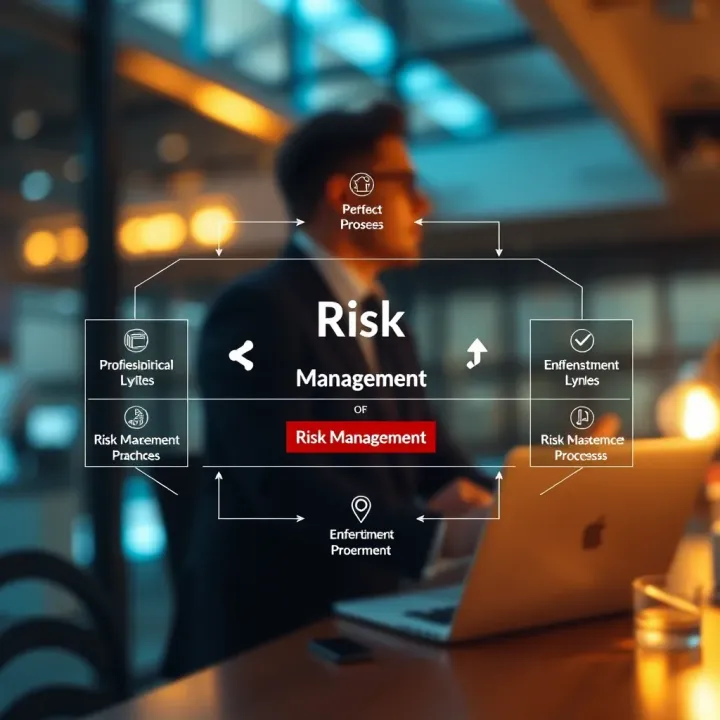
Understand the full risk management process 📊 Explore how businesses identify, assess, control, and monitor risks to safeguard assets and boost smarter decisions.
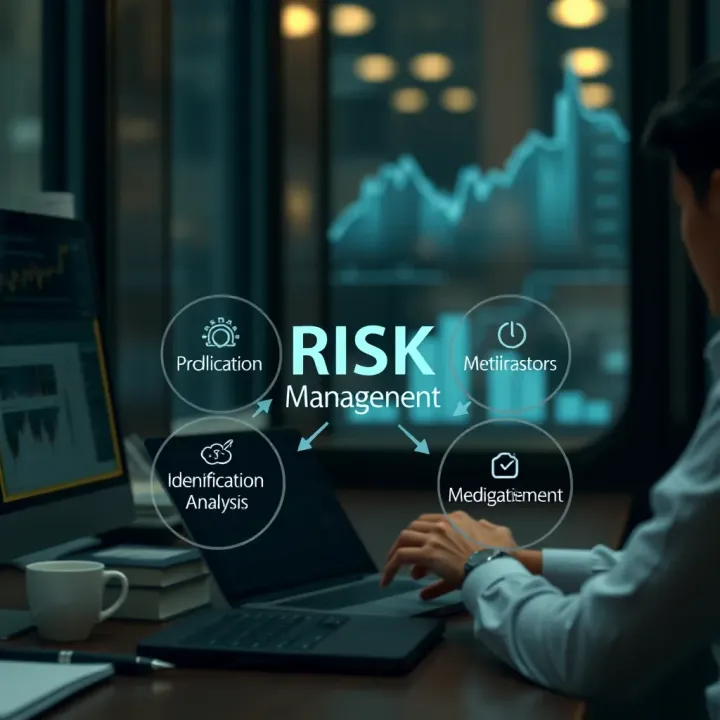
Explore how risk management helps South African businesses spot and tackle threats, improve decisions, and boost success. Stay ahead with smart risk steps! 📊⚖️
Based on 8 reviews