

Understanding Binary Gender and Its Impact
Explore the origins and meanings of binary gender 👥, its societal impact, and how South Africa embraces diverse gender identities beyond the binary👫🌍.
Edited By
Sophie Lancaster
The term binary gender refers to the classification of gender into two distinct and opposite categories: male and female. This understanding is deeply rooted in many societies, including South Africa’s, where traditional norms often link biological sex at birth directly to gender identity and social roles.
Originally, binary gender served as a simple framework to categorise people, aligning with clear biological markers. For example, in many rural areas, the expectation is that a boy will grow up to perform roles traditionally associated with men, such as head of the household or main breadwinner, while girls are often expected to take up domestic or caregiving duties. These roles have been handed down across generations and still shape perceptions in many communities.

However, binary gender does not account for the complexities of gender diversity. People’s experiences of gender can be more fluid or varied than just ‘male’ or ‘female’. In recent years, greater awareness and acceptance of non-binary, genderqueer, and transgender identities have challenged this simplistic view. South Africa’s Human Rights Commission recognises gender as a spectrum, reflecting how eight provinces each have different social and cultural attitudes towards gender roles.
Understanding binary gender helps put contemporary discussions about gender diversity in context, showing how traditional views coexist and sometimes clash with new perspectives.
For those involved in market research and financial analysis, recognising how gender constructs influence consumer behaviour can be valuable. Products and services are often marketed under assumptions based on binary gender, which might not resonate with a growing demographic that identifies outside these boundaries.
Market segmentation: Businesses that depend on clear gender categories might need to adapt as diverse identities demand more inclusive marketing.
Workforce trends: Understanding evolving gender norms can impact human resource policies, affecting recruitment, retention, and corporate culture.
Policy and regulation: Analysts should monitor how gender policies, especially those promoting inclusivity, influence corporate governance and reputational risks.
Grasping the foundations and limitations of binary gender equips traders and investors to anticipate social shifts that could affect industries from fashion and retail to tech and media. In short, it’s about taking a sharper look at how culture shapes economic behaviour in South Africa and beyond.
Understanding the foundation of binary gender is essential for grasping how society has traditionally classified individuals as either male or female based on physical characteristics. This binary classification influences many aspects of social life, from legal identification to workplace dynamics, making it pertinent for financial analysts and investors to be aware of these social structures as they can affect consumer behaviour and labour markets.
Binary gender refers to the system that recognises only two distinct and opposite genders: male and female. These categories are typically linked to biological sex, based on physical attributes like chromosomes, hormones, and reproductive anatomy. For instance, birth certificates and official documents usually require individuals to be identified within this binary framework, affecting access to certain rights or services.
This strict division has practical implications, especially in workplaces and institutions where gender determines expected behaviour, dress codes, or even roles. For example, in financial sectors, male and female employees might still face differentiated expectations regarding leadership or communication styles, stemming from these deeply ingrained binary ideas.
The male-female binary has its roots in many ancient cultures where survival and reproduction were central concerns. Societies relied on clear gender roles: men often took on hunting and protection duties, while women primarily managed child-rearing and domestic tasks. These roles shaped social organisation and legal systems, entrenching the binary model.
Over centuries, laws and customs reinforced these distinctions, which remain evident in many modern institutions. For example, in South Africa, civil law traditionally recognises only male and female categories for marriage, inheritance, and social benefits, tying the historical binary firmly into the present day.
While biological factors like chromosomes (XX for females, XY for males) provide a basis for the binary model, cultural interpretations often shape and sometimes exaggerate these differences. Biology offers categories, but cultures assign meanings, expectations, and value to these categories.
Take puberty rites in Zulu or Xhosa communities, for example: boys and girls undergo culturally specific ceremonies marking their transition into adulthood, reflecting cultural understandings of gender rooted in biology but coloured by social meaning. These practices highlight how cultural lenses amplify or redefine biological distinctions.
In many traditional societies, roles such as breadwinning, decision-making, domestic care, and child upbringing have been divided along binary gender lines. Such roles still influence how businesses and industries organise labour today.
For example, in South Africa's mining sector, historically male-dominated, the legacy of binary gender roles has shaped workforce demographics and workplace cultures. Meanwhile, sectors like nursing or teaching are more female-represented, reflecting traditional caring roles assigned to women. Understanding these divisions helps in analysing labour trends and gendered economic participation.
Recognising the origins of binary gender clarifies why it persists in both legislation and social norms, affecting everything from consumer habits to workplace policies. For investors and analysts, appreciating these dimensions aids in interpreting market behaviours and gauging policy impacts.
Binary gender divides people into male and female based on biological traits.
Historical roles and cultural meanings reinforce this division.
Traditional gender roles still influence economic sectors and social expectations.
South African legal and cultural contexts reflect these established binaries.

Grasping these basics provides a solid foundation before moving on to how binary gender shapes social expectations and the critiques it faces today.
Binary gender influences how society expects men and women to behave, often reinforcing distinct roles and stereotypes. These expectations shape everyday interactions and determine what is considered appropriate or typical behaviour for each gender.
Typical male and female expectations often revolve around traditional ideas: men are usually seen as providers, strong and unemotional, while women are expected to be nurturing, caring, and focused on the home. For example, in many South African communities, men might be expected to focus on earning an income, such as working in mining or agriculture, while women take care of household duties or childcare. These stereotypes influence how people dress, speak, and even pursue careers.
These fixed roles limit individual expression and often result in missed opportunities, especially when someone's interests don't match societal expectations. A boy interested in nursing or a girl passionate about engineering may face challenges not based on ability but on biased gender norms. In the workplace, this often leads to gendered job segregation and wage disparities.
Society's pressure to conform to binary gender roles shapes behaviour from a young age. Boys may be discouraged from showing vulnerability, while girls might receive less encouragement in STEM fields. Such conditioning affects confidence levels and career paths over time.
For instance, in South African schools, girls may be steered towards caring professions like teaching or nursing, whereas boys might be nudged into trades or technical careers. This limits the pool of talent in various industries and can slow overall economic growth. Moreover, rigid gender roles can contribute to mental health issues, as individuals suppress aspects of their identity that don’t align with expectations.
Educational settings and workplaces often reflect and reinforce the binary gender model. School uniform rules, subject choices, and sports teams tend to be gender-specific, making it harder for students who don’t fit neatly into 'male' or 'female' categories to feel included. These practices influence attitudes early on and can deter students from exploring broader interests.
In workplaces, expectations about how men and women behave—such as men taking leadership and women supporting roles—still persist. Many South African companies are working to change this through diversity and inclusion initiatives, recognising that varied perspectives improve decision-making and profitability.
Government-issued documents in South Africa, such as identity documents and birth certificates, usually only offer 'male' or 'female' as gender options. This restricts recognition for those who identify outside the binary model, including intersex and non-binary people.
While South Africa's constitution protects equality, legal practice often lags behind. For instance, transgender individuals face bureaucratic hurdles when updating gender markers on official papers, impacting access to services and participation in society. These classifications affect everything from voting rights to employment and healthcare access.
Recognising how binary gender shapes social expectations helps uncover barriers faced by individuals who don't conform to traditional categories, encouraging more inclusive policies and practices.
Understanding these social effects is essential for anyone analysing societal dynamics, whether in trading, investing, or policy-making, as gender norms influence consumer behaviour, workforce participation, and broader economic trends in South Africa.
The traditional binary gender model categorises people strictly as either male or female. However, this framework overlooks the rich variety of gender experiences that many individuals live through. For traders and investors, understanding these limitations is useful not only to appreciate social dynamics but also to recognise how inclusive policies can affect workforce diversity, innovation, and market behaviour.
Non-binary, genderqueer, and genderfluid identities challenge the conventional male/female split. These terms describe people whose gender does not fit neatly into either category. For example, a genderfluid person might experience shifts in gender identity over time, while someone non-binary might identify outside the male-female spectrum altogether. Recognising these identities helps organisations cultivate inclusive environments, making employees feel valued and reducing attrition.
Intersex variations add another layer of complexity. Intersex individuals are born with physical sex characteristics (chromosomes, gonads, hormones) that do not fit typical definitions of male or female bodies. This biological reality contradicts the binary model and requires legal and medical systems to adapt for fair treatment. For instance, consistent identification on official documents can prove challenging for intersex people, affecting everything from healthcare access to employment.
Enforcing a strict binary overlooks the fluidity and spectrum of gender in society. Socially, it can marginalise those who do not conform, such as non-binary or intersex people. In practical terms, this rigidity can influence workplace policies, legal frameworks, and product design, often excluding diverse needs. For example, bathrooms and dress codes designed strictly around male/female categories can make non-binary employees uncomfortable or excluded.
The mental health consequences of these rigid categories are significant. Research shows that denying or invalidating an individual's gender identity can lead to increased anxiety, depression, and other psychological stressors. Inclusive policies and affirming environments are linked to better mental wellbeing, which translates into higher productivity and engagement. For investors, companies known for supporting diversity and inclusion often attract top talent and better serve varied consumer bases.
Recognising the limits of binary gender is not just a social issue but a practical consideration for modern workplaces and markets that seek diversity, inclusion, and innovation.
Understanding these aspects equips those in trading, investment, and analysis to better navigate the shifting social norms influencing market forces and business practices today.
South Africa's rich cultural diversity shapes how binary gender is understood and practiced across different communities. The concept of male and female as fixed categories often intersects with traditional beliefs, urban lifestyles, and evolving legal frameworks. For traders, investors, and financial analysts, recognising these nuances is crucial when engaging with South African markets that reflect these social dynamics.
In many rural and traditional South African communities, gender roles linked to the binary model remain significant. For example, in some Zulu and Xhosa societies, men and women have clearly defined responsibilities rooted in customs that span generations. Men might be expected to handle cattle herding or community leadership, while women often manage household duties and child-rearing. These roles influence social organisation, labour division, and even economic participation at a local level.
Yet, these traditional gender ideas are not uniform across all communities. Some indigenous groups embrace fluidity within their gender practices, acknowledging roles beyond strictly male or female. Understanding this complexity helps businesses and policymakers avoid broad-brush assumptions and tailor their approaches when working in different cultural settings.
Urban centres like Johannesburg, Cape Town, and Durban tend to challenge conventional binary gender views. Younger generations exposed to global media and education are more open to gender diversity, pushing back against rigid categories. This shift influences workplace culture, marketing strategies, and consumer behaviour in cities.
For instance, companies targeting urban consumers increasingly consider gender-neutral branding and inclusive policies. The rise of activist groups and social media campaigns advocating for transgender and non-binary rights also affects corporate social responsibility approaches. Investors should note how these changing attitudes impact brand perception and employee engagement in South Africa’s economic hubs.
South Africa’s progressive Constitution and legislation provide a framework supporting gender identity beyond the binary norm. The Alteration of Sex Description and Sex Status Act (2003) allows individuals to change their legal gender on official documents, a right not all countries afford. This legal recognition promotes dignity and access to essential services aligned with one’s gender identity.
Despite this, the binary framework remains dominant in key government systems and documents such as identity books and passports. For financial sectors, accurate gender data affects client profiling, credit scoring, and market segmentation. Knowing the current legal stance helps businesses ensure compliance and respect for clients’ identities.
Although legal protections exist, non-binary and transgender South Africans often face social stigma and systemic barriers. In employment, for example, misgendering or discrimination can limit job opportunities and career progression. Access to healthcare that respects diverse gender identities is still inconsistent, impacting well-being and productivity.
These challenges hold practical consequences for companies and investors. Workplace inclusivity can affect talent retention and brand reputation. Moreover, recognising such obstacles supports corporate governance and social investment strategies, showing commitment to equality and human rights.
A clear grasp of South Africa's gender dynamics enables informed decisions that respect cultural distinctiveness and legal obligations, ultimately fostering sustainable business growth and social cohesion.
As society grows more aware of the complexity of gender, conversations about gender identity are shifting beyond the traditional binary model. This evolution is particularly important for traders, investors, and financial analysts as these changes impact consumer behaviour, workplace dynamics, and regulatory compliance. Understanding these shifts can improve decision-making and foster more inclusive business environments.
Education and awareness efforts have become key drivers in broadening society's view of gender. Schools and universities increasingly incorporate lessons about diverse gender identities to challenge stereotypes early on. For example, some South African high schools now introduce discussions surrounding non-binary and genderfluid identities as part of Life Orientation lessons. This fosters empathy and reduces bullying based on gender identity. Awareness campaigns run by organisations such as Gender Dynamix also provide practical tips to workplaces on respecting pronouns and names.
The role of media and popular culture plays a significant part in shaping public perceptions of gender. South African TV shows, films, and social media platforms are starting to feature transgender and non-binary characters in more nuanced roles, not just as sidekicks or stereotypes. This representation helps normalise diverse identities and informs viewers who might not otherwise have access to accurate gender information. Internationally popular influencers who are open about their gender experiences also educate audiences, creating ripple effects in urban and township settings alike.
Creating inclusive workplaces and schools benefits both individuals and organisations. Companies in South Africa’s financial sector, like banks and investment firms, are adopting policies to protect gender-diverse employees. This ranges from offering gender-neutral bathrooms to allowing employees to update gender markers without bureaucratic delays. Inclusive environments improve employee satisfaction, which in turn enhances productivity and lowers turnover. Similarly, schools that establish clear anti-discrimination policies and gender-neutral uniform options support all learners’ mental wellbeing.
Advocacy and community support groups provide vital resources and safe spaces for individuals exploring their gender identities. Groups such as the Triangle Project in Cape Town offer counselling and facilitate support networks. Their work underpins broader societal change by lobbying for policy reforms and raising visibility around gender diversity challenges. For investors and businesses, understanding these community efforts can inform responsible corporate social investment and partnerships that resonate deeply with diverse communities.
Evolving gender discussions influence market trends, workplace culture, and social policy—all relevant for stakeholders aiming to engage inclusively and effectively in South Africa’s growing economy.
This ongoing conversation is not just about identity but also about recognising diversity as a strength that shapes society and business practices alike.
Explore the origins and meanings of binary gender 👥, its societal impact, and how South Africa embraces diverse gender identities beyond the binary👫🌍.

Explore how the gender binary divides identity into male and female, its social impact, and how wider gender views challenge this simplistic system 🌍⚧️.
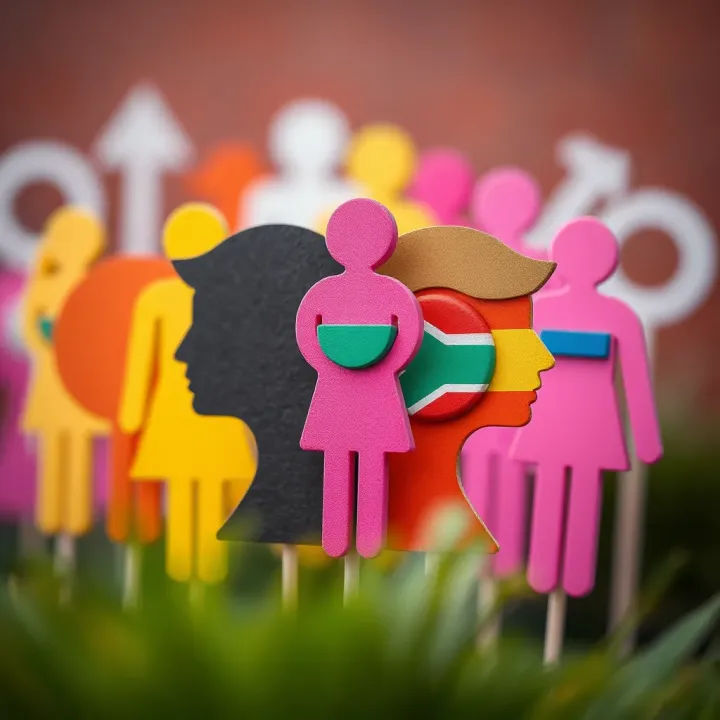
🌈 Explore what non-binary gender means, how it differs from biological sex, and see how South African communities support inclusivity and understanding.
Explore gender non-binary identities 💜 with insights on definitions, challenges, workplace rights ⚖️, and support resources in South Africa 🇿🇦 and beyond.
Based on 10 reviews