

Understanding Hexadecimal to Binary Conversion
📊 Learn how hexadecimal and binary systems connect, why converting matters, and discover practical tools to simplify data and coding tasks in this clear guide.
Edited By
Daniel Hughes
Crossword puzzles often use clever clues, and ‘binary digits’ is one such example cropping up regularly. The term refers to the basic units of the binary number system—bits. Here, instead of thinking in tens like our usual decimal system, we’re dealing with just two digits: 0 and 1. These tiny building blocks play a massive role in computing and digital communications.
Understanding what ‘binary digits’ means helps in two ways. First, it clarifies what the crossword setter expects as the answer. Usually, the solution is ‘bit’ or sometimes its plural ‘bits’. Second, it means you can approach similar clues with confidence, knowing the answer lies in the simple, two-symbol world of binary.
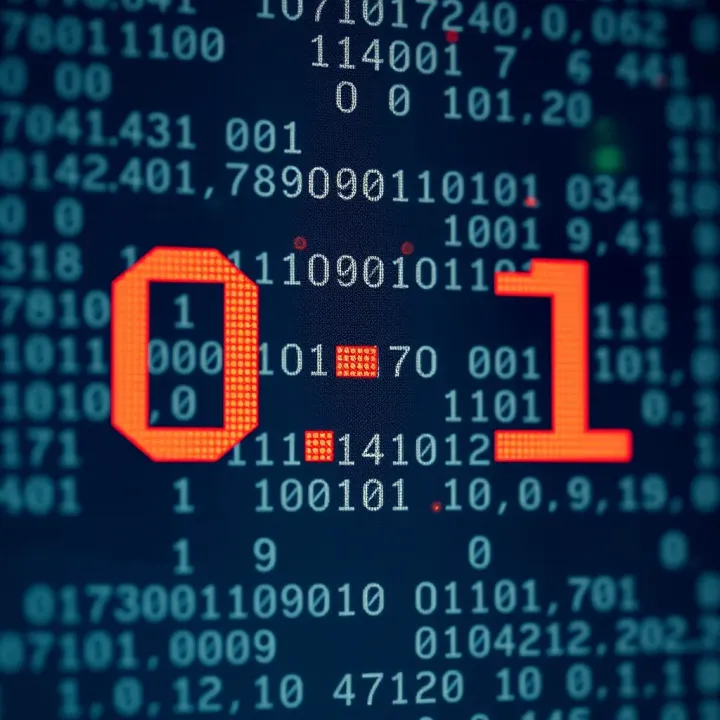
In computing, a bit represents the smallest piece of information, either on (1) or off (0). Even complex data hinges on strings of bits.
For traders, investors, and financial analysts working with tech companies or digital systems, recognising this term is not just about crosswords—it reflects a basic layer in how data is stored and processed.
Here’s why the term appears in puzzles:
Conciseness: Crossword grids need short answers; ‘bit’ fits perfectly.
Common knowledge: The term is widespread in both tech and general language due to digital devices.
Simple yet tricky: It tests familiarity with computing basics without being too obscure.
Next time you spot ‘binary digits’ in a clue, remember it points to the neat little “bits” making up the digital world. It’s a straightforward term hiding a world of complexity, much like the financial data sets you analyse day to day.
In the sections ahead, we’ll explore how to spot these clues quickly, their common crosswords hints, and practical tips for tackling them efficiently.
The clue 'binary digits' in crossword puzzles commonly points to the fundamental units of digital information — bits. Since crosswords rely heavily on concise answers, recognising that 'binary digits' refers to bits helps solvers quickly fill in the spaces.
Grasping what binary digits stand for provides a practical edge in solving tech-related clues, which are increasingly common. For investors or analysts dealing with tech sectors, this understanding also adds context when interpreting tech news or reports.
A binary digit, or bit, is the smallest unit of data in computing. It represents a value of either 0 or 1. These two states stem from binary's base-2 system, unlike the decimal system we usually use, which counts from 0 to 9. In everyday computing, bits come together to form bytes (usually eight bits), which then encode everything from text to images.
Bits are essential for how computers operate and process information. Without them, digital devices couldn’t store data or perform calculations. If you picture a light switch, a bit is like that switch, either off (0) or on (1), creating the foundation for all computing logic.
Binary digits serve as the backbone of all digital systems — from the smartphone in your pocket to the servers running the JSE's trading platforms. They streamline complex data into simple signals that hardware can process efficiently.
In South Africa’s tech scene, bits underpin data transmission over fibre-optic networks and wireless services by providers like Vodacom and MTN. Understanding bits is relevant not just for tech pros, but anyone interested in how digital information flows within devices and networks.
Crossword clues involving 'binary digits' often expect succinct answers. The most common response is "bit" or its plural "bits". Since crosswords limit answer length to fit grid space, these short forms come in handy.
For example, a clue reading "Binary digits (3)" nudges towards "bit", where the number in parentheses guides solvers on word length. Longer answers like "bytes" happen less for this clue since bytes technically represent a collection of bits rather than a singular binary digit.
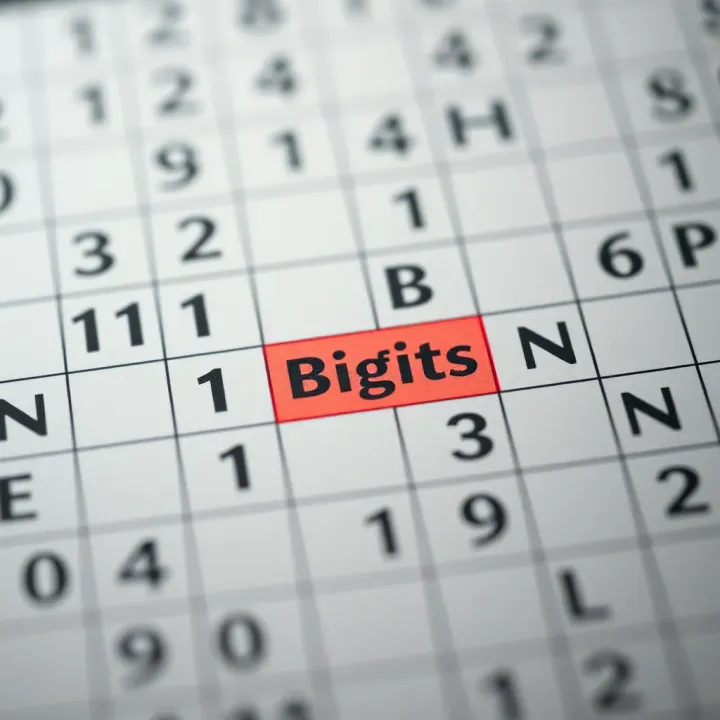
Crossword grids often restrict answers to three or four letters for tech-related clues. "Bit" (3 letters) suits most "binary digits" clues perfectly. Sometimes, you encounter plural forms like "bits" (4 letters) if multiple digits fit better.
Furthermore, variations might exist depending on the crossword’s origin. British-style puzzles might lean more on straightforward answers, whereas some American crosswords can be tricky, playing with synonyms or related terms. In South African crosswords, the standard "bit" or "bits" usually does the trick.
Understanding that "binary digits" almost always points to "bit" or "bits" helps avoid confusion and speeds up solving, especially for tech-themed puzzles that pop up in business and investment contexts where financial analysts and traders may dabble in crosswords to unwind.
In summary, knowing these basics equips you well not just for puzzles but for decoding tech jargon that surrounds modern finance and investments.
Understanding binary digits, or bits, goes beyond simply solving crossword clues. They form the backbone of digital technology, shaping how information is processed, stored, and transmitted worldwide. This section highlights the practical importance of binary digits in everyday technology, with specific nods to the South African context, and clears up common misconceptions that often trip people up.
Bits are the smallest unit of data in computing, represented by a 0 or 1. Every device you use, whether it's a smartphone, laptop, or even your Smart TV, relies on billions of these binary digits functioning together. They underpin data storage, processing power, and communication protocols. For instance, your music, photos, and documents are saved as sequences of bits, enabling the device to interpret and display them.
In South Africa, where data affordability and connectivity remain challenges, efficient use of bits is key. Mobile networks like Vodacom and MTN ensure that data packets transfer swiftly between devices using binary signals. Similarly, technologies such as satellite internet and fibre-optic networks depend heavily on binary digit manipulation to deliver reliable service despite infrastructural constraints. Even the push for electronic banking and digital payment platforms like SnapScan or Zapper hinges on accurately processed binary data.
Many puzzle solvers and everyday users confuse the terms ‘bit’ and ‘byte’, or overcomplicate what a binary digit actually means. A bit is always a simple 0 or 1, nothing more. Sometimes crossword clues might hint at binary digits, but people assume the answers need to be longer or more technical terms, which isn’t always the case. This misunderstanding can lead to overthinking when the answer could just be 'bit' or 'bits'.
Another frequent error is thinking that binary digits carry meaning on their own outside context. Without the right structure, a random string of bits doesn’t convey useful information. Similarly, some believe that binary digits imply complicated mathematics, when, in reality, they just form the language computers use to switch between two states. Clearing these misconceptions saves puzzlers and tech users a great deal of confusion and helps appreciate the simplicity and power of the binary system.
Simply put, binary digits are the digital alphabet of our world. Knowing their role helps decode both technology and crossword puzzles effectively.
Solving clues related to binary digits may seem straightforward at first glance, but crosswords often hide subtle hints and tricky phrasings. Knowing practical techniques improves your chances of quickly landing on the right answer, especially when dealing with common but brief words like "bit" or its plural. These techniques are vital for anyone aiming to sharpen their puzzle-solving skills and handle tech-related clues confidently.
Recognising when a clue points to binary digits often comes down to spotting keywords or context. Clues might include terms such as "digital unit," "binary number segment," or simply "bit of data." They rely on the solver understanding that the smallest unit in computing is a binary digit, which typically translates to "bit" in crosswords. These hints appear frequently, so quick recognition saves time and reduces guesswork.
Common answers like bit or bits fit well due to their short length and direct connection to the clue. In many puzzles, "bit" is the go-to response because it's the basic unit of information in computing and binary code. Its plural, "bits," might show up when the clue references multiple binary digits or data slices. Knowing these answers helps you anticipate possible solutions and avoid overthinking simple clues.
Crosswords depend heavily on intersecting words, so cross-referencing with vertical or horizontal entries is crucial. If you suspect the answer relates to binary digits but aren't sure, check the letters already placed from crossing clues. This strategy often confirms or rules out options like "bit" or "bits," tightening your guess and paving the way to the correct word.
Word length is another practical guide. Binary digit answers commonly range from three to five letters, rarely longer. If the allocated spaces in the puzzle don't match "bit" or "bits," consider synonyms or related tech terms. For instance, "slug" or "unit" might appear but are less common. Always prioritise fitting answers with the correct letter count, as crossword constructors stick to strict word length constraints.
Having the right resources on hand makes tackling binary-related clues easier. Classic crossword dictionaries, especially those with a focus on technology or computing terms, can prove invaluable. Additionally, online tools that allow you to input known letters and word length can help generate options swiftly. These solutions save precious time and increase accuracy.
To deepen your understanding, consider learning more about binary and computing terms through South African tech news sites or beginner-friendly computing books. Familiarity with terms beyond "bit"—such as "byte," "nibble," or even "boolean"—broadens your vocabulary pool for future puzzles, giving you a definite edge.
Effective puzzle solving combines pattern recognition, contextual clues, and reliable references—skills that pay off in every crossword challenge involving binary digits.
Binary digit clues don't always come neatly labelled as "binary digits", so understanding their common variations can give you an edge. Crossword setters often mix up phrasing or use synonyms to fit their grid or add a twist. Spotting these shifts will save you second-guessing the solution.
Clues referring to terms like "bit", "digits", or "binary" are common stand-ins. For instance, a clue might say "small data chunk" or "binary number unit" instead of the straightforward "binary digit". This approach plays with language to fit the crossword’s style or length constraints while still pointing to the same answer, usually "bit" or "bits".
On top of that, setters sometimes use synonyms or related technical terms. Words like "binary numeral", "digital unit", or "bit of data" may crop up, all hinting at the same concept. For puzzle solvers, familiarising yourself with these variations helps avoid getting stuck when the clue looks unfamiliar but means the same thing. In practice, you could face clues such as "bit of computer language" or "digital placeholder"—both subtly suggesting bits.
In South Africa, crossword editors might phrase clues differently compared to international counterparts, reflecting local usage and preferences. For example, clues could incorporate uniquely South African English expressions or cultural references linked to technology or data, making the clue feel closer to home. This might involve less formal, more conversational phrasing like "computer’s tiny piece" rather than strictly technical wording. Since South African puzzles often ensure accessibility for a diverse linguistic audience, clues are crafted to balance challenge with clarity.
Meanwhile, differences between British and American English crosswords also matter. British puzzles frequently rely on concise, sometimes cryptic wording with subtle puns, while American crosswords tend to be more direct and descriptive. A British setter might give a clue like "bit of info in binary (3)" expecting "bit", whereas an American puzzle might spell out "smallest binary unit (3)" more plainly. Knowing these style differences helps predict clue structure, giving clues extra context beyond just vocabulary.
Being alert to how clues vary by region and editor style means you’re less likely to miss an answer simply because it’s presented differently. Recognising these patterns can sharpen your solving experience and make ‘binary digit’ clues less daunting.
Recognising the significance of binary digits can sharpen your approach to crossword puzzles, especially when tech terms pop up as clues. For traders, investors, and financial analysts who often encounter tech-related crossword puzzles or use such puzzles as brain teasers, knowing binary terminology adds an edge. It exposes you to a niche vocabulary and subtle clue patterns, helping you breeze through puzzles that might otherwise cause a pause.
Familiarity with basic computing vocabulary—like "bit", "byte", or "binary"—knocks down a major barrier in solving crosswords that draw on digital terminology. In crosswords, "binary digits" often translates simply to "bits"; knowing this saves time and reduces guesswork. The practical benefit is clear: the more tech terms you know, the better you decode tricky clues with minimal hints.
Other common tech clues include terms like "RAM" (random access memory), "CPU" (central processing unit), or "URL" (uniform resource locator). These acronyms or short forms frequently appear due to their brevity fitting neatly into crossword grids. If you keep a mental list or a quick reference for such terms, solving puzzles becomes less about random guesses and more about informed deductions.
Binary concepts rely on two clear states—zero and one—which strengthens your mind’s ability to spot patterns, a crucial skill for all crossword enthusiasts. When a clue points to binary digits, understanding how these bits combine or function can inspire logical shortcuts in puzzle solving. It’s a small but powerful way to train your brain to detect order and relationships, rather than solely depending on breadth of vocabulary.
To boost these skills practically, try exercises like identifying binary code patterns hidden in numbers or text puzzles, or practising with simple logic puzzles that require yes/no or true/false decisions. Over time, this can make pattern recognition in crosswords feel more intuitive. Incorporating daily crossword routines with a focus on technology and logic clues helps you build a sharper, more analytical mindset.
Knowing how binary digits function does more than help with crosswords—it hones your logical thinking, an invaluable asset for anyone making decisions in fast-moving financial environments.
With these pointers, you not only improve at solving puzzles but also sharpen skills that translate well into the demanding world of trading and investment analysis.
📊 Learn how hexadecimal and binary systems connect, why converting matters, and discover practical tools to simplify data and coding tasks in this clear guide.

🔢 Explore how 'hello world' converts to binary! Learn encoding basics, history, key standards & handy tools for easy text-to-binary conversion.

Explore how the gender binary divides identity into male and female, its social impact, and how wider gender views challenge this simplistic system 🌍⚧️.

🔍 Discover how YouMoney Binary works, its trading methods, risks, and benefits. Stay informed and trade safely in South Africa's financial scene.
Based on 13 reviews