
Understanding Binary Code Charts
🔢 Understand how binary code charts work in computing and digital communication. Learn to decode and convert binary to decimal with clear examples for South African tech enthusiasts.
Edited By
Laura Price
Binary code might seem like a foreign language, but it’s the backbone of all digital information you interact with—including financial data crucial for traders, investors, and analysts. At its core, binary uses just two symbols: 0 and 1. These digits represent electrical signals, either off or on, in computing systems.
Understanding how this series of 0s and 1s gets translated into readable text or numbers is essential for grasping the flow of data in markets, trading platforms, and analysis tools. For example, when you see a stock price update or an economic indicator on your screen, it has been decoded from binary data.
In simple terms, binary code translation converts these strings of bits (binary digits) into meaningful information. This process relies on character encoding standards—like ASCII (American Standard Code for Information Interchange) or Unicode—which assign specific binary patterns to characters, symbols, and numbers.
Translating binary code is like turning the digital pulse of a computer into human-readable information, ensuring traders and analysts access accurate, actionable data without technical hassle.
Binary Numbering System: Unlike the decimal system, which counts from 0 to 9, binary counts using only 0 and 1. Every binary digit doubles the value range, making it efficient to represent complex data.
Character Encoding: This determines how binary translates into characters. For example, the letter ‘A’ is represented by the binary sequence 01000001 in ASCII.
Translation Methods: Software tools inside your financial devices or platforms convert raw binary data into formats you can work with—be it numbers, text, charts, or audio.
Practical use cases are everywhere in finance. Market data feeds rely on this translation process to deliver real-time quotes, algorithms parse encoded trading instructions, and analytics software converts binary logs into trend reports. Having a clear grasp of how binary code translation works will help you better navigate technical discussions and make confident decisions when using financial technology.
Next up, we’ll look closer at how the binary system is structured and why it’s perfectly suited for digital communication.
Understanding binary code is the first step in comprehending how computers and digital devices operate. At its core, binary code represents the language that machines use to process, store, and transmit information. For those involved in trading, investing, or analysing financial data, grasping this concept helps demystify how numbers, charts, and signals are handled behind the scenes, ultimately affecting digital platforms and tools used daily.
Binary digits, or bits, are the smallest units of data in computing. Each bit carries a value of either zero or one. Think of it like a simple switch that can be off or on. By combining bits, devices can represent more complex data—from numbers to text to images. For example, eight bits together form a byte, which can represent a single letter or number in a text file.
The role of binary in computing is fundamental. Computers rely on binary because electronic circuits naturally interpret two states—voltage present or absent. This means everything you see on a screen, every trade executed, or every stock price updated, is ultimately broken down into these binary patterns. Without this system, digital processing and communication would be unthinkable.
Raw binary bits alone are meaningless without interpretation. Translating from bits to meaningful data turns mere sequences of zeros and ones into usable information such as prices, names of companies, or transaction details. Consider financial software that deals with market data: it must convert incoming binary data into readable formats to display live prices or historical trends.
Digital communication depends heavily on this translation. Whether you’re sending an order via an online trading platform or receiving a market update on your mobile, binary translation ensures the data travels correctly and arrives as intended. It also allows systems that speak different 'languages' to understand each other by standardising the representation and meaning of data.
In essence, binary translation acts like a universal interpreter connecting the raw world of machine data with the meaningful world of human information.
Having a solid grasp of these basics lays the foundation for understanding the more complex processes of encoding, decoding, and using binary data effectively in various financial and technological contexts.
Understanding how binary code is structured is fundamental when translating digital information. The arrangement of bits—the smallest units of data—into meaningful patterns determines how computers interpret and process information. This structure affects everything from how financial data gets displayed on your trading platform to how complex algorithms run on trading systems.
At the heart of binary code are bits, short for binary digits, which can only be zero (0) or one (1). A single bit, however, holds very limited information. This is where bytes come into play: a byte contains eight bits, forming a group that can represent 256 different values (from 0 to 255). For example, in financial analytics software, one byte might represent specific status flags or categories.
Bytes are the building blocks for larger data types used across computing and finance. When your stock trading app shows price movements, it's actually interpreting collections of bytes structured in a way that machines and humans can understand. Recognising how bits group into bytes is the first step to grasping more complex binary operations.
Unlike the decimal system humans commonly use (base ten), binary operates in base two. Each digit in a binary number has a place value that's a power of 2, starting from the rightmost bit (2⁰). For instance, the binary number 1011 represents 1×8 + 0×4 + 1×2 + 1×1, which equals 11 in decimal.
This system enables computers to perform calculations efficiently. Traders may not need to convert binary to decimal manually, but understanding base two helps when dealing with low-level data representations like network packets or encryption keys that protect transactions.
Binary data can be structured in fixed sizes called word lengths—commonly 8-bit, 16-bit, or 32-bit sequences. An 8-bit sequence aligns with one byte and is often used for simpler data like characters or small numbers. A 16-bit number doubles that capacity, useful for more complex values like integer price ticks in certain trading systems.
Meanwhile, 32-bit sequences are commonplace in modern computing for representing larger integers or floating-point numbers with decimal precision. For example, high-frequency trading platforms rely on 32-bit or even 64-bit values to accurately handle large volumes of data and calculations.
Bits don’t just float around independently—they’re grouped thoughtfully to convey the right meaning. For instance, in an 8-bit sequence representing a character, each bit's position matters. The leftmost bit could indicate a special flag, while the remaining seven bits represent the character (following ASCII encoding).
This grouping expands into more intricate data structures, especially when dealing with images, audio, or compressed financial data streams. Knowing how to group bits correctly means you can decode or encode information accurately, critical when interpreting raw data from your brokerage or analysing data feeds.
The arrangement of bits into structured sequences allows computers to translate raw binary into meaningful data rapidly and reliably, an essential process underpinning every digital interaction you have with financial markets.
Understanding how binary code is translated forms the backbone of interpreting digital data correctly. This section unpacks the main ways binary translates into meaningful information, focusing on both text and other data types like numbers and images. For traders, investors, and analysts, grasping these methods clarifies how systems process data into readable, actionable outputs.
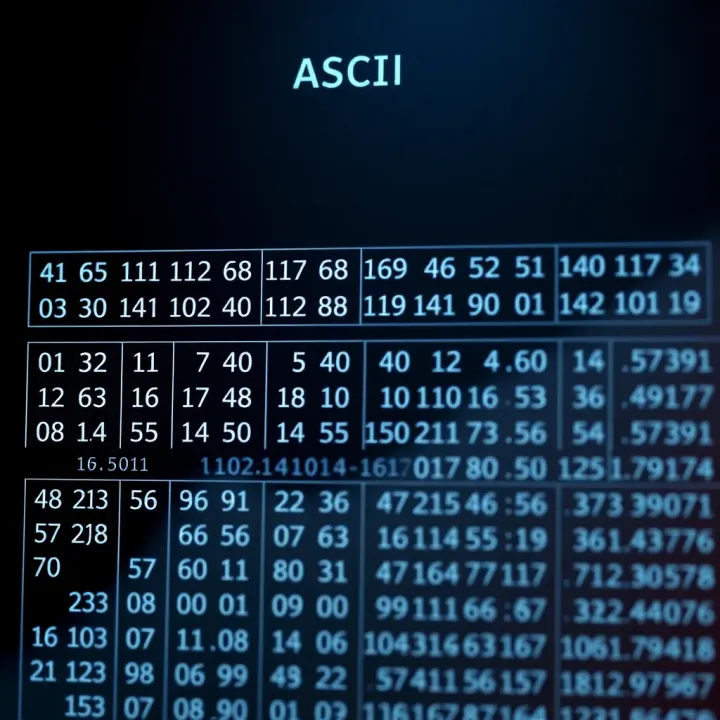
ASCII encoding explained: ASCII, short for American Standard Code for Information Interchange, assigns numerical values to characters so computers can translate bits into letters and symbols. Each character corresponds to a 7- or 8-bit binary sequence. For example, the capital letter ‘A’ is 01000001 in ASCII, which software interprets as text. While ASCII covers English characters and some control codes, its limitation lies in excluding many symbols or non-English alphabets.
This simplicity made ASCII popular in early computing and is still in use for basic text processing, email headers, and programming. However, it lacks the reach for global, multilingual content, which led to the rise of Unicode.
Unicode and its impact: Unicode vastly expands character sets by using variable-length binary sequences. It supports virtually every written language, allowing systems across different countries to share consistent text data. Unicode’s use of encoding forms like UTF-8 means that simple ASCII characters remain as single bytes, but complex characters can take more space.
Thanks to Unicode, software can display diverse scripts—from isiZulu to Chinese—without corruption. For financial analysts tracking news or reports in multiple languages, Unicode ensures the data retains its meaning regardless of origin. It’s crucial in web pages, document formats, and databases needing globalisation.
Numbers and integers: Beyond text, binary translation interprets sequences as numerical values. Most systems use fixed-length binary strings to represent integers, with standard formats like signed and unsigned integers. For example, an 8-bit unsigned binary '00001010' equals the decimal number 10.
In trading platforms or financial models, this approach enables laptops, servers, or smartphones to rapidly calculate data such as prices, volumes, or indices. Knowing how your software interprets binary to integers helps you understand potential limits, like maximum values or overflow risks.
Images and multimedia pointers: Binary code also represents images, sounds, and other multimedia through structured data. Pixels in an image, for instance, are converted into binary values describing colour depth and position. For example, a 24-bit colour image uses three bytes per pixel to encode red, green, and blue channels.
Multimedia files include pointers within their binary data, indicating how to assemble or play the content. For analysts monitoring visual data or video feeds, recognising these binary structures helps ensure accurate processing and output. It sheds light on how digital platforms handle rich data beyond plain text, which is increasingly relevant in embedded finance apps and media-related analytics.
Mastery of these translation methods underpins all digital communication and data management. Without converting binary properly, neither simple text nor complex financial graphics would display correctly.
These translation techniques demonstrate that binary code isn’t just abstract patterns but the foundation for all digital data we use daily. Understanding how text, numbers, and multimedia translate from binary prepares you to work smarter with technology in your fields.
Translating binary code into readable information requires practical tools and techniques. These range from simple manual methods to sophisticated automated software, each serving different needs depending on the complexity and volume of data. For traders, investors, or financial analysts working with digital data, understanding these options is key to effective decoding and interpretation.
Using conversion tables involves referencing standard charts that map binary sequences to corresponding characters or numbers, such as ASCII codes. This method empowers users to decode small snippets of binary data by hand, offering direct insight into the translation process. For example, a typical ASCII table shows how the binary sequence 01000001 corresponds to the letter ‘A’. While straightforward, this approach can be time-consuming for large data sets but remains valuable for learning and troubleshooting.
Step-by-step binary decoding breaks down the process into manageable stages: reading binary groups, converting them into decimal values, then matching these values to characters or symbols. This sequential approach clarifies how computers interpret raw binary, enabling users to check each step for accuracy. For instance, converting the binary number 01100001 to decimal (97) and then identifying it as the ASCII character ‘a’ illustrates this method’s practical use.
Online binary converters simplify and speed up the translation of binary code by instantly converting input sequences into readable text, numbers, or even images. These web-based tools are handy for quick checks or when dealing with moderate amounts of data without the need for installation. Their user-friendly interfaces make them accessible to those who may not be familiar with code, while still providing accurate results.
Programming libraries and scripts provide powerful options for handling large-scale or repetitive binary translations, especially in financial software development or data analysis tasks. Languages like Python offer libraries such as binascii or custom scripts to automate decoding, allowing analysts to embed binary translation directly into their workflows. This automation not only reduces human error but also dramatically increases efficiency when processing streams of binary data.
Whether manually referencing a conversion table or using scripts to automate decoding, the choice of tool depends on the task’s scale and complexity. Having a good grasp of these methods equips you to interpret binary data confidently, which is crucial for navigating modern financial systems and data-driven environments.
Binary translation plays a hidden yet vital role in everyday digital activities, translating raw binary sequences into meaningful data that powers our technology. This process underpins everything from the internet traffic you browse through to the software on your laptop. Understanding these applications helps clarify how digital communication and programming rely on binary decoding for smooth operation.
Internet communication relies fundamentally on binary translation to convert your human-readable data—emails, messages, websites—into binary form for transmission over networks. For instance, when you stream a video or send an email, your device translates the content into binary code, which routers and servers interpret to move information accurately across the internet. This translation assures data integrity and speed, essential in financial trading platforms where a delay of milliseconds could impact decision-making.
Beyond just sending data, binary translation is crucial for error checking. Techniques like checksums and cyclic redundancy checks decode and verify binary data during transfer, reducing the chance of corrupted or lost information that can disrupt transactions or analytics.
File and database management depend heavily on binary representation for efficient storage and retrieval. Files saved on your computer or server are essentially binary sequences that software translates back into images, text, or numbers when accessed. Databases use binary translation to organise and index data efficiently, improving query speed and accuracy. In finance, where databases may contain vast amounts of transaction records and market data, this translation supports quick lookup and manipulation without data loss—a necessity for accurate risk analysis and reporting.
Compilers and interpreters act as translators that convert human-readable programming languages into binary machine code, making software executable by computers. When a developer writes code for trading algorithms, for instance, a compiler converts this code into binary instructions the processor can execute directly. Understanding this translation process can help financial analysts appreciate the technical precision required to ensure algorithms run smoothly and without errors.
Debugging and software tools often involve inspecting binary code to track down bugs or performance issues. Tools like disassemblers and hex editors allow developers to view low-level binary instructions and locate anomalies that cause software faults. For traders relying on automated systems, such debugging is essential to maintain reliability and adapt to changing market conditions swiftly.
Binary translation is the backbone of digital technology, linking everyday tools and complex financial systems by turning abstract code into usable action.
Whether managing data flows over the internet, storing essential information, or developing powerful financial software, binary code translation quietly supports reliable, accurate digital experiences crucial for today's economy.
🔢 Understand how binary code charts work in computing and digital communication. Learn to decode and convert binary to decimal with clear examples for South African tech enthusiasts.
🔢 Learn the basics of binary calculations—how addition, subtraction, multiplication, and division work in base 2—and discover their role in tech and daily devices in South Africa.

Explore the basics of binary operations 🔢, from types and properties to practical uses in computing and digital logic, with clear examples for everyday understanding.
🔢 Understand ASCII codes and their binary forms with practical examples. Learn how computers process text data using the ASCII table and binary conversion methods.
Based on 9 reviews