
Basics of Forex Trading for Beginners in South Africa
Learn the fundamentals of forex trading 📈. Get practical tips on strategies, risk management, and market factors tailored for South African traders 🇿🇦.
Edited By
Emily Carter
Auto forex trading is making waves as a popular method for trading currencies, especially among South African investors looking for an edge in the fast-moving foreign exchange markets. Simply put, it involves using automated software programs, sometimes called trading robots or Expert Advisors (EAs), to execute trades on your behalf based on predefined rules.
This tech-driven approach offers an alternative to manual trading, where every buy or sell decision depends on the trader's judgement. Auto forex trading software scans market conditions, analyses charts, and reacts instantly to developments, often much faster than a human could. This speed can be a real advantage when trading volatile currency pairs like the South African rand (ZAR) against the US dollar (USD) or the euro (EUR).
However, it's not a free ride to easy profits. Understanding how these systems work, the risks involved, and the local regulatory landscape is key. In South Africa, financial services fall under the jurisdiction of the Financial Sector Conduct Authority (FSCA), which keeps watch to protect traders from scams and unlicensed platforms. So, it pays to pick a trustworthy, compliant broker or platform.
Auto forex trading can boost efficiency and remove emotional bias but requires thorough research and discipline to avoid pitfalls.
Auto trading suits those who want consistent exposure to forex markets without staring at screens all day. For example, a local trader might use a platform that automatically opens and closes trades overnight based on economic data releases, while they’re at work or at a braai. Yet, these systems depend heavily on input settings and market conditions—poorly configured bots can catch the trader off guard with losses.
South African users should also consider practical factors like internet stability and the impact of Eskom loadshedding, which can disrupt connectivity and affect order execution speed. Many seasoned traders keep backup power solutions like inverters or solar setups to stay connected.
In summary, auto forex trading is an accessible tool for South African investors aiming to diversify strategies and optimise market timing. But success rests on choosing the right platform, setting realistic expectations, and maintaining oversight over automated systems. With informed decisions and local context top of mind, auto trading can complement a sound forex approach rather than replace active management.
Auto forex trading relies on programmed algorithms and software to execute currency trades without requiring constant manual input. For South African traders, understanding how these systems function offers insight into their practical benefits and limitations, especially amid local market conditions and regulatory landscape.
Automated trading systems use algorithms—sets of mathematical rules and instructions—to identify trading opportunities and place orders. These algorithms analyse price movements, volume, and other market data nearly instantly, making decisions in a fraction of the time a human could. Software then automatically executes trades based on these signals, reducing emotional bias and increasing efficiency.
For instance, a system might spot a consistent pattern in the USD/ZAR exchange rate and instantly place buy or sell orders. This speed matters because forex markets move swiftly, and even seconds lost could affect profitability.
Traders in South Africa can access various auto trading tools, including Expert Advisors (EAs) on platforms like MetaTrader 4 and 5, copy trading services, and proprietary broker software. EAs allow users to run pre-programmed strategies or customise their own, executing trades automatically around the clock.
Copy trading lets users mirror the trades of more experienced forex traders, providing a straightforward way to automate without deep technical skills. Some brokers offer integrated software with user-friendly interfaces designed specifically for local needs, including data bundles optimised for South African internet costs.
Trend following strategies attempt to capitalise on sustained direction in currency prices, either up or down. The software detects when a pair like EUR/USD or USD/ZAR is consistently rising and places trades that ride the trend. Auto systems can monitor multiple indicators—moving averages or momentum oscillators—to confirm the trend before committing.
Scalping, on the other hand, involves making numerous quick trades to earn small profits, often within seconds or minutes. Automated systems excel here since manual scalping is exhausting and error-prone. For example, a scalping robot might execute dozens of trades during the South African market hours, each targeting small price gaps.
Arbitrage exploits differences in currency prices across multiple brokers or exchanges. Automated bots can swiftly buy from a cheaper source and sell where the price is higher. Though such opportunities are rare and brief, software's speed makes this possible.
Grid trading sets buy and sell orders at predetermined price intervals, creating a 'grid.' The system profits from price fluctuations within a range, buying low and selling high repeatedly. This suits volatile pairs like USD/ZAR during periods of market uncertainty.
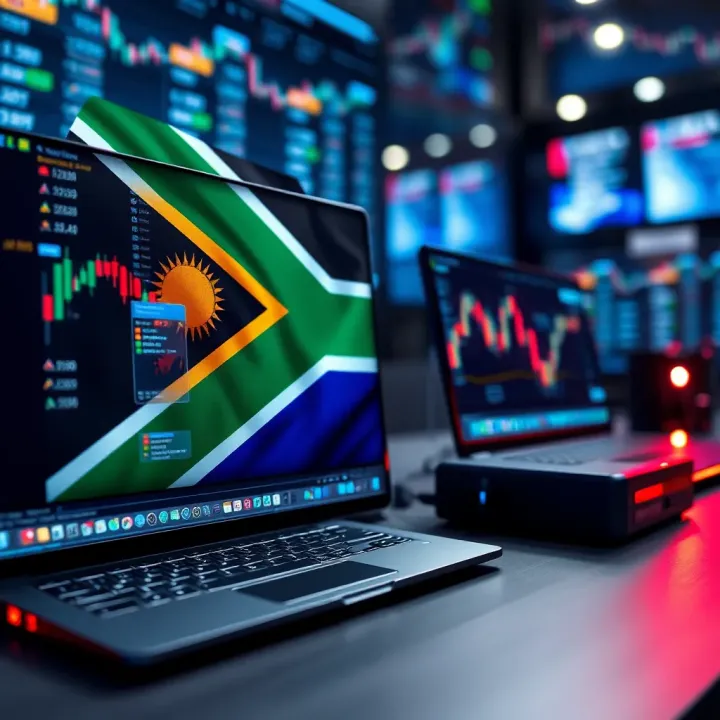
These strategies illustrate that different automated approaches suit different trading goals and risk tolerances. South African traders should choose tools and strategies that align with their resources, market understanding, and time availability.
Overall, grasping how automated forex trading systems operate helps local traders make informed decisions, combining technology with an awareness of market behaviour and regulatory requirements.
Auto forex trading offers several advantages for South African traders but also comes with risks that shouldn’t be overlooked. Automated systems can make trading more accessible and efficient, yet understanding the potential pitfalls is crucial to avoid costly mistakes. This section highlights where these benefits and challenges play out, focusing on practical realities for local investors.
Automated forex trading tools help traders save time by handling routine processes, freeing you to focus on strategy rather than execution. For example, instead of staring endlessly at charts after a long day in Johannesburg traffic, a trader can rely on algorithms to monitor and act on market signals. This is particularly helpful given the 24-hour nature of forex markets across time zones.
The emotional side of trading often leads to rash decisions like panic selling during sudden Rand volatility or getting too greedy during a winning streak. Automation limits these biases by following predetermined rules strictly, reducing human error rooted in emotion. This can be a lifesaver, especially for traders who might react too quickly to local political or economic news impacting the currency.
Speed is a practical advantage where automated forex trading shines. Algorithms can execute orders at millisecond speeds, faster than any human could click a button. In volatile markets like the Rand–Dollar pairing, prices can swing quickly. Auto trading helps ensure you land a trade at the price your system aims for, rather than losing out due to slow manual intervention.
For instance, if Eskom announces an unexpected outage affecting market sentiment, an automated platform can instantly react without lag, locking in profits or limiting losses. This rapid response can mean the difference between a decent trade and a missed opportunity in South African forex markets.
Automated trading relies heavily on technology and connectivity, so glitches, crashes, or power outages can abruptly interrupt trading. In South Africa, where loadshedding schedules are a daily frustration, this risk looms large. Imagine an algorithm trying to close a position during a power blackout—troublesome, to say the least.
Moreover, forex markets can move unpredictably due to geopolitical shifts or sudden announcements. Automated systems can struggle during extreme volatility, often because their programmed parameters don’t account for black swan events. This can cause unexpected losses if algorithms chase false market moves or fail to adapt quickly.
Traders often tweak their automated systems to perform perfectly in historical data tests, a process called over-optimisation or curve-fitting. The catch? Such finely tuned setups often falter in real markets where conditions change. Over-optimisation creates a false sense of security.
False signals are another headache. Automated strategies sometimes act on market noise rather than meaningful trends. For example, a sudden spike caused by a minor news item may trigger unnecessary trades, slashing your balance with commissions and losses. Awareness of these limitations is vital to maintain a realistic approach.
While auto forex trading can save you hours and streamline actions, it is not a set-and-forget solution. Constant vigilance and adjustments remain essential.
By weighing these benefits against the risks clearly, South African traders can make better informed decisions about engaging with automated forex platforms.
Choosing the right auto forex trading platform is critical for South African traders aiming to navigate the currency market efficiently and safely. A reliable platform not only ensures smooth execution of trades but also safeguards your capital against technical glitches and regulatory pitfalls. Poor platform choice can lead to avoidable losses, delays in order placements, or even expose you to scams prevalent in the forex space.
Security measures and regulatory compliance
When picking a trading platform, security must top your checklist. Ideally, platforms should employ encryption protocols like SSL to protect your personal data and transaction details. Equally important is compliance with the South African Financial Sector Conduct Authority (FSCA). This regulatory oversight confirms the platform has met local standards, reducing the risk of fraud. For instance, platforms regulated by FSCA or those partnering with FSCA-licensed brokers provide a layer of consumer protection that unregulated alternatives simply can't match.
User interface and customisation options
An intuitive user interface makes managing trades less of a hassle, especially when markets move fast. Whether you use a desktop platform or a mobile app on your smartphone, smooth navigation helps you respond quickly to market changes. Customisation options are just as crucial — look for platforms that let you tweak algorithm settings or trading rules according to your strategy. Some traders, for example, prefer to adjust risk thresholds or asset filters so that the software aligns better with their personal approach.
Locally accessible tools
South African traders benefit from several auto forex trading tools that can be accessed locally without restrictions or delays. MetaTrader 4 and 5 remain popular choices; their widespread broker support ensures easy integration and quicker trade confirmations. Local forex education platforms and communities often recommend these because they balance advanced features with user-friendliness which suits novices and pros alike.
Integration with major brokers
The ability to link your trading software with well-established brokers is essential. Major South African brokers like IG South Africa, HotForex, and ThinkMarkets usually support popular auto trading software — this integration lets your trades execute instantly and your account data update seamlessly. Without proper integration, you risk slower fills or even failed trades during high volatility. Choosing software that works smoothly with respected brokers gives you a competitive edge as it ensures reliability and efficient capital flow.
Picking the right platform is not just about features; it's a safeguard for your investment and peace of mind in a fast-moving forex market.
By focusing on robust security, working with FSCA-regulated entities, user-friendly design, and broker compatibility, South African traders set themselves up for smarter, safer automated forex trading.
Navigating the regulatory landscape is vital for anyone involved in auto forex trading in South Africa. This sector is not just volatile due to market forces but also tightly overseen by rules designed to protect traders. Understanding these rules can shield you from pitfalls and ensure you trade within legal boundaries.
The Financial Sector Conduct Authority (FSCA) stands as the guardian for financial market conduct in South Africa. It licences brokers and software providers involved in forex trading to make sure they meet essential standards. For instance, anyone offering automated trading platforms must register with the FSCA to signal they comply with local financial laws. This is a practical safeguard for South African traders, who then know they’re dealing with legitimate entities rather than fly-by-night operators.
Beyond licensing, the FSCA enforces consumer protection rules. These are designed to ensure transparency and fairness, such as requiring clear disclosure of risks, fees, and performance claims related to forex trading. If a trader encounters misleading advertising or hidden charges, these rules give grounds for complaint and recourse. It’s reassuring for South Africans entering auto trading – rather than flying blind, there is a watchdog overseeing the operations.
Forex trading, especially with automation involved, attracts its share of scams. Recognising warning signs is crucial: promises of guaranteed profits, high-pressure sales tactics, or requests for upfront deposits without clear contractual documentation should ring alarm bells. Scammers often mimic reputable platforms but lack verifiable FSCA registration or transparent processes.
To protect yourself, due diligence is non-negotiable. Check whether the platform or broker is FSCA-licensed and look up any online reviews or complaints registers. Ask for clear explanations of how their software works and request demos before committing money. Confirm that their customer support is accessible and responsive. Simply put, don’t rush in. Taking a methodical approach to verification reduces the risk of falling prey to fraud.
Staying informed about legal and regulatory requirements is not just bureaucratic hassle — it’s your frontline defence in a fast-moving, sometimes murky market.
South African auto forex traders who take these steps enjoy a safer trading environment, minimise legal exposure, and improve their chances of consistent trading success.
Starting with auto forex trading calls for a clear grasp of what to expect and how to manage your trading system actively. Traders in South Africa need to adjust their approach for local market conditions, including factors like currency volatility and regulatory environment.
Understanding market unpredictability is essential. Forex markets, even when using automated systems, can behave unpredictably due to sudden economic news, political events, or shifts in global markets. For example, unexpected changes in the rand's value during a turbulent SARB monetary policy week can upset automated strategies that were optimised for more stable conditions. Expecting steady profits without fluctuation is unrealistic, so approach trading with patience and the understanding that losses are part of the game.
Importance of ongoing monitoring cannot be overstated. While auto trading software handles execution, it isn’t completely hands-off. Market conditions shift and software can glitch or misread signals. South African traders might face issues related to intermittent internet connectivity or power outages due to loadshedding. Keeping an eye on your system regularly allows you to pause or adjust trading when these factors arise, preventing unnecessary losses or technical failures.
When to intervene is a key skill. There are times when manual input beats letting the robot run unchecked—for instance, during major events like the ANC elective conference or unexpected Eskom load-shedding announcements that force volatility spikes in the rand. Knowing when to switch off or adjust the automated system helps reduce damage during these market shocks.
Balancing automation with personal strategy means using the auto system as a tool rather than a crutch. You might set your software for trend-following but inject your personal insight about local economic data releases or political risks into your decision-making. Combining your judgement with automation allows more flexibility and can keep you ahead of purely mechanical systems that might not catch local nuances.
Remember, auto forex trading is a support mechanism, not a set-and-forget scheme. Real success comes when you keep your eyes peeled and adjust as conditions change.
Following these practical tips helps South African traders navigate the complexities of auto forex trading with more confidence and control, reducing risks and improving long-term results.
Learn the fundamentals of forex trading 📈. Get practical tips on strategies, risk management, and market factors tailored for South African traders 🇿🇦.
Explore how to start free forex trading in South Africa 🇿🇦 with top no-cost platforms, legal tips, essential tools, and risk-smart strategies to grow your skills.
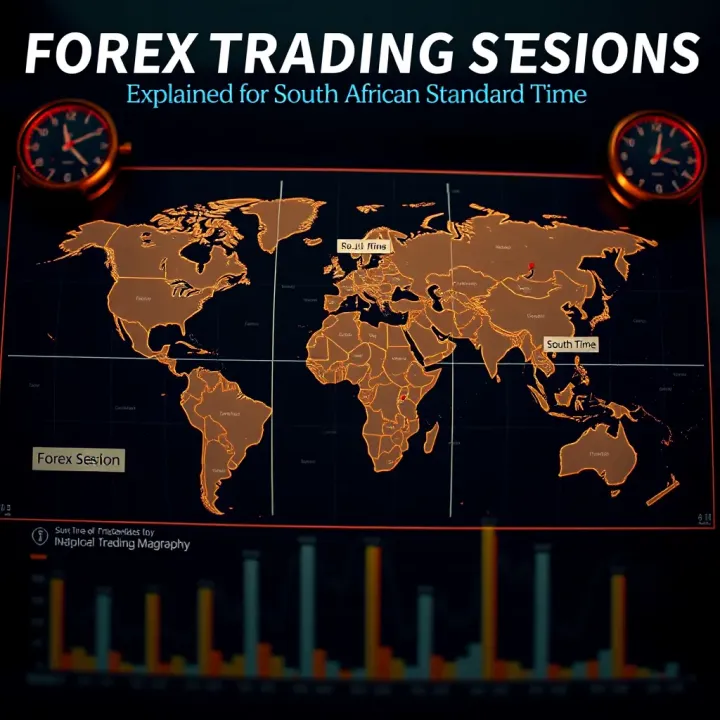
🌍 Learn how global forex trading sessions align with South African time and how to tailor your strategy for better trades during each session. 💹
Discover top forex trading seminars across South Africa 🇿🇦! Learn key skills from trusted experts, choose the right format, and boost your trading game 📈.
Based on 12 reviews