

Complete Guide to Forex Trading Software
Explore forex trading software essentials: types, key features, risks, and expert tips to choose the right tool and boost your trading success 💹🔍
Edited By
Sophie Carver
Understanding when to jump into and out of forex trades can mean the difference between making a profit and taking a loss. For many traders in South Africa, figuring out these entry and exit points feels like hunting for a needle in a haystack, especially with the added factors of Eskom loadshedding and volatile local markets.
Video tutorials offer a practical way to grasp these crucial moments in trading. They show how to spot signals in real time and apply various strategies using charts and indicators. Importantly, good forex videos break down technical jargon into relatable steps, which helps traders avoid costly mistakes.
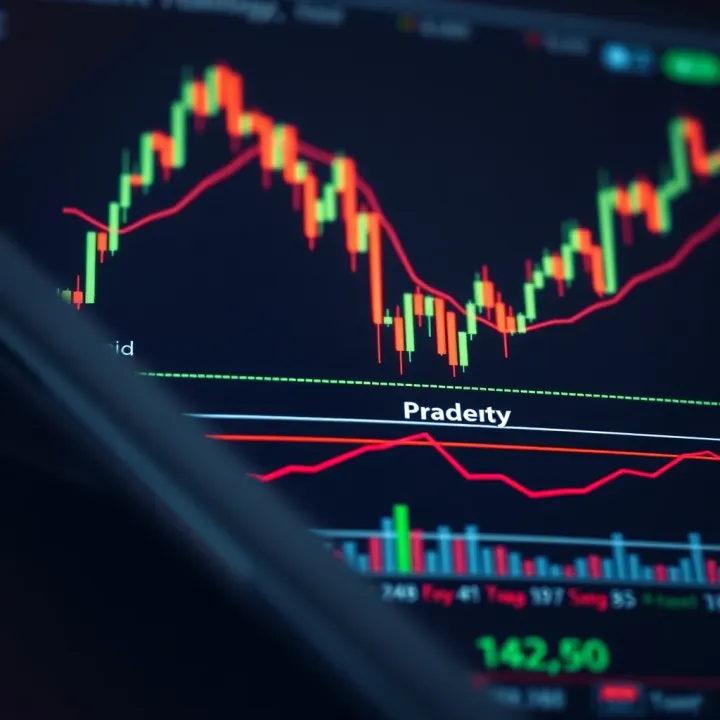
To pinpoint the best entry points, traders often look for specific setups like breakouts, pullbacks, or reversals. For instance, a breakout above a resistance level on the USD/ZAR pair might hint at a good buy opportunity. Exiting trades requires just as much attention; trailing stop losses or hitting predefined take-profit levels are common methods to lock in gains and limit losses.
"Mastering entry and exit points isn’t about guesswork — it’s learning to read the market’s language through patterns and indicators."
A few technical tools frequently demonstrated in videos include:
Moving Averages (MA): Help identify trend direction and smooth out price action.
Relative Strength Index (RSI): Indicates overbought or oversold conditions.
Fibonacci Retracement: Shows potential support and resistance levels for pullbacks.
South African traders should factor in local nuances, such as market hours affected by global trading hubs, the rand’s sensitivity to local news, and volatility during periods like budget announcements or credit rating updates.
Watching videos from credible sources can enhance your skills by showing practical examples—how to react when a technical indicator flashes a signal or how to place stops wisely. By tailoring insights from these tutorials to the South African context, you develop sharper instincts for timing trades.
In this article, you'll get clear guidance on the key concepts video tutorials cover and how to apply them effectively. Armed with this knowledge, your trading decisions won’t just be shots in the dark but informed moves based on observable signals and strategic planning.
Grasping what entry and exit points mean in forex trading is fundamental for anyone serious about making consistent profits. They’re the moments you open and close your trades, shaping the entire success or failure of your strategy. Without nailing these points, even the most robust analysis can fall flat, turning potential gains into losses.
Defining entry points in forex boils down to identifying the exact moment to buy or sell a currency pair. It’s not just about jumping onto a trend blindly but figuring out when the price movement aligns well with your trading plan. For example, entering a trade right after a confirmation of a support level holding can increase your chances of a profitable move.
Then, what constitutes an exit point? It’s the price at which you close your position to secure gains or cut losses. This might be when a predefined profit target is hit, or when market conditions signal that the trend has lost momentum. Exiting smartly preserves capital and prevents your profits from evaporating due to market swings.
Why timing these points matters is easily seen in real-life trades. Being too early or too late can mean catching only a fraction of the move or suffering unnecessary losses. For instance, if you exit a trade prematurely on a minor retracement, you miss out on the bulk of the trend. Conversely, holding on despite clear reversal signals often wipes out previous gains.
Visualising trade setups through videos brings theory to life. Seeing how entry and exit points appear on real charts helps you interpret patterns better than just reading. For example, watching a trader spot a bullish engulfing candle right at a support zone gives you a clearer picture of what to look for in your own trading.
Next, step-by-step walkthroughs break down complex concepts into bite-sized pieces. A video might pause and explain why a stop loss is placed at a certain level or show how to adjust that stop as the trade progresses. This method helps you apply the tactics practically, rather than just knowing the jargon.
Lastly, videos expose you to common pitfalls. They reveal mistakes like chasing a breakout too early or ignoring warning signals from indicators – errors that beginners often make. By watching these pitfalls in action, you learn to recognise and avoid them, saving time and money.
Understanding entry and exit points is not a one-time event. It takes practice, observation, and learning from real examples – which videos deliver efficiently.
Mastering these moments enhances your ability to trade confidently and protects your capital in the volatile forex market. Keep a close eye on how videos demonstrate these ideas; they are some of the best teachers out there.
Selecting the right entry point is a fundamental step in forex trading, directly affecting your chances of profit and risk exposure. Videos that illustrate popular strategies provide tangible guidance, showing how traders identify optimal points to enter the market based on technical and indicator signals. These practical examples are particularly useful for honing timing skills before risking actual capital.
Support and resistance levels mark specific price points where the market historically tends to pause or reverse direction. Traders watch these levels closely, as buying near support or selling close to resistance can increase the odds of entering a trade that moves favourably. Videos often show how these horizontal areas form on charts and how to validate them through price action confirmation.
For example, a forex pair like USD/ZAR might repeatedly drop to R14.50 before bouncing back up, indicating a strong support level. Entering a buy trade just above this line can limit downside risk while positioning for an upswing.
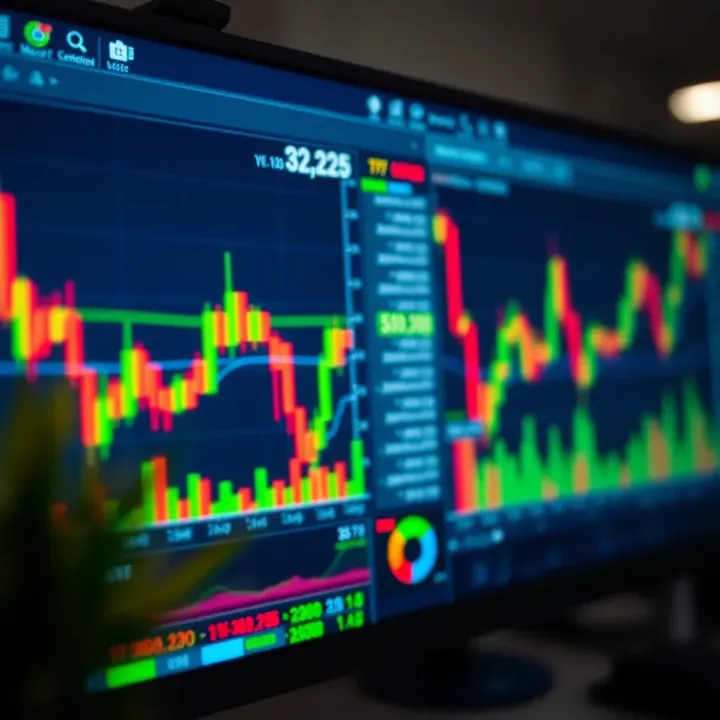
Trendlines connect consecutive highs or lows, visually highlighting the market’s direction. Ascending trendlines suggest bullish momentum, whereas descending ones signal bearish sentiment. Videos demonstrate drawing these lines and using breaks or bounces from them as trade cues.
Chart patterns build on trendlines, showing formations such as triangles, flags, and head-and-shoulders. For instance, spotting a bullish pennant during a strong uptrend might signal continuation, encouraging traders to enter long positions once price breaks the pattern’s upper boundary.
Candlestick charts provide detailed snapshots of market sentiment within a period. Specific formations like the hammer, engulfing pattern, or doji deliver clues about shift in momentum. Videos that highlight these help traders spot entry moments where buying or selling pressure is about to intensify.
A hammer candle appearing at a support zone during USD/EUR trading, for example, might indicate a bottom, offering a low-risk entry before a potential rally. Recognising these formations sharpens decision-making.
Moving averages smooth price data, helping filter noise and reveal trends. A popular method is the moving average crossover, where a short-term average crosses above a long-term one, signalling a potential buy – and vice versa for sell.
Videos often showcase these crossovers on popular forex pairs, explaining the lagging nature of moving averages and stressing patience for confirmation. For example, the 50-day moving average crossing above the 200-day is a classic golden cross used worldwide.
The Relative Strength Index (RSI) gauges overbought or oversold conditions, commonly aiming to predict reversals. An RSI above 70 suggests potential overbuying, meaning a reversal or pullback is near, while below 30 hints at overselling.
Trading videos illustrate how to combine RSI signals with price action to avoid false alarms. Momentum indicators like the MACD provide additional insight by measuring strength of the price move, helping traders decide when to get in.
Bollinger Bands consist of a moving average with upper and lower bands set at standard deviations. They visually represent volatility and potential reversal zones. When price touches a band, traders consider a pullback or reversal likely.
For instance, if the rand gains sharply against the euro and hits the upper band, videos show how traders might hold back on new buys, waiting for a retracement closer to the moving average centreline. Understanding volatility through these bands supports smarter entries.
Effective entry strategies blend technical principles with indicator confirmations. Seeing these applied in trading videos deepens your grasp, helping you time entries with greater confidence and control.
Setting clear exit points is essential to successful forex trading, and videos provide an accessible way to understand these techniques in action. Learning how to identify exit points helps you lock in profits and avoid unnecessary losses. Practical video demonstrations illustrate key concepts like setting profit targets, stop losses, and spotting early exit signals, all of which are vital for managing risk and improving your trade outcomes.
A sound exit strategy always balances potential gains against possible losses. The risk-reward ratio compares the distance between your entry point and stop loss with the distance to your profit target. Typically, traders look for ratios like 1:2 or better, meaning the potential profit is twice the potential loss. For example, if you set a stop loss 50 pips away, your profit target could be 100 pips. Videos often show how this ratio guides decisions, ensuring trades have a favourable payoff before entering.
Recent price highs and lows act as natural markers for setting exit points. A profit target near a prior high suggests the price might struggle to move higher, making it a good place to take profits. Conversely, stop losses placed just beyond recent lows can protect against bigger losses if the market turns. Trading videos highlight ways to spot these levels on charts, demonstrating how to align exits with market structure rather than arbitrary numbers.
Trailing stops shift as the market moves in your favour, locking in profits while allowing for further gains. A trailing stop might follow the price at a fixed distance, for instance, 20 pips below the highest price reached. This method is particularly useful in a trending market, as it adapts without having to constantly adjust your stop loss manually. Several video examples show traders using trailing stops to ride trends longer without exposing themselves to undue risk.
Sometimes exiting early is wiser than waiting for a fixed target. Reversal signals like double tops or hammer candlesticks suggest a shift in market sentiment. Spotting these on a price chart can prevent losses or protect gains. Videos often highlight these signs, showing how a sudden change in candle shapes or patterns alerts traders to potential reversals.
Divergence occurs when price action and indicators like the Relative Strength Index (RSI) or Moving Average Convergence Divergence (MACD) show opposing trends. For example, price might make higher highs, but the RSI forms lower highs, suggesting the momentum is waning. Such divergence can signal an exit point before the price reverses sharply. Videos demonstrate these scenarios using real charts, making it easier to recognise divergences in live trading.
Unexpected news or economic events can quickly change forex market direction. Traders who watch videos showing recent news-driven moves get a sense of how announcements—like SARB rate decisions or unexpected Rand volatility—affect exits. Learning to factor in upcoming events and acting promptly keeps traders from being caught out by sudden swings. Effective trading videos stress awareness and quick decision-making amid breaking news.
Mastering when to exit is as important as when to enter. Videos bring these lessons to life, showing the dynamic nature of forex trading and helping you respond smartly to real-world market changes.
By applying these techniques shown in trading videos, you’ll develop a sharper sense of timing to protect your capital and maximise profits in South Africa's unique forex environment.
Trading videos are a great tool to grasp entry and exit points, but success depends on how you engage with them. To get the most value, you need to go beyond passive watching. Focused, active learning can turn video lessons into real skills, especially when combined with hands-on practice and critical evaluation of content quality.
Start by selecting video sources carefully. Local educators understand South African specifics like Eskom loadshedding schedules that impact trading hours, and the peculiar volatility of the rand. Meanwhile, international educators often bring broad experience, proven methods, and insights into global forex trends. Combining both perspectives gives you a well-rounded view.
Verified track records matter a lot. Look for educators who have a history of successful trading or credible coaching. For instance, some South African traders share verified profit snapshots or performance statistics over months, not just flashy headlines. This can be a good sign they practice what they preach rather than selling hype.
Community feedback offers practical insights into video reliability. Comments and reviews — especially from fellow traders in the South African market — help spot if content is outdated, overly theoretical, or simply inaccurate. Engaging with trading forums or social media groups can also provide recommendations for trustworthy educators and warn against those who might be misleading.
Pausing and replaying tricky segments in videos is essential. Forex trading is complex, and concepts like candlestick patterns or pivot points benefit from repeated viewing. This slow approach helps you internalise methods rather than rushing through and missing subtle details.
Using demo accounts to test what you learn is another practical step. Demo trading platforms offered by brokers such as IG or EasyEquities let you apply strategies in real market conditions without risking capital. This safe practice builds confidence and helps you identify which video lessons actually work in live scenarios.
Recording your personal observations is often overlooked but adds great value. Jot down insights, uncertainties, or patterns you notice from the videos and demo trades. For example, you might pick up that some entries work well during rand volatility spikes but not during quieter periods. These notes become a personalised reference that deepens your trading knowledge.
Investing time in interactive learning methods — choosing reliable educators, replaying tough sections, practising live, and noting down key insights — makes video lessons much more effective than passive watching alone.
Using these tips, you’ll sharpen your skills to identify entry and exit points more confidently and adapt techniques to South African market realities.
Video tutorials have become indispensable tools for South African forex traders looking to sharpen their skills. However, the local market throws specific challenges and opportunities at traders that differ from global contexts. Applying what you learn from videos means tailoring those lessons to match our unique environment—from dealing with Eskom loadshedding to navigating the peculiar swings of the rand. Let's unpack key areas where South African traders need to take special note.
Eskom loadshedding effects on trading hours
Power outages are a reality that can seriously disrupt trading plans. Loadshed schedules vary by region and time, which means your usual trading hours might be compromised unexpectedly. If your internet or trading platform is powered out, you risk missing crucial entry or exit windows. As such, integrating battery backups or a reliable mobile data plan can help sustain your connection during these blackouts. Planning trades around known loadshedding stages also helps protect your positions.
Rand volatility considerations
The South African rand is notoriously volatile, responding sharply to political events, commodity prices, and global risk appetite. This volatility can offer trading opportunities but also raises risk levels. When video lessons focus on entry and exit points, it’s important to remember that movements in USD/ZAR or EUR/ZAR pairs may be exaggerated or sudden. Adjusting stop-loss orders to reflect this volatility and setting realistic profit targets will protect your capital.
Broker selection and regulation in SA
Choosing the right broker isn’t just about fees and platforms; it's about trust and compliance. South African traders benefit from picking brokers regulated by the Financial Sector Conduct Authority (FSCA), which ensures certain protections and transparency. Many global brokers operate here, but if they aren't FSCA-registered, disputes or withdrawal issues can become nightmarish. Integrating your video lessons with knowledge about your broker’s background helps avoid getting caught up in unregulated or shady operations.
Combining technicals with fundamental analysis
Videos often highlight chart patterns and indicators, which are invaluable. But in South Africa, factors like SARB’s interest rate decisions or mining sector output reports can move markets just as decisively. Successful traders blend chart reading with an eye on economic news to validate trade setups. For example, a bullish technical setup on the rand might need confirmation in the form of favourable SARB policy announcements to increase the odds of success.
Keeping track of SARB and SARS announcements
South African Reserve Bank (SARB) statements and South African Revenue Service (SARS) updates have a substantial impact on forex markets. Videos rarely cover these events in depth, so you need to proactively follow these updates. Tax policy changes or inflation reports can swing market sentiment quickly. Aligning your entry and exit decisions with these announcements shields you from unexpected market shocks.
Developing personal trading discipline
Watching videos equips you with strategies, but executing them under pressure calls for discipline. South African trading conditions, including erratic markets and electricity interruptions, test your patience. Cultivating habits like consistently updating your trading journal, setting predefined stop losses, and sticking to your plan amid rand swings makes a real difference. Remember, a good trader in Mzansi is the one who controls emotions more than the one who just knows the indicators.
South African forex trading demands an adaptive mindset. Integrating video lessons with local market realities builds stronger, more resilient trading strategies fit for our unique environment.
Explore forex trading software essentials: types, key features, risks, and expert tips to choose the right tool and boost your trading success 💹🔍
Explore forex trading simulators to practice currency trading risk-free! Learn features, tips, and how to pick the best one for South African traders 📊💱

🌍 Explore key players, market structure, proven trading strategies, risk controls, regulations & economic impact in global forex trading insights. 💹

📈 Learn about forex trading sessions, their timing, key traits, and tips to use session info and PDFs effectively for smarter trading decisions.
Based on 12 reviews