
Forex Trading Tutorials for Beginners and Beyond
📊 Master forex trading with clear tutorials for beginners & pros in South Africa. Learn markets, strategies & risk management to trade confidently!
Edited By
Amelia Turner
Live forex trading can seem a bit daunting at first, especially with the market moving every second. But for South African traders, it offers a chance to engage with the global currency markets in real time, responding quickly to shifts driven by economic data, political events, or even unexpected news.
What exactly is live forex trading? At its core, it means buying and selling currencies instantly on an electronic platform where exchange rates—called "price quotes"—update continuously. Unlike demo trading, where you practice with virtual money, live trading uses actual cash, exposing you to both the potential for profit and real risk.
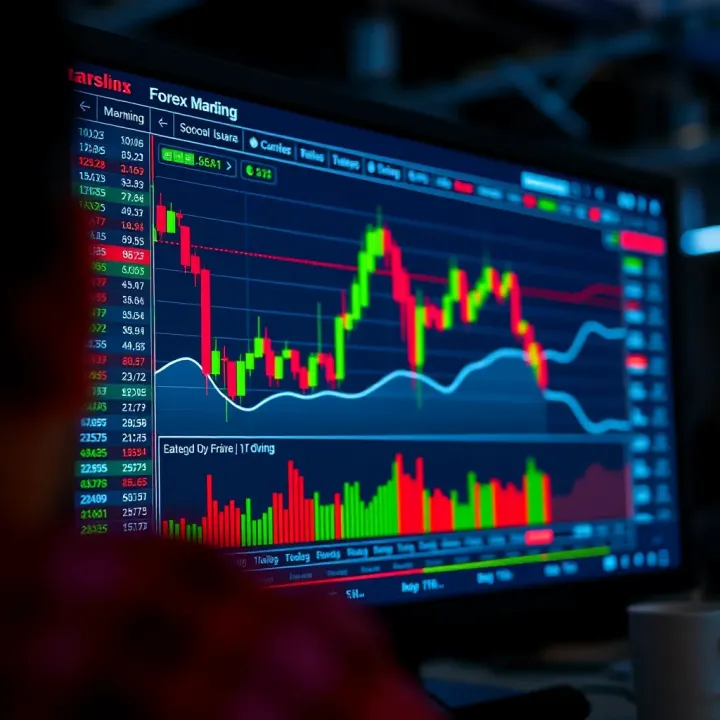
South African traders typically access the forex market through brokers who provide trading platforms connected to the interbank currency market. These platforms show live price streams for currency pairs like USD/ZAR, EUR/ZAR, or GBP/USD. For example, when the South African Reserve Bank (SARB) announces an interest rate decision, it can cause swift moves in the rand's value against other currencies, which you can capitalise on if you're watching live.
Important: Live forex trading isn’t a quick ticket to making money. It demands constant attention, an understanding of market drivers, and disciplined risk management. Many beginners stumble by entering trades without a plan or ignoring trading costs.
Here are key aspects South African traders need to understand before starting:
Market hours: Forex runs 24/5 globally, but your best opportunities might align with overlap times like London and New York sessions.
Leverage: Brokers often offer high leverage, letting you control a large position with a small deposit. While this can magnify gains, losses can also escalate fast.
Costs and spreads: Brokers earn through spreads—the difference between buy and sell prices. Choosing a broker with competitive spreads matters, especially if you trade frequently.
Regulation: Check that your broker is registered with the Financial Sector Conduct Authority (FSCA) for protection against fraud.
Understanding how these elements work together helps you approach live forex trading with confidence rather than guesswork. The rest of this guide breaks down technical tools, analysis methods, and trade management strategies tailored for traders operating in South Africa's unique financial environment.
Understanding how live forex trading operates is key for any trader aiming to engage actively with the currency markets. Unlike delayed trading environments, live trading lets you see real-time price shifts and execute orders instantly. This immediacy can make the difference between seizing a chance or missing it, especially in fast-moving markets like forex.
The forex market never sleeps. It's open 24 hours on weekdays, bouncing across time zones starting from Sydney, through Asia, then Europe, and finally the Americas before looping back. For South African traders operating in the SAST time zone (UTC+2), the busiest hours often align with the London session (9 am to 5 pm SAST) and the New York session (3 pm to 11 pm SAST). Knowing these windows helps you target periods when volume spikes and price movements present opportunities.
Pairs like EUR/USD, GBP/USD, USD/JPY, and USD/ZAR dominate forex volumes, affecting market liquidity and price behaviour. For a local touch, the USD/ZAR pair attracts a lot of attention from South African traders due to its sensitivity to domestic factors like economic data releases, political events, and global commodity prices. These majors often set the tone for other pairs, so tracking their moves gives you an edge.
Liquidity means how easily you can buy or sell a currency pair without moving the price too much. Major pairs like EUR/USD have deep liquidity, resulting in tight spreads, which saves you money on trading costs. Volatility, on the other hand, refers to how much the price swings within a given time. High volatility can mean bigger trading chances but also higher risks. For example, live trading during South African Reserve Bank announcements can see short bursts of intense volatility in the ZAR pairs.
In live forex trading, prices update every second, reflecting demand and supply changes worldwide. This means your orders — whether market or limit — get executed nearly instantly, providing better control over entry and exit points. For instance, if the USD/ZAR pair breaks through a key technical level, you might want to enter a trade immediately, capitalising on momentum.
Live traders rely on constantly updating price charts and tick data, which show every individual trade or price change. This granular info helps identify short-term trends and micro-movements otherwise invisible on delayed feeds. Picture watching a live tick chart of the EUR/USD during a US jobs report release; you’d catch rapid shifts that aid quick decision-making.
News often drives forex prices. In live trading, responding promptly to economic releases — like South Africa’s GDP numbers or US Federal Reserve announcements — can let you profit from sudden price moves. For example, if an unexpected interest rate change comes through, live traders adapt faster, buying or selling before prices settle.
Staying glued to the screen during major news and understanding the market’s rhythm gives live traders an advantage others miss.
Live forex trading demands attentiveness and the right tools but offers South African traders the ability to react swiftly in a global market that never pauses.
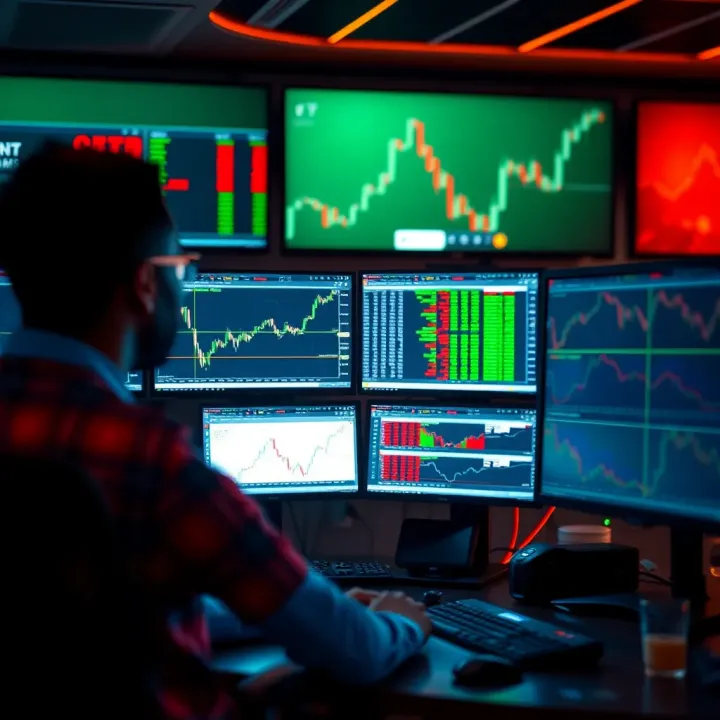
Trading live forex is like navigating a busy street in rush hour—you need the right tools and a solid vehicle to move swiftly and safely. In forex, your platform and tools are that essential gear. They help you catch price movements instantly, analyse trends, and act promptly without losing your footing.
A reliable trading platform should offer fast order execution to match the pace of live forex moves. Look for platforms that support multiple order types, so you can tailor your trades with stop losses or take profits. Easy navigation and a clear layout prevent costly mistakes—imagine missing a market exit because the interface is clunky.
In South Africa, popular platforms like MetaTrader 4 and 5 dominate due to their vast user base and extensive features. Local brokers often supplement these with platforms such as ThinkMarkets or IG, providing services tailored to South African traders like ZAR accounts and direct EFT deposits. This localised approach streamlines the trading experience.
When deciding between mobile and desktop platforms, the choice often boils down to your trading style. Desktop platforms offer more comprehensive charting tools and faster processing, ideal for day traders who need detailed analysis. Mobile apps, meanwhile, provide flexibility for those keeping an eye on the market while commuting or away from their desk. Apps from brokers like FNB Forex or Standard Bank Forex are designed with mobile users in mind, balancing ease of use with powerful features.
Real-time charts and technical indicators are the lifeblood of live trading. They let you track price swings second by second and spot patterns such as candlestick formations or moving average crossovers. Platforms like TradingView, widely used among South African traders, offer extensive customisation and community-shared indicators.
Economic calendars and news feeds keep you informed about events like SARB rate decisions or US unemployment data releases, both of which can send ripples through currency pairs like USD/ZAR. Having immediate access to such information lets you anticipate market reactions rather than react after the fact.
Automated alerts and trade management features help you stay on top of your trades without staring at screens all day. You can set alerts for price levels or scheduled news releases, so you don’t miss crucial moments. These tools, available on many platforms, also assist in managing risk by automatically adjusting stops or closing trades when conditions are met. This automation is particularly useful during South African peak hours when other commitments might distract you.
Effective use of tools and a reliable platform can be the difference between chasing the market and leading it.
In live forex, every second counts, and your platform, along with its suite of tools, provides the backbone for confident, informed trading decisions in South Africa's fast-changing markets.
Successful live forex trading hinges on adopting practical strategies and techniques that respond swiftly to market shifts. Unlike long-term investing, live trading demands quick interpretation of real-time data and flexible tactics. This means relying on proven analysis methods and adapting to sudden price changes with confidence.
Reading candlestick patterns offers visual cues about market sentiment within short time frames. For example, a hammer pattern often signals a possible price reversal after a downtrend, which can alert you to enter a buy position before prices climb. Spotting patterns like dojis or engulfing candles helps traders anticipate momentum shifts, crucial when seconds can make a difference.
Utilising moving averages and oscillators can clarify short-term trends amid noisy price action. A moving average crossover, such as when a 50-period moving average crosses above the 200-period, might indicate a bullish trend starting. Meanwhile, oscillators like the Relative Strength Index (RSI) highlight overbought or oversold conditions. If RSI drops below 30, it suggests the currency pair could bounce back soon, offering an entry point.
Identifying support and resistance levels anchors trading decisions by marking prices where supply or demand flip. Support levels often act as a floor, halting downward moves, while resistance caps price rises. For live traders, entering at support and exiting near resistance, or vice versa, can lock in profits efficiently. In volatile markets, these levels allow you to set precise stop losses to limit downsides.
Tracking economic releases impacting currencies is vital during live sessions. Important data like South Africa’s repo rate decisions or US non-farm payroll numbers can swing rand-related pairs sharply. Knowing specific release times helps prevent unexpected losses or spot short-term momentum. Many traders use economic calendars synced with local time to plan trades around these events.
Understanding geopolitical risks adds context to sudden market moves. Events such as unexpected political announcements in Gauteng or shifts in US trade policy affect currency strength in unpredictable ways. When international tensions rise or key local elections approach, price volatility often spikes, so recognising these risks helps protect your trades.
How live news affects price action cannot be overstated. Breaking news about economic sanctions or central bank statements ripple instantly through markets. During these moments, prices can leap or plunge in seconds, so having access to real-time news feeds and reacting calmly is essential. For instance, a sudden downgrade by a credit rating agency might weaken the rand immediately, prompting rapid adjustment.
Mastering both technical and fundamental analysis equips you to navigate the fast-moving live forex arena with precision and control, turning challenges into opportunities.
Managing risks and emotions is crucial for live forex traders, especially in fast-moving markets where decisions must be clear and timely. Poor risk management can lead to significant losses, while unchecked emotions often result in impulsive trades that defy a trader’s strategy. South African traders must understand that solid risk controls and emotional discipline safeguard capital and help maintain consistent performance.
Setting stop losses and take profits ensures that a trader’s losses and gains are controlled without having to monitor the market constantly. For example, a stop-loss order automatically closes a position if the price moves against the trader by a predetermined amount, preventing runaway losses during sudden price swings. Take-profit orders, conversely, secure profits once a target price is reached, avoiding the temptation to stay in a trade too long and lose gains.
Determining optimal position sizes is about adjusting the trade volume to suit the trader’s total capital and risk appetite. Instead of risking, say, 10% of the account on a single trade, which is risky, many experienced traders limit risk per trade to 1% or 2%. This way, even multiple losses won't dramatically affect the overall capital. For instance, if a South African trader has R50,000 to trade, risking R500 per trade (1%) keeps losses manageable.
Avoiding overtrading during volatile periods helps prevent emotional decision-making. Volatility might tempt traders to jump in repeatedly to catch every price move, but this often leads to mistakes. During major economic releases like SARB interest rate announcements or unexpected political events, prices can swing wildly. Staying patient and reducing trade frequency during such times protects the account from unpredictable moves and rash losses.
Maintaining discipline under pressure means sticking to your trading plan even when markets move unexpectedly. Fear or excitement can provoke hasty exits or chasing losses, commonly seen during loadshedding or unexpected forex rate shifts affecting the rand. Traders who maintain discipline acknowledge losses as part of the game and don't deviate from tested strategies.
Recognising common trading biases such as confirmation bias (only seeing info that supports your view) or loss aversion (holding losing trades too long to avoid admitting defeat) is vital. Understanding these psychological pitfalls helps traders avoid costly errors. For example, blindly doubling down on a losing rand-dollar position hoping for a rebound can wipe out months of gains.
Developing a routine for consistent decision-making provides structure amid the chaotic forex environment. This might include reviewing key economic data before trading, setting clear entry/exit rules, and taking regular breaks to reassess. Establishing a routine mirrors the discipline in other professional fields, like a pilot running pre-flight checks. It cuts down emotional noise and focuses on logic.
Sound risk management and emotional control aren’t optional extras for live forex traders—they’re the foundation for long-term success. Without them, even the best strategies can fail under pressure.
By applying these methods, South African traders can navigate the complexities of live forex markets more confidently, preserving their capital and building steady trading skills.
Starting live forex trading in South Africa requires more than just an internet connection and some capital. It’s vital to understand the local regulations, choose brokers who cater to South African needs, and sharpen your trading skills before risking real money. By focusing on these aspects, traders can safeguard their interests and approach the volatile forex market with greater confidence.
The Financial Sector Conduct Authority (FSCA) is South Africa's watchdog for financial services, including forex trading. Choosing a broker registered with the FSCA ensures you’re dealing with a company that meets specific compliance standards, reducing the risk of scams. For instance, FSCA-regulated brokers must separate client funds from their own accounts — a safety net if the broker runs into financial trouble. Trading with an unregulated broker, on the other hand, can leave you vulnerable to unfair practices and difficulties withdrawing your money.
Brokers focusing on the South African market often provide features such as Rand (ZAR) accounts and deposit methods popular locally, like bank transfers through FNB or Capitec. They might also support RICA-compliant ID verification processes. These tailored services make deposits and withdrawals smoother, reduce forex conversion costs, and add convenience. For example, having a Rand trading account avoids constant currency conversion fees when funding a forex account.
Spreads and fees directly affect a trader’s profitability. South African traders should look for brokers offering competitive spreads on major pairs like USD/ZAR and EUR/USD. Be aware that very tight spreads can come with higher commissions or inflated swap fees. Leverage options also matter: while local regulation might cap leverage, brokers sometimes offer margin accounts allowing more exposure. Always check for hidden fees such as withdrawal charges or inactivity penalties – these can slowly eat into your gains over time.
Demo accounts provide risk-free environments to test strategies in live market conditions without risking real money. South African traders should use these accounts to familiarise themselves with platform tools, order types, and how spreads fluctuate during high-impact news releases. Practising on platforms like MT4 or MT5 with virtual funds can help you build muscle memory and improve your reaction time before stepping into live trades.
Several brokers and online platforms offer educational material suited for all levels, often including webinars, tutorials, and market analyses relevant to the South African market. Additionally, joining local trading communities or discussion groups, whether on social media or forums like MyBroadband, allows traders to share insights and stay updated on market developments. For example, discussing Eskom’s impact on the Rand can provide a critical edge during unpredictable periods.
Jumping straight into large live trades can be risky. It's smarter to start with small trade sizes, even if you have adequate capital, and increase exposure as your confidence and skills grow. This approach helps manage emotional stress when losses occur and allows you to tweak your trading plan based on real market responses. For instance, a trader might begin with 0.01 lots and slowly increase to 0.1 lots over a few weeks, observing how they cope with volatility.
Trading live forex in South Africa demands patience, smart broker choices, and steady skill-building. By taking practical steps, you reduce risks and set yourself that much closer to consistent success.
📊 Master forex trading with clear tutorials for beginners & pros in South Africa. Learn markets, strategies & risk management to trade confidently!
🔐 Securely log in to forex trading platforms with confidence. Get practical tips for South African traders on account security, setup, troubleshooting & smooth access.
Learn how South African traders can start forex trading with zero upfront costs 💹. Discover free demo accounts, key strategies, and risk tips to trade smart.
Find the best forex trading apps for South African traders 🇿🇦. Compare features, ease of use, and safety tips to trade currencies smartly and securely. 💸📱
Based on 10 reviews