

Game Trading Hours in South Africa Today
📈 Get detailed insights into South Africa's game trading hours, key markets timing, timezone effects, plus tips to navigate market changes effectively.
Edited By
Charlotte Hughes
South Africa's liquor trading hours vary quite a bit across provinces and municipalities, shaped by national laws and local bylaws. Getting a clear picture is crucial for traders, investors, and analysts who want to understand the regulatory framework that affects this sector.
At the heart of liquor trading hours is the Liquor Act, which sets the overarching legal limits but allows provinces to tailor rules to local needs. As a result, the opening and closing times for liquor retailers, taverns, and clubs can differ depending on where you are.
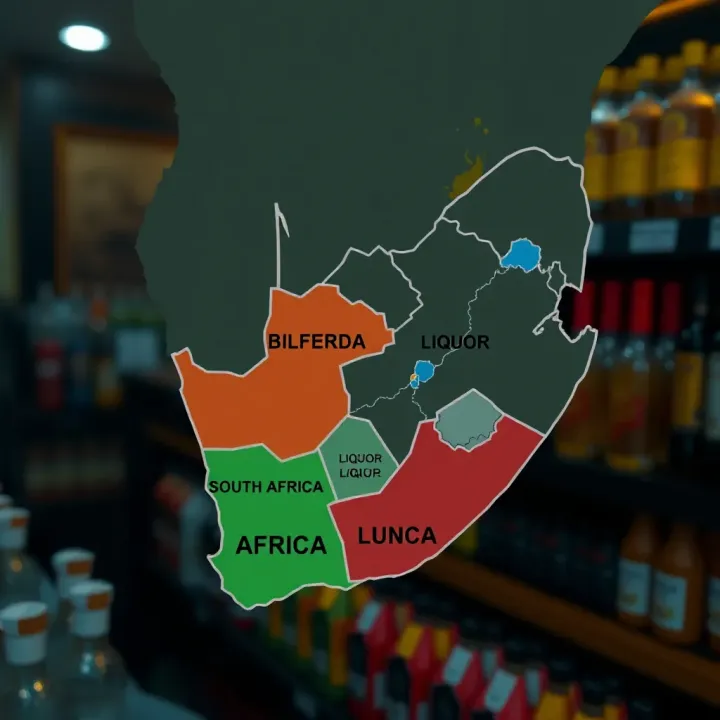
For example, in Gauteng, liquor may be sold from 9 am to 5 pm during weekdays, but on weekends, municipalities often extend these hours to 9 am to 11 pm or later. Conversely, Western Cape tends to offer more lenient hours, especially in Cape Town, where some areas permit sales up till midnight. KwaZulu-Natal generally enforces stricter times, typically closing sales by 9 pm.
Licensing is a critical element here. Every venue or retailer must hold a valid liquor licence, which stipulates not only operating hours but also the types of liquor they may sell. These licences are granted and monitored by provincial liquor boards, which respond to both public health concerns and local community preferences.
Changes to liquor trading hours often arise from attempts to curb alcohol-related social issues, including violence and public health crises. For instance, during the COVID-19 pandemic, several provinces imposed curfews on liquor sales or outright bans to reduce gatherings and strain on health facilities.
Understanding these shifts is vital. Recent amendments have led some retailers to adjust their business hours several times within a year, posing challenges to stock management, staffing, and profitability.
Key points to consider:
Liquor trading hours depend on provincial legislation and municipal bylaws
Licences specify allowed operating times and types of liquor sold
Recent health emergencies have triggered temporary restrictions and bans
Variations between provinces affect investment potentials and risks
Navigating South Africa's liquor trading time regulations demands close attention to both national frameworks and local fluctuations. Staying updated helps industry players avoid compliance issues and make the most informed operational decisions.
Understanding liquor trading hours is essential for traders, investors, and financial analysts who navigate South Africa’s diverse market. These hours not only dictate when alcohol can be legally sold but also affect business turnover, staffing, and compliance costs. For example, a retailer in Johannesburg must align operations with Gauteng’s specific rules which may differ from those in the Western Cape or KwaZulu-Natal. Knowing these hours helps businesses optimise stock management and marketing activities, while investors assess potential revenue streams more accurately.
The Liquor Act 59 of 2003 establishes the national framework for liquor regulation in South Africa. It sets broad principles for lawful sale and consumption but leaves detailed trading hours and licensing to provincial authorities. This means the Act provides the skeleton, ensuring uniformity in licensing criteria and general conduct but allows regional variations reflecting local social and economic conditions. In practice, this means traders must comply with national standards such as age restrictions (18 years and older) while familiarising themselves with province-specific rules.
Each province has its own liquor board or licensing authority responsible for setting and enforcing trading hours within its borders. For instance, the Western Cape Liquor Authority regularly reviews trading hours in Cape Town and surrounding areas with a focus on reducing alcohol-related crime. Provincial governments balance commercial interests with public health and safety considerations, leading to diverse regulations across the country. Traders must stay updated on provincial notices, as trading hours can change with new policy or during particular events such as festive seasons or emergencies.
Retail liquor outlets generally have fixed operating windows, often between 09:00 and 21:00 on weekdays, with some provinces extending hours into the evening. For example, in Gauteng, many stores are allowed to operate until 10:00 pm, but smaller location-based restrictions may apply, especially in township areas. These hours give retailers a predictable framework yet demand strong adherence to avoid penalties. Knowing these limits ensures businesses can plan deliveries, staff shifts, and promotional events without risking non-compliance.
On-consumption venues like bars and restaurants typically enjoy more extended trading hours. Provincial rules often permit serving alcohol until midnight or 02:00 am, recognising their role in hospitality and tourism. As a case in point, in the Western Cape, venues can serve until 02:00 am, but some adjacent residential areas may impose curfews to limit noise and disturbances. For investors and hospitality businesses, understanding these variations helps in site selection and managing community relations effectively.
Knowing the legal landscape of liquor trading hours across provinces is not just compliance—it’s a cornerstone for strategic business decisions and risk management in South Africa’s dynamic market.
Understanding how liquor trading hours vary across South Africa’s provinces matters for anyone involved in the liquor trade, whether you’re a retailer, investor, or analyst. Provinces have the power to tailor their liquor trading hours to local needs and challenges, which means the rules in one area can differ quite a bit from another. This creates both opportunities and challenges: traders must stay in the know to remain compliant and seize market advantages, while investors can better assess regional risk and growth potential.
In the Western Cape, liquor stores generally operate between 09:00 and 19:00 on weekdays and Saturdays, with limited or no trading on Sundays, depending on the local municipality rules. On-consumption venues like bars and restaurants typically have extended hours, often allowed to trade until midnight or 02:00 am, reflecting the Cape’s active hospitality scene. This flexibility supports the province’s tourism-driven economy and vibrant nightlife.
Recently, the province introduced temporary restrictions tied to public health concerns, including reduced trading hours during the pandemic peaks. For instance, liquor sales were banned after 8 pm at some points to curb social gatherings. While most of these measures have eased, some municipalities maintain stricter hours to balance economic activity with public safety. Traders should keep an eye on local announcements, as these temporary rules can shift with evolving circumstances.
Gauteng, being the commercial hub, offers varied liquor trading hours with standard retail sales permitted from 09:00 to 21:00 on weekdays and Saturdays, but often shorter on Sundays. Licensed venues often enjoy longer operating hours, usually stretching till 02:00 am, especially in metropolitan areas like Johannesburg and Pretoria. These hours reflect higher demand and stricter regulatory oversight.
Notably, trading hours show marked differences between Gauteng’s urban centres and township areas. Some townships enforce earlier closing times or more restrictive licensing conditions due to concerns over alcohol-related social issues. This variation means businesses in townships face distinct operational challenges compared to their city counterparts, affecting staffing, security, and sales volume.
KwaZulu-Natal and Eastern Cape have their own nuances around trading hours. KwaZulu-Natal generally permits retail outlets to sell liquor between 09:00 and 19:00 Monday to Saturday, with tight restrictions or bans on Sunday sales in some municipalities. On-consumption venues might have trading extending till midnight but are frequently subject to additional controls in townships or rural areas to curb alcohol abuse.
Eastern Cape imposes similar limits but tends to have more conservative trading hours in many local municipalities, shaped by socio-economic factors and community input. This can affect profitability for traders who must adapt promotion and staffing to shorter operating hours.
In the Northern Cape and Free State, trading hours reflect a blend of urban and rural policies. Northern Cape allows liquor sales mainly between 09:00 to 18:00 or 19:00 but varies widely by town, with some rural towns adopting very restrictive hours. The Free State often permits trading till 21:00 on weekdays and Saturdays, with more limited Sunday options. For businesses, this means adjusting plans to local legislation and customer habits to optimise trading opportunities.
Traders and investors need to stay updated on these provincial differences since they directly influence sales volumes, overhead costs, and compliance risks. Understanding local rules can spell the difference between smooth operations and costly penalties.
Check local municipality notices regularly, as trading hours can change.
Tailor operating hours strategically to match market demand and legal limits.
Budget for additional compliance and security costs in areas with stricter rules.
By keeping a finger on the pulse of provincial regulations, businesses and stakeholders can navigate South Africa’s liquor trading landscape more confidently and responsively.
Liquor trading hours in South Africa significantly influence both the operational success of businesses and the daily lives of consumers. Understanding this impact helps traders, investors, and financial analysts grasp how regulatory hours shape market behaviour and community dynamics.
The alignment of sales patterns with trading hours is a key factor for retailers and licensed venues. For instance, in provinces like Gauteng, where liquor stores close earlier in township areas compared to city centres, businesses must adapt their stock and staffing to peak buying times. Premises often see sales spike shortly before closing, impacting cash flow and inventory management.
Peak sales usually align with weekends and late afternoons when consumers unwind, but strict trading hours may restrict opportunities. Bars and restaurants, especially those in tourist-heavy spots such as Cape Town’s V&A Waterfront, depend heavily on extended trading hours to maximise revenue during holiday periods or events.
Small and informal businesses face particular challenges under these regulations. Many informal spaza shops rely on flexible hours to serve neighbourhoods, but provincial restrictions can limit their ability to meet demand during evenings or weekends. This often pushes customers towards unlicensed vendors, affecting legitimate traders’ income and local tax revenue.
Moreover, compliance costs such as securing licences and altering operating hours add financial strain to small operators. For informal traders, these hurdles may discourage formal registration, widening the gap between official and unofficial liquor markets.
Restrictions on liquor trading hours are closely linked to efforts to mitigate alcohol-related crime and improve public safety. Evidence from provinces like KwaZulu-Natal shows a drop in late-night offences when trading hours are curtailed, reflecting fewer opportunities for overconsumption at unsociable hours.
That said, enforcing these hours requires community cooperation to be effective. Residents’ feedback often shapes local licensing boards’ decisions, with some communities opting for tighter controls to address alcohol abuse problems.
Community involvement also fosters a sense of shared responsibility. When local people participate in setting or reviewing trading hours, it improves compliance and supports initiatives aimed at reducing social harms linked to alcohol.
Liquor trading hours are not just about business—they’re about balancing economic interests with community wellbeing and safety.
In short, understanding the nuances of trading hours helps stakeholders plan better. Investors can identify provinces where extended hours may boost profits, while policymakers can tailor rules that support businesses without compromising public order. For traders, staying informed on these impacts is key to navigating South Africa’s diverse liquor landscape effectively.
Recent adjustments to liquor trading hours have significantly impacted the industry landscape in South Africa. Understanding these changes is vital for traders, investors, and analysts aiming to navigate regulatory shifts effectively. These temporary restrictions often reflect wider social and health priorities, influencing business operations, consumer behaviour, and local economies.
During the peak of the COVID-19 pandemic, South Africa imposed stringent liquor bans to limit social gatherings and curb the spread of the virus. These bans halted alcohol sales entirely for various periods between 2020 and 2021, affecting both retailers and licensed venues. For instance, supermarkets and bottle stores faced extended closures during lockdown levels 4 and 5, while bars and restaurants operated under strict capacity and timing constraints.
The bans caused notable shifts in consumer purchasing patterns, with a surge in illicit liquor trade as a side effect. Businesses dependent on alcohol sales endured significant revenue losses, particularly small traders and township retailers. These developments also prompted calls for clearer guidelines and earlier communication surrounding temporary restrictions.
Currently, most COVID-19-related restrictions on liquor trading hours have been lifted, restoring pre-pandemic operating times in most provinces. However, some municipalities retain discretion to impose localised limits during outbreaks or public health alerts. Traders should keep abreast of municipal announcements and Department of Health advisories to ensure compliance.
While the bulk of pandemic-related restrictions have ended, vigilance remains key as authorities retain the option to reinstate measures if necessary.
Festive seasons such as December and Easter often see adjusted liquor trading hours to accommodate heightened consumer demand. Certain provinces extend retail hours to manage increased sales volumes during these periods, while others impose stricter limits to minimise alcohol-related incidents.
For example, Western Cape typically allows longer trading hours leading up to Christmas, yet enforces tighter controls on New Year’s Day to reduce public disorder. This balance aims to support business opportunities while safeguarding community safety.
Special occasions and public holidays may also prompt specific regulations, including complete bans or restricted sale times. During Heritage Day, some municipalities restrict sales in sensitive areas to prevent crowding and keep public peace. Traders should verify these regulations ahead of events, often communicated through provincial liquor boards or local councils.
These seasonal and event-based changes highlight the need for agile business planning. Traders equipped with thorough knowledge of temporary timing adjustments can optimise stock levels, staffing, and marketing strategies while staying within legal boundaries.
Overall, recent and temporary changes in trading hours serve as an important consideration for those involved in South Africa’s liquor sector. Staying informed and adaptable remains essential to operating successfully amid evolving rules and public priorities.
For liquor traders in South Africa, understanding licensing and compliance is a matter of survival and success. Without the proper licences, the risk of hefty fines or closure looms large. Moreover, navigating the regulatory landscape ensures businesses run legally, minimising disruptions and protecting reputation.
Different types of liquor licences exist depending on the nature of the business. For example, a retail liquor store requires a different licence than a bar or restaurant that serves liquor on-site. The main categories include retail licences, on-consumption licences, and micro-manufacturing licences. Each license has specific requirements governed by the Liquor Act and provincial amendments, such as proof of suitability of premises, background checks, and compliance with zoning laws.
Applying for the correct licence type is crucial. A small convenience store in Gauteng can’t legally sell alcohol for on-consumption unless it holds the appropriate licence. Failing to match licence type with trading activities can cause legal headaches and potential closure.
The trading hours permitted are closely tied to licence conditions. For instance, a bar operating under an on-consumption licence may only sell alcohol during specified hours set by the provincial liquor board, restricting late-night sales or early morning trading. These conditions form part of the licence and traders must adhere strictly, or they risk penalties or licence suspension.
Licences also often come with conditions about the location and the type of clientele allowed, which impact how and when liquor can be sold. Traders should keep updated on any provincial adjustments or special restrictions, such as those introduced seasonally or during public health emergencies.
Law enforcement agencies and liquor licensing boards play critical roles in monitoring compliance. The South African Police Service (SAPS) often works alongside liquor boards and municipal officials to conduct inspections and respond to complaints. These bodies enforce adherence to both licensing terms and trading hour restrictions.
Strict enforcement means traders caught operating outside permitted hours or without a valid licence face penalties. Common punitive measures include fines, temporary closure, confiscation of stock, or, in extreme cases, revocation of the licence altogether.
For example, a Gauteng shebeen caught selling liquor after hours might be fined several thousand Rand and could lose its licence if it repeatedly breaches regulations. This not only affects immediate business but can also impact future licensing applications.
Staying compliant is not just legal insurance – it protects your investment, reputation, and relationship with the community.
Understanding the licensing requirements and enforcement landscape helps liquor traders plan their operations and avoid costly interruptions. Staying ahead by keeping licences up to date and strictly following trading hours safeguards the business and contributes to a safer marketplace for all.
📈 Get detailed insights into South Africa's game trading hours, key markets timing, timezone effects, plus tips to navigate market changes effectively.
⏰ Discover gold trading hours in South Africa, how global markets impact you, and tips to trade smart using local timings and platforms.📈

📉 Learn when to trade forex in South Africa! Discover global market hours, time zone effects, top trading times, and tips to boost your local strategy.

Discover gold trading hours important for South African investors ⏰ Learn how global markets, session timings, and local platforms influence your trade decisions 📈
Based on 14 reviews