
Understanding Margin in Forex Trading
📊 Understand margin in forex trading: how much money you need to open and maintain positions, manage risks, and spot opportunities effectively.
Edited By
Sarah Mitchell
Forex trading, often seen as the world’s biggest financial market, has been around for decades, shaping economies and offering countless opportunities for traders worldwide. But the big question is: will it last forever? Given the rapid shifts in technology, changing regulations, and ever-evolving market forces, it’s worth taking a closer look.
This article zeroes in on what makes forex trading tick, tracing its history, current trends, and where it might be headed — especially in places like South Africa where the financial landscape is shifting fast. Traders, investors, and financial analysts stand to gain from understanding the factors that could impact forex markets in the years to come.
Expect a clear, practical breakdown of:
How technological advances are reshaping forex trading platforms and strategies
The role of global and local regulation in shaping market practices
Emerging risks and challenges that could affect durability
What these changes mean for anyone involved in forex, from beginners to pros
Forex isn’t just about currency swaps; it’s a window into global economic health, political shifts, and tech progress. Knowing its past and present helps forecast whether it’s here to stay.
This guide aims to give you a solid grounding and actionable insights, cutting through the noise to focus on what really matters if you’re navigating forex now or down the road.
Understanding the basics of forex trading is essential for anyone looking to navigate the world of currency markets, especially as this sector evolves. For traders, investors, and financial analysts in South Africa, where the rand plays a crucial role in global currency exchanges, a solid grasp of the foundations can make all the difference between success and confusion.
Forex trading involves the exchange of one currency for another, functioning as the largest and most liquid financial market worldwide. Its significance lies not only in currency speculation but also in facilitating international trade and investment. Knowing the ropes helps participants anticipate market movements, manage risks, and tackle volatility effectively.
Moreover, by introducing forex trading within this article, we set the stage to dissect its history, development, and the forces shaping its future. This context is vital for identifying whether forex trading will withstand the shifts in global economics and technology or face decline.
A clear introduction simplifies complex concepts and invites readers to explore how forex remains relevant amid shifting economic policies, technology upgrades, and regulatory landscapes. From bankers in Johannesburg to retail traders in Cape Town, knowing these basics amplifies confidence and strategic insight.
Forex trading, short for foreign exchange trading, is the process where participants buy and sell currencies against one another. Unlike stock trading, forex occurs over the counter, meaning transactions happen directly between parties worldwide rather than through centralized exchanges.
For example, if a South African trader buys euros with rands hoping the euro strengthens against the rand, they stand to profit from that currency movement. Traders can speculate on dozens of currency pairs, like USD/ZAR or EUR/USD, depending on market conditions and economic trends.
Daily forex trading volume exceeds $6 trillion globally, highlighting its importance to financial markets. The market runs 24 hours a day, five days a week, due to overlapping time zones across financial hubs including London, New York, Tokyo, and Sydney. This round-the-clock nature provides constant opportunities but also challenges, such as managing exposure during volatile periods.
Unlike other investments, forex trading often leverages high financial gearing, which amplifies both gains and losses. For this reason, understanding bid-ask spreads, market orders, and price momentum becomes indispensable.
At its core, forex trading is about exchanging one currency for another and profiting from price differences — a concept simple in theory but nuanced in practice.
The forex market’s roots trace back centuries, but it truly took modern shape after World War II with the Bretton Woods Agreement. Countries fixed their exchange rates to the US dollar, which was convertible to gold, providing a stable international monetary system.
This system collapsed in the early 1970s, leading to the floating exchange rates we see today. Since then, currencies have fluctuated based on supply and demand, economic conditions, and geopolitical events. This shift opened the door for the lively and decentralized forex market.
In the 1980s and 1990s, technological advances sparked the rise of electronic trading platforms, allowing individual traders and smaller firms to access forex markets without hefty fees or large capital from traditional banks. Companies like Reuters and Bloomberg introduced real-time forex price feeds, powering faster decisions.
One can recall a peculiar example in the late 1990s when George Soros famously "broke the Bank of England" by short-selling the pound sterling, profiting over a billion dollars. This event exemplifies the market’s vast scale and influence.
Today, forex trading integrates sophisticated algorithms and mobile apps, making it accessible globally. South African brokers like IG Markets and ForexTime (FXTM) offer platforms where traders can participate with relatively low barriers.
In summary, forex’s historical journey from fixed rates to digital, around-the-clock trading reflects the market’s resilience and continual adaptation — key factors in its persistence.
This section lays the groundwork to better understand why forex trading remains such a hot topic and what underpins its potential to last or fade in the future.
Forex trading has been around for decades, but what keeps it ticking year after year? In this section, we'll unpack the key elements that help sustain forex trading's relevance and endurance. These factors aren't just buzzwords—they have practical effects on how traders and investors interact with the market day-to-day, especially in a dynamic and sometimes unpredictable environment like South Africa's financial scene.
At the heart of forex trading’s staying power lies the constant demand for currency exchange. Every day, businesses, governments, and individuals need to swap currencies to facilitate international trade, investments, travel, and remittances. Take South African exporters selling goods to the US or Europe—they rely heavily on forex markets to convert their earnings back to rand, ensuring they can sustain operations and pay local workers.
Currency demand isn’t just about commerce, though. Central banks constantly intervene in forex markets to stabilize their currencies or respond to economic changes. This why forex trading stays active regardless of market sentiment; there’s always a practical need to buy and sell currency somewhere.
Technology has shaped how the forex game is played, making it more efficient and accessible. Two big pieces stand out here:
Algorithmic trading means computers execute trades based on pre-set rules and data analysis without humans hitting the "buy" or "sell" button manually. This automation speeds up transactions and minimizes emotional decisions, which often tank profits. For example, forex funds often use algorithms to spot tiny price differences across platforms and exploit them in milliseconds, a process called arbitrage.
Automation also lowers costs and opens entry points for retail traders. Instead of waiting on brokers or suffering from lag, people can program their strategies, poke around with bots, and stay in control. With the market's lightning-fast pace, automation isn’t just a luxury anymore—it’s a necessity.
Remember when trading required sitting in front of a bulky desktop setup? That's ancient history now. Smartphones and app-based platforms like MetaTrader 4 and 5, as well as brokers such as IG or Plus500, have made forex trading literally a finger tap away.
For many South African traders hustling between jobs or family duties, mobile trading means they don’t have to miss out. With real-time price alerts, instant order placement, and up-to-date news, traders can react fast to market moves anywhere, anytime. This ease of access boosts participation, which in turn keeps liquidity humming.
A strong regulatory environment acts like the backbone of any healthy financial market. In places like South Africa, bodies such as the Financial Sector Conduct Authority (FSCA) set standards that protect traders from fraud and abuse while promoting transparency.
Clear rules and enforcement reassure investors that the market is fair, limiting rogue brokers and shady practices. This kind of stability encourages long-term participation from both retail and institutional players. For instance, when regulations crack down on high-risk leveraged products, traders might initially complain, but in the long run, they avoid disastrous losses.
Stable regulatory frameworks also help integrate forex with broader financial markets, attracting institutional money that values security and predictability. Without these guardrails, forex trading risks becoming a wild west, which would probably chase many participants away.
Without persistent demand, modern technology, and solid regulations, forex trading would likely lose much of its appeal. These factors work together to keep the market vibrant, trustworthy, and open to all sorts of players—from multinational corporations to individual retail traders.
In the next sections, we will look deeper into the issues that challenge forex trading’s future and how traders can prepare themselves for changes ahead.
Forex trading, despite its popularity and accessibility, faces several obstacles that can impact its sustainability. Understanding these challenges is essential for traders and investors who want to navigate the market wisely and avoid costly mistakes. These hurdles range from unpredictable market swings to regulatory hurdles and security concerns.
Market volatility is a double-edged sword in forex trading. It offers traders opportunities to profit but also exposes them to sudden, significant losses. For example, during the 2008 financial crisis, currency pairs like the USD/ZAR saw wild price swings that made trading extremely risky. Economic shifts, such as interest rate changes by central banks or sudden geopolitical tensions, can trigger these fluctuations. Traders need to stay alert to global economic news and consider using risk management tools like stop-loss orders to protect their capital.
Forex trading operates under strict regulations that vary by country, and South Africa is no exception. The South African Reserve Bank and the Financial Sector Conduct Authority (FSCA) regulate forex activities to protect investors and ensure market integrity. However, these regulations can sometimes restrict trading options or add burdensome compliance costs. For instance, brokers must comply with Know Your Customer (KYC) and Anti-Money Laundering (AML) rules, which can slow down account setup and create extra paperwork for traders. Staying compliant means traders must stay informed about regulatory changes and choose brokers that adhere to local laws.
The forex market’s decentralized nature makes it vulnerable to fraud and manipulation. Unscrupulous brokers or fake trading platforms frequently target inexperienced traders, especially through misleading advertising or false promises of high returns. There's also the risk of market manipulation, where some players attempt to influence currency prices for personal gain. An example is the manipulation scandals that involved major banks rigging forex rates, which shook trader confidence worldwide. To protect themselves, traders should verify broker credentials, avoid “too good to be true” offers, and rely on reputable platforms like IG or Forex.com.
Understanding these challenges helps traders prepare better and adapt their strategies, increasing their chances of long-term success in forex trading.
By keeping an eye on market conditions, regulatory developments, and potential fraud, traders in South Africa and beyond can navigate forex trading’s choppy waters more confidently and sustainably.
Emerging technologies are reshaping forex trading in ways that traders from even a decade ago might find bewildering. These innovations aren't just bells and whistles; they tangibly affect how trades are executed, risks assessed, and profits calculated. Traders in South Africa and worldwide are seeing shift in how market data is analyzed, how trades get executed, and even how currency assets themselves are secured and valued.
Understanding the real impact of these technologies helps traders stay ahead rather than scramble to catch up when new updates hit the market. Let’s break down two key areas where technology is making waves: blockchain with cryptocurrencies, and artificial intelligence (AI) in trading strategies.
Blockchain technology, the backbone of cryptocurrencies like Bitcoin and Ethereum, introduces transparency and security that forex trading desperately needed. Traditional currency markets rely heavily on trusted intermediaries—banks, brokers, clearing houses—to handle trade verification and settlement. Blockchain can cut out some of these middlemen, reducing costs and speeding up transaction times.
Practical applications include decentralized finance (DeFi) platforms that allow peer-to-peer foreign exchange without centralized oversight. Imagine swapping South African rand directly for Japanese yen on a blockchain-based platform without waiting days for bank clearances. Yet, this convenience comes with volatility risks, as cryptocurrencies themselves tend to fluctuate wildly, which can ripple through forex markets with unpredictable effects.
For instance, Ripple’s XRP has been used by banks for cross-border currency settlements, reducing traditional delays and fees. This is a concrete example where blockchain moves beyond hype and has real-world forex applications.
However, not all blockchain use cases in forex are foolproof. Issues like scalability and regulatory acceptance remain big roadblocks. South African regulators are still cautious, ensuring that these systems meet anti-money laundering standards and investor protections before fully embracing blockchain.
Artificial intelligence is no longer a sci-fi concept but a daily tool for forex traders. AI-driven algorithms analyze enormous amounts of market data in seconds, identifying patterns humans might miss. These systems assist in decision-making through predictive analytics, sentiment analysis, and automated trade execution.
Take, for example, AI models used by firms like MetaTrader’s MT5 platform or TrendSpider. These tools can parse historical data and current market sentiment to advise on best entry and exit points. It’s like having a seasoned analyst crunching numbers nonstop, but without the human biases or fatigue.
Another interesting application is natural language processing (NLP), where algorithms scan news feeds, tweets, and economic reports to gauge market sentiment instantly. This kind of rapid analysis can flag potential currency moves before traders can blink.
Yet AI isn’t a silver bullet. Algorithms are only as good as the data they receive and the scenarios programmed into them. Sudden geopolitical events or black swan occurrences can throw AI off track, sometimes compounding losses rather than averting them.
In a nutshell, emerging technologies like blockchain and AI offer forex traders powerful tools to enhance transparency, speed, and intelligence. But they also bring new challenges and risks that need careful navigation. Staying informed about these technologies means traders can adapt smarter, not just faster.
With these insights in mind, forex traders who embrace technological changes thoughtfully are likely to hold onto a competitive edge even as markets evolve.
The structure of the forex market is not set in stone—it’s continually shaped by technology, regulations, and shifts in global trade. This section explores two major trends that could significantly reshape how forex trading operates: the shift towards decentralized markets and the closer integration with other financial instruments. Understanding these changes is key for traders and investors to navigate future opportunities and challenges.
Decentralization is gaining traction across finance, and forex is no exception. Unlike traditional forex trading, which relies heavily on centralised brokers and exchanges, decentralized forex markets operate over blockchain or peer-to-peer networks, reducing the need for intermediaries.
One practical benefit is increased transparency. Since transactions are recorded on a public ledger, traders can check prices and trades in real-time without worrying about hidden fees or manipulation. Also, decentralized platforms often offer faster settlement times, which can be a big bonus for high-frequency traders.
For example, platforms like Uniswap or dydx, better known in crypto circles, have inspired similar concepts in forex, aiming to create trustless environments where currencies exchange directly between participants. However, liquidity is still a concern. Unlike well-established centralized brokers like IG or Saxo Bank, decentralized platforms can struggle to provide the deep pockets needed for large volume trading.
The move toward decentralization also raises regulatory questions. South African traders will need to stay alert as the FSCA (Financial Sector Conduct Authority) adjusts rules to cover these newer, less regulated spaces.
It’s like moving from a busy, managed shopping mall to an open-air market—you get freedom and a fresh feel but might deal with less consistency and some risks.
Forex trading is also starting to blend with other financial markets, creating hybrid opportunities that can diversify risk and open new strategies. For instance, currency options, futures, and CFDs (Contracts for Difference) offer alternatives that can hedge foreign exchange exposure or speculate on swings without holding the underlying asset.
This integration means traders can package forex strategies with commodities, stocks, or even emerging asset classes like carbon credits. For example, a South African importer might use commodity futures alongside forex contracts to manage risks related to both currency fluctuations and raw material prices.
Brokerages such as IG Markets and Plus500 have capitalized on this by offering multi-asset platforms, allowing investors to hop between forex, indices, and commodities seamlessly. These platforms bring more flexibility but require traders to stay informed about multiple market dynamics simultaneously.
Combining instruments can be as powerful as a multi-tool in your arsenal—but only if you know how to use each feature properly.
In summary, changes in market structure like decentralization and cross-asset integration reflect broader shifts in global finance. Traders who keep up with these trends will be better positioned to capitalize on new openings while managing the inherent risks of a changing landscape.
Forex trading doesn’t happen in isolation; it's deeply linked with global finance, affecting and being affected by a slew of other financial activities and policies. Understanding this connection helps traders and analysts grasp how forex markets respond to economic changes and external shocks, especially in today's interconnected economy. This section unpacks how forex fits into the wider financial picture, focusing on global policies and geopolitical shifts.
Economic policies set by major players like the US Federal Reserve, the European Central Bank, or South Africa’s own Reserve Bank have ripple effects across forex markets. For example, when the Fed tweaks interest rates, it influences the US dollar's strength, which often shifts currency pairs globally. This can create knock-on effects for emerging markets like South Africa, where the rand may strengthen or weaken accordingly.
Traders closely watch monetary policies, such as inflation targeting and quantitative easing, because these dictate capital flows between countries. If South Africa adjusts its interest rates in response to economic growth or inflation, it will sway forex demand and trading volumes. So, the dance between economic policy and forex is a constant one, reflecting the health and direction of national economies.
Political events aren't just headlines — they can shake up currency values suddenly and severely. Consider how the Brexit referendum unsettled the British pound, or how US-China trade tensions impact the yuan and the dollar. For forex traders in South Africa, keeping an eye on global and regional politics is crucial. A rising conflict, a key election, or sanctions can all trigger sharp swings in currency pairs.
These geopolitical factors add a layer of unpredictability. For instance, the unexpected ousting of a government or civil unrest can prompt a flight to safe-haven currencies like the Swiss franc or the US dollar. Traders must stay nimble and informed, adjusting strategies quickly to navigate these bursts of volatility.
Staying plugged into economic policies and geopolitical developments is not optional for serious forex traders. The market doesn't just react to numbers; it responds to the broader story behind those numbers.
By appreciating how forex trading interacts with the broader financial system, traders can better predict market responses and protect their investments, especially in dynamic environments like South Africa’s economy.
Looking ahead, forex traders need to brace themselves for a dynamic market landscape shaped by constant change. Understanding what to expect is crucial because it helps traders stay nimble and avoid getting blindsided when new challenges pop up. Whether it’s shifts brought about by tighter regulations or rapid tech advancements, being prepared is half the battle won.
The forex market doesn’t stand still, and neither do the rules that govern it. In South Africa, financial watchdogs like the Financial Sector Conduct Authority (FSCA) continuously update regulations to protect traders and maintain market integrity. Traders need to keep close tabs on these changes to avoid running afoul of compliance requirements.
For example, new margin requirements or leverage restrictions may affect how much capital traders can risk. Adapting might mean adjusting trading strategies to align with these rules, such as using smaller position sizes or focusing more on risk management.
Moreover, economic shifts or unexpected geopolitical events can influence currency valuations swiftly, making it essential for traders to stay informed about global developments. Being able to pivot quickly in response to such events is a practical advantage.
The forex scene is like a river that’s always flowing—what worked last year might not be effective tomorrow. This makes continuous learning non-negotiable. Staying updated through webinars, workshops, or trusted forex education platforms can help traders sharpen their skill set.
One practical approach involves regularly reviewing trading outcomes and learning from mistakes, which builds stronger judgment over time. For instance, a trader might notice that automated trading systems occasionally falter during high volatility; recognizing this can lead to manual overrides under certain conditions.
Additionally, awareness extends beyond strategy—it includes understanding new tools, software updates, and emerging technologies like AI-driven analytics. This knowledge can help traders make smarter decisions and tap into evolving market opportunities.
In short, the future isn’t just about predicting the next move—it’s about preparing for change and staying informed enough to act when others hesitate.
By staying adaptable and committed to ongoing education, forex traders position themselves not only to survive but to thrive as the market evolves.
Wrapping up the discussion, this conclusion pulls together the threads we've explored across the article, providing traders and financial analysts in South Africa and beyond a grounded view of where forex trading stands today and where it might be headed. It’s essential because it offers a balanced look—one that acknowledges both the sturdy foundation of the market and the bumps on the road ahead.
Forex trading continues to thrive because global needs for currency exchange remain steady and even growing, fueled by international trade and investment. Technology plays a key role too — tools like algorithmic trading platforms, mobile apps such as MetaTrader 4, and access to real-time data empower traders like never before. Meanwhile, efforts to tighten regulatory frameworks help maintain market stability and build investor confidence. The tier-one banks and major brokers operating in South Africa and worldwide help ensure liquidity and trust, which are essential ingredients to keep the market humming.
While forex has its strengths, it’s not without risks that traders need to keep on their radar. Market volatility can surge unexpectedly due to geopolitical events or sudden economic shifts; think of situations like Brexit or COVID-19's impact on currency values. Regulatory landscapes are shifting too, with authorities regularly updating compliance rules, sometimes tightening access or increasing reporting demands — which can complicate trading strategies. Lastly, the potential for fraud or manipulation can’t be brushed aside, especially given a few high-profile scams in retail forex sectors requiring vigilance and due diligence.
Looking ahead, the path for forex trading won’t be perfectly smooth, but it’s unlikely to disappear anytime soon. Adaptation will be the name of the game — traders who keep abreast of regulatory changes, sharpen their strategies with AI tools, and use emerging technologies like blockchain stand a better chance in the evolving market environment. For South African traders, blending local economic insights with global trends will be vital. Though the landscape may shift, forex trading is deeply embedded in the financial ecosystem and will likely remain a reliable avenue for trading and investment, provided participants stay alert and flexible.
Staying informed, practicing sound risk management, and embracing innovation are more than buzzwords — they are practical steps needed to thrive in the forex market today and tomorrow.
In all, the outlook for forex trading is cautiously optimistic, balancing its well-established role with a clear-eyed view of the challenges ahead. Traders who approach it with respect and adaptability will find lasting opportunities in this fast-paced and ever-changing market.
📊 Understand margin in forex trading: how much money you need to open and maintain positions, manage risks, and spot opportunities effectively.
📈 Master forex trading terms from pips to margin calls in South Africa. Boost your confidence, make smart trades, and navigate the market like a pro!
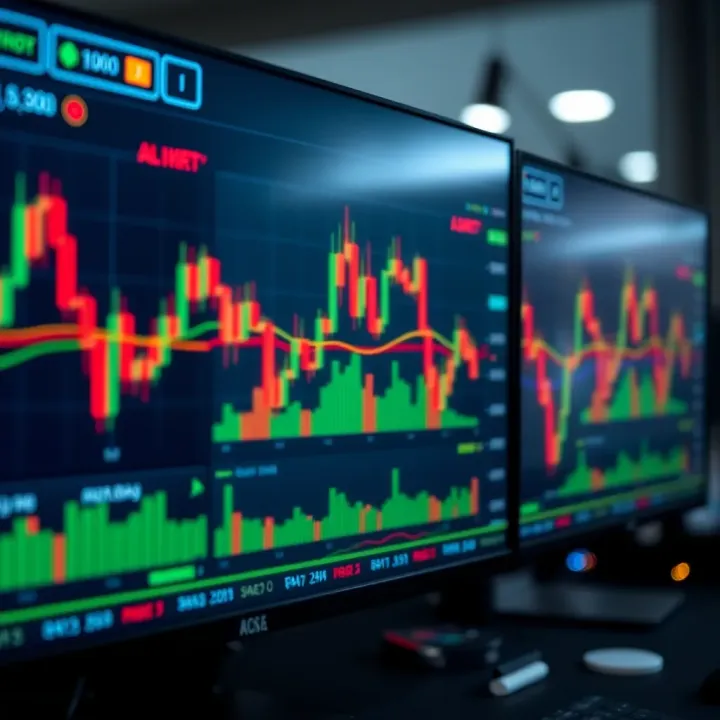
Find the best forex trading platform in South Africa by comparing usability, security, fees, tools, and features to match your trading style 📈💻💰
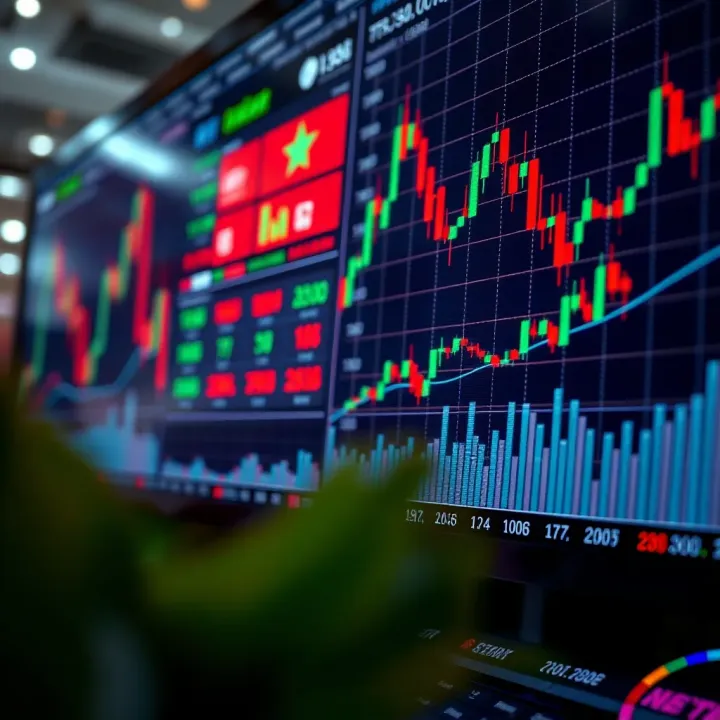
Explore forex trading in Yokohama 🇯🇵 with insights on local markets, regulations, top brokers, risk tips, and analysis methods for smarter trades 📈💡
Based on 6 reviews