
Understanding Margin in Forex Trading
📊 Understand margin in forex trading: how much money you need to open and maintain positions, manage risks, and spot opportunities effectively.
Edited By
Henry Collins
Navigating the forex market can sometimes feel like trying to catch a rattle snake—quick moves, sudden shifts, and you have to know when to strike or step back. Knowing when to buy or sell currency pairs is the heartbeat of successful forex trading, especially in South Africa where market volatility and global influences play a significant role.
This article zeros in on the practical side of forex trading: how to spot the right moments to enter and exit trades. We’ll break down the main signals traders rely on—from technical patterns like moving averages to fundamental triggers such as economic reports—and show how market sentiment can tip the scales.
Whether you're a seasoned investor or a financial analyst eyeing forex opportunities in the African landscape, understanding these signals helps you manage risk smartly and boost potential gains. By the end of this, you’ll have clearer insight into placing your trades with confidence and timing that really works for you.
Getting buy and sell decisions right is less about guessing the future and more about reading the clues the market lays in front of you.
Let’s get into the practical tools and strategies used daily by traders in South Africa and beyond to make sense of the forex buzz.
To get a solid footing in forex trading, it's crucial to understand how the forex market operates. This marketplace isn't like your average stock exchange; it runs 24 hours a day, with currency pairs constantly moving as different markets around the globe open and close. Knowing the mechanics behind the forex market helps traders spot when to jump in or exit, which is the heart of this whole article.
One key point is that forex trading boils down to buying and selling currency pairs, and the prices within those pairs fluctuate based on many factors—from economic news to market sentiment. For example, if the U.S. dollar strengthens against the South African rand after a positive jobs report, you might see an opportunity to sell or buy, depending on your strategy. Without understanding these basics, even the most promising setups could completely miss the mark.
Stepping into this global arena without a grasp on how it functions is like trying to navigate a ship without a compass. This section lays the foundation for everything else, so you'll better see why timing your buys and sells in forex matters, especially in the unique context of South Africa's market.
At its core, forex trading is about currency pairs, and grasping these pairings is essential. You always buy one currency and sell another simultaneously. Think of pairs like EUR/USD or USD/ZAR—each one represents how much one unit of the base currency is worth against the quote currency.
For instance, if the USD/ZAR is quoted at 15.30, that means 1 U.S. dollar equals 15.30 South African rand. If you expect the rand to weaken, buying USD/ZAR could be profitable. But if you're wrong, the losses can pile up quickly, so understanding the dynamics behind these numbers is vital.
Also, currency pairs are categorized into majors, minors, and exotics. Majors include pairs with USD, like EUR/USD or USD/JPY, which tend to have high liquidity and tighter spreads. Exotic pairs like USD/ZAR or USD/TRY involve emerging market currencies and generally feature wider spreads and more volatility. This setup impacts how and when you might decide to trade, considering factors like transaction costs and risk.
The forex market is a bustling place filled with diverse participants, each with different motives. Banks are the big fish here, driving most of the daily volume. For example, JP Morgan or Standard Bank occasionally move markets with their large trades, influencing price movements.
Besides banks, central banks come into play by setting interest rates or intervening directly to stabilize their currency. South Africa’s Reserve Bank, for example, influences USD/ZAR movements through monetary policy decisions.
Hedge funds and financial institutions add another layer by speculating on short-term moves, often using complex algorithms. Then, there are retail traders like you and me, operating through platforms such as IG or Plus500, trying to catch favourable moves.
Understanding who’s in the market and what drives their actions gives you a leg up in spotting timing opportunities and managing risk more effectively.
All these players combined create the fluid, sometimes chaotic environment of forex trading. Recognizing this helps you anticipate market reactions and make educated decisions about when to buy or sell.
Knowing when to pull the trigger on a forex trade largely depends on understanding the forces that push currency prices up or down. These factors aren't just abstract numbers on a screen—they're real-world signals that hint at whether it's a good moment to hop into the market or step back. Grasping how elements like economic events or central bank moves shift trends can save traders from costly mistakes and help them ride the waves of profit.
Economic indicators are basically snapshots of a country's financial health, released regularly, that can shake up forex markets instantly. Take South Africa’s GDP growth rate or unemployment figures, for example. If the GDP growth beats expectations, it often signals a strengthening economy. This can prompt traders to buy the rand, expecting it to gain value against other currencies.
News events are just as impactful. Say the government unexpectedly announces a major infrastructure project—it could boost investor confidence, leading to increased demand for South African assets and, naturally, the rand. Conversely, political unrest or protests might trigger sell-offs as traders rush for safer havens.
An example from recent years shows how the release of the US nonfarm payroll data often causes spikes in USD pairs. Traders watch these reports like hawks because a strong jobs report could mean a stronger dollar, nudging them to buy USD and sell currencies like the EUR or ZAR accordingly.
In forex trading, staying updated on timely and accurate economic news is more than just useful; it can define your entry and exit points.
Interest rates set by central banks are like the heartbeat of currency value. When the South African Reserve Bank (SARB) raises interest rates, it tends to attract foreign investors eager for better yields, which usually boosts the rand’s value. On the flip side, rate cuts might force traders to rethink their positions and could cause the rand to fall.
Central bank policies are not always straightforward. Sometimes, a rate hike may already be priced into the market, so traders focus on the tone and guidance coming from central bank statements. If SARB hints at further hikes due to inflation concerns, traders might preemptively buy the rand.
Meanwhile, divergent policies among global central banks create opportunities. For instance, if the US Federal Reserve signals tightening while SARB stays on hold, the USD/ZAR pair might see upward pressure as money flows towards the dollar.
Ultimately, watching how central banks react to inflation, unemployment rates, and global economic conditions can help traders time their buys and sells more precisely.
By paying close attention to economic indicators, news events, and central bank moves, traders gain valuable context for anticipating market moves and spotting those golden entry and exit moments in the forex market.
Technical analysis plays a key role in forex trading, especially when deciding the best moments to buy or sell. By studying past price movements and market behavior through technical tools, traders can identify patterns and signals that hint at where prices might be headed next. This method isn’t about guessing blindly—it’s about using data-backed clues to make better-informed decisions and to manage risk more effectively.
Unlike fundamental analysis, which looks at economic data, technical analysis focuses strictly on charts and stats. For South African traders working with currency pairs like USD/ZAR, technical analysis can offer a solid edge, especially when combined with local knowledge. The crux lies in spotting entry points before a move happens and knowing when to exit before potential losses bite.
Price charts are the bread and butter for any technical trader. They lay out the historical movements of currency pairs over time, showing highs, lows, and close prices which help outline market sentiment.
Candlestick patterns are especially popular because they provide a quick snapshot of market psychology within a specific period. Each candle reveals the opening price, closing price, and highs and lows – all packed into a simple shape that's easy to interpret. For example, a "Doji" candle, where openings and closings are nearly the same, often signals market indecision and a potential reversal.
One typical scenario: when trading USD/ZAR, spotting a bullish engulfing pattern on a daily chart might suggest the start of an upward trend. It can trigger a buy decision, given the strong buying momentum it indicates. Conversely, a shooting star pattern often warns of a selling climax and possible downturn.
Moving averages smooth out price fluctuations and help reveal the overall trend direction. The two most common types are the Simple Moving Average (SMA) and the Exponential Moving Average (EMA).
The SMA takes the average price over a set number of periods, useful for identifying long-term trends while ignoring noise. Meanwhile, the EMA emphasizes recent prices more, making it more responsive to price changes.
In practice, if the 50-day moving average crosses above the 200-day moving average on the EUR/USD chart, that "golden cross" signals a potential buy opportunity—indicating that the recent momentum is strong.
RSI measures the speed and change of price movements on a scale from 0 to 100. When RSI climbs above 70, it often indicates an asset is overbought and due for a pullback. When it dips below 30, it signals oversold conditions and a potential bounce.
Traders can use the RSI to avoid buying into a currency pair that’s overheated or selling too early in a declining market. For instance, the ZAR/USD pair might not be the best buy candidate if the RSI hovers above 80, signaling that the price could correct soon.
The MACD is a momentum indicator that shows the relationship between two EMAs, typically 12-day and 26-day. The MACD line crossing above the signal line is a bullish sign, while crossing below is bearish.
This indicator is handy because it captures changes in trend direction and strength. For example, you might notice MACD signaling a buy on GBP/USD as the line crosses above the signal, aligning with a break of resistance.
Support and resistance zones are price levels where a currency pair tends to stop and reverse. Support is like the floor under prices, while resistance acts as a ceiling.
Textbook example: If USD/ZAR keeps bouncing off 14.00 during the day, that level acts as support. Once broken, it may flip to resistance. Trading around these levels helps define entry and exit points, especially when combined with volume or indicator signals.
Understanding technical patterns and indicators is like having a trader’s sixth sense—knowing when to jump in and when to pull out can save money and boost profits. Successful traders often mix several tools together rather than relying on a single indicator.
In summary, using technical analysis tools like price charts, candlestick patterns, moving averages, RSI, MACD, and support and resistance levels can give South African forex traders a clearer picture of when to buy and sell. Mastering these elements lets you better navigate the fast-moving world of currency trading with a plan that's less guesswork and more strategy.
Fundamental analysis digs into the bigger economic picture to help traders figure out where a currency might be headed next. Unlike technical analysis, which looks at price movements and charts, fundamental analysis examines real-world factors like the health of a country's economy and political situations. For forex traders in South Africa, understanding these elements is especially important because local and global events can have unexpected effects on the rand and other major currencies.
When looking at a country’s economic health, traders check indicators like GDP growth, unemployment rates, and consumer spending. For example, if South Africa reports stronger-than-expected GDP growth, it usually signals a healthier economy, which can boost the rand’s value. Conversely, high unemployment or sluggish consumer spending can scare investors away.
But don’t just look at numbers alone. Pay attention to trends and how different data points interact. Rising inflation, for example, might prompt the South African Reserve Bank to raise interest rates, making the rand more attractive to investors. It’s like watching the economic pulse — if the heart beats stronger, it’s often a good sign for the currency.
Politics can stir the pot in a big way when it comes to currency values. Elections, policy shifts, or unexpected political unrest in any country can cause sharp moves in forex markets. Take South Africa’s political landscape: rumors of changes in government policies, national budget decisions, or issues with state-owned enterprises like Eskom can rattle markets and push the rand in either direction.
For instance, if a new trade deal is announced that opens up better export opportunities, traders might see this as a positive and buy the currency. On the flip side, political instability usually spooks investors and can lead to a sell-off.
Fundamental analysis isn't about guessing; it’s about piecing together real facts and events to make smarter trade decisions. By understanding both the economic and political backdrop, traders stand a better chance of spotting profitable buy or sell moments before the crowd does.
Market sentiment is often the invisible hand that nudges currency prices up or down, sometimes more powerfully than economic data or technical charts. It's basically the mood of traders at any given time—whether they're feeling bullish or bearish about a currency can sway the market in surprising ways. For anyone serious about forex trading in South Africa or anywhere else, grasping market sentiment gives you an edge in timing your buy or sell decisions.
Behind every trade is a person reacting to fear, greed, hope, or doubt. This collective psychology shapes market movements, often leading to trends that seem to ignore fundamentals for stretches of time. For example, if traders believe the South African rand is about to strengthen due to positive mining sector news, their buying frenzy can push prices up swiftly before economic data even confirms the trend. Conversely, fear of potential political turmoil might cause a sell-off, even if the country's economy is stable.
Understanding these emotional undercurrents helps explain why sometimes, despite solid data, prices may move counterintuitively. Recognizing overreactions or herd mentality can signal when a currency is overbought or oversold, prompting timely exits or entries. However, not every psychological reaction leads to a reversal; sometimes, the crowd gets it right, so it's about balancing intuition with hard analysis.
Sentiment indicators are tools that distill the crowd’s mood into measurable data. One common method is the Commitment of Traders (COT) report, which reveals how large speculators and commercial traders are positioned. For example, if the report shows a heavy net long position on the USD/ZAR pair, it might hint that a correction is due if the market is too one-sided.
Another popular approach is using the Fear & Greed Index or examining volume spikes during news events—these highlight moments of emotional extremes. Social media sentiment analysis can also provide clues, showing how retail traders feel about a currency pair.
Traders often combine sentiment indicators with technical and fundamental analysis to confirm entry and exit points. For instance, spotting a bullish divergence on technical charts while sentiment data shows extreme pessimism could signal a good buying opportunity.
In the South African context, watching sentiment related to key events—like changes in the Reserve Bank's policies or election outcomes—helps navigate volatile swings. Using sentiment indicators alongside local news keeps you in tune with what the wider trading crowd is thinking, helping to avoid getting caught on the wrong side of a move.
Knowing when to step into or exit a trade can make all the difference between a profitable outcome and a disappointing one. Timing the Forex market isn’t just about luck; it relies on developing techniques that suit your trading style and risk appetite. This section breaks down several common strategies that traders frequently use to catch the right wave – whether riding the trend or spotting a reversal before others do.
Trend following is one of the oldest, yet simplest methods to time entry and exits in Forex. It’s based on the idea that currencies which have been moving steadily in one direction will likely continue that path for some time. The trick is identifying when a trend starts and when it gets tired.
For example, let's say the USD/ZAR pair has been rising steadily over several days due to strong US economic data. A trader using moving averages might wait for a crossover—a simple technical signal where the short-term average crosses above the longer one—to confirm upward momentum before buying in. The principle here is to go along with the market's momentum, not against it.
But don't just set and forget. Trends can twist abruptly, especially in volatile environments like South Africa’s market when major political news drops. Solid stop-losses and trailing stops help protect profits if the trend suddenly reverses.
While following the trend is popular, some traders prefer to swim against the current by betting on reversals. The basic premise is that after a significant run-up or down in a currency pair, a correction or switch can happen — often triggered by overbought or oversold conditions.
Technical tools like the Relative Strength Index (RSI) or Bollinger Bands help spot these moments. Say, the EUR/USD RSI has topped near 80 for a few sessions, suggesting it's overbought. A skilled reversal trader could look for bearish candlestick patterns or a divergence in RSI to open a short position, expecting the price to fall.
This approach demands patience and quick reflexes. Counter-trend strategies can be risky because a strong trend might continue longer than anticipated, leading to losses if the timing is off. That's why combining reversal signals with confirmation tools, such as volume spikes or supportive economic indicators, improves chances of success.
For traders who like the rush of fast decisions, scalping and day trading offer plenty of action. Scalping involves grabbing tiny profits from small price movements, often multiple times within an hour. Day traders, on the other hand, aim to close all trades before the market closes to avoid overnight risks.
In practical terms, a scalper might focus on the GBP/USD pair during peak London trading hours, exploiting rapid price changes caused by market liquidity. Tight stop-loss orders and precise timing are crucial because even a slight misjudgment can wipe out gains.
Day trading strategies often use a mix of technical indicators for quick decisions – watching for breakout points or news events that can send prices surging or diving within hours. Platforms like MetaTrader 5 or cTrader offer handy tools for these shorter-term strategies, including real-time quotes and advanced charting.
Whether following a trend, betting on a reversal, or racing the clock with scalping, understanding your own tolerance for risk and the specific characteristics of the currency pairs you're trading will go a long way toward effective timing. No approach guarantees success, but mixing strategy with discipline helps you stay ahead.
By knowing these common timing strategies, South African traders can better tailor their plans to the market’s unique rhythms and volatility. The next step is learning to manage risk smartly while applying these tactics.
Risk management is the backbone of successful forex trading. Without managing risks properly, even the best trading strategies can lead to significant losses. In the fast-paced forex market, decisions to buy or sell need not only to be well-timed but also carefully balanced against potential downsides. Ignoring risk management can turn a promising trade into a costly mistake, especially in a market as volatile and leveraged as forex.
One of the most practical tools for managing risk is setting stop-loss and take-profit orders. A stop-loss order automatically closes your position when the price moves against you by a certain amount, limiting your loss. For example, if you buy USD/ZAR at 15.00 and you set a stop-loss at 14.85, your trade will close automatically if the price falls to that level, capping your loss at 0.15 per unit.
Conversely, a take-profit order locks in gains by closing your position at a pre-determined target price. If you expect the USD/ZAR to rise to 15.30, placing a take-profit order there means you won’t have to watch the market constantly or worry about missing when to exit. Setting these levels helps traders avoid emotional decisions during volatile swings and maintain discipline.
Consider this: a trader who entered the EUR/USD market without a stop-loss might see a sudden geopolitical event wipe out a chunk of their capital. But someone who planned ahead with stop orders gets protection that can save their trading account from disaster.
Knowing how much to risk on a single trade is just as important as where to place stop-loss and take-profit orders. Position sizing is about deciding the volume of your trade relative to your total capital and risk tolerance. For example, if you have a $10,000 account and decide to risk 2% per trade, that means you should never lose more than $200 on a single trade.
Leverage is a double-edged sword common to forex trading. South African brokers often offer leverage ratios like 1:100 or even 1:200, meaning you can control a large position with a relatively small amount of capital. This magnifies both profits and losses. If applied recklessly, high leverage can quickly lead to margin calls and wipe out your account.
It's wise to combine position sizing with conservative leverage levels. For instance, trading with 1:10 leverage rather than 1:100 can provide a buffer against sudden market swings, reducing stress and preserving capital for the long haul.
Risk management doesn't guarantee profits, but it does protect you from blowing your capital. Always think about how much you can afford to lose before deciding when to enter or exit a trade.
In summary, managing risk through sensible stop-loss and take-profit points, alongside appropriate position sizing and cautious use of leverage, forms the foundation that supports effective buy and sell decisions. The fewer surprises you have, the more you can focus on honing your strategy and understanding market movements.
Technology has become a cornerstone for forex traders aiming to time their buying and selling decisions effectively. Without the right tools, it’s like trying to catch a fish with your bare hands — you might get lucky, but more often than not, you’ll be left empty-handed. Modern trading platforms and automation tools level the playing field, allowing traders to act swiftly and accurately in the fast-moving forex market.
Trading platforms such as MetaTrader 4 and 5, cTrader, and TradingView offer a suite of features that help traders analyze charts, deploy technical indicators, and execute orders instantly. For example, many traders use MetaTrader’s expert advisors (EAs) to automate strategies, limiting the emotional bias that often leads to poor trade timing.
Automation plays a critical role when the market moves too fast for a person to react manually. Imagine a scenario where the South African Reserve Bank unexpectedly cuts interest rates — a well-programmed EA can respond immediately, placing exit or entry trades faster than a human trader could. Beyond that, these platforms also offer real-time news feeds and customizable alerts, which ensure you aren't caught flat-footed by unexpected events.
Using these platforms, traders can backtest strategies against historical data, check their efficacy, then deploy them live with confidence. This way, technology isn't just about speed; it’s about smarter, more informed decisions.
Market volatility can be a trader’s best friend or worst enemy. Keeping a close eye on volatility helps you avoid getting whipsawed and identifies when the market may offer lucrative opportunities. Tools like the Average True Range (ATR) indicator and Bollinger Bands provide a practical way to measure the extent and speed of price fluctuations.
For instance, when Bollinger Bands narrow sharply, it’s often a sign that volatility is low and a big move may be coming. Conversely, a sudden spike in ATR signals heightened volatility, which can be both a risk and an opportunity. Forex traders in South Africa paying attention to factors like commodity price swings or political developments benefit from having such volatility indicators ready at hand.
Volatility monitoring tools also integrate with trading platforms, sending notifications or triggering pre-set actions. This can help a trader avoid being overly exposed during turbulent times, or position carefully to benefit from sharp market moves.
Keeping the right tech handy and knowing how to use it can truly spell the difference between just trading and trading smartly. Prioritize tools that fit your style and strategy to improve the timing of your buy and sell decisions in forex trading.
Creating a personal trading plan is like drawing the map before you set out on a journey. Without it, you’re basically driving blind, hoping to get lucky in the vast world of forex trading. A solid plan helps you stay focused, avoid emotional decisions, and maintain discipline when the market throws curveballs. It’s not just about jotting down a few rules — it’s setting a clear structure that guides when to buy and sell, how much risk to take, and what to do when things don’t go as planned.
Think about it: a trader without a plan might chase after every shiny signal or news headline, risking their capital on gut feelings. But with a personal trading plan, you stick to specific strategies that suit your goals, risk tolerance, and trading style. For example, if you prefer swing trading, your plan might say to buy when the RSI dips below 30 and sell when it rises above 70 — rather than jumping in on every sudden dip. That kind of clarity can mean the difference between a consistent trader and a gambler.
Clear entry and exit rules are the backbone of any trading plan. They stop you from second-guessing yourself when the market moves fast and keep your trades logical rather than emotional. Entry rules might include factors like waiting for a moving average crossover, confirming with volume spikes, or reacting to a specific economic release. Exiting might be set by fixed profit targets, trailing stops, or technical indicators signaling a trend reversal.
For instance, if your plan says to enter a trade only when the 50-day moving average crosses above the 200-day moving average (a golden cross), you’re less likely to jump in prematurely. On the exit side, setting a stop-loss 50 pips below your entry to cap losses or taking profits at key resistance points helps protect your capital and lock in gains.
The key is to have those rules documented and ready. This means when the moment to act comes, there’s no guesswork or emotional tug-of-war — you just follow your proven plan.
Nobody’s perfect at trading from the get-go, so a trading journal is your best friend for learning and improving. Writing down every trade — including why you entered, how you exited, and how you felt at the time — helps you spot patterns in your decision-making. Maybe you notice you hold losing trades too long or jump into trades without proper confirmation.
Keeping a journal doesn’t have to be complicated. It can be a simple spreadsheet with columns for date, currency pair, entry/exit points, reasons for the trade, and outcomes. Some traders jot down screenshots of charts or even record voice notes about their thought process.
Over time, reviewing your journal highlights strengths and weaknesses, helping you tweak your strategy and avoid repeated mistakes. It’s like having a mentor looking over your shoulder, but better — because it’s all about your real trades and experiences.
Keeping a trading journal is not just about tracking profits but about creating a feedback loop for growth. It turns your trading from guesswork into a skill refined over time.
By developing a personal trading plan with clear rules and maintaining a journal to track progress, you build a disciplined approach that’s less about luck and more about informed decisions. For South African traders, especially, this disciplined approach helps navigate local market nuances and volatile economic factors with greater confidence and control.
Trading forex can be a wild ride, especially if you’re new to the game. But just like any sport, knowing the common pitfalls helps you dodge big losses and stay in the winning lane. When buying and selling currencies, traders often mess up by letting emotions take over or ignoring what the market’s actually saying. These mistakes can turn promising trades into money-losing disasters.
Avoiding these traps isn’t just about keeping your portfolio safe—it’s also about building good habits and improving your timing. If you want to trade smarter, not harder, understanding these common errors is a must.
Making decisions based on feelings rather than cold facts is one of the biggest traps forex traders fall into. It’s easy to get caught up in the excitement when prices soar or the panic when they slump. For example, a trader might hold onto a losing position hoping it’ll bounce back, simply because they don’t want to admit a mistake. Or, after a string of wins, they might get overconfident and jump into bigger trades recklessly.
Consider Sarah from Johannesburg, who saw the rand weakening and bought more USD/ZAR without a clear exit plan just because she feared missing out on gains. When the market suddenly reversed, her losses piled up. This kind of emotional trading leads to bigger risk and often wipes out profits.
To keep emotions at bay, start by setting clear rules before entering a trade—decide your entry price, stop-loss, and take-profit levels. Using these guards helps take the guesswork out and sticks to a plan. Keeping a trading journal also helps track when feelings influenced your trades, so you can learn from those moments.
Remember: Forex isn’t a casino; it doesn’t reward guesses or gut feelings. Patience and discipline beat impulse every time.
Trying to swim against the current rarely works, and the forex market’s no different. Ignoring trends and key signals can leave you trading blind and losing money. For instance, if you spot a clear bullish trend on EUR/USD but insist on buying when it’s already dipping, you’re likely going in at the wrong time.
Sadly, some traders focus on flashy news or rumors instead of solid chart patterns and indicators. Others might spot a trend but hold onto a trade too long, ignoring signals the momentum is fading. Take a look at how the moving averages or Relative Strength Index (RSI) often hint at when a trend is losing steam—ignoring these is like driving with your eyes closed.
A practical tip: combine technical tools with fundamental analysis. If a currency pair is in an uptrend supported by strong economic indicators, your odds of success rise. But always be ready to adapt as trends can shift quickly.
By following the market's rhythm and respecting its signals, you improve your chances of entering and exiting trades at more favorable times.
Steering clear of emotional trading and respecting market trends are fundamental for anyone serious about forex. Master these, and you’ll be far ahead of many who jump into the market without a clear head or plan.
Trading in the South African forex market has its own flavor, shaped by the country’s unique economic landscape and regulatory environment. Applying general forex trading principles here means you have to keep your eyes peeled on local signals and rules that can sway market movements differently than, say, the New York or London markets.
Understanding how the rand behaves against major currencies, especially the US dollar and euro, can give a trader a real edge. Remember, what works globally isn’t always a perfect fit in South Africa because of factors like political developments, economic data releases, or commodity prices—particularly gold and platinum—that heavily influence the rand.
Economic indicators specific to South Africa impact currency moves more sharply than elsewhere. Keep an eye on the quarterly GDP growth figures, unemployment rates, and inflation numbers published by Statistics South Africa.
Additionally, the Reserve Bank’s decisions on interest rates are often a game changer here. For instance, if inflation spikes and the SARB raises rates aggressively, the rand often gains strength as investors seek higher returns. Conversely, political uncertainty or labor strikes in key sectors like mining or manufacturing might trigger sell-offs.
Commodity prices also deserve a close watch; South Africa is a top producer of precious metals, and when gold prices tumble, it tends to drag the rand down as well. Imagine a trader noticing a slump in gold prices alongside weaker-than-expected GDP numbers—the combined effect might be a clear sell signal on the ZAR/USD pair.
South Africa’s forex market is regulated by the Financial Sector Conduct Authority (FSCA). Their rules aim to protect traders from shady operations but also shape the landscape of available brokers. Be cautious when picking a broker—you want one fully authorized by the FSCA, offering transparent spreads and solid customer support.
Many traders gravitate towards well-known platforms like IG Markets or Plus500, both regulated and with a well-established presence in South Africa. Avoid those promising outrageous returns or requiring hefty initial deposits—these are often red flags.
Also, understand the leverage limits imposed locally. While other markets might offer extreme leverage, South African regulators favor stricter caps to minimize risk for traders. Knowing these limits helps in sizing your positions responsibly without overexposing yourself.
Tip: Always verify your broker’s regulatory status by checking directly with the FSCA before funding your account.
In summary, applying forex trading concepts successfully in South Africa involves blending global strategies with an astute awareness of local economic markers and firm adherence to regulatory standards. Trading the rand isn’t just about charts and indicators—it’s about reading the South African economic pulse and staying within legal boundaries for a safe and savvy trading experience.
Wrapping up your journey through forex trading, it's clear that understanding when to buy and sell isn't just about spotting the right signals; it's about weaving together various factors—technical charts, economic news, market sentiment, and personal discipline—to carve out a strategy that works for you. This final section brings together those key ideas, offering practical advice that helps sharpen your trading edge without drowning you in jargon.
Pinpointing the right moment to enter or exit a trade boils down to a few core principles:
Watch economic indicators carefully: Keep an eye on South Africa’s GDP releases, unemployment stats, as well as major events like central bank meetings. These often cause shifts in the rand’s value.
Combine technical tools, don’t rely on just one: For example, pairing RSI (Relative Strength Index) with moving averages can help confirm whether a currency is overbought or oversold, reducing the chance of jumping in prematurely.
Respect market sentiment but stay objective: If the market mood swings wildly, stay calm and stick to your rules. Emotional decisions are where many traders slip up.
Set clear entry and exit points: Before entering a trade, know your stop-loss and take-profit levels. It’s like having a safety net—without one, you’re flying blind.
Adapt strategies to your style and risk tolerance: Someone doing day trading will look for quick scalps, while a swing trader plays longer trends. Your timing needs to fit your approach.
Timing isn’t about miracles—it’s about preparation, patience, and persistent learning.
To keep your skills sharp and your knowledge fresh, tap into a variety of resources:
Book recommendations: "Currency Trading for Dummies" by Kathy Lien offers a down-to-earth explanation of forex basics. Also, check out "Trading in the Zone" by Mark Douglas to better handle the psychological side.
Online courses and webinars: Platforms like Investopedia Academy and BabyPips provide free and paid courses tailored for different skill levels.
Trading platforms with education tools: MetaTrader 4 and cTrader come with demo accounts and tutorials to practice without risk.
Follow market analysis from trusted outlets: Bloomberg, Reuters, and Business Day South Africa give up-to-date reports that help you stay informed.
Local trading communities and forums: Engaging with fellow South African traders can provide real-world insights and support specific to your market.
Keep building your toolkit of knowledge alongside practicing real trades. Remember, forex trading is a marathon, not a sprint; continuous learning will keep you ahead of the curve and improve your timing precision.
In the fast-moving world of forex, applying these final tips can be the difference between just spinning your wheels and reaching your trading goals with confidence and control.
📊 Understand margin in forex trading: how much money you need to open and maintain positions, manage risks, and spot opportunities effectively.
Explore forex trading in Yokohama 🇯🇵 with insights on local markets, regulations, top brokers, risk tips, and analysis methods for smarter trades 📈💡
Boost your trading focus and motivation with top forex trading wallpapers 🖥️. Find tips on customization and device-friendly designs to enhance your workspace.
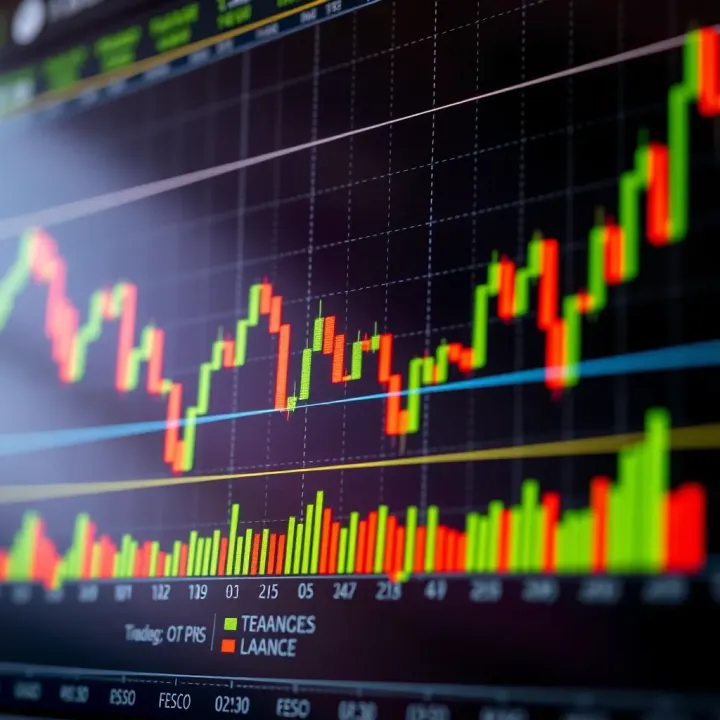
📊 Master forex trading with our detailed guide on technical analysis: discover charts, indicators & timing strategies to boost your market decisions confidently.
Based on 10 reviews