
Forex Trading Tax Rules in South Africa
Explore how forex trading is taxed in South Africa 🇿🇦. Learn about taxable events, reporting forex income, and tips to stay compliant and avoid penalties 📊💼.
Edited By
Emily Bennett
Navigating the tax landscape for forex trading in South Africa can seem tricky at first glance. Whether you’re dabbling now and then or trading full-time, understanding how SARS views your profits and losses is key to staying on the right side of the law and avoiding nasty surprises come tax season.
This article breaks down the essential points about forex trading tax — from the basics of what taxes may apply, to the difference between capital gains and income tax, and how to track your trades properly. We’ll also look into deductions you might claim and share practical tips for keeping your records clean and your filings accurate.
Knowing these details is more than just ticking a box; it means keeping your hard-earned money where it belongs — in your pocket, rather than slipped away through penalties or audits. So, if you’re serious about your forex trading, read on to get a solid grip on how taxes work for you in South Africa. It’s a bit like learning the rules of the game before placing your bets.
Understanding forex trading in the South African context sets the stage for grasping the tax nuances that come with it. This overview is not just an intro; it’s about getting the lay of the land before diving into the tax maze. Forex trading here isn't some niche activity; it’s grown remarkably popular, making it crucial for traders and tax professionals alike to know the ins and outs.
Forex trading involves exchanging currencies – think of it as trading the dollar for the rand. South Africans engage with forex markets for various reasons, from hedging against currency risk in business to pure speculative investment. Knowing how forex markets function locally helps traders anticipate tax implications accurately.
Take, for example, a small business owner in Johannesburg who trades forex to manage risks on imports priced in euros. Or a retail trader from Cape Town trying to profit from the fluctuations between the rand and the US dollar. Each profile faces different tax considerations based on the nature and frequency of their trades.
Getting familiar with forex trading basics is the first step to understanding your tax obligations and opportunities. This prevents surprises come tax season and keeps you aligned with SARS regulations.
Forex trading refers to the exchange of one currency for another in the foreign exchange market. It’s the largest financial market globally, with daily volumes exceeding $6 trillion. In practical terms, if you buy euros with rands today and sell those euros later, you’re participating in forex trading.
Traders can profit from changes in exchange rates, which fluctuate based on economic indicators, geopolitical events, and market sentiment. But it’s not just about guessing which way a currency will go — successful forex trading often involves analysis and risk management strategies.
In South Africa, access to forex trading has expanded via online platforms like IG Markets and Pepperstone. These allow retail traders to enter the global currency markets easily, sometimes even with leverage. However, leverage is a double-edged sword: profits can soar, but losses can pile up too.
Because forex trading can range from casual part-time speculation to a full-time business, it’s important to understand the specific activities you’re undertaking before figuring out tax treatment.
Forex trading has become a hot ticket in South Africa largely due to the rand’s volatility and the increasing availability of online platforms. Many South Africans see it as a way to diversify income streams or create wealth beyond traditional investments.
The 2020 Covid-19 pandemic accelerated interest, as more people looked for alternative ways to earn amid economic uncertainty. Platforms like Plus500 and HotForex reported growing South African user bases, showing this isn’t just a fad.
One can't ignore how the country’s young demographics and tech-savvy individuals drive this growth. They often access forex trading on smartphones, using real-time data and social trading features to make quick decisions.
However, with increased activity comes a higher need for solid knowledge about tax implications. Without understanding SARS rules, traders risk underreporting income or misclassifying their trading activity, leading to penalties down the line.
Staying informed about both the forex market dynamics and the tax responsibilities is key to trading successfully and legally in South Africa.
In summary, this overview paints a clear picture: forex trading is accessible and popular in South Africa, but it carries tax responsibilities that traders must comprehend early. This foundational knowledge -> sets you up for the detailed tax discussions ahead.
When trading forex in South Africa, knowing which authorities hold the reins and understanding the relevant regulations is non-negotiable. Navigating this landscape isn’t just about making money but staying on the right side of the law — no trader wants unexpected trouble with SARS after a profitable month.
SARS is the heavyweight in South Africa's tax arena, responsible for collecting taxes and ensuring the rules are followed. For forex traders, SARS is the gatekeeper who sets out how gains should be reported and taxed. They aren’t just interested in big firms; individual traders also fall under their watch, especially if forex income forms a significant part of their earnings.
It’s worth noting that SARS sees forex trading through two main lenses: as a business activity or as investment income. This distinction changes your tax responsibilities. For example, if you actively trade daily to generate regular income, SARS might treat your profits like business income, which is taxable under regular income tax rules. However, if forex trading is more casual, SARS might classify payouts as capital gains. Understanding this helps in correct filing and avoids nasty surprises later.
To put it practically, SARS requires that all forex profits and losses be accurately declared each tax year. Ignoring this is risky: SARS has the authority to audit accounts, impose fines, and even prosecute in cases of deliberate non-compliance.
South African tax laws surrounding forex trading are primarily dictated by the Income Tax Act and the Capital Gains Tax (CGT) framework. Traders must discern when forex profits count as taxable income versus when they fall under CGT rules.
When forex trading is considered a business, all profits are subject to income tax, which can be as high as 45% for the top tax bracket. Conversely, if the trading is more passive or occasional, any gains after deducting allowable costs might be taxed as capital gains. In CGT, only a percentage of the gain (currently 40% for individuals) is included in taxable income, which can offer some tax relief.
Trading platforms and brokers in South Africa, like IG Group or FXTM, usually don’t withhold tax on trades, so it’s up to the trader to keep accurate records and declare earnings appropriately. Failing to account for both winning and losing trades correctly can complicate tax calculations and might attract penalties.
Understanding these laws isn’t just academic — it directly impacts how much tax you owe and how you plan your trading strategy throughout the year. Keeping SARS informed and your records in order saves headaches down the road.
In summary, the tax landscape for forex trading in South Africa requires traders to be proactive and informed about SARS’s expectations and the current laws. Know your status — business or investor — and be clear on how your profits will be taxed. This approach not only makes filing more straightforward but also helps you avoid any unnecessary fines or audits.
Figuring out how your forex trading is taxed hinges a lot on whether the activity is seen as a business or just a personal pastime. This distinction isn't just a tick-box exercise — it directly impacts how much tax you pay and under which rules. Getting this right helps you avoid those nasty surprises when SARS comes knocking.
Understanding your tax status also guides what financial records you must keep, what deductions you qualify for, and how to report your earnings. With forex trading offering both quick wins and long-term strategies, your tax footing can shift depending on how you conduct your trading.
For example, John trades forex once in a blue moon using his spare cash. His gains are likely seen as capital gains because he’s not doing it full-time or systematically. On the flip side, Lerato trades forex daily, treating it like her primary gig, making her earnings count as income subject to income tax.
The tax implications for forex traders in South Africa differ widely depending on if you operate as an individual or run it as a business. When trading as an individual, SARS typically looks for casual activity, an investor-like approach without structured trading routines. Here, profits may lean towards being treated as capital gains.
A trader operating a business structure treats forex trading as their main source of income, featuring organized efforts, regular trading, and a profit motive. This usually means the earnings are fully taxable as income, and you’ll likely need to register for tax and possibly VAT if turnover hits certain thresholds.
It’s worth noting that a sole proprietor or a company all falls under business for tax purposes, but paperwork and tax reporting differ. Some traders prefer registering a small private company for tax advantages and clearer separation of personal and trading finances.
Forex profits are considered income when trading is frequent, organized, and intended to generate profit actively. If you spend hours every day researching, planning, and executing trades, SARS will view your activities as a business effort. This means the profits you make are subject to income tax at your marginal rate.
For example, Sipho runs a forex trading account with the goal of making consistent monthly earnings, even using automation tools to optimize trading. His profits are part of his income and should be declared accordingly.
On the other hand, occasional profit from forex trading, not linked to a business setup, won’t automatically be treated as income but rather as capital gains.
If forex trading is done irregularly or as a one-time investment, profits might be classified as capital gains instead of ordinary income. This typically happens if the trade is not your main source of income or if you are more of an investor than a trader.
Take for instance, if Nomsa swapped some Rand for Forex currencies as a long-term hold and later sold for a profit, that gain falls under capital gains tax rules. She’s not trading daily and is not relying on that income to pay bills, so SARS sees that as an investment return.
Under capital gains, only a portion of your profit (currently 40% for individuals) is included in your taxable income, which might result in a smaller tax burden compared to business income classification.
The key takeaway is that the nature and scale of forex activities inform your tax status, and consequently, your tax liabilities. Making a clear distinction upfront saves hassle during tax season and keeps you on the right side of SARS.
When it comes to forex trading profits in South Africa, understanding how these gains are taxed can save you from unexpected bills at tax time. This section breaks down the two main types of taxes forex traders face: income tax and capital gains tax. Why does it matter? Because the classification affects not only how much tax you pay but also how you manage your trading activities and financial records throughout the year.
For example, if you’re a trader who makes multiple trades daily, SARS might view this as a business activity, making your profits taxable under income tax. On the other hand, a casual trader who occasionally buys or sells currencies may be taxed under capital gains tax rules. Knowing this distinction helps you plan your tax strategy and keeps you compliant without pulling your hair out.
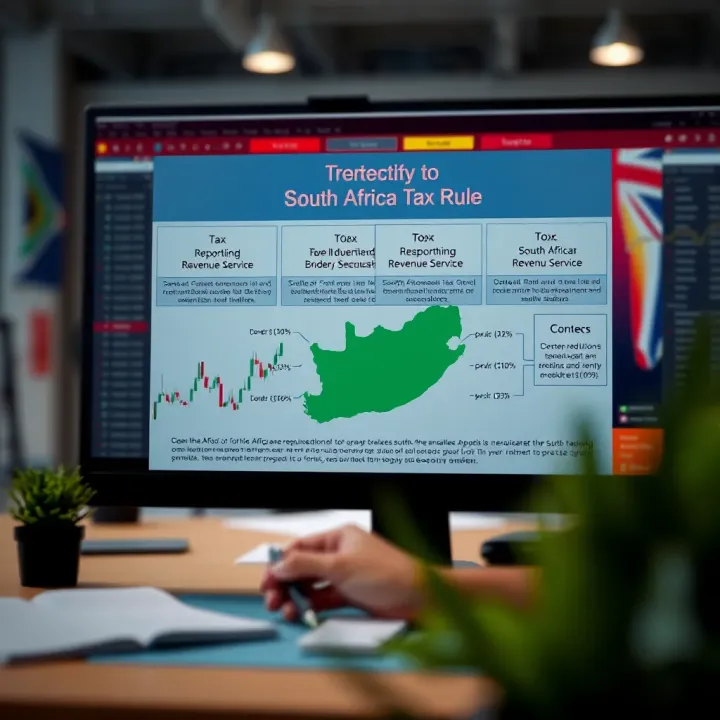
Income tax rates in South Africa are progressive, which means they increase with higher income levels. For individuals, rates start as low as 18% and can climb up to 45% at the top end. If SARS classifies your forex trading as a business, your profits get treated as regular income and taxed accordingly.
Imagine you earn R500,000 from forex trading in a year, and that’s your only income. You’ll pay tax based on the income tax bracket your total earnings fall into, just like your salary would be taxed. The practical takeaway here is to keep your records sharp because any trading profits add to your taxable income. Also, any allowable business expenses related to trading can reduce the taxable portion.
On the flip side, if your forex trading is considered an investment rather than a business, your gains fall under capital gains tax (CGT). South Africa’s system doesn’t tax the full gain but includes a portion of it in your taxable income. For individuals, the inclusion rate is currently 40%, meaning only 40% of the net profit from forex is subject to income tax.
To clarify with an example: say you made a R100,000 gain from forex trades treated as capital assets. Only R40,000 (which is 40% of R100,000) will be added to your taxable income and taxed at your income tax rate. This can lead to paying less tax compared to it being fully taxable as income.
Understanding whether to apply income tax or CGT depends heavily on your trading pattern and intent, and sometimes SARS' assessment can be a gray area. Either way, keeping a detailed ledger of your trades and consulting a tax professional can make a big difference.
Figuring out how much tax you owe from forex trading starts with knowing your exact profit or loss. This means calculating the difference between your trade proceeds and the expenses directly related to those trades.
Here's a straightforward approach:
Record each trade’s entry and exit values – noting the date, currency pairs, and amounts.
Convert all values to South African Rand (ZAR) at the exchange rate on the trade dates to maintain consistency.
Total your profits and losses over the tax year.
Deduct any allowable expenses, like trading fees or software subscriptions related strictly to trading.
For example, if you buy USD 10,000 at an exchange rate of 14.50 ZAR/USD (= R145,000) and later sell at 15.00 ZAR/USD (= R150,000), your gross profit is R5,000 before expenses. Subtract fees like brokerage charges, and you get your net taxable amount.
Precise record-keeping here isn’t just good practice—it’s essential. SARS requires evidence, and sloppy records can lead to disputes or penalties.
By consistently tracking every trade and related cost, you position yourself to report accurately and avoid headaches when tax season rolls around. Remember, the more transparent and organized your data, the easier it is to justify your tax position.
Reporting your forex trading income to the South African Revenue Service (SARS) is not just a formality—it's a serious legal obligation. Getting this right helps you avoid penalties and audits, and keeps your financial record straight if you ever need to justify your earnings. SARS uses this information to assess your tax liability properly. For example, imagine a trader who made a tidy profit of R100,000 through forex trading but neglected to report this income. If SARS catches this omission, they might impose fines or demand back taxes with interest. So, though it might seem tedious, thorough reporting shields you from such headaches.
Being upfront about your forex income also paints a clear picture of your financial situation, which matters if you apply for loans or mortgages. Lenders often request proof of consistent income, and well-documented forex trading profits can help with that.
Individual traders in South Africa must report all forex trading profits (or losses) as part of their annual income tax return. SARS requires you to include details of your trading activity under the 'Income from other sources' or sometimes under business income, depending on the nature and scale of your trading. For instance, if you trade occasionally and your profits are not a primary source of income, SARS may classify this as income from other sources. However, if you trade actively and rely on this income regularly, SARS might treat you as operating a business.
The deadline for submission is aligned with the general tax return due date, which is usually around the end of November or February (depending on your method of filing). Missing this deadline might lead to unnecessary penalties or interest fees. It's also wise to confirm whether you need to register as a provisional taxpayer if your trading profits fluctuate wildly, since this affects how you pay tax in installments during the year.
Keeping accurate and organized records is crucial for anyone reporting forex income. These documents serve as evidence if SARS ever decides to scrutinize your filings.
Your trade records should include the date and time of each transaction, the currency pairs involved, the amount traded, opening and closing prices, and resulting profit or loss. This information helps calculate your total taxable income or capital gains. For example, if you exchanged USD/ZAR at specific times, tracking each trade’s details prevents guesswork when completing your tax return.
Recording these details diligently also makes life easier during tax season. Many forex platforms, like IG or Plus500, offer downloadable history reports, which you should save regularly. This detail not only reinforces transparency but also highlights your professionalism to SARS.
Bank statements showing the inflow and outflow of funds connected specifically to your forex trading activities are indispensable. They verify the actual cash movements and support your reported profits or losses. Say you withdrew some R50,000 from your trading account—your bank statement will confirm this.
Keep your bank statements organized by date. When SARS officers look over your files, having clear fund pathways can simplify their verification process and reduce questions about where your money came from.
Broker statements summarize your account activity with your forex broker. These documents are vital because they officially record your transactions, fees paid, and overall account balance. South African brokers like ThinkMarkets or EasyEquities send monthly or quarterly statements—it's smart to download and archive these consistently.
These statements can also reveal fees or commissions you've paid, which may be deductible expenses when calculating your taxable income. Having broker statements cleanly organized prevents scrambling for lost documents and supports your filings.
Proper documentation not only helps you stay on SARS’s good side but can also clarify your financial position year-round. Regularly updating your records may seem like a chore but it saves considerable stress later on.
When it comes to forex trading in South Africa, understanding which expenses you can deduct is vital. These deductions directly lower your taxable income, which means you pay less tax at the end of the day. However, not every cost you pay can be written off — SARS is pretty strict about what counts as a legitimate business expense. Knowing the ins and outs here can save traders a good chunk of money and ensure you stay on the right side of the taxman.
A practical example: if you spend R2,000 a month on trading platform subscriptions and internet fees, claiming those as deductions could reduce your taxable income, provided those expenses relate directly to your trading activities. The key is to keep solid records so you can back up these claims if SARS comes knocking.
Trading platform fees
Most forex brokers charge some form of platform fee — this could come as a monthly subscription, commission per trade, or a combination of both. These fees are directly related to your trading activity and, South African tax law considers them eligible business expenses. Keeping these fees off your taxable income makes perfect sense since they're necessary for carrying out your trades. For instance, if you're using MetaTrader 5 through a broker like IG Markets, the subscription fees and commissions paid can be deducted when filing taxes.
Internet and communication costs
Trading forex demands reliable, high-speed internet access. Without the internet, trades can’t be executed quickly, and that can mean lost opportunities. As such, a portion of your monthly internet bill attributed to trading activity is deductible. If you work from home and use the same internet for personal and trading purposes, SARS expects you to apportion the cost accurately — say, 60% for trading and 40% personal, and then claim only the 60%. Similarly, phone calls or any communication costs related to your trading work also qualify for deductions.
Education and training expenses
Anyone serious about forex trading knows the value of continuous learning. Costs like attending forex courses, buying trading books, or subscribing to educational platforms are often deductible. For instance, enrolling in an accredited forex trading course offered by a recognized South African school or platform like TradeForexSA could count. The main condition is these expenses have to enhance your trading expertise and relate directly to your income-earning activities.
While deductions can help reduce tax burdens, SARS imposes some limitations. Personal expenses that have only a loose connection to trading won’t cut it. For example, upgrading your home computer might seem relevant, but unless it’s exclusively used for trading, only a portion proportional to your trading use can be deducted.
It’s also worth noting that speculative or hobby traders might find fewer deductibles available because SARS often distinguishes between professional traders and casual investors. If trading is not your main activity or source of income, you could face tighter rules on what counts as a deductible expense.
Keep in mind, without proper invoices or receipts, SARS will likely reject any claimed deduction. So, meticulous record-keeping is your best defense.
In short, knowing what counts as deductible expense and what doesn’t can help diminish your tax bill, but always stay realistic and honest about the purpose and extent of those expenses to avoid penalties.
Understanding how forex trading losses impact your taxes is just as important as knowing how to handle gains. Losses can affect your overall tax bill, and knowing the rules can help you reduce the damage on your wallet come tax season. For South African forex traders, this means recognizing how losses interact with other types of income and what options exist to manage those losses over time.
In South Africa, whether you can use forex losses to reduce your tax liability on other income depends largely on how SARS classifies your trading activity. If SARS treats your forex trading as a business, losses typically get treated as ordinary business losses. This means you can often offset these against other income, such as salary or rental income, reducing your overall taxable income.
For example, say you’re running a small forex trading operation alongside your day job. If your trading results in a net loss of R30,000 for the tax year, you might be able to deduct this amount from your R500,000 salary income, effectively lowering your tax bracket. But if SARS sees your trading as a hobby or capital investment, those losses might only be relevant against capital gains, not regular income.
It's always smart to track your trading patterns and keep detailed records – SARS looks at frequency, intention, and your level of organisation to decide the classification.
What happens if your forex losses exceed your profits or your other income for the year? South African tax rules generally allow individuals and businesses to carry forward their forex losses to offset against future profits, but with some caveats.
Losses classified as business losses can usually be carried forward without a strict expiry, meaning if you hit a rough patch, you don’t lose the chance to claim those losses later. For example, if in year one you lose R50,000 and make no profits, but in year two your trading turns profitable with R40,000 gains, you can apply the prior year's losses to reduce your taxable income to zero, essentially paying no tax on that year's gains.
However, for losses deemed as capital losses (from investments rather than business), you can only offset them against capital gains in future years – not against regular income. Those capital losses must be tracked carefully, as you’ll want to apply them at the right time to get the most tax benefit.
Keeping a clear trail of losses and profits year-by-year can save you headaches later when tax time rolls around. Don't throw away trade reports, invoices for trading services, or bank statements.
In summary, knowing how to treat forex trading losses affects your tax strategy and cash flow. By understanding whether your losses can offset other income or must be carried forward in a specific way, you keep yourself ahead of SARS and far from costly errors.
Keeping good records is not just an extra task for forex traders—it's an absolute must. South African Revenue Service (SARS) expects traders to have clear, organised documentation to verify their income, expenses, and any losses. Without proper records, you risk misreporting your taxes, which can lead to penalties or audits. Beyond the legal angle, good record-keeping helps traders track their performance and make smarter decisions.
Accurate records provide the backbone for reliable tax returns. Imagine trying to file your taxes and having to guess your profits because your trade documents are scattered across spreadsheets, emails, and handwritten notes. That’s a recipe for mistakes. Traders should keep detailed logs of every trade, including dates, currency pairs, trade sizes, entry and exit points, and the results of the trade. This way, you can clearly report your income or loss without leaving SARS in the dark.
For example, suppose you made several trades over the year but can’t remember the exact profit from the rand-dollar pair or the commissions paid to your broker. Without proper records, you risk either overpaying tax or facing issues in case of an audit. Also, SARS may ask to see supporting documents like your brokerage statements and bank records, so keeping everything easy to find saves headaches later.
"Good record-keeping isn't just about avoiding trouble—it's about understanding your trading better and confidently managing your tax responsibilities."
Using the right tools can make record-keeping less of a chore. Many traders use Excel or Google Sheets, setting up their own templates to log trade details. Those who want something more tailored might opt for trading journals or software like Myfxbook or Tradervue, which can automatically import trades from popular forex brokers and keep track of performance metrics.
Additionally, keep digital and physical copies of your bank statements, broker reports, and receipts for any deductible expenses such as platform fees or internet costs. Using cloud storage like Google Drive or Dropbox helps ensure you don’t lose records due to computer crashes or misplaced papers.
Here's a simple checklist to keep your forex tax records in order:
Log each trade’s date, currency pair, position size, entry and exit prices, and profit or loss
Save electronic copies of monthly broker statements
Keep bank statements showing deposits and withdrawals related to your trading account
File receipts for deductible expenses like internet bills or software subscriptions
Back up all records digitally and update regularly
Consistent, organised records mean you won’t scramble when SARS comes knocking—or when tax season rolls around. When your paperwork is in order, you can focus more on your trading instead of worrying about tax headaches.
Tax regulations can be tricky, especially for forex traders who often find themselves caught between complex rules and the fast pace of trading. It's easy to slip up and make mistakes that might cost you serious penalties or missed opportunities to save. This section sheds light on common tax errors South African forex traders stumble over. Knowing these pitfalls helps you stay on the right side of SARS, make sense of your tax duties, and avoid costly headaches.
One of the most common blunders is simply neglecting to report forex profits. Some traders think that since forex trading happens online or through foreign brokers, SARS won't find out—or that small earnings don't matter. However, failing to declare any income, even if it's pocket money, can lead to penalties and interest.
For example, say you made R50,000 from trading on the IG Markets platform but forgot to include this in your annual tax return. If SARS audits your accounts, you could face fines or additional tax assessments. Remember, the source or platform doesn't exempt you—if you’re making money off forex trading, it’s taxable.
Another big mistake is confusing whether forex trading is a source of business income or a capital gains event. This classification isn’t just semantics; it influences how much tax you pay. Traders who frequently trade with the goal of earning consistent income usually fall under income tax rules, while occasional traders might fall under capital gains tax.
Take Nomsa, who trades forex casually on the side and sells off her positions after months. She mistakenly reports her gains as business income and ends up overpaying tax. On the flip side, Sibusiso day-trades thousands of rands daily but treats his profits as capital gains, potentially underreporting taxable income. Getting this classification right is critical.
Some traders overlook SARS publications and updates, thinking they don’t apply or are too complicated. Ignoring SARS guidance can cost dearly—whether it's missing cut-off dates, misunderstand allowances, or failing to keep accurate records.
Imagine a trader who doesn’t keep comprehensive documentation of their trades just because SARS guidelines recommend thorough record-keeping. When the time comes to file taxes or justify deductions, they find themselves without proof and potentially liable for disallowed expenses.
Staying informed and adhering to SARS guidelines isn’t just bureaucratic fuss—it protects you from fines and ensures you properly report your forex earnings.
By avoiding these common mistakes—failing to report income, misclassifying activities, and ignoring SARS rules—you keep your forex trading clean and worry-free come tax season.
Navigating the tax landscape for forex trading in South Africa can be a bit like trying to find your way through a maze without a map. The rules are nuanced, and the South African Revenue Service (SARS) has strict reporting requirements that traders often overlook or misunderstand. This is why seeking professional advice is not just a good idea but a smart move for anyone serious about forex trading. A knowledgeable tax expert can help you avoid costly mistakes, optimize your tax position, and stay compliant without the hassle.
If you’re just starting out with forex trading, it might be tempting to handle your taxes solo, but complexities quickly add up. For example, if your trading activity begins to resemble a business rather than a hobby, you need expert guidance to classify your income correctly. Also, when you start dealing with significant profits, or if you’re unsure how to handle losses or deductions, it’s time to get professional help.
Another critical moment to reach out is when SARS updates regulations or when you receive an audit notice. These situations can be stressful, and having a tax expert with experience in forex trading can turn the situation from a nightmare into a manageable process.
Not every tax consultant is equipped to handle the unique challenges of forex. You want someone familiar not just with South African tax law but specifically with financial trading and forex regulations. Look for professionals with credentials like those who have worked with traders or financial firms, or who have certification in tax consulting.
A practical step is to ask for referrals from other forex traders or investors. You may also want to ensure your tax consultant understands the difference between income and capital gains tax treatment for forex trades because this distinction dramatically affects your tax bill.
Lastly, communication is key. Choose a consultant who explains things in plain language and keeps you in the loop about your tax obligations throughout the year rather than just at tax time. This ongoing relationship can save you headaches and money in the long run.
Getting the right professional advice early on can make all the difference in managing your forex trading taxes effectively and avoiding penalties from SARS. Remember, it’s not just about filing returns; it’s about using insight to trade smarter and tax better.
Wrapping up on forex trading and tax in South Africa, the main takeaway is clear: staying on the right side of SARS is non-negotiable if you want to avoid headaches later on. This means understanding whether your forex earnings qualify as income or capital gains, keeping solid records, and knowing exactly what deductions you can claim. Traders who turn a blind eye to this often find themselves scrambling when tax season arrives.
One practical example is a casual trader who makes a tidy profit but ignores tax rules, assuming it's too small or complicated to matter. That small ignorance can pile up into penalties and interest—hardly worth saving those few hours. Meanwhile, more serious traders can benefit hugely by planning their tax strategy throughout the year, not just come April.
Staying compliant isn’t just about ticking SARS’s boxes; it protects you from surprises and fines. Compliance starts with honest reporting: declare all your taxable profits whether from daily trades or occasional transactions. Even if your profits land under capital gains, failing to report can cause serious trouble.
Maintaining accurate and detailed records throughout the year is a critical step. Think of it as keeping a travel log of your forex journey—trade dates, amounts, platform fees, and so on. For instance, if you paid R500 in platform fees, you can include this in your deduction claims, lowering your overall taxable amount.
Ignoring SARS guidelines or misclassifying your trading activity could result in penalties. For example, treating active trading profits as capital gains when SARS views it as a business income might attract interest on underpaid taxes plus penalties. The safest route is to familiarize yourself with SARS sector-specific guidance or talk to a tax pro with forex experience.
Tax planning in the forex world means staying ahead instead of scrambling at year-end. Given that forex trading can be highly volatile with profits coming in waves, setting aside a portion of your earnings regularly is the smartest move. A common practice is earmarking 25-30% of your profits—this helps cushion your tax bill irrespective of whether SARS treats your gains as income tax or capital gains tax.
It’s also worthwhile to keep track of when your trades close, because some profits may affect your tax return for the current year, others next year, depending on timing. For example, closing a big trade on 1 April versus 30 March can mean a R50,000 difference in tax planning.
Don’t forget provisional tax payments, a concept that trips up many. If you qualify as a provisional taxpayer, SARS expects payments twice a year. Missing these can lead to penalties. So, plan ahead, check your SARS tax status early, and if cash flow gets tight, talk to SARS or your accountant rather than ignoring it.
"A stitch in time saves nine" definitely applies to taxes. Timely planning and clear records save you stress and money.
By following these guidelines, forex traders in South Africa can manage their taxes smoothly and focus more on trading than chasing after paperwork and penalties.
Explore how forex trading is taxed in South Africa 🇿🇦. Learn about taxable events, reporting forex income, and tips to stay compliant and avoid penalties 📊💼.
📊 Learn how to handle forex trading tax in South Africa 🇿🇦! Understand who pays, how tax is calculated, avoid mistakes, and stay SARS-compliant easily.
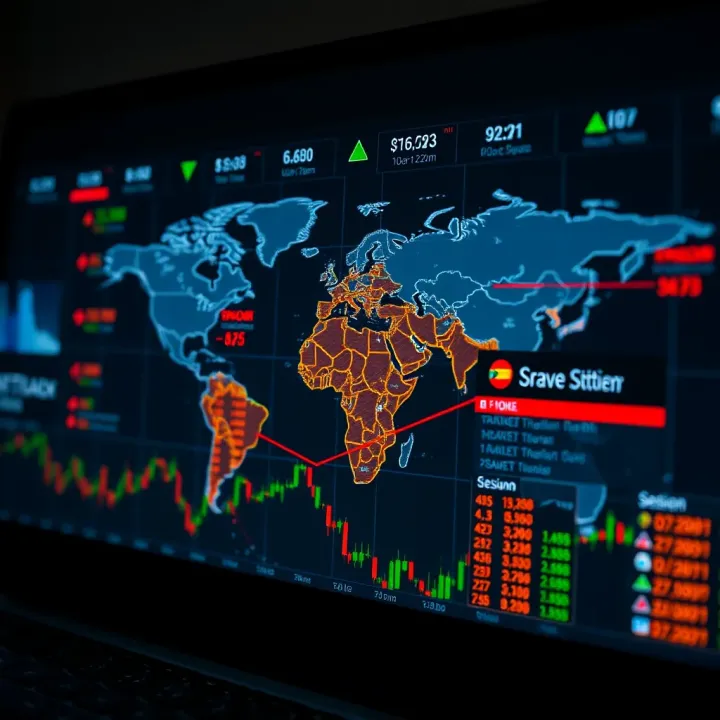
📈 Learn when to trade forex in South Africa with our guide to key market hours, global sessions, time zones, and tips for boosting your trading success.

🚀 Practical forex trading tips for South African traders! Improve skills, manage risks smartly, and grasp market trends to boost your success in forex📈
Based on 10 reviews