
Forex Trading Strategies PDF Guide for Traders
Discover practical forex trading strategies in PDFs 📘 covering technical & fundamental tactics, risk management, and tips to match your style and goals.
Edited By
Oliver Mitchell
Forex trading can be intimidating, especially with the ocean of information available online. For South African traders, having access to trustworthy, clear, and practical educational materials is key to building consistent success. This is where PDF resources come in handy — they offer focused, offline content you can review at your own pace without distractions.
These PDF guides often cover everything from the basics to more advanced topics. They explain key concepts like currency pairs, pips, leverage, and spreads in straightforward language. Plus, they walk you through popular trading strategies, how to analyse charts, and, crucially, how to manage your risks effectively.
"A well-structured forex trading PDF can save you hours of confusion and costly mistakes."
South African traders benefit from these PDFs especially because many include tailored advice reflecting our local market conditions — such as managing rand volatility, understanding the impact of SARB monetary policy, and considering loadshedding’s effect on digital trading access.
Some common features to expect in quality forex trading PDFs include:
Step-by-step tutorials on setting up trading platforms like MetaTrader 4 or MT5
Examples of real trades with clear explanations of decisions made
Glossaries of forex terms to build your vocabulary
Risk management techniques such as stop loss placement and position sizing
Insights into trading psychology to manage emotions
Many brokers and educational platforms compile these PDFs, allowing traders who prefer studying offline or without constant internet to stay on top of their game.
Before diving into any resource, check if it’s up to date and unbiased. Forex markets evolve, so relying on outdated PDFs could leave you with poor strategies or misconceptions. Also, some materials might encourage risky leverage or speculative tactics — always prioritise safety and gradual learning.
In the next sections, we’ll explore where to find credible PDF resources, how to make the most of them, and some must-read PDFs that suit South African traders' needs. Stay tuned if you want to sharpen your forex edge with reliable, practical education in handy PDF format.
Understanding the basics of forex trading provides a solid foundation before diving into more complex strategies. This section is vital as it introduces the fundamental concepts, ensuring you get a grip on how the forex market operates, who participates, and the mechanics behind currency trading. Having this groundwork can prevent costly mistakes, particularly for novice traders trying to navigate volatile markets.
The forex market is the largest financial market globally, operating 24 hours a day across different time zones. Its decentralised nature means trading doesn’t happen on a central exchange like the JSE but over-the-counter between participants worldwide. Key players include commercial banks, central banks, hedge funds, corporations, and retail traders. For example, the South African Reserve Bank (SARB) may intervene occasionally to influence the rand’s value, impacting currency movements directly.
Knowing who the major participants are helps you anticipate market behaviour. For instance, when large banks adjust their currency exposure, it can swing prices severely, offering opportunities or risks depending on your position.
Major currency pairs always involve the US dollar, such as EUR/USD, USD/JPY, and GBP/USD. These pairs are highly liquid, meaning they tend to have narrower spreads and smoother price action. For local traders in South Africa, pairs involving the ZAR (South African rand) like USD/ZAR or EUR/ZAR are often traded, but they tend to be more volatile due to liquidity and economic factors specific to South Africa.
Understanding each pair’s traits helps tailor your strategy. For example, USD/ZAR can react sharply to local events like commodity price shifts, load shedding reports, or political developments.
Leverage allows traders to control larger positions with a smaller amount of capital, called margin. For example, with a 1:100 leverage, you could control R10,000 worth of currency with just R100. While this amplifies profits, it also increases potential losses. South African traders must be cautious, as local brokers might offer varying leverage levels and regulatory guidelines from the FSCA help protect against excessive risk.
Understanding how margin works is equally important. If your margin level drops below a certain threshold, brokers may close your positions automatically to prevent further losses.
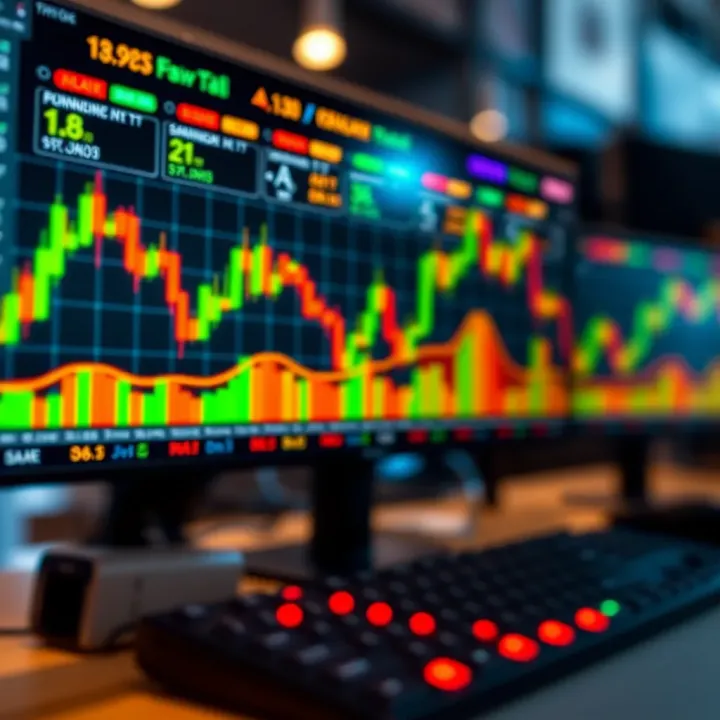
Forex quotes show the price of one currency relative to another, usually displayed as two prices: the bid (selling price) and the ask (buying price). For instance, if the USD/ZAR quote is 18.50/18.55, it means you can buy USD at 18.55 rand and sell at 18.50 rand. The difference, called the spread, represents the broker’s cost.
Being able to read quotes accurately ensures you know your entry and exit points. Watch out for wider spreads during volatile periods or low liquidity hours, which can affect your trading costs and profitability.
Getting comfortable with forex basics like market participants, currency pairs, leverage, and quoting lays the groundwork for smarter trading decisions and better risk control.
Mastering the fundamentals of forex trading starts with a firm grasp of essential terminology and key concepts. Knowing the language of the market is not just academic — it’s practical. It helps you avoid costly mistakes, communicate clearly with brokers, and make informed decisions about your trades. For example, understanding how spreads affect your entry and exit costs can significantly improve your trading outcomes.
Pip, lot, spread, and swap are the building blocks of forex trading language. A pip is the smallest price move a currency pair can make, usually the fourth decimal place. This means if the EUR/USD moves from 1.1050 to 1.1051, that’s one pip. Knowing this detail lets you calculate potential profits or losses precisely. Lots refer to trade size; a standard lot equals 100,000 units of the base currency, while mini and micro lots are smaller portions for lower-risk trading. Spread is the difference between the bid and ask price — basically, the cost you pay upfront to enter a trade. Swap refers to the interest paid or received for holding a position overnight, and traders need to keep an eye on swap rates as they can eat into profits.
Orders: Market, limit, stop-loss are the typical ways traders execute and control trades. A market order buys or sells at the current price instantly, useful in fast-moving markets. A limit order sets a specific price for buying or selling and only triggers if the price reaches that level, helping you avoid paying too much or selling too low. Stop-loss orders are crucial for cutting losses: they automatically close a trade if the price hits a set point. For instance, if you buy USD/ZAR at 15.00, a stop-loss at 14.80 limits your downside.
Chart types and indicators form the backbone of technical analysis. Traders use line charts, bar charts, and candlestick charts to visualise price movements over time. Candlesticks, especially, give a lot of insight through their shape and size, showing market sentiment in a glance. Indicators like moving averages, RSI (Relative Strength Index), and MACD (Moving Average Convergence Divergence) help identify trends, momentum, and possible reversal points. Imagine a moving average smoothing out volatile price swings to reveal the general direction clearly.
Economic indicators and news impact are the pillars of fundamental analysis. Reports like South Africa’s GDP growth, unemployment rate, or interest rate decisions by the South African Reserve Bank (SARB) can move the rand heavily. Traders watch these indicators closely since unexpected results often trigger swift price moves. News is also a major factor — political developments or unexpected events can upset markets sharply, so keeping an eye on economic calendars is smart practice.
Understanding these terms and concepts deeply is vital. They do not just decorate your knowledge but rather give you the tools to trade with confidence and precision, especially in a fast-paced market like forex.
Using forex trading education PDFs effectively can make a real difference in how quickly and confidently you develop trading skills. These resources condense complex ideas into accessible formats, allowing you to revisit concepts anytime without needing an internet connection. However, simply downloading PDFs won’t do much; it’s about how you engage with the material that counts.
Finding trustworthy forex PDFs is a key first step. Reputable sources include websites of established brokers regulated by authorities like the Financial Sector Conduct Authority (FSCA) or internationally recognised educational platforms that publish their own guides. For instance, brokers such as IG or Saxo Bank often provide solid educational material tailored for learners. Using PDFs from dubious sites risks running into outdated or misleading information, which can cost you dearly once you venture into live trading.
When considering free versus paid resources, it’s important to weigh value against cost. Free PDFs often cover fundamentals well enough to get beginners started, but may lack depth or regular updates. Paid materials typically offer more detailed strategies, ongoing support, or exclusive insights, making them worth the investment if you’re serious about steady progress. Just remember, paying for content doesn’t guarantee quality; always check reviews or ask for recommendations within South African trading communities before parting with money.
Structuring your learning around forex PDFs ensures consistent progress rather than aimless reading. Start by outlining your goals—whether understanding technical analysis, mastering risk management, or both. Break the material into sections and allocate daily or weekly reading targets based on your schedule. For example, dedicate mornings to going through a chapter on chart patterns, then afternoons to applying those patterns in demo accounts. This method prevents overwhelm and helps cement new knowledge steadily.
Taking notes actively while studying is vital. Writing down key terms, summarising strategies in your own words, or creating flashcards can enhance retention. Moreover, pairing reading with practical exercises like chart analysis or mock trades lets you test what you’ve learnt in real-world scenarios. Many PDFs include question sets or case studies—don’t skip these, as they're designed to deepen understanding through practice. Remember, learning forex is partly theory, partly hands-on experience.
Good study habits combined with reliable forex PDFs create a solid base for trading success. Treat these materials as living tools rather than merely reference papers; engage with them regularly and critically.
By focusing on quality sources and approaching your reading with a clear plan and active methods, you’ll extract genuine value from forex trading education PDFs. This approach equips you to navigate the market more confidently and, hopefully, more profitably.
Mastering key trading strategies is a must for anyone serious about forex trading. PDFs on these strategies break down practical approaches that traders use daily to navigate the forex market. These guides save you from guesswork by offering tested methods, showing when and how to enter trades, and highlighting risk management essentials. For instance, knowing the difference between scalping and swing trading can influence how you structure your day and manage trades.
Day trading and scalping focus on short-term trades, aiming for small profits over minutes or hours. Scalping involves rapid trades with tight stop-loss orders, targeting minor price movements. This suits traders who can monitor the markets closely and act fast, often using high leverage. For example, a scalper might enter and exit a EUR/USD trade within 5 minutes, aiming to grab a few pips.
Day trading covers a broader timeframe within the trading day, closing all positions by market close. It avoids overnight exposure, reducing risk tied to news events outside trading hours. This approach suits traders balancing active strategies with work or study schedules. PDFs explaining these techniques will often provide entry signals, exit rules, and money management tips.
Swing trading targets capturing larger price moves over a few days to weeks. Traders hold positions longer than day traders but still act relatively quickly compared to long-term investors. Swing traders rely heavily on technical analysis and key economic events to time entries and exits. For example, a swing trader might use a moving average crossover on the GBP/ZAR pair to signal a trade lasting several days.
Position trading involves holding trades for weeks or months, focusing on the bigger economic trends. It suits traders who cannot monitor markets daily and prefer a more passive approach. This strategy leans more on fundamental analysis, such as interest rate announcements or GDP data. PDFs covering position trading often include insights on assessing macroeconomic conditions and long-term chart patterns.
A fundamental skill forex PDFs teach is how to set stop-loss and take-profit points. Stop-loss orders limit losses by automatically closing trades once a certain price level is hit, protecting your capital against unexpected market shifts. Take-profit orders lock in gains when the price reaches your target. Properly setting these levels helps maintain discipline and prevents emotional decisions.
For instance, a trader on the USD/ZAR pair might set a stop-loss 50 pips below entry and a take-profit 100 pips above if aiming for a 2:1 reward-to-risk ratio. Many educational PDFs include examples and exercises to practice this crucial risk control.
Forex trading isn’t just numbers and charts; emotions like fear and greed often hijack good judgement. PDFs covering trading psychology help traders recognise common pitfalls like panic selling or overtrading. They offer strategies to keep a cool head — such as sticking to a trading plan, journaling trades, and avoiding revenge trading after losses.
Managing your mindset is particularly important in volatile pairs where sudden moves can tempt rash decisions. Understanding this aspect reduces errors and can help build consistency. Educational material often emphasises self-awareness as much as technical skill, guiding you to develop patience and confidence over time.
Smart risk management and emotional control mark the difference between a casual trader and a successful one. Forex education PDFs bring these lessons out clearly, with practical examples suited to real trading conditions.
By studying these strategies within PDFs, traders not only grasp theory but also gain tools to apply them practically. This encourages a disciplined, informed trading approach suited to the fast-moving forex market.
When stepping into forex trading, South African traders need to be aware of local factors that can impact their experience and success. These include the regulatory framework ensuring a safer trading environment, the right choice of brokers vetted for integrity, as well as practical issues such as payment options and avoiding unnecessary currency conversion costs. Getting these elements right helps traders protect their capital and avoid frustration.
South Africa’s regulatory authorities, mainly the Financial Sector Conduct Authority (FSCA), oversee forex trading activities to protect investors from scams and unethical brokers. Unlike some countries where forex regulation is murky, South Africa’s FSCA enforces clear guidelines that brokers must meet, such as maintaining adequate capital and fair trading practices. While the Financial Services Commission (FSC) is mentioned in some contexts, FSCA is the primary body relevant to South African traders.
Choosing a broker registered with the FSCA is crucial. This reduces risks of fraud and ensures your trading funds have a layer of protection in compliance with local laws. Many international brokers accept South African clients, but not all are FSCA-regulated. For example, reputable brokers like IG Markets and Plus500 hold FSCA licences, giving local traders peace of mind. Checking FSCA's online register can help confirm a broker’s status.
When depositing or withdrawing funds, South African traders have several practical avenues including EFT (Electronic Funds Transfer), debit or credit cards, and popular e-wallets such as PayPal or Skrill. EFT is often the cheapest method, but it may take two to three days to clear, which matters if you want to act fast. Using a broker that supports instant deposits via card or local payment systems can speed up your trading entry.
Managing currency conversion costs is another key piece. Many brokers operate in US dollars or euros, meaning your Rands will be converted every time you deposit or withdraw. This process can eat into your profits due to spread mark-ups on exchange rates and withdrawal fees. Some brokers provide multi-currency accounts or partner with payment processors that offer more favourable rates, which helps reduce these costs. Often, using a South African bank that offers competitive forex rates or dealing in Rand-denominated accounts, where possible, can limit currency losses.
It pays off to plan your broker choice and payment methods carefully. This saves you from hidden fees and delays, helping you focus on trading rather than hassle.
In short, South African forex traders should prioritise FSCA-regulated brokers and consider practical payment methods with low conversion costs. This local angle ensures safer trades and smoother money flows.
Discover practical forex trading strategies in PDFs 📘 covering technical & fundamental tactics, risk management, and tips to match your style and goals.
📘 Discover a complete forex trading guide in PDF format, covering strategies, risk management & practical tips to trade confidently in South Africa’s market.

🌍 Get key forex trading tips and insights from top PDF resources. Learn foundational concepts, risk management & strategies to boost your forex game! 📈

Looking to trade forex in South Africa? Discover which banks offer the best accounts, low fees, easy transactions, and strong support for your currency trading journey 💹
Based on 9 reviews