
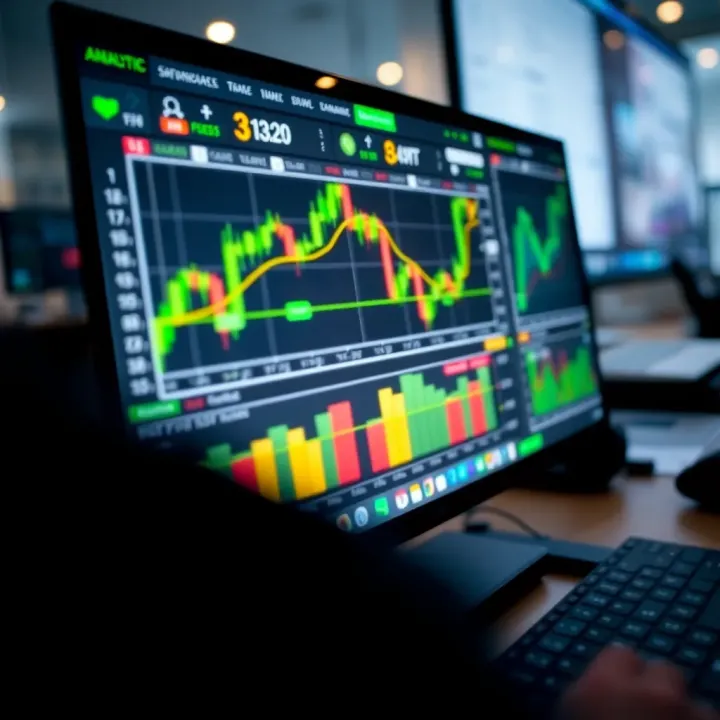
Complete Guide to Forex Trading Software
Explore forex trading software essentials: types, key features, risks, and expert tips to choose the right tool and boost your trading success 💹🔍
Edited By
Daniel Hughes
Forex trading bots have become increasingly popular tools for those looking to automate currency trading. These computer programmes execute trades based on pre-set rules and algorithms, removing the need for constant manual monitoring. For traders in South Africa, forex bots offer a way to stay active in the market despite hectic schedules or the unpredictability caused by local factors like loadshedding.
At their core, forex trading bots analyse market data such as price movements, volume, and economic indicators to identify trading opportunities. Once conditions meet the strategy’s requirements, the bot can open or close positions automatically. This quick reaction time can be an edge in fast-moving currency markets, where every second counts.

There are a few main types of forex bots:
Trend-following bots track the direction of price movements and trade accordingly, buying in bullish phases and selling in bearish ones.
Scalping bots aim for small profits by making numerous trades throughout the day, often holding positions for just minutes.
Arbitrage bots look for price differences between currency pairs or exchanges to capitalise on inefficient pricing.
Understanding how a bot operates helps you set realistic expectations. Bots rely heavily on historical data and programmed parameters, so they work best when markets behave according to typical patterns. Unexpected events or black swan moments can cause losses, so it’s wise to combine automated strategies with manual oversight.
Successful use of forex trading bots involves regular monitoring, fine-tuning algorithms, and adapting to both global market shifts and South Africa's unique economic climate.
Testing bots in a demo environment before deploying real capital is essential. It lets you evaluate performance without risking money and adjust settings for optimal results. With this foundation, you can better grasp the benefits and limits of forex trading bots, especially in the dynamic South African forex market.
In upcoming sections, we’ll explore practical tips on choosing reliable bots, managing risk, and integrating automation into your trading workflow.
Forex trading bots are software programs designed to automate currency trading decisions and transactions without direct human input. They analyse market data, identify trading opportunities, and execute orders based on predefined criteria or strategies. Understanding how these bots work is vital for traders aiming to enhance efficiency and reduce emotional bias during trading.
Trading bots save time by continuously monitoring multiple forex pairs across different markets. Instead of staring at charts all day, a trader can configure a bot to scan for signals using specific rules. For instance, a bot might automatically buy EUR/USD when the 50-day moving average crosses above the 200-day moving average—a classic technical signal. This automation helps capture opportunities even when traders are busy or asleep.
Automated trading involves software executing trades on behalf of a user based on programmed instructions. It eliminates the need for manual order placement, allowing trades to open or close instantly when market conditions match the bot's rules. For example, a trader might set a bot to place a stop-loss order the moment a currency pair moves unfavourably, limiting potential losses without constant supervision.
Automated trading is especially relevant in forex due to its 24-hour nature and fast-paced fluctuations. Bots provide speed and precision that manual trading can't match, helping traders react instantly to market changes and reducing human error.
Forex bots primarily perform three key tasks: market analysis, signal generation, and trade execution. They scan price movements and technical indicators, then decide when to enter or exit trades. This process relies heavily on algorithms programmed with specific strategies tailored to the trader's goals.
For instance, some bots focus on trend-following by analysing moving averages, while others specialise in scalping tiny profits from intraday price shifts. The key is consistency—bots stick to coded rules without hesitation, avoiding emotional decisions like panic selling or chasing losses.
Trading bots use a range of technical indicators such as moving averages, relative strength index (RSI), and Bollinger Bands to assess market direction and momentum. These indicators feed into more complex algorithms that weigh different signals against each other to predict market behaviour.
A practical example: Suppose a bot uses RSI to detect overbought conditions (RSI above 70). When the RSI hits that level, the bot might trigger a sell signal, anticipating a price reversal. By combining several indicators, bots reduce false signals and improve chances of profitable trades.
Once the bot has identified a trading opportunity, it executes orders automatically—whether buying or selling currency pairs. This automation happens in real-time, eliminating delays that human intervention might cause during volatile moments.
Instant execution is especially crucial for scalping or high-frequency strategies, where milliseconds can affect profitability. Furthermore, bots can place complex orders like stop-loss and take-profit limits simultaneously, managing risk even when traders are offline.
Remember, while bots handle execution efficiently, they require careful configuration and regular updates to adapt to changing market dynamics. It's not a "set and forget" solution but a tool to complement your trading approach.
In summary, forex trading bots combine programmed analysis with swift order execution to potentially improve trading outcomes. For South African traders, understanding these fundamentals provides a solid footing before exploring types, risks, and best practices later in this article.
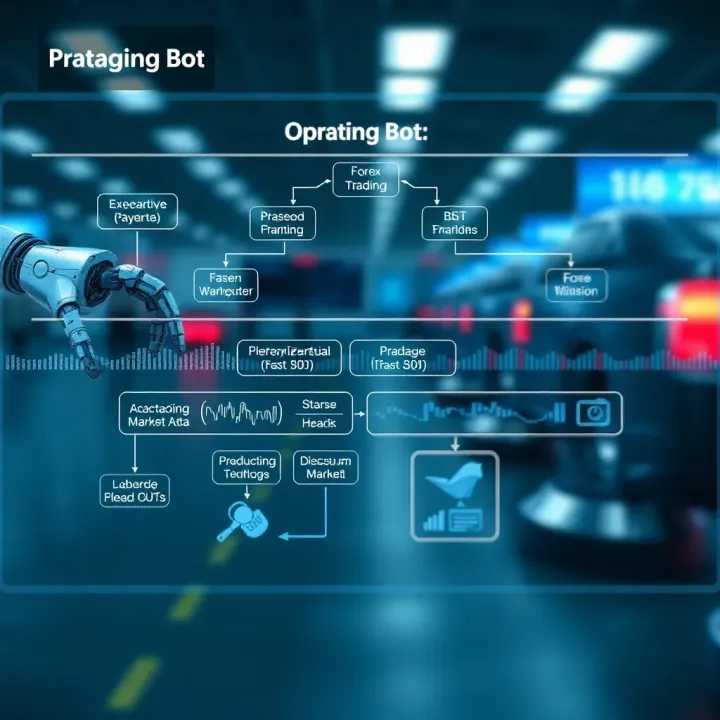
Understanding the variety of forex trading bots available helps traders pick the right tool that fits their style and goals. Different bots work differently, so knowing what’s on offer lets you make a smart choice instead of just grabbing the first one you see.
Rule-based bots operate on a fixed set of instructions defined by their creators. These bots follow predefined rules such as entering or exiting trades based on specific indicators like moving averages or RSI levels. Because of their straightforward design, they are easy to understand and customise. For example, a trader might program a bot to buy when the 50-day moving average crosses above the 200-day moving average and sell when the opposite happens. This simplicity makes rule-based bots reliable in stable market conditions but less flexible when unexpected market shifts occur.
On the other hand, AI-powered bots incorporate machine learning to adapt their strategy based on new data. These bots analyse vast amounts of market information, spotting patterns that aren’t obvious to humans or static algorithms. For instance, an AI bot can learn from the history of a currency pair’s behaviour during economic announcements and adjust its risk management accordingly. While these bots might handle volatile markets better, their complexity requires more computing power and closer monitoring, especially in the South African context where internet speed can vary.
Custom bots are tailored specifically to a trader’s method, preferences, and risk appetite. A South African trader focusing on the rand-dollar (ZAR/USD) pair might commission a bot that factors in local market quirks, such as high volatility during mining sector reports or the impact of Eskom’s loadshedding on global sentiment. This bespoke approach allows greater control and can align well with trading strategies honed over years. However, developing such bots often requires technical expertise or collaboration with skilled programmers, which might not suit everyone.
Commercial or off-the-shelf bots, meanwhile, are ready-made solutions aimed at a wide audience, ranging from beginners to experienced traders. These bots often come with preset strategies and user-friendly interfaces. For example, many are designed to work on widely used platforms like MetaTrader 4 or 5, making them accessible to South African traders who don’t want the hassle of building their own. Although convenient, these bots may lack the personalised edge of customised versions and could require adjustment to fit local market conditions properly.
Choosing between these bot types depends on your trading approach, technical skills, and the unique local climate of South African forex trading. Testing different options can help you find the best fit.
Rule-Based Bots: Simple, transparent, best for straightforward strategies
AI-Powered Bots: Adaptive, complex, suitable for dynamic markets
Custom Bots: Personalised, requires technical resources, aligns with specific goals
Off-the-Shelf Bots: Convenient, widely used, ideal for beginners and quick starts
Knowing these distinctions helps avoid wasted time and money. With the right type of forex trading bot, you can improve your chance of consistent profits and reduce emotional trading errors.
Forex trading bots offer clear benefits but also come with risks that traders in South Africa should understand before relying heavily on automation. Knowing these pros and cons helps you weigh whether a bot fits your trading style and goals.
Automated trading bots take over routine decision-making by following predefined strategies without hesitation. For instance, when global market news triggers sudden volatility, a bot can act instantly, buying or selling without pausing to second-guess. This saves traders from spending hours glued to screens and prevents impulsive trades driven by fear or greed. Especially for retail traders juggling work and family responsibilities, bots can keep strategies running while you’re busy elsewhere.
A major edge of bots is their capacity to track and trade across several currency pairs or even different asset classes at once. Imagine a trader wanting to keep an eye on USD/ZAR, EUR/USD, and GBP/USD concurrently. With manual trading, this spreads your attention thin, risking missed opportunities. A well-programmed bot can scan all these markets continuously, executing trades wherever the system spots profitable setups. This expanded reach is tough for any human to match and can improve your chances of catching more trading opportunities.
Bots depend on computers, software, and data feeds, so technical glitches are always a risk. A bot might freeze during critical market moments or misinterpret faulty data. Overoptimisation, where developers tweak bots to work perfectly on past data, also poses dangers. Such bots often struggle in real markets because they’re too narrowly tailored to past conditions, like a bakkie tuned only for flat roads failing on rough terrain. This can lead to unexpected losses.
No bot can predict sudden geopolitical events or major economic surprises affecting currency markets. Bots generally perform best in stable, trending markets. If data feeds are slow or inaccurate—common during heavy internet traffic or unstable connections—it can cause poor trade execution or missed signals. South African traders should factor in local internet reliability when using bots, especially during Eskom loadshedding periods which might disrupt connectivity.
Successful use of forex trading bots means understanding both how they improve trading efficiency and where their limits lie. Remaining alert to technical and market risks helps you avoid overreliance and keeps you in control.
In summary, while forex trading bots save time and broaden trading scope, they demand careful selection, ongoing oversight, and awareness of technical vulnerabilities and changing market conditions. This balance ensures the bot serves as a helpful tool, not a blind decision-maker.
For South African traders, selecting the right forex trading bot isn’t just about picking the flashiest software; it’s a decision that directly affects your trading success and risk levels. Trading bots can automate strategies effectively, but knowing what to look out for can save you from costly mistakes. This section highlights key advice to navigate the local market and get the most from automated trading.
Choosing a credible vendor goes beyond shiny websites and big promises. Look for bots developed or endorsed by traders who have a verifiable track record within the South African trading community. User reviews on forums like MyBroadband or specialised groups on social media can reveal real-world experiences with performance, support, and software bugs. For instance, a bot that consistently underperforms during periods of rand volatility might not suit your needs.
Equally, verify if the vendor provides clear communication and regular updates – this signals ongoing support rather than a one-off launch. Some local traders have found success with smaller, lesser-known developers offering tailored South African market solutions, but the risk of limited support should be factored in.
Every bot follows a particular strategy, such as trend-following, mean reversion, or scalping. You need to understand how the bot makes decisions before committing funds. For example, a bot that thrives on high liquidity pairs like EUR/USD might struggle with ZAR/USD due to local market quirks.
Costs also vary widely. Some bots charge a one-time fee; others take monthly subscriptions or a percentage of profits. Hidden costs like data subscriptions or VPS hosting fees can add up. Being clear on the total cost of ownership helps you avoid surprises that eat into your returns. Many South African traders have found that transparent pricing and a trial period provide confidence before investing.
Even the smartest bots aren’t set-and-forget solutions. Markets can shift quickly, especially with events like changes in SARB’s repo rate or sudden political developments. Keeping a watchful eye and knowing when to pause or adjust the bot is crucial. For instance, if the rand suddenly weakens due to an unexpected load-shedding announcement, some bots may keep trading blindly, increasing risk.
Maintaining a balance where you allow the bot to handle routine tasks but step in during abnormal conditions can protect your capital and improve overall results.
Most brokers offer demo accounts that replicate live trading conditions using fake money. Before you expose real cash, test your chosen bot on a demo to see how it reacts to different market conditions. This trial uncovers any misconfigurations or unexpected behaviour.
For example, you might discover that the bot’s algorithm struggles during South African market hours or when the ZAR experiences sudden spikes against the dollar. Testing prevents nasty surprises and builds your confidence. It's a standard step among experienced South African traders to prevent prematurely burning through capital.
Taking the time to thoroughly vet and adapt your trading bot can make all the difference between gains and losses, especially in the unique conditions of the South African forex market.
By focusing on vendor authenticity, strategy clarity, and cautious integration, you’ll be better placed to use forex trading bots effectively within Mzansi’s dynamic environment.
South African forex traders face unique challenges and opportunities when working with trading bots. Understanding these local nuances helps users avoid pitfalls and optimise their automated strategies. From regulatory rules to internet quality and economic factors, each plays a role in shaping how bots perform in Mzansi.
The Financial Sector Conduct Authority (FSCA) is South Africa's main regulator for financial services, including forex trading. It oversees all market participants to ensure fairness and transparency, with a keen eye on protecting traders from fraudulent schemes. For anyone using forex trading bots, knowing that both the bot provider and broker are FSCA-compliant is vital. This compliance means they meet minimum standards and are subject to oversight.
Even if bots operate on international platforms, South African traders should prioritise FSCA-licensed brokers. That way, they can access local legal recourse and avoid being caught up in shady offshore arrangements. For example, a broker without FSCA approval might suddenly shut shop or withhold funds, leaving traders in the lurch.
Not all trading bots are created equal, especially in a local context. South African traders must check whether a bot integrates properly with FSCA-approved brokers and follows the country's financial regulations. This step prevents issues like failed trade executions or violation of capital controls.
Many bots depend on APIs from brokers for market data and order execution. If the broker’s platform has restrictions or isn't optimised for local networks, the bot’s efficiency suffers. Traders should also verify that the software provider is transparent about their licensing and regulatory status to avoid fines or trading interruptions down the line.
In South Africa, internet stability varies a lot by location. Traders in Johannesburg or Cape Town might enjoy reliable fibre connections, while those in rural areas often rely on slower or less consistent ADSL, LTE, or mobile networks. Automated trading bots depend heavily on speed and stability to react to market changes in real time.
High latency or dropped connections can cause delayed order executions or missed signals, leading to unwanted losses. Traders should consider using a Virtual Private Server (VPS) situated near their broker’s servers, which can cut down latency significantly. This approach is common for serious traders who want their bots to run smoothly despite local internet hiccups.
The South African rand (ZAR) tends to be more volatile than major currencies like the US dollar or euro due to local economic factors, political changes, and commodity price swings. Bots must be configured to handle sudden price moves, or else they risk triggering stop-losses unnecessarily or missing trading opportunities.
Moreover, South Africa’s capital controls and foreign exchange regulations can restrict large fund transfers or require additional paperwork when trading forex offshore. Traders using bots must stay updated on these rules to ensure they do not breach any limits. For instance, adhering to the Reserve Bank’s regulations helps avoid penalties or having accounts frozen, especially when automating trades in foreign currency pairs.
Navigating South Africa’s forex trading environment isn’t just about picking the right bot. It’s equally about understanding how regulations, infrastructure, and market behaviour influence automated strategies. Taking these factors seriously will make your trading journey smoother and safer.
Explore forex trading software essentials: types, key features, risks, and expert tips to choose the right tool and boost your trading success 💹🔍
Explore forex trading simulators to practice currency trading risk-free! Learn features, tips, and how to pick the best one for South African traders 📊💱

🌍 Explore key players, market structure, proven trading strategies, risk controls, regulations & economic impact in global forex trading insights. 💹

📈 Learn about forex trading sessions, their timing, key traits, and tips to use session info and PDFs effectively for smarter trading decisions.
Based on 13 reviews