
Forex Trading Basics for Beginners
📈 New to forex trading? Learn key terms, market basics, practical strategies & risk steps to start trading confidently in South Africa’s forex scene today!
Edited By
Charlotte Evans
Forex trading, or foreign exchange trading, is the process of buying and selling currencies to profit from their changing values. It's the largest financial market worldwide, with a daily turnover exceeding $6 trillion, and South Africans are increasingly drawn to it due to accessible digital platforms and the chance to diversify income.
Trading forex isn’t as straightforward as swapping rands for dollars at a bureau de change. It involves understanding currency pairs, market trends, and the factors that influence exchange rates, such as economic data releases and geopolitical shifts. For instance, when the South African Reserve Bank announces interest rate changes, it often causes noticeable movements in the rand’s value against the US dollar or euro.
Before diving in, it’s vital to grasp the basics:
Currency pairs: Forex trades are made in pairs – like ZAR/USD or EUR/USD. You’re always buying one currency while selling another.
Leverage and margin: Most brokers offer leverage allowing you to control larger positions with a smaller deposit. However, this amplifies both potential profit and loss.
Market hours: The forex market operates 24 hours from Monday morning Sydney time to Friday evening New York time, so you can trade almost any time of day.
With South Africa's unique forex environment, your local context matters. Exchange control regulations mean you must deal with authorised dealers for offshore forex, and you should be mindful of POPIA when sharing personal info with brokers. Many online brokers accept South African clients, but choosing one regulated by the Financial Sector Conduct Authority (FSCA) or reputable global bodies ensures security.
New traders often underestimate how fast market conditions can change. Risk management from day one will help you avoid substantial losses.
To get started practically:
Open a demo account with a reliable broker to practice without real money.
Learn to read forex charts and understand technical indicators.
Stay updated on global economic news impacting currency values.
By building a solid foundation tailored to South African realities, you can take confident steps toward trading forex with clearer expectations and better control over your exposure.
Getting a solid grasp of the basics is the first step before putting any money on the line in forex trading. It helps you understand how the market works, what moves prices, and how you can position yourself to take advantage of fluctuations. This foundation is especially important for South African traders who need to navigate both global influences and local specifics like the Rand’s behaviour.
Forex trading, short for foreign exchange trading, involves buying and selling currencies against each other. Traders aim to profit from changes in exchange rates. For instance, if you believe the South African Rand (ZAR) will strengthen against the US Dollar (USD), you might buy the ZAR/USD currency pair to benefit from any upward move in the Rand.
The forex market always trades currencies in pairs. The first currency in the pair is the base currency, and the second is the quote currency. A quote like USD/ZAR 18.50 means one US Dollar costs 18.50 Rand. When you trade forex, you’re buying one currency while simultaneously selling the other. This makes it important to understand both components: you speculate not just on a currency’s value but its performance relative to another.
Major pairs include currencies from large economies such as the USD, Euro (EUR), British Pound (GBP), and South African Rand (ZAR). These pairs tend to have higher liquidity and tighter spreads, making them more accessible to new traders. Minor pairs don’t involve the USD but include major currencies like EUR/GBP. Exotic pairs mix a major currency with a less traded one, such as USD/ZAR or EUR/TRY (Turkish Lira). Exotic pairs often offer larger price swings but come with wider spreads and more volatile behaviour — something new traders should approach with caution.
The forex market operates 24 hours a day during weekdays, opening in Asia, then Europe, and finally the Americas. Liquidity varies across these sessions — the overlap between London and New York sessions usually sees the highest trading volumes and tightest spreads. For South African traders, this means the best trading times often fall during their afternoon and evening hours, coinciding with the European and US markets.
Large banks and financial institutions dominate forex trading, accounting for most daily volume. They provide liquidity, facilitate large trades, and influence market trends. For example, when the South African Reserve Bank adjusts interest rates, these institutions react swiftly, affecting how currencies like the Rand perform.
Retail traders are individual investors who access the forex market through brokers. While they make up a smaller slice of the total volume, retail trading has grown significantly with online brokers offering access to global forex markets. Retail traders often face challenges like higher transaction costs and slower access to market-moving news.
Brokers serve as the gateway for retail traders to access forex markets. They execute trades, offer platforms, and sometimes act as market makers — providing liquidity by taking the other side of a trade. Understanding the role of your broker is crucial, especially regarding fees, order execution speed, and whether they operate as an honest intermediary or have conflicts of interest.
A strong foundation in forex basics can save you from common pitfalls and help you make informed, confident choices. It’s not just about knowing the terms but also how they play out in daily trading.
Starting forex trading from South Africa requires careful preparation to navigate local regulations, payment methods, and trading conditions. Setting up correctly protects your capital and ensures you trade within the law. This section covers key steps like choosing a trustworthy broker, opening and funding an account, and understanding leverage and margin. Each part addresses South African-specific factors to give you confidence as you step into the forex market.
South African traders should prioritise brokers regulated by the Financial Sector Conduct Authority (FSCA). FSCA regulation offers protection against fraud and ensures brokers follow proper risk controls, transparency, and client fund segregation rules. For example, a FSCA-registered broker must hold client funds separately from its operational accounts, reducing the risk of losing your money if the broker experiences financial trouble. Choosing an FSCA-regulated broker also means easier access to dispute resolution when needed.
The platform a broker offers is your trading workspace, so it needs to be reliable and user-friendly. Popular platforms like MetaTrader 4 and 5 are common because they have comprehensive charting tools, automated trading options, and support South African rand pairs. Mobile apps are essential as many traders check positions while on the go. When assessing brokers, test their demo accounts to ensure the platform works smoothly and provides all the analysis tools you’ll need.
Spreads—the difference between buying and selling prices—affect your overall trading costs. Brokers may offer fixed or variable spreads; the latter tend to be tighter during active market hours but wider during low liquidity. Fees like commissions or overnight holding costs can also affect profitability. Account types differ by minimum deposit, leverage, and execution speed. For instance, a standard account might suit beginners with modest deposits, while professional traders might prefer accounts offering direct market access and lower spreads.
South African brokers follow the Regulation of Interception of Communications and Provision of Communication-Related Information Act (RICA) for client identity verification. This means you’ll need to provide a valid ID document, proof of residence like a municipal bill, and possibly a selfie or video verification. These steps help prevent identity theft and money laundering, making your trading environment safer.
Funding your trading account in South Africa often happens via local bank transfers, which may take a day or two but are reliable and cost-effective. Some brokers also support e-wallets like PayPal or Skrill, offering quicker deposits and withdrawals. For example, funding through PayFast or Ozow allows instant rand deposits to your trading account, useful if you want to jump on sudden market moves.
You want to avoid unnecessary currency conversion fees, so using brokers that accept South African rand (ZAR) deposits simplifies matters. It means when you deposit funds via your FNB or Standard Bank account, you won’t lose money to forex conversion costs. Always check withdrawal turnaround times too; some brokers process Rand withdrawals in under 48 hours, while others take longer.

Leverage allows you to control larger positions with a smaller amount of money. For example, 1:100 leverage means you can trade R1,000 worth of currency with just R10 margin. This amplifies potential gains but also losses. South African brokers usually offer capped leverage ratios, for instance 1:30, to protect retail clients from excessive risk.
Using very high leverage may seem attractive but it increases chances of violently fast losses, especially during volatile sessions or unexpected news events. If you trade with 1:100 leverage and the market moves against you just 1%, your entire margin could be wiped out. This means cautious leverage use is vital.
A margin call happens when your account equity falls below the minimum margin required to keep trades open. The broker may ask you to add funds or close losing positions. If you fail to do so, a stop out occurs where the broker forcibly closes trades to prevent your balance going negative. Understanding these terms helps avoid painful surprises and keeps your trading capital safer.
Setting up correctly sets the foundation for your forex trading success. Taking time to choose the right broker, funding your account calmly, and using leverage wisely can spare you headaches and heavy losses down the line.
Getting a grip on fundamental and technical analysis is vital for anyone keen to make sense of the forex market. These two approaches help traders dig beneath price movements to understand what drives them and when best to act. For beginners, blending these methods offers a practical edge, so you’re not just guessing, but trading with reliable clues.
Interest rates set by central banks, such as the South African Reserve Bank (SARB), influence forex prices heavily. When interest rates rise, the currency often strengthens because higher rates attract foreign capital seeking better returns. For example, if SARB increases rates while the US Federal Reserve holds steady, the rand might gain ground against the dollar.
Traders watch closely for central bank statements, as sudden policy shifts can lead to swift market moves. Understanding this helps you anticipate when a currency could trend, avoiding surprises in volatile conditions.
Economic reports like GDP growth, unemployment figures, inflation, and retail sales offer snapshots of a country’s financial health. Positive data can boost a currency’s appeal, while disappointing results often weigh it down. For South African traders, monthly inflation data or quarterly GDP figures can signal potential turning points in the rand’s trajectory.
News events can also cause sharp, short-term swings. For instance, a sudden spike in Eskom load-shedding announcements might pressure the rand as investors fret over economic growth risks. Keeping an eye on an economic calendar ensures you’re not caught off-guard.
Political stability plays a key role in forex. Elections, policy changes, or unrest in South Africa or abroad can rattle markets. Consider when South Africa’s government releases the national budget or when tensions flare in major trading partner economies—these events ripple through currency values.
On a broader scale, geopolitical tensions such as trade disputes or conflicts impact global capital flows. Forex traders watch these closely since risk appetite can evaporate quickly, pushing safe-haven currencies like the US dollar higher.
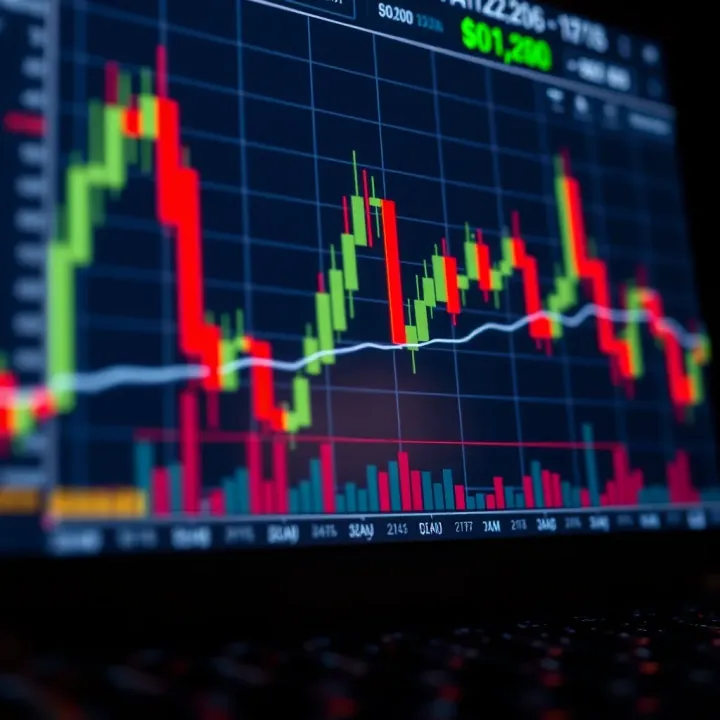
Charts are the visual heart of technical analysis. Candlestick charts, in particular, pack a lot of info — they tell you opening, closing, high, and low prices within specific time frames. Recognising patterns such as dojis or hammer candles helps identify potential reversals or continuations in price action.
For example, spotting a hammer candle after a downtrend can suggest a shift to buying pressure, signalling a smart moment to enter or exit trades.
Support and resistance are key price points where currencies tend to stall or reverse. Support is where buying interest prevents prices from falling further, while resistance caps upward moves. These levels emerge from previous highs or lows and round numbers.
In practice, if the USD/ZAR pair keeps bouncing off R17.50, that’s a strong support zone. Knowing these boundaries helps manage risk, allowing you to place stop-loss orders just beyond these levels.
Indicators like Moving Averages (MA), Relative Strength Index (RSI), and Bollinger Bands give quantified insights. For instance, an MA crossover might indicate a trend change, while RSI levels over 70 can suggest an overbought market.
Using these tools together refines timing. Say RSI signals oversold conditions, coinciding with a support level — this cluster strengthens the case for a potential buy.
Neither fundamentals nor technicals tell the full story alone. By combining both, you get a balanced view: fundamentals explain why prices move, and technicals tell you when and where to act.
For example, if the SARB hints at cutting rates (fundamental) and charts show the rand nearing a key support zone (technical), it might be a good setup to buy the rand. This blend helps make smarter, more confident trading choices rather than relying on guesswork.
Trading success often comes from using all the clues available — fundamentals give you the why, technicals give you the when. Both pieces matter in understanding the moving puzzle of forex prices.
This practical mix is what beginners should aim for before diving deeper into strategy development. It’s about seeing the big picture plus the fine details together.
Having a clear trading strategy paired with a solid risk management plan separates successful forex traders from those who burn through their capital quickly. A strategy gives you a tested approach to entering and exiting trades, while risk management ensures you protect the cash you’ve worked hard to save. Without these two pillars, trading becomes guesswork, and losses can pile up fast.
Day trading involves opening and closing trades within the same session, aiming to profit from short-term price moves. This suits traders who can dedicate focused hours daily and handle fast decision-making. Swing trading, on the other hand, captures price moves over several days or weeks, requiring less screen time but more patience. Position trading takes an even longer view, holding trades for weeks or months based on broader market trends. Knowing which style fits your schedule, temperament, and capital is crucial to stay consistent and avoid burnout.
Trend following means riding a currency pair’s momentum, buying when prices rise and selling when they fall, rather than guessing reversals. It’s like hitching a ride on a bakkie moving steadily along the N1—the smoother the ride, the better. Breakout setups identify moments when prices break through key support or resistance levels, signalling potential big moves. Both methods rely on discipline to wait for confirmation and reduce the risk of jumping the gun.
Scalping seeks to profit from tiny price changes, holding trades for mere minutes or even seconds. It demands fast reflexes, tight spreads, and low commissions to make small gains add up. Traders often use one-minute charts and high leverage, which makes scalping risky for beginners. Besides, high emotional pressure can lead to costly mistakes if you don't keep calm. Scalping might be tempting, but it’s better suited for those with solid experience and nerves of steel.
Stop-loss and take-profit orders act as safety nets and targets for your trades. A stop-loss automatically closes a losing trade at a predetermined price to prevent bigger damage, while a take-profit locks in profits once the price hits a favourable level. These tools prevent emotions from pushing you to hold losing positions too long or exit winners prematurely—essential for disciplined trading.
Choosing how much to risk per trade keeps you afloat during losing streaks. A common rule is risking no more than 1–2% of your trading capital on a single trade. For example, a trader with R10,000 might risk R100–R200 per position. This approach lets you survive a bad patch without wiping your account, and helps maintain steady growth.
Keeping a detailed journal of your trades, including entry and exit points, market conditions, and your thoughts, builds self-awareness and sharpens strategies. Reviewing your journal regularly helps identify patterns—what works and what doesn’t—turning experiences into lessons. Traders who neglect this step often repeat the same mistakes unknowingly.
Forex markets can trigger fear, greed, and impatience. These emotions cloud judgement, causing rash decisions such as over-trading or ignoring stop-losses. Successful traders learn to recognise these feelings and stick to their plan regardless. Practising mindfulness or taking breaks during volatile sessions helps maintain emotional balance.
Trading isn’t about hitting a home run daily. Patience allows trades to develop and consistency over time brings sustainable profits. The temptation to chase every opportunity leads to burnout and losses. Setting realistic goals and following your strategy carefully keeps you in the game longer.
Losses are part and parcel of trading. Accepting them without frustration and analysing what went wrong improves future decisions. Instead of doubling down impulsively, successful traders treat losses as feedback—not failure—and adjust accordingly.
A solid strategy and good risk management transform trading from gambling into a manageable business. No one wins every trade, but protecting your capital and learning from mistakes keeps you moving forward.
Trading well isn’t just about knowing when to buy or sell; it’s about how you manage what’s at stake and handle what the market throws at you.
Starting out in forex trading requires more than just a basic understanding of currency markets; having the right tools and access to quality resources can make a real difference. These practical aids help traders navigate the complex and fast-moving forex environment effectively, making informed decisions while managing risk. Whether it’s the trading platform used to execute deals or reliable sources of market news, being equipped with practical tools saves time and boosts confidence.
MetaTrader 4 (MT4) and MetaTrader 5 (MT5) remain the go-to platforms for most South African traders due to their user-friendly interface and versatile features. These platforms offer real-time charts, technical indicators, and automated trading options. Beyond MetaTrader, platforms like cTrader and Thinkorswim provide advanced charting tools and better visualisation, well suited for those keen on detailed technical analysis.
A reliable platform isn’t just about convenience; it affects execution speed and the accuracy of trade orders, which can impact your bottom line — especially if you’re scalping or day trading. Choosing a platform that matches your trading style and integrates well with your broker’s systems is key.
Trading doesn’t stop when you leave your desk. Mobile apps from brokers like IG, Plus500, and local names such as EasyEquities or RFA Markets allow you to monitor markets and execute trades while on the move. These apps keep you connected to live price feeds and include alerts for price levels or news.
For instance, if you’re in Johannesburg and suddenly hear about an unexpected political event affecting the rand, having a mobile app means you can react immediately rather than waiting to get to your computer. Just mind your data usage and ensure you have a good, stable connection to avoid slippage.
Demo accounts simulate the real markets without risking your money, making them perfect for beginners. South African brokers typically offer these accounts so traders can get familiar with platform features, test strategies, and understand order types without pressure.
Practice in a demo environment helps you see how market orders, stop-losses, and take-profit settings work in real-time. Transitioning to a live account only after feeling confident on demo accounts usually leads to better decision-making and risk management.
Staying informed is vital; currency markets react swiftly to news. South Africans should track both local events and international developments. Sources like Fin24, BusinessTech, and international providers such as Bloomberg or Reuters keep traders updated on economic releases and political shifts.
This dual perspective matters because the rand is sensitive to domestic concerns like ANC leadership changes but also reacts to global factors such as US Federal Reserve meetings.
Following an economic calendar helps traders anticipate market-moving events — think interest rate announcements, GDP reports or unemployment figures. Many brokers and financial news sites offer free calendars with alerts.
Setting notifications for key events means you won’t miss moments that cause volatility and can plan your trades to avoid sudden unexpected moves.
The rand’s value often hinges on factors unique to South Africa: Eskom loadshedding impacting investor sentiment, mining output, or political developments in Tshwane and Pretoria.
Understanding these nuances can help you anticipate trends or hedge risks better. For example, a sudden spike in loadshedding stages might weaken the rand, making forex trades involving ZAR riskier that day.
Several South African companies provide tailored forex training, recognising the unique challenges local traders face. Providers like the Forex Academy or Market Wizards South Africa offer courses combining practical hands-on lessons with market insights relevant here.
These programmes often include live sessions and mentorship, helping traders grasp both technical skills and market psychology.
Communities such as the Forex Traders SA Facebook group or threads on MyBroadband are goldmines for sharing tips, asking questions, and learning from others’ experiences. Social media gives real-time access to market chatter and connects you to fellow South African traders.
Active participation sharpens your understanding and exposes you to diverse strategies and pitfalls.
Webinars hosted by brokers or independent educators are a convenient way to deepen knowledge on specific topics like trading strategies or risk management. Tutorials on YouTube or forex education sites provide visual walkthroughs, often step-by-step, useful for digesting complex information.
Regularly attending these sessions keeps your skills up to date and builds discipline through structured learning.
Access to the right practical tools and resources isn’t a bonus but part of a solid foundation for successful forex trading, especially in a dynamic market like South Africa’s.
📈 New to forex trading? Learn key terms, market basics, practical strategies & risk steps to start trading confidently in South Africa’s forex scene today!
📘 Learn the basics of forex trading with top books covering strategies, risk management, and psychology. Perfect for South African beginners looking to trade confidently.
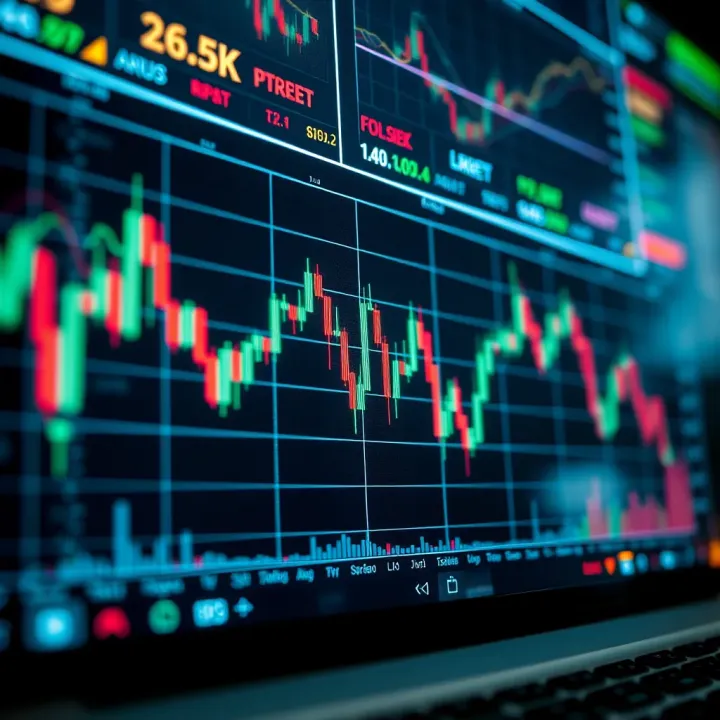
📈 New to forex trading? Get practical tips on market basics, smart strategies, risk management & trusted resources to build your confidence & skills.
📹 New to forex? Discover how forex trading videos can boost your learning, spot top content, avoid common mistakes, and start trading smarter today!
Based on 9 reviews