

How to Convert Hexadecimal to Binary Easily
Convert hex to binary with ease! Learn number systems, conversion techniques, practical uses, and tips for effective use in tech. 🔢💻
Edited By
Victoria Allen
Samsung devices come with a security feature called Factory Reset Protection (FRP) designed to stop unauthorised access after a reset. If you see the message "custom binary blocked by FRP lock", it means the device detected software or firmware that isn’t officially authorised, triggering a lock to protect your data.
This usually happens when someone tries to flash unofficial software, or the device’s system files get corrupted. For example, if a trader attempts to install a custom ROM to bypass restrictions but doesn’t follow the proper steps, FRP will kick in and prevent the device from booting.
Understanding this message helps you avoid unintentionally bricking your device or losing access. What’s worse — simply ignoring it and trying to force a reset might lock you out permanently.
For investors and analysts whose work depends on mobile accessibility and apps, locked devices slow down business and can cause downtime.
Key points to consider:
FRP kicks in after a factory reset or attempted custom firmware installation.
It ties the device to the Google or Samsung account previously signed in.
To resolve this, you usually need to verify the original account credentials.
In practical terms, resolving this issue involves either reverting to official firmware or using authorised Samsung tools like Smart Switch. Bypassing FRP without proper credentials can lead to voiding your warranty or violating service agreements.
Knowing the root cause and respecting FRP’s purpose helps maintain your device’s integrity while avoiding costly mistakes. Later sections will sketch step-by-step fixes tailored for Samsung devices, balancing security and usability.
Even if customisation or service interruptions tempt you to cut corners, handling FRP correctly keeps your device working smoothly, especially when you need quick, reliable mobile access in business settings.
The 'Custom Binary Blocked by FRP Lock' error often catches Samsung device owners off guard. Understanding what sparks this message is vital for anyone looking to maintain their device's security while navigating firmware updates or repairs. This message indicates Samsung’s built-in security system is actively blocking unauthorised firmware, protecting your device against misuse—especially if it’s stolen or reset without permission.
Factory Reset Protection (FRP) is a safeguard designed to prevent unauthorised factory resets on Samsung mobiles and tablets. When activated, FRP requires the user to log in with the Samsung account credentials last used on the device after a reset. This means even if someone does a factory reset via recovery mode, they can’t proceed without the correct login details, keeping the device secure in cases of theft or loss.
For example, if your device is stolen and wiped, the thief will be locked out because FRP demands verification. This setup fortifies device security and discourages theft, but it can catch genuine users off guard if they forget their credentials or attempt unofficial software changes.
After a factory reset, FRP activates a lock that halts the device boot sequence until the original Samsung account credentials are entered. This lock acts like a checkpoint, ensuring that only the rightful user can finish the setup. It’s a practical defence against unauthorised access, but it also means flashing custom or altered firmware can instantly trigger the lock.
The lock’s effectiveness relies on Samsung’s security firmware, which monitors system signatures and flags anything tampered with. So, even if someone tries to sneak in a modified OS version, FRP steps in to block these unauthorised binaries from booting.
One common trigger for the 'Custom Binary Blocked' message is installing unofficial or customised ROMs, which Samsung’s security views as potential threats. For example, users who try to root their device or install third-party software via Odin (a flashing tool) risk activating FRP’s block as the system detects a change in expected signatures.
This helps discourage risky firmware modifications that can compromise device security or stability. For most users, sticking to official updates from Samsung avoids this problem entirely.
Sometimes, mid-update failures or interrupted downloads can corrupt firmware, signalling an unusual state to Samsung’s security checks. An incomplete or corrupted install may look like unauthorised software to the system, prompting FRP to block the device from booting for safety.
Think of it like a bakkie that stalls because the engine didn’t get enough petrol—your phone’s firmware can’t start correctly if it’s incomplete, and FRP sees this as a red flag.
Samsung's security algorithms scan for any unrecognised changes in system files or bootloader status. These include unlocked bootloaders, altered recovery images, or unofficial kernel versions. When detected, the system won’t allow the device to boot with modified firmware and triggers the block.
This measure ensures that devices maintain integrity, but it means enthusiasts who experiment with software mods will have to find proper, device-specific methods to bypass or disable FRP, often requiring careful follow-up steps.
Understanding these causes helps you make informed decisions when updating or modifying your Samsung device. It also emphasises the need to keep your Samsung account details handy and to proceed cautiously with firmware changes to avoid unexpected lockouts.
Understanding when Factory Reset Protection (FRP) is blocking a custom binary on your Samsung device is essential for diagnosing and resolving startup issues. Recognising the symptoms early can save you unnecessary frustration and help avoid actions that might worsen the problem, like flashing incompatible firmware. For traders or technical analysts who rely heavily on mobile devices, this knowledge ensures business continuity and protects sensitive data.
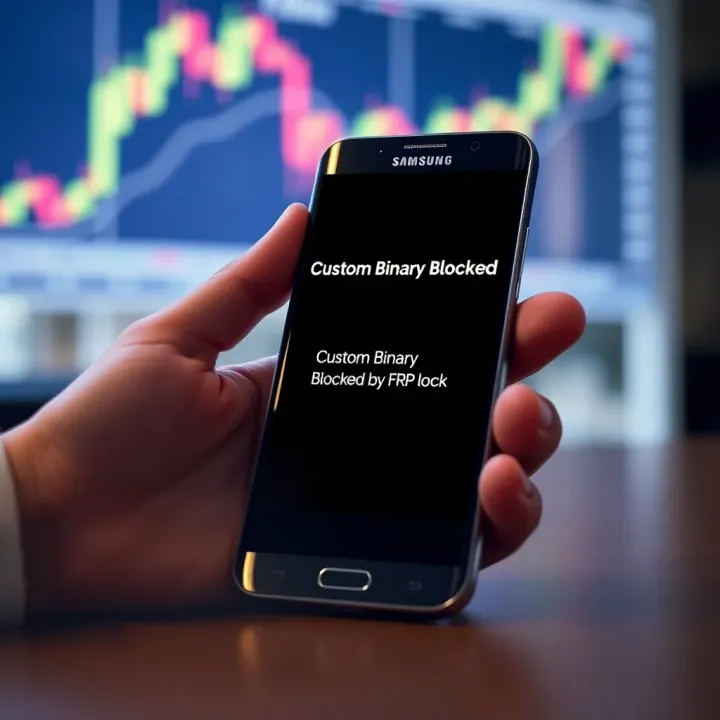
When FRP locks a custom binary, Samsung phones often display specific messages during boot-up. The most common one reads: "Custom binary blocked by FRP lock". This alert signals that the device detected unauthorised software and, as a security measure, prevented it from running. Sometimes, a warning about "Security error" or "Device is locked" will also appear, often alongside a black screen with red or yellow text.
These warnings are practical cues for users to pinpoint the issue without digging deep into technical logs. For example, if a trader updates their phone's firmware and suddenly sees this message, it’s a clear sign FRP has intervened due to an unapproved software change.
Another telltale sign is when the device freezes in Download Mode or Recovery Mode. Download Mode is the Samsung device's firmware flashing mode, and being stuck here usually means it's awaiting legitimate commands to repair or update the system. Recovery Mode, where users normally perform factory resets or clear caches, might also become inaccessible due to the FRP lock.
If your Samsung device refuses to boot past these modes or loops endlessly, it’s a strong indicator that FRP has blocked the firmware. This condition not only halts normal operation but can also confuse users who might mistake the problem for a dead device or "bricked" phone.
A soft brick typically shows up with devices stuck at the boot logo or constantly rebooting without reaching the home screen. This usually happens due to software corruption or failed flashing but without security blocks. A hard brick is more severe: the device shows no signs of life, no lights, no boot screen — effectively "dead".
Contrastingly, FRP lock issues specifically involve clear error messages (like the custom binary warning) and often allow access to Download or Recovery Mode, signalling the device is secure but blocking unverified firmware.
Key indicators include messages explicitly naming FRP and referencing a "custom binary". The blockage arises because the device detects a firmware version or binary it doesn't recognise as authentic or tied to the registered Samsung account.
The presence of Samsung’s Google account verification prompt after a factory reset also confirms FRP is active. For instance, if your colleague’s Samsung Galaxy device refuses access after a reset and demands the original Google/Samsung account, that’s the lock at work, distinguishing it from other technical faults.
Spotting these FRP lock features quickly helps avoid unnecessary tinkering and guides you towards the right unlocking or recovery steps, preserving your device’s security and integrity.
Identifying these symptoms is the first step in resolving the problem efficiently—especially important for users who depend on their Samsung devices for work and communication in South Africa’s dynamic business environment.
When your Samsung device displays the 'custom binary blocked by FRP lock' message, it means the Factory Reset Protection (FRP) system has stepped in to block unauthorised software from running. Navigating this lock carefully is vital to regain control without compromising your device’s security or warranty. Samsung's approach aims to keep user data safe, but it can be a nuisance if you understand the importance of legitimate access and the risks of bypassing security improperly.
Most Samsung devices require the original Samsung account login to bypass the FRP lock. If you forgot your credentials, your first move should be through Samsung’s official account recovery process. This often involves supplying a registered email or phone number to receive reset instructions. For example, if you bought a second-hand phone and the previous owner didn’t share their account details, you might need their help or proof of purchase to recover access.
Entering the correct Samsung account username and password is critical. If you input the wrong details repeatedly, the device can permanently lock, requiring professional intervention or even replacement. Always double-check login credentials and, if necessary, reset your password via Samsung’s secure channels before attempting to unlock your device.
Samsung offers the Find My Mobile service, which allows users to remotely unlock their devices if signed in. This service is particularly useful if you’re locked out but still have access to the registered Samsung account on another device or computer. Trustworthy and safe, it ensures you retain full control without risking device integrity.
A factory reset through device settings will not trigger the FRP lock if done while logged into the Samsung account. This method wipes personalised data but keeps the device linked to the account, allowing smooth unlocking. In contrast, a reset through recovery mode without prior account removal usually leads to the FRP lock activating, halting access.
Some third-party tools claim to bypass FRP locks, like Samsung FRP Tool or Tenorshare 4uKey for Android. While these might work under certain conditions, their use is risky. They often require connecting the device to a PC, carrying a chance of data loss or bricking if done incorrectly.
Bypassing FRP locks without authorisation can violate the law, especially if the device is stolen or resold improperly. Moreover, third-party software may expose your device to malware or data breaches, so it’s best to approach these options with caution and legal awareness.
Using unofficial bypass tools or custom firmware might void your warranty, leaving you stuck if hardware or software issues develop. Samsung’s security updates could also fail or cause new problems, compromising device reliability. Always weigh these risks before trying anything beyond Samsung’s official solutions.
Every attempt to overcome FRP lock should prioritise safety and legality. The official methods, such as verifying Samsung credentials and using Find My Mobile, offer the most secure outcomes. If needed, seek professional help rather than relying solely on unverified third-party tools.
By understanding these strategies, you can better protect your device, avoid unnecessary complications, and keep your Samsung phone or tablet running smoothly even after an FRP lock event.
Avoiding the "custom binary blocked by FRP lock" message starts long before the issue appears—during the preparation and installation of firmware updates. Properly managing updates safeguards your device's security and usability, preventing nuisance lockouts that can disrupt daily use.
Always download firmware updates directly from Samsung's official channels or verified service providers. Using unofficial or third-party sources can lead to flashing unauthorised software, triggering the FRP lock. For instance, some users searching online for faster updates might download firmware from untrusted websites, risking corrupted files that Samsung’s security flags during installation. Staying with official sources ensures the update is genuine, compatible, and signed with Samsung's security certificates.
Before any firmware update, backing up your personal data and Samsung account details is essential. In South African contexts, especially where home internet can be patchy, taking the time to secure data on external drives or cloud storage like Samsung Cloud or OneDrive prevents data loss during update failures or factory resets. This practice also helps in restoring settings smoothly if you need to perform a full reset due to FRP lock complications. Ensuring your Samsung account credentials are current and accessible aids unlocking the device if FRP protection engages.
Rooting or installing custom firmware might seem tempting for extra features or performance tweaks but carries significant downsides. These modifications often void warranties and trip Samsung’s FRP security, resulting in the "custom binary blocked" error. For traders and investors relying on their phones daily, encountering such lockouts can stall critical communication. Moreover, custom firmware can introduce vulnerabilities, exposing devices to malware or unstable behaviour.
Disabling Samsung’s security features like FRP or Knox protection to bypass restrictions may seem like a quick fix but undermines your device’s defence against theft and unauthorised access. Maintaining these protections ensures your data remains safe even if the phone is misplaced or stolen. For users in South Africa, where phone theft is a concern, keeping these features active helps deter criminals and preserves the integrity and resale value of your device.
Applying these preventative steps reduces the chance of running into FRP lock problems after firmware updates, saving you the hassle and potential costs of professional repairs or replacement devices.
By sticking to official updates, backing up thoroughly, avoiding risky modifications, and respecting built-in security, you keep your Samsung device running smoothly and securely through each update cycle.
Samsung’s Factory Reset Protection (FRP) lock is designed as a security feature, but sometimes it can cause headaches that go beyond simple fixes. Knowing when to call in a professional saves time and prevents further problems. If your efforts to unlock or bypass the FRP lock have failed despite following standard procedures, or if the issue seems tied to hardware, this section will guide you through what steps to take next.
Not all FRP lock problems stem from software or user errors. Sometimes hardware faults can mimic FRP lock symptoms or complicate the unlocking process. For instance, a faulty motherboard or damaged internal storage could prevent the device from properly booting or recognising authentication credentials. It’s practical to distinguish these cases early because software fixes won’t resolve physical defects. If your device repeatedly fails to respond after flashing or attempts to reset, a hardware issue might be the culprit.
Occasionally, the FRP lock remains stubborn despite using official Samsung services or trusted third-party tools. Persistent blocks may arise if there’s corruption in the firmware or miscommunication between Samsung’s servers and your device’s unique identifier. In such scenarios, trial-and-error attempts with unverified methods risk bricking the device completely. Professional technicians have specialised diagnostic tools and authorised software to safely navigate these roadblocks, cutting down on guesswork and increasing recovery chances.
Going to a certified Samsung repair centre makes a big difference. These centres have access to the latest Samsung firmware and official unlocking utilities that general repair shops often lack. Moreover, certified centres honour your device warranty, which generally gets voided if you try unauthorised flashes or root attempts yourself. In South Africa, Samsung's authorised service networks are found across major cities like Johannesburg, Cape Town, and Durban, making professional help accessible if you’re near an urban hub.
When you hand over your device to professionals, expect a thorough diagnostic before any work begins. They will generally assess whether the problem is purely software-related or involves hardware damage as well. Beyond unlocking the FRP, they check for any system integrity issues and recommend suitable next steps, like replacing faulty parts if needed. Not only does this approach save you from further headaches, but it also ensures your device retains stability and security after repair.
Don’t waste hours on trial fixes that might do more harm than good. When the FRP lock gets complicated or your device shows signs of hardware trouble, professional help is the safest route.
By keeping these points in mind, you can navigate FRP lock issues confidently and avoid turning a solvable problem into a costly mess.
Convert hex to binary with ease! Learn number systems, conversion techniques, practical uses, and tips for effective use in tech. 🔢💻

Convert hexadecimal to binary with confidence! Learn the step-by-step process, practical tools, common pitfalls, and expert tips in this guide 🔢💻.

🔢 Curious how words turn into binary? Discover step-by-step methods, practical tech uses, and handy tools in this clear guide to digital data basics. 💻

Learn how to convert hexadecimal numbers to binary with clear steps and examples. Perfect for computing enthusiasts looking to understand number systems 💻🔢
Based on 8 reviews