
Choosing the Right Forex Trading School in South Africa
📊 Discover how forex trading schools in South Africa help you learn currency trading skills, course types, costs, and how to choose the best one for success.
Edited By
Oliver Mitchell
Forex trading has become increasingly accessible in South Africa, largely thanks to the rise of mobile trading apps. Selecting the right forex trading app matters because it shapes your trading experience, affects your security, and determines how efficiently you can respond to market moves.
South African traders face unique challenges compared to those overseas. Local regulations like the Financial Sector Conduct Authority (FSCA) guidelines, forex broker licences, and currency controls impact your options. An app compliant with these local requirements reduces risk and ensures smoother transactions.

Key features to weigh include user interface, available currency pairs, real-time data, and execution speed. For example, some apps provide easy access to Rand (ZAR) pairs like USD/ZAR, which is vital if you’re looking to trade with minimal conversion hassle. Also, consider trading fees, spreads, and deposit or withdrawal methods popular locally – EFTs from South African banks or instant SnapScan payments are handy.
Security comes first. Look for apps with two-factor authentication, encryption, and a record of solid reputations. South African traders should be extra cautious due to rising cybercrime—any lapse can cost you dearly.
Choosing an app without understanding SA-specific forex nuances can lead to unexpected delays, hidden fees, or even losing access to your funds.
Popular apps among local traders include MetaTrader 4 and 5, ThinkMarkets, Plus500, and IG Markets. Each caters differently to skill levels and preferences, some offering demo accounts to practise before risking real money.
By understanding these fundamentals, you set yourself up to pick an app that aligns with your trading style, budget, and security needs. Subsequent sections will explore these considerations in detail, helping you trade smarter in the South African forex market.
Getting a solid grip on forex trading in South Africa sets the stage for picking the right trading app. It goes beyond knowing just how the market swings; it covers understanding local factors like exchange controls, the South African Reserve Bank's stance, and the impact of economic events on the rand (ZAR). For instance, during periods of political uncertainty or load-shedding, the rand tends to jump around more, creating both risks and opportunities for traders. That local angle helps you choose platforms that give you the information and tools you need for these specific challenges.
Forex, or foreign exchange trading, is the buying and selling of currencies on a global market. It’s the world’s largest financial market with daily volumes reaching trillions of dollars. For South Africans, forex isn’t just about speculation; it also affects international travel, imports, and exports, linking closely with our daily lives. You might hear traders talking about "going long" or "going short"—that just means betting on a currency to rise or fall.
Forex trading involves pairs of currencies, like the rand versus the US dollar (ZAR/USD). You buy one currency while selling the other at the same time. Prices fluctuate based on demand, interest rates, political events, and economic indicators. When using an app, the process is streamlined—you can enter trades with a tap, set stop-loss orders to limit losses, and track your positions. Apps designed for South Africa may offer features like rand account deposits, which simplify matters compared to foreign-based platforms.
Locally, the ZAR/USD pair is the most popular, reflecting South Africa's trade with the US and the global influence of the dollar. Other frequently traded pairs include ZAR/EUR (euro) and ZAR/GBP (British pound). Traders also eye pairs involving emerging market currencies, but these carry more risk and require careful analysis. Understanding these popular pairs helps you select an app that offers real-time quotes and deep liquidity for these currencies.
While South Africa’s forex market is smaller compared to global giants like London or New York, it’s vibrant and growing steadily. Retail traders, institutional players, and even corporate entities engage actively. The average daily turnover in South Africa’s forex market runs into billions of rands. This local presence means apps need to cater for smaller, retail-scale trades, often with lower minimum deposits and tailored educational resources.
Several domestic factors influence forex trading here, such as the SARB interest rate decisions, load-shedding impacts on business confidence, and political developments. For example, if SARB raises rates, the rand might strengthen, which traders will watch dearly. Fluctuations in commodity prices, like gold and platinum, also affect the rand given South Africa’s mining economy. Apps that provide economic calendars and news updates specifically geared to South Africa help traders stay ahead.
South African forex traders come in many shapes: some are hobbyists testing the waters after hours; others are semi-professionals using trading as a side hustle or income stream; then there are full-time professionals relying on sophisticated analysis and algos. Many beginners prefer user-friendly apps with clear tutorials, while experienced users favour platforms offering advanced charting and customisable strategies. Knowing where you fit helps narrow down app choices.
Understanding how the local market ticks lets you pick not only the right forex trades but also the tools that'll best support those trades — no point chasing global features that don’t really work for your South African situation.
Picking the right forex trading app isn’t just about convenience; it impacts your trading success and day-to-day experience. You want an app that balances ease of use with powerful tools, minimal costs, and solid security. In South Africa’s volatile market, a well-chosen app can help you respond quickly to changes influenced by local economic factors or global shifts.
A user-friendly interface should top your list. A cluttered platform can have you fumbling when timing is everything. Look for clean layouts that let you spot price moves and place trades without jumping through unnecessary hoops. For example, apps like IG or Plus500 offer straightforward navigation suited for quick decision-making, which is crucial when the rand fluctuates against the dollar.
Next, real-time market data and charts are non-negotiable. Forex markets change fast, often in seconds, so lagging information can cost you dearly. Having live candlestick charts and indicators like RSI or Moving Averages lets you read market sentiment and spot entry points promptly. Apps that update data instantly, with accurate local time stamps, make it easier to keep on top of currency pairs like USD/ZAR or EUR/ZAR.
Order types and execution speed matter a lot. Different trade types—market, limit, or stop orders—give you flexibility to tailor your trades. Fast execution means orders are filled at intended prices without slippage, which sucks especially if you’re scalping. If your app delays due to poor server connections or heavy load during volatile periods, you’re exposed to unnecessary risk.
Don’t overlook educational resources and tutorials, even if you’re experienced. The forex game constantly evolves. South African traders often benefit from materials that explain local market influences or regulations. Some apps include videos, webinars, or practice accounts to sharpen skills without risking real cash.
Spread and commission charges eat into your profits, so understanding the fee structure is key. Some apps offer tight spreads on major pairs but jack up fees on exotic ones like ZAR/TRY. For example, a spread of 2 pips on USD/ZAR is reasonable, but if you find 5 pips, the costs add up quickly. Also, some platforms charge direct commissions per trade, while others bake costs into spreads.
Deposit and withdrawal fees can also surprise you. While many South African brokers work with local banks seamlessly, some might slap a fee on Rand deposits or withdrawals, especially if using international wire transfers. Check before committing, so your funds aren’t quietly eaten away.
Beware of hidden costs such as inactivity fees or conversion charges if your account base currency isn’t ZAR. Some apps quietly deduct monthly fees if you don’t trade for a while, which can frustrate casual traders. Understanding these nuances upfront helps you pick an app that fits your trading habits without unwanted surprises.
Choosing a forex trading app should focus on practical features and transparent costs—not flashy marketing claims. The right fit here supports your trading confidence and financial outcomes.
Keep these points in mind when you test demo apps or read user reviews. A little homework today saves plenty of headaches down the line.
Understanding the regulatory environment and focusing on safety is key when choosing a forex trading app in South Africa. The forex market here isn’t a free-for-all; it’s governed by rules designed to protect traders and ensure fair play. Without a proper grasp of these regulations and security measures, you risk falling victim to scams or losing your money through unsafe platforms.
The Financial Sector Conduct Authority (FSCA) regulates forex trading activities in South Africa. Its task is to make sure brokers and trading platforms operate transparently and within the law. When an app is FSCA-approved, it means it complies with consumer protection standards, providing a layer of trust for traders. For instance, the FSCA requires proper disclosure of fees and trading risks, a move that helps you avoid hidden costs and ill-informed decisions.
Beyond licensing, the FSCA keeps tabs on brokers to avoid market manipulation and unfair trading practices. If you trade with an FSCA-regulated app, your funds and transactions are subject to oversight, which can limit mismanagement or fraud.
Several platforms have local FSCA licences. Think of well-known names like EasyEquities, IG Markets, and Plus500. These platforms frequently undergo audits and must meet regulatory criteria like maintaining segregated client accounts—keeping trader funds separate from the company’s operational cash. This separation safeguards your money if the broker encounters financial trouble.
Choosing a licensed platform also means you benefit from formal complaint channels, which isn't always the case with unregulated apps. For example, if you face issues, the FSCA has the authority to intervene on your behalf. This official backing adds peace of mind when trading volatile currency markets.
Reliable forex apps employ robust security tools to protect your account and transactions. These include encryption protocols that scramble data during transfer, making it tough for hackers to intercept sensitive details. Apps often use Secure Socket Layer (SSL) technology, the same standard banks use, to protect your login information and trading data.
Additionally, many apps implement regular security audits and software updates to patch vulnerabilities. This ongoing maintenance is crucial because cyber threats evolve quickly, and outdated systems are easier to exploit.
Unfortunately, the forex market attracts scammers targeting unwary traders. Be cautious if an app promises guaranteed profits or pressures you into depositing more money quickly. Genuine platforms always highlight the risks involved.
Check for clear contact details and physical addresses. If you only find a mobile number without verifiable company information, that's a red flag. Also, look at user reviews and ratings from South African trading forums or MyBroadband to confirm reputation.
Lastly, steer clear of apps not registered with the FSCA or those with poor customer service. Quick support is vital when handling funds and resolving trading issues.
Two-factor authentication (2FA) adds an extra layer of protection beside your password. After entering your login details, 2FA requires you to provide a second verification, usually a code sent to your mobile or generated by an app like Google Authenticator.
This makes it harder for hackers to gain access even if they have your password. Given that many South Africans rely on mobile devices for trading, 2FA helps protect accounts against common threats like SIM swapping or device theft.
In the end, understanding regulations and prioritising security measures isn’t just about ticking boxes—you’re actively shielding your savings and safeguarding your trading experience. Always prioritise FSCA-licensed apps with strong safety features to trade with confidence in South Africa’s forex market.
Choosing the right forex trading app can make or break your trading experience, especially in South Africa where local market conditions and regulatory frameworks shape how you trade. Popular apps in the country offer a mix of accessibility, reliable features, and compliance with the Financial Sector Conduct Authority (FSCA), ensuring your funds and data stay protected. Plus, these apps often cater to the realities traders face here, such as data costs and loadshedding interruptions.
Having an app widely used and reviewed by South African traders brings practical benefits. For instance, an app like IG Markets offers ease of use plus local support, making it easier for beginners to get started with fewer hurdles. Meanwhile, more advanced platforms like ThinkMarkets or MetaTrader 5 meet the demands of experienced traders needing detailed analysis tools.
For beginner traders, a smooth user experience is vital. Apps designed for newcomers usually feature clean layouts, straightforward navigation, and simple language to explain trading concepts. This helps reduce confusion during your first trades. For example, the eToro app uses a social trading approach, letting newbies copy seasoned traders, which makes learning less daunting.
Another major plus is responsive customer support and localised help materials, so you’re not left stranded if you hit a snag. South African traders often point to apps with clear tutorials and demo accounts—such as Plus500—that build confidence without risking real money upfront.
Beginners tend to benefit from apps with built-in education tools, like bite-sized lessons and easy-to-understand charts. Alerts and notifications are also handy, ensuring you don’t miss critical market moves without having to stare at your screen all day.
Risk management tools such as stop-loss orders and guaranteed stops help new traders limit possible losses without needing advanced experience. For example, AvaTrade offers these controls clearly laid out within the app, perfect for South Africans who want to start small and learn their way around the market.
Experienced traders demand in-depth charts with multiple indicators, technical analysis overlays, and customisable time frames. These features allow for precision in planning entries and exits. MetaTrader 4 and ThinkMarkets are popular here, offering vast libraries of technical indicators and script support for automated strategies.
Real-time market news and economic calendars within the app also provide essential context, especially when trading volatile pairs influenced by South African rand movements or global economic events. Having these integrated saves precious time and keeps you updated on-the-go.
Veteran traders look for flexibility. That means customising order types—like limit, market, or trailing stops—and adjusting leverage settings according to their risk appetite. Apps such as IG Markets allow experienced users to tailor these options extensively, enabling sophisticated trading tactics.
Plus, flexible account types and multiple asset classes under one platform let you switch seamlessly between forex, commodities, and indices. This holistic approach suits South African traders who prefer diversifying portfolios under a single login.
Picking a trading app should align with your skill level and trading style; what’s spot on for a newbie might feel restrictive to a pro. Knowing these app distinctions helps you match tools to your needs, saving headaches and improving your trading outcomes.
In the next section, we will explore starting your forex journey with practical tips on setting up accounts and managing trading on mobile devices under South African conditions.
Starting out with a forex trading app in South Africa involves more than just downloading the software. Setting up your account correctly, understanding your funding options, and knowing how to manage trades on a mobile device can save you headaches down the line. It’s especially important to tailor your approach to local realities like service interruptions due to loadshedding.
Choosing the right account type matters straight away. Most South African forex platforms offer standard accounts, mini accounts for smaller investments, or demo accounts to test strategies risk-free. Verification usually requires submitting ID documents and proof of address, which complies with South African financial regulations like the Financial Intelligence Centre Act (FICA). This step might feel tedious, but it’s essential for protecting your funds and ensuring smooth transactions.
When it comes to funding your trading account, local compatibility is key. Most apps allow EFT (electronic funds transfer) from South African banks such as FNB, Standard Bank, or Absa. Some platforms also accept debit or credit card deposits. Take note of processing times—EFTs might take a day or two, so plan deposits ahead of major trades. Avoid platforms requiring foreign currency wire transfers unless you’re confident in the costs and delays.
Trading forex on a mobile has its quirks, especially with limited display space for charts and orders. It’s easy to miss details. To manage risk, keep position sizes smaller and use stop-loss orders religiously. For example, setting a stop-loss of around 1% to 2% of your trading capital on each trade can prevent big losses if the market shifts suddenly. Resist trying to execute complex strategies best suited for desktop platforms.
Mobile apps shine in keeping you aware. Setting price alerts or trade notifications helps you stay in the loop without staring at your screen all day. This is handy for catching entry or exit points quickly and avoids costly missed opportunities. For instance, if the USD/ZAR pair moves past a crucial level, an alert lets you act or reassess your strategy before the market runs away.
South African loadshedding can disrupt even the best-laid trading plans. One way to stay ahead is by charging your mobile devices in advance and using power banks to keep apps running during outages. Some traders prefer platforms with offline trading features or those that allow order placement in advance. Remember, staying connected matters, but planning for interruptions keeps you prepared and less stressed.
Starting your forex trading journey on a mobile app requires practical steps. Set up your account correctly, fund it reliably, and use the tools designed for mobile trading. Factor in local challenges like loadshedding, and your trading experience will be smoother and safer.
By focusing on these practical tips, you can navigate the South African forex market with confidence and avoid common pitfalls that new traders often face.
📊 Discover how forex trading schools in South Africa help you learn currency trading skills, course types, costs, and how to choose the best one for success.
Find the best forex trading platform in South Africa by comparing usability, security, fees, tools, and features to match your trading style 📈💻💰
Looking for the best trading app in South Africa? 📱 Compare top platforms, fees, security, and features to match your budget and trading style effectively.
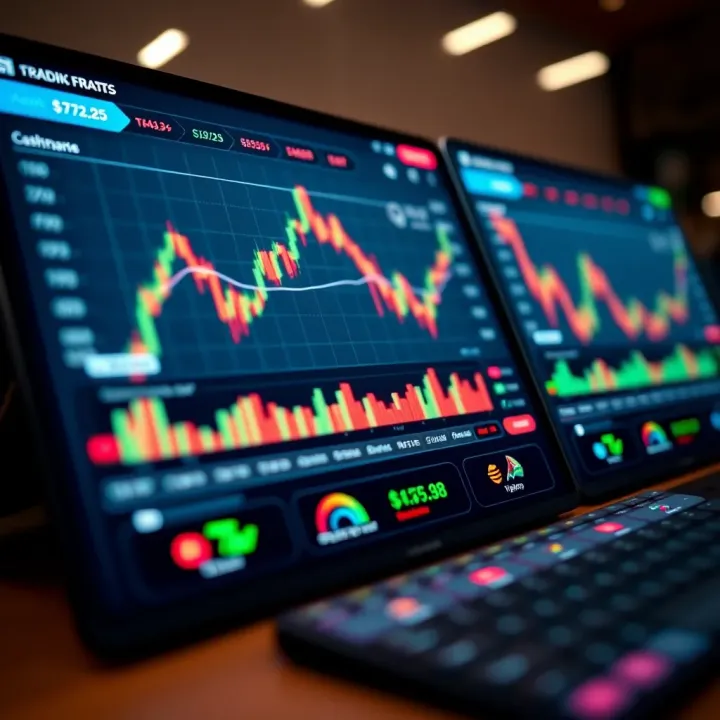
Discover the best free forex trading apps for South African traders 🇿🇦. Learn key features, security tips, app comparisons, and how to boost your strategy 📈.
Based on 11 reviews