
Choosing Forex Trading Software in South Africa
Looking for the right forex trading software in South Africa? 📈 Discover key features, local market insights, and tips to pick a platform that matches your needs. 🇿🇦
Edited By
Liam Foster
Selecting the right forex trading broker is a crucial first step for anyone keen on the South African forex market. Traders here must balance factors like regulatory compliance, fees, account options, and platform features to find a broker that suits their needs.
South Africa's forex scene isn't the wild west; it's shaped by rules like those from the Financial Sector Conduct Authority (FSCA). A broker with FSCA regulation offers a layer of security—your funds are more protected, and the company adheres to proper standards. So, always check if your broker is FSCA-registered before committing anything.
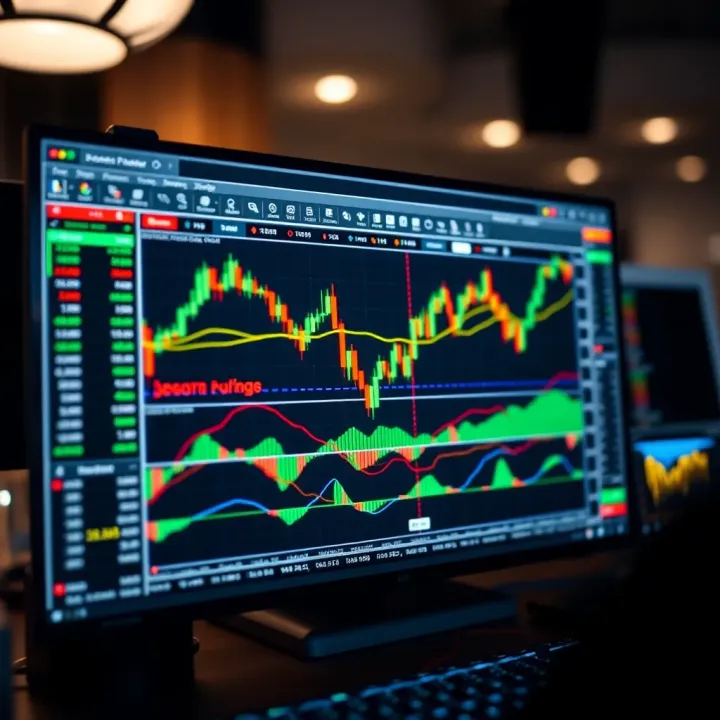
Beyond licensing, consider the trading costs. Brokers charge commissions, spreads, or both, and these fees eat into your potential returns. For example, a tight spread on major currency pairs can make a big difference if you trade frequently. Also, watch out for hidden fees such as withdrawal charges or inactivity penalties.
Account types are another big piece of the puzzle. Many brokers offer options ranging from beginner-friendly micro accounts to professional-level ECN accounts. Think about your trading volume, risk appetite, and whether you want to trade demo accounts first to get familiar with the platform.
Speaking of platforms, ease of use, speed, and available tools matter. Some brokers use MetaTrader 4 or 5, while others deploy their own software with custom features like advanced charting or robot integration. South African traders often prefer platforms that support Rand deposits and local payment methods, making funding and withdrawals hassle-free.
Lastly, consider what extra features a broker offers. Educational resources, market analysis, and customer support tailored for South African clients can add real value. For instance, some brokers provide real-time news relevant to the Rand or commodities like gold and platinum, which impact our currency.
Always verify a forex broker’s credentials and understand their fee structure before trading. This caution protects your investments and sets the foundation for successful trading in South Africa’s forex market.
Choosing a trustworthy broker isn’t just ticking boxes—it’s about aligning your trading style with the right tools and safeguards that fit the local environment.
Grasping what a forex trading broker actually does is a crucial starting point for those looking to trade currencies in South Africa. A broker acts as the middleman, linking you with the forex market, which otherwise you couldn’t access directly. Knowing their role helps you pick a broker that matches your trading style and needs, reducing risks and costs.
Forex brokers provide access to the global currency markets, connecting individual traders in South Africa with liquidity providers like banks and financial firms. Without a broker, retail traders cannot buy or sell currency pairs because this market is decentralised and operates 24/5 through interbank networks. For example, if you want to trade the USD/ZAR pair, your broker routes your trade to these liquidity providers at real-time prices.
This connection also means that the broker is responsible for maintaining stable, continuous market access. For South African traders, brokers with reliable servers located near major financial centres minimise delays, so trades execute swiftly even during volatile periods.
The quality of trade execution is a big deal. When you place an order, your broker either fills it immediately at the best available price or routes it through intermediaries. Execution speed and accuracy can significantly impact profit and loss, especially for short-term traders. A slow or re-quoted trade can cost you dearly.
Pricing transparency is equally vital. Brokers provide bid (sell) and ask (buy) prices reflecting the current market rates. Some brokers mark up these prices or include spreads and commissions, so it is important to understand how your broker handles pricing to avoid hidden costs. This is especially relevant in South Africa, where the forex market can face liquidity issues during local hours.
Your broker also offers the trading platform—a software interface where you monitor charts, place trades, and analyse markets. Many South African traders rely on well-known platforms like MetaTrader 4 or 5 because they offer extensive charting tools and support automated strategies.
Additionally, brokers supply tools for risk management such as stop losses, alerts, and margin calculators. Having these tools integrated allows you to manage your trades more effectively, which is crucial when dealing with the fast-moving forex market.
Dealing desk (DD) brokers, often called market makers, create their own internal market where they execute trades. This means your trades may not always go directly to the external forex market but are matched internally. While this can lead to guaranteed liquidity, the conflict of interest is a concern — since your losses may be the broker's gain.
No dealing desk (NDD) brokers, in contrast, send your orders directly to liquidity providers without intervention. This typically means more transparent pricing and fewer re-quotes but may come with higher commissions or variable spreads. South African traders looking for clarity and fair pricing often prefer NDD brokers, especially for larger or more frequent trades.
Market makers set the bid and ask prices themselves and take the opposite side of your trade. They provide price stability and often allow smaller minimum deposits, which suits beginner traders or those with limited capital in South Africa.
ECN (Electronic Communication Network) brokers connect you to a network of liquidity providers, aggregating prices to offer tight spreads and true market conditions. Trades execute against real orders in the market, offering more transparency but usually require higher minimum deposits and charge commissions. For experienced South African traders who prioritise speed and genuine market pricing, ECN brokers can be a better choice.
Choosing the right broker type depends on your trading style, risk tolerance, and budget. Understanding these basics is key to navigating the forex world confidently.
This knowledge sets the foundation for deeper analysis in following sections of selecting a forex broker suited to your needs in South Africa.

Choosing the right forex broker is more than just picking a name on a list—it’s about finding a partner that fits your trading style, goals, and safeguards your money. Understanding the key features to look for can help you avoid headaches and costly mistakes later on. For South African traders, specifics like regulation, fees, account options, and platform tools aren’t just preferences—they're crucial to protect your funds and optimise your trading.
When you trade forex in South Africa, regulation is your safety net. The Financial Sector Conduct Authority (FSCA) is the main watchdog. It regulates brokers operating locally to ensure they meet strict standards on transparency and financial soundness. For offshore brokers popular with South Africans, other regulators such as the UK’s FCA, Australia’s ASIC, or Cyprus’s CySEC are often seen as trustworthy regulators. Sticking to brokers authorised by recognised bodies helps shield you against dodgy platforms.
Regulation means brokers must keep clients’ funds separate from their own, so your money isn’t at risk if the broker faces financial trouble. Also, regulated brokers have to report regularly and comply with rules against market manipulation. Through regulation, you can hold brokers accountable, plus you get access to official complaint mechanisms. For instance, if a South African trader experiences unfair trade execution or fund withdrawal issues with an FSCA-regulated broker, FSCA investigates and enforces remedies.
Costs directly eat into your trading profits. Brokers usually earn from spreads—the difference between buying and selling prices—or commissions charged per trade. Lower spreads mean better prices for you. Some brokers offer fixed spreads while others have floating spreads that change with market conditions.
Also, keep an eye on overnight fees, known as swaps or rollover fees. These apply when you keep positions open past market closing. A simple example: if you hold a USD/ZAR trade overnight, your broker might charge or credit you interest depending on interest rate differences. Being aware of these fees helps you manage long-term trading costs better.
Besides obvious costs, some brokers add fees for inactivity, deposit or withdrawal processing, or currency conversions. Imagine letting your trading account lie dormant for months, only to find an inactivity fee steadily chipping away at your balance. Always check the broker’s terms and ask about all possible fees before signing up. This helps avoid nasty surprises and budget your trading properly.
Forex brokers often offer different account sizes to accommodate traders with various budgets. A standard account typically involves trading lots of 100,000 currency units, which might be too steep for many South Africans starting out. Mini accounts trade 10,000 units, and micro accounts just 1,000 units, letting you trade smaller positions and manage risk more tightly. For example, if your capital is R5,000, trading micro lots can help you adapt without risking too much of your capital at once.
Minimum deposits vary widely across brokers, from as little as R100 to R10,000 or more. South African traders should consider brokers with accessible deposit thresholds that suit their risk appetite and investment capacity. Low deposits mean easier entry but sometimes come with restricted features or higher costs. Make sure the broker supports convenient local payment methods such as EFT, credit cards, or even e-wallets like Skrill and Neteller for quicker deposits and withdrawals.
Selecting a broker with clear regulation, transparent fees, and suitable account types helps to keep your trading safe and efficient in the unpredictable forex market.
Tailoring your choice based on these key features lays a solid foundation to trade confidently and protect your funds in Mzansi’s market context.
Choosing the right trading platform is a big step when selecting your forex broker. The platform is your main interface for making trades, analysing markets, and managing risk. Without a reliable and user-friendly platform, you could miss vital market moves or waste time juggling clunky software. For South African traders, this aspect matters even more, given fluctuating internet connectivity and data costs here.
MetaTrader 4 and MetaTrader 5 remain the gold standard for many forex traders worldwide, including in South Africa. MT4 is especially popular for its simplicity, robust charting tools, and the ability to run automated trading strategies known as Expert Advisors. Meanwhile, MetaTrader 5 builds on this by adding more asset classes, timeframes, and enhanced analysis tools. Many brokers in South Africa support both platforms, catering to a range of experience levels. These platforms also allow you to backtest trading strategies before going live, a useful feature for cautious traders.
Proprietary Broker Platforms offer an alternative to MetaTrader, often custom-built by brokers to provide tailored features. These can include advanced order types, integrated social trading, or simplified interfaces for beginners. However, the quality of these platforms varies widely, so you should test demos before committing. For instance, some local brokers might offer lighter web-based platforms that are easier on data usage, a key consideration for many South African traders concerned about airtime costs.
With the rise of mobile trading, having a solid mobile app is no longer a bonus but a necessity. Good trading apps should not only mirror desktop functionality but also offer quick execution, real-time price alerts, and intuitive portfolio tracking. Many South African traders rely on these apps when commuting or during power interruptions (loadshedding) that disrupt desktop access. Features like fingerprint login and push notifications are helpful for staying connected securely.
Data usage ties closely into mobile accessibility. South Africa’s data prices and connectivity can be patchy outside major centres, so brokers that optimise apps for low data consumption shine. Apps that let you customise chart refresh rates or switch off non-essential graphics help keep data use manageable. Some brokers even provide standalone ‘lite’ apps designed specifically for slower networks common in rural or township areas.
Strong charting tools and indicators are essential for spotting trade opportunities and trends. Platforms offering a wide range of technical indicators—like RSI, moving averages, and Bollinger Bands—let you tailor your analysis. For example, a swing trader might rely heavily on Fibonacci retracements, while a day trader could prefer volume-based indicators. The ability to overlay multiple indicators and adjust timeframes on a platform is crucial.
Risk management tools such as stop losses, take profits, and alerts ensure disciplined trading and protect your capital. Stop-loss orders automatically close trades at your pre-set loss threshold, limiting downside when a market swings unexpectedly. Take-profit orders lock in gains once your target price is hit, helping you cash out before reversals occur. Alerts notify you when the market reaches certain levels, so you don’t have to watch screens all day. These tools are especially useful in the South African context, where traders might face distractions like load-shedding or spotty internet.
When checking your potential forex broker, test the platform’s analytical tools and risk management features in a demo environment to see if they suit your trading style and daily routine.
In sum, assessing your broker’s trading platforms and their tools is more than ticking boxes. It determines how effectively you can trade, respond to market moves, and safeguard your investment within South Africa's unique environment.
Choosing a forex broker with reliable customer support and useful additional services can make a real difference to your trading experience, especially for South African traders dealing with market fluctuations and local nuances. Efficient support ensures your concerns get addressed promptly, while extras like educational resources and trading signals help sharpen your trading edge.
It's critical to consider whether the broker provides customer support in languages you’re comfortable with, typically English for most South African traders. Some brokers may also offer support in Afrikaans or isiZulu, which can be a big bonus if English isn't your first language. Quick response times matter too — imagine raising an issue during a volatile market hour only to find the helpdesk is slow or unresponsive. Brokers with 24/5 or even 24/7 support often serve traders better since forex markets operate around the clock.
Having access to local South African support channels, like a dedicated phone number or live chat during South African business hours, can save time and avoid miscommunication. Local support teams usually understand regional market conditions and payment methods better, which helps when sorting out deposit or withdrawal issues. Conversely, international support might be more generic but sometimes offers multilingual assistance and broader experience with global regulations. Some brokers combine both, which gives you the best of both worlds.
Top brokers invest in educational content that suits traders at all levels. Webinars allow you to learn in real-time and ask questions specific to your challenges. For instance, a weekly webinar discussing how Eskom loadshedding affects forex liquidity is much more practical for a local trader than generic market news. Tutorials often cover platform navigation, trade execution, and fundamental or technical analysis techniques. Moreover, regular market analysis reports help you stay updated without hunting through multiple sites.
Copy trading platforms let beginners mirror the trades of seasoned professionals, which can be a great way to learn and potentially profit without needing to analyse markets all day. Automated trading tools, like Expert Advisors on MetaTrader, execute trades based on pre-set conditions, helping reduce emotional decision-making. South African traders should check if these features are compatible with local regulations and payment systems, and whether brokers offer adequate risk warnings to avoid overexposure.
Choosing a broker isn’t just about fees and platforms; how they support you and the extras they provide can strongly influence your long-term success. Look for customer support tailored to your needs and practical tools that fit your local context and trading style.
Navigating the world of forex trading requires a cautious eye, especially when selecting a broker. South African traders must be alert to common pitfalls that can lead to losing money or falling victim to scams. Understanding typical warning signs and protective steps helps you avoid costly mistakes and keeps your trading experience secure.
Choosing a broker without regulation is risky. Regulatory bodies like the Financial Sector Conduct Authority (FSCA) in South Africa ensure brokers meet minimum standards for fairness, transparency, and financial security. If a broker operates without such oversight, they lack accountability, increasing chances of malpractice or sudden disappearance with your funds. For instance, some offshore platforms may promise attractive deals but do not adhere to South African laws or international rules, leaving you with no legal recourse if things go wrong.
It's wise to verify broker licences through official FSCA registers or recognised international regulators such as the FCA or CySEC. Avoid brokers who shy away from providing clear registration details or offer vague licensing information.
Beware brokers claiming guaranteed profits or pushing you to deposit large sums urgently. Forex trading naturally carries risk; anyone promising consistent, high returns is probably misleading you. Pressure tactics such as persistent calls, messages, or deadlines to act ‘now or never’ are red flags. These aggressive sales approaches often lead to reckless decisions that result in losses.
A trustworthy broker provides balanced risk information and allows you time to decide. If you’re being rushed or tempted with ‘too good to be true’ offers, step back and reassess. South African traders have reported such tactics from unregulated brokers promising to ‘double your money in days’—a clear sign to steer clear.
Always check a broker’s credentials before committing. Besides licence verification with the FSCA or respected international agencies, look out for reviews and trader feedback specific to South Africa. Some brokers may appear legitimate but have a poor track record online or lack compliance with local requirements. For example, ask whether the broker is registered with the Registrar of Financial Services Providers (RFSP) and check their complaint history.
It's practical to also confirm how they handle client funds—segregated client accounts vs. company funds—and whether they offer proper financial reporting. These measures reduce risk and increase trustworthiness.
Paying through secure and traceable methods is essential. Avoid brokers requesting payment by untraceable means like cryptocurrencies or direct bank transfers to personal accounts. Instead, use recognised payment gateways or bank transfers to company accounts, which offer more protection and easier dispute resolution.
Keep records of all transactions, deposit and withdrawal confirmations. This paper trail helps if you need to report irregularities or recover funds. Popular brokers in South Africa tend to support payments via credit/debit cards, EFTs through major banks like FNB or Standard Bank, and reputable e-wallets. Stick to these to avoid falling prey to scam brokers operating outside normal financial channels.
Vigilance and informed choices can save you from expensive mistakes. Always take the time to research and verify before you trade with any forex broker.
Looking for the right forex trading software in South Africa? 📈 Discover key features, local market insights, and tips to pick a platform that matches your needs. 🇿🇦
📊 Discover how forex trading schools in South Africa help you learn currency trading skills, course types, costs, and how to choose the best one for success.
Learn the fundamentals of forex trading 📈. Get practical tips on strategies, risk management, and market factors tailored for South African traders 🇿🇦.
Explore how to start free forex trading in South Africa 🇿🇦 with top no-cost platforms, legal tips, essential tools, and risk-smart strategies to grow your skills.
Based on 12 reviews